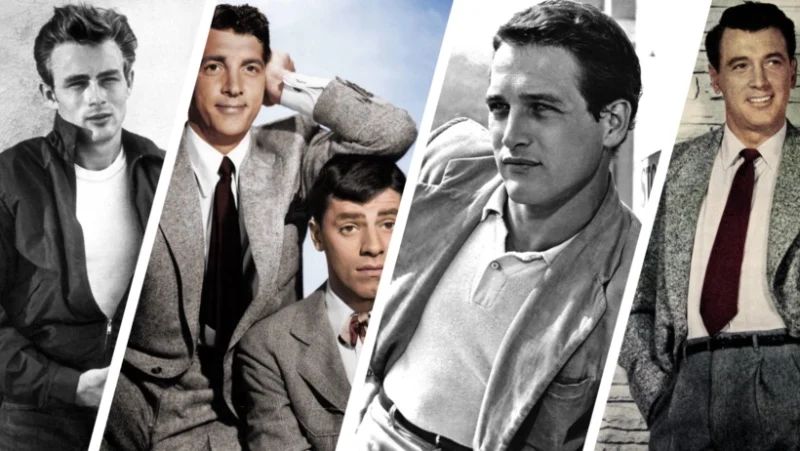
A man in the 1950s could walk into an office wearing a sharp wool suit, a neatly tied tie, and a fedora, then change into straight-leg jeans, a white T-shirt, and a leather jacket for the evening. That sharp contrast is exactly what made the post-war decade an iconic era for global menswear.
The 1950 fashion trends men were not built around a single rigid uniform. Instead, they represented a seismic cultural shift away from strict, traditional formalwear toward personal expression, youthful rebellion, Hollywood cinematic influence, and everyday casual comfort. After World War II, fabric rationing ended, ushering in economic prosperity and an explosion of distinct subcultures.
In this comprehensive style guide, you will explore how 1950s mens style evolved, dissect the essential clothing pieces that defined the decade, analyze the clash between the tailored gentleman and the rebellious greaser, and learn how to seamlessly weave vintage 50s fashion for men into a modern wardrobe without looking like you are wearing a costume.
Key Takeaways
-
Dual Nature of the Era: The 1950s bridged formal post-war tailoring with youth-led casualwear, creating iconic subcultures like Greasers and Ivy Leaguers.
-
Hollywood Influence: Cultural icons like James Dean, Marlon Brando, and Elvis Presley transformed workwear items into symbols of cool rebellion.
-
Tailoring Proportions: 1950s suits featured higher waists, fuller trousers, wide boxy shoulders, and cuffed hems compared to today’s slim fits.
-
Emergence of the Teenager: The 1950s marked the first decade where teenagers were recognized as distinct fashion consumers.
-
Modern Integration: Incorporating 1950s menswear ideas into contemporary outfits requires mixing one vintage piece with modern, well-fitted wardrobe staples.
Quick Summary Table
| Category | Details |
| Target Audience | Menswear enthusiasts, vintage collectors, actors, and style-conscious men. |
| Dominant Subcultures | Classic Gentleman, Ivy League/Preppy, Greaser/Rebel, and Rockabilly. |
| Key Wardrobe Elements | High-waisted suit trousers, leather motorcycle jackets, white tees, loafers, and fedoras. |
| Primary Style Shift | Transition from post-war formal attire to casual, youth-driven everyday style. |
| Estimated Reading Time | 12 minutes |
What Defined 1950s Men’s Fashion?
1950s men’s fashion was defined by a stark contrast between post-war formal tailoring and the emergence of youth casualwear. While older professionals wore high-waisted sack suits and fedoras, younger generations adopted leather motorcycle jackets, denim jeans, white T-shirts, and preppy Ivy League attire inspired by Hollywood screen stars.
The 1950s was a decade of economic boom, suburban expansion, and technological growth. Following World War II, fabric restrictions were lifted, allowing textile manufacturers to produce broader silhouettes, rich textures, and vibrant patterns. This economic shift empowered everyday men to purchase clothing for leisure rather than pure utility.
The Shift From Post-War Formal Style to Casual Fashion
The shift toward casual fashion in the 1950s occurred as returning veterans sought comfortable civilian clothing, while teenagers emerged as a distinct consumer class. Business culture maintained conservative suits, but everyday life increasingly embraced casual sports shirts, polo knits, denim jeans, and lightweight jackets.
During the early 1950s, conservative corporate environments maintained strict dress codes. The classic American “sack suit”—a loose-fitting, three-button jacket with natural shoulders—dominated offices, accompanied by crisp dress shirts, silk ties, and polished leather oxfords.
However, outside the workplace, leisure culture took hold. Backyard barbecues, drive-in theaters, and automobile culture created demand for comfortable clothing. Open-collar Cuban shirts, Bermuda shorts, loop-collar sport shirts, and casual jackets replaced formal coats during off-hours, marking the true birth of modern casual menswear.
How Hollywood and Music Icons Shaped 1950s Menswear Ideas
Hollywood actors and rock stars fundamentally reshaped 1950s men’s style. Marlon Brando and James Dean popularized leather motorcycle jackets, plain white T-shirts, and blue jeans as symbols of cool rebellion, while Elvis Presley introduced bold tailoring, Cuban collars, and dramatic pompadour hairstyles.
Before the 1950s, men looked to political leaders or elite tailors for style inspiration. In the 1950s, cinema and the music industry took over as the primary drivers of men’s style trends:
-
Marlon Brando: His portrayal in The Wild One (1953) wearing a Schott Perfecto leather motorcycle jacket turned heavy outerwear into an iconic symbol of anti-establishment cool.
-
James Dean: In Rebel Without a Cause (1955), Dean’s combination of a bright red Harrington jacket, plain white T-shirt, and Lee 101Z jeans cemented casual workwear as high fashion for youth.
-
Elvis Presley: Elvis brought rockabilly flair into the mainstream, combining high-waisted pleated trousers, loafers, open collars, and bold patterned jackets.
-
Frank Sinatra: Represented the suave, polished side of the era, showcasing tailored suits, tilted fedoras, and pristine pocket squares.
1950 Fashion Trends Men: The 4 Major Subcultures
The four major 1950s men’s fashion subcultures were the Classic Gentleman (polished wool suits and fedoras), the Ivy League/Preppy style (chinos, cardigans, and loafers), the Greaser/Rebel look (leather jackets, white tees, and denim), and the Rockabilly/Teddy Boy movement (bold drapes, velvet collars, and pompadours).
1. The Classic Gentleman
The conservative standard for business, formal events, and suburban life.
-
Key Garments: Flannel and wool suits, overcoats, white dress shirts, pattern ties.
-
Footwear: Polished Oxford shoes, wingtips, and brogues.
-
Accessories: Fedora hats, tie bars, leather gloves, and pocket squares.
2. Ivy League and Preppy Style
Originating on prestigious college campuses across North America, this look prioritized relaxed refinement.
-
Key Garments: Oxford cloth button-down (OCBD) shirts, letterman cardigans, tailored chinos, polo shirts, and tweed sport coats.
-
Footwear: Penny loafers and saddle shoes.
-
Vibe: Smart, comfortable, and intellectual without being overly formal.
3. Greaser Style and Rebel Fashion
Rooted in working-class youth culture, motorcycle clubs, and rock-and-roll music.
-
Key Garments: Black leather motorcycle jackets, denim jackets, fitted white or black T-shirts, and cuffed straight-leg jeans.
-
Footwear: Engineer boots, harness boots, or classic canvas sneakers.
-
Vibe: Edgy, effortless, and rebellious.
4. Rockabilly and Teddy Boy Movement
Emerging from southern US music scenes and British youth movements.
-
Key Garments: Edwardian-inspired drape coats, velvet-collared jackets, high-waisted drainpipe trousers, and bowling shirts with Cuban collars.
-
Footwear: Crepers, two-tone spectator shoes, and pointed loafers.
-
Vibe: Bold, expressive, and heavily tied to rock-and-roll music performance.
Essential Garments of 1950s Menswear
Essential 1950s menswear garments included high-waisted wide-leg trousers, boxy suit jackets, plain white crew-neck T-shirts, straight-leg raw denim jeans, leather motorcycle jackets, Cuban collar shirts, penny loafers, and structured fedora hats.
1950s Suits vs. Modern Suits
1950s tailoring focused on comfort and drape rather than slim contours. Early 1950s suits featured boxy silhouettes, wide lapels, double-breasted closures, and high-waisted pleated trousers with broad cuffs. By the late 1950s, the Italian “Continental” suit introduced narrower lapels, slimmer trousers, and shorter jackets, paving the way for 1960s mod tailoring.
| Feature | 1950s Suit | Modern Suit |
| Waistline Rise | High rise (above natural navel) | Mid-to-low rise |
| Trouser Fit | Full, pleated, with turn-up cuffs | Slim or tapered, flat front |
| Jacket Shoulder | Padded, structured, or natural boxy | Unstructured or lightly padded |
| Lapel Width | Wide early in the decade; slim late 50s | Standard slim to medium |
| Core Materials | Heavy wool, flannel, gabardine | Lightweight wool, stretch blends |
White T-Shirts, Denim, and Everyday Casualwear
Before the 1950s, T-shirts were strictly undergarments or military workwear. Thanks to Hollywood stars, the plain white crew-neck T-shirt became acceptable outer outerwear. Pairings with dark selvage denim jeans, cuffed two to three inches at the ankle, became the blueprint for global casual fashion.
Outerwear: Leather, Harrington, and Varsity Jackets
Outerwear saw dramatic diversity in the 1950s:
-
Motorcycle Leather Jackets: Asymmetric zips, heavy horsehide or steerhide leather.
-
Harrington Jackets (G9): Lightweight cotton jackets with tartan lining, elastic waistbands, and stand-up collars.
-
Varsity / Letterman Jackets: Wool body with leather sleeves, worn proudly by high school and college athletes.
1950s Footwear, Accessories, and Grooming
1950s footwear featured penny loafers, Oxford dress shoes, two-tone saddle shoes, and engineer boots. Accessories centered around fedora hats, patterned silk ties, and leather belts. Grooming relied heavily on pomades for slicked-back pompadours, side parts, and clean-shaven faces.
Footwear Breakdown
-
Penny Loafer: The quintessential shoe for both Ivy League students and casual wearers.
-
Oxford & Brogue: Essential for businessmen and formal events.
-
Engineer & Biker Boots: Heavy-duty leather boots worn by greasers and motorcycle enthusiasts.
-
Canvas Sneakers: Casual shoes popularized by youth for sports and everyday leisure.
Grooming & Hairstyles
Men’s hair in the 1950s was polished and controlled using oil-based pomades:
-
The Pompadour: Swept high off the forehead and combed back along the sides, famously worn by Elvis Presley and James Dean.
-
The Executive Contour / Side Part: A neat, short-back-and-sides cut with a defined side part, popular among corporate professionals.
-
The Ducktail (D.A.): Hair combed back along the sides to meet in a center seam at the back of the head.
How to Wear 1950s Style Today Without Looking Like a Costume
To wear 1950s fashion today without looking like you are wearing a costume, blend one retro statement piece with modern wardrobe staples. Combine high-waisted trousers with a simple modern shirt, or wear a vintage leather jacket over contemporary slim jeans and clean white sneakers.
The Rule of One Vintage Piece
The most common mistake men make when experimenting with retro fashion trends for men is wearing every era-specific item at once. Wearing a fedora, double-breasted suit, wingtips, and a pocket watch simultaneously creates a costume effect.
Pros & Cons of 1950s Style Today
Pros:
-
Classic, masculine silhouettes that flatter broad shoulders and accentuate the waist.
-
Timeless durability found in vintage heavy wools, raw denim, and full-grain leathers.
-
Versatile casual options like polo shirts, chinos, and leather jackets that never go out of style.
Cons:
-
Authentic 1950s vintage trousers can feel excessively wide or high-waisted for modern preferences.
-
Full 1950s formal outfits can appear overly stiff or costume-like in relaxed modern workplaces.
-
Oil-based pomades can be difficult to wash out compared to modern matte clays and pastes.
Step-by-Step: Building a Modern 1950s-Inspired Wardrobe
Build a modern 1950s-inspired wardrobe by selecting a core subculture direction, acquiring versatile basics like raw denim, plain tees, knit polos, and leather outerwear, and tailoring garments for modern proportions while maintaining classic high-rise waists.
Step 1: Pick Your Core Style Direction
Decide whether your daily lifestyle favors the Gentleman look (tailored), Ivy League (smart-casual), or Greaser/Rebel (casual-edgy).
Step 2: Invest in Core Vintage-Inspired Basics
Acquire these versatile crossover pieces:
-
One high-quality black leather motorcycle or Harrington jacket.
-
A pair of dark blue, straight-leg raw denim jeans.
-
Two or three heavy-weight white and black crew-neck T-shirts.
-
One pair of burgundy or dark brown leather penny loafers.
-
A knit Cuban-collar short-sleeve shirt for warmer months.
Step 3: Focus on Proportions and Alterations
If buying true vintage 1950s garments, visit a tailor. Have wide-leg trousers tapered slightly at the hem while keeping the high-waisted rise. Ensure jacket shoulders sit naturally without excessive padding.
Planning a getaway to show off your vintage-inspired capsule wardrobe? Explore our curated destination guides in Luxury Travel.
Famous Style Icons of the 1950s
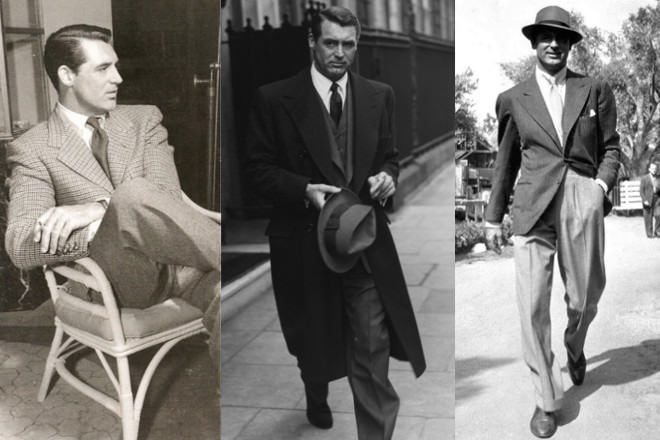
Key 1950s style icons include James Dean (rebellious casualwear), Marlon Brando (motorcycle leather jackets), Frank Sinatra (tailored corporate elegance), and Cary Grant (sophisticated resort and formalwear).
-
James Dean: The eternal symbol of youthful angst, famous for white tees, cuffed denim, and red windbreakers.
-
Marlon Brando: Defined rugged masculinity with leather jackets, fitted caps, and tight undershirts.
-
Frank Sinatra: The gold standard for mid-century tailoring, fedoras, and eveningwear elegance.
-
Cary Grant: Mastered effortless luxury, showing men how to wear high-waisted trousers, sports coats, and neck scarves.
-
Chet Baker: Exemplified cool jazz style through relaxed Ivy League sweaters, open collars, and tailored trousers.
Common Mistakes When Wearing 1950s StyleToday
-
Mixing Decades Incorrectly: Avoid pairing 1950s high-waisted trousers with 1970s wide-collared shirts or 1960s ultra-skinny ties.
-
Ignoring Fabric Weight: 1950s clothing was significantly heavier than modern synthetic blends. Choose mid-weight natural cottons, wools, and leathers for modern comfort.
-
Over-Grooming: Excessive pomade can make hair look greasy rather than retro-cool. Use water-based pomades or modern matte pastes for light hold.
-
Neglecting Tailoring: Wearing vintage clothing straight off the thrift store rack without altering the sleeve length or pant rise often looks unkempt.
Conclusion
A man stepping out in the 1950s stood at a historic crossroads: he could embrace the refined elegance of a tailored wool suit or step into the rebellious independence of denim, leather, and rock-and-roll. That dynamic tension is precisely why 1950s men’s fashion trends remain deeply influential decades later. The era proved that men’s clothing is not merely a social obligation, it is a powerful tool for personal expression, cultural identity, and confidence.
To adopt vintage 50s fashion for men today, you do not need to recreate the past completely. Simply borrow the timeless principles of the decade, quality materials, classic silhouettes, and confident attitude, and integrate them naturally into your modern wardrobe. At BrassSmile, we explore how classic style, culture, and modern trends intersect. For more curated lifestyle guides, fashion breakdowns, and design insights, explore our full collection
Frequently Asked Questions
What defined men’s fashion in the 1950s?
1950s men’s fashion was defined by a transition from conservative post-war tailoring to casual youth fashion. Key elements included high-waisted suits and fedoras for professionals, while younger men popularized denim jeans, white T-shirts, leather motorcycle jackets, and Ivy League preppy attire.
What did men wear in the 1950s for casual occasions?
For casual wear, 1950s men wore open-collar Cuban shirts, knit polo shirts, Bermuda shorts, cuffed straight-leg denim jeans, Harrington jackets, penny loafers, and canvas sneakers.
How did 1950s suits differ from modern suits?
1950s suits had higher waistlines, fuller pleated trousers, wider lapels, and padded shoulders, giving them a broad, boxy silhouette. Modern suits generally feature lower waist rises, slimmer legs, shorter jacket lengths, and narrower lapels.
What was greaser style for men in the 1950s?
Greaser style was a working-class youth fashion subculture consisting of black leather motorcycle jackets, plain white or black crew-neck T-shirts, dark cuffed denim jeans, and engineer boots or sneakers, finished with slicked-back pompadour hairstyles.
How can I dress like a 1950s man today without looking like I’m wearing a costume?
Incorporate 1950s style today by selecting one retro statement piece—such as a leather motorcycle jacket, high-waisted trousers, or a Cuban collar shirt—and pairing it with modern, well-fitted wardrobe staples like simple tees, modern jeans, or clean leather sneakers.