

The strongest business opportunities in 2026 are concentrated around AI services, cybersecurity, digital education, sustainability, local services, and other specialized businesses with recurring revenue. Good opportunities usually solve an existing, urgent problem rather than depend on a short-lived trend.
The best choice depends on your skills, budget, customer demand, and ability to deliver the service consistently. No business guarantees success, so validating demand before investing is far more important than choosing a trendy idea.
Key Takeaways
-
AI Automation & Workflows: Help small businesses implement chatbots, workflows, and analytics without building everything from scratch.
-
Security & Compliance: Cybersecurity and compliance services benefit from growing corporate security and regulatory needs.
-
Scalable Digital Assets: Digital products can scale efficiently because they do not require physical inventory for every sale.
-
High-Retention Local Services: Hands-on local services like mobile pet grooming build strong repeat customer bases.
-
Predictable Cash Flow: Recurring revenue through retainers, subscriptions, or management fees stabilizes monthly revenue.
-
The Golden Rule: Your existing skills and network should heavily influence which business you choose.
What Is the Most Successful Business to Start in 2026?
The most successful business to start in 2026 is not one single magic company or industry. High-potential opportunities include AI automation, cybersecurity, specialized consulting, digital education, sustainability services, local services, and niche e-commerce. These sectors solve clear customer problems and naturally support recurring revenue models.
Ultimately, your execution, skills, target market, and budget will determine the final result.
Why These Businesses Stand Out in 2026
There is a compelling reason to take entrepreneurship seriously right now: people are starting businesses at a massive scale.
-
The U.S. Census Bureau recorded 531,423 business applications in June 2026, up 1.1% from May.
-
In May 2026, it recorded 523,971 applications, which was 3.7% higher than April.
While this doesn’t guarantee every new venture will succeed, it demonstrates that the market actively attracts entrepreneurs. The biggest growth opportunity lies in finding a problem people are already paying to solve.
2026 Business Models at a Glance
| Business Category | Startup Barrier | Recurring Revenue Potential | Best Fit For |
| AI Automation Services | Moderate | High | Digital/technical operators |
| Specialized Consulting | Low–Moderate | High | Experienced professionals |
| Digital Marketing Agencies | Low–Moderate | High | Marketers & content creators |
| Niche E-Commerce | Moderate | Medium | Product-focused founders |
| Bookkeeping / Fractional CFO | Moderate | High | Finance & accounting pros |
| Local / Home Services | Low–Moderate | High | Hands-on local operators |
| Online Education & Coaching | Low–Moderate | High | Subject matter experts |
| Digital Products | Low | Medium–High | Designers & specialists |
| Cybersecurity Services | High | High | Technical teams |
| Specialized Skilled Trades | Moderate–High | High | Certified local operators |
Breakdown: Top 10 Businesses to Start in 2026
1. AI Automation and AI-Powered Services
AI is no longer just an experiment. Businesses urgently need help integrating AI into their daily operational workflows.
AI automation agencies build custom chatbots, automate repetitive administrative tasks, create internal workflows, and install analytics systems for small to mid-sized businesses. The opportunity is strongest when you solve one specific business pain point rather than selling broad “AI services.”
-
Who should start this: People with technical, process automation, marketing, or operations backgrounds.
-
Who should avoid it: Anyone relying on AI tools alone to generate sales without a clear niche or technical delivery plan.
2. Specialized Consulting and Professional Services
If you already know how to solve an expensive corporate problem, consulting is one of the fastest paths to entrepreneurship. You sell expertise rather than physical inventory.
The key to success in 2026 is hyper-specialization. Offering “business consulting” is too broad; helping a specific niche solve a single, costly problem is much easier to market and price at a premium monthly retainer.
-
Who should start this: Professionals with proven domain knowledge, verified industry track records, or strong networks.
-
Who should avoid it: Those without tangible experience or documented success in their target niche.
3. Digital Marketing and Niche Marketing Agencies
Businesses always need predictable client acquisition, but most business owners lack the time or internal bandwidth to manage search rankings, content strategy, paid media, or modern funnel architecture.
A niche agency simplifies your value proposition. By serving a single vertical (e.g., HVAC contractors or SaaS platforms), you build repeatable marketing systems that command ongoing monthly retainers.
-
Who should start this: Digital marketers who understand performance metrics, client communication, and conversion tracking.
-
Who should avoid it: Anyone who dislikes client management, rigid project deadlines, or continuous platform updates.
4. Niche E-Commerce Businesses
Launching a general online store in 2026 is tough. However, a highly specialized niche store serving a dedicated community with unique needs can thrive.
Serving a clearly defined audience gives buyers a compelling reason to choose your brand over mass retailers. Just keep in mind that inventory management, shipping logistics, paid ad costs, and product returns can impact net margins.
-
Who should start this: Brand builders who deeply understand a specific consumer subculture or product category.
-
Who should avoid it: Operators looking to buy massive upfront inventory before validating organic market demand.
5. Bookkeeping and Fractional CFO Services
Small businesses require precise financial tracking in any economic climate.
Fractional bookkeeping and CFO services operate on monthly retainers. Modern cloud platforms like QuickBooks and Xero streamline execution, but high-level financial strategy and compliance remain human-driven.
-
Who should start this: Accountants, CPAs, and financial analysts seeking recurring revenue.
-
Who should avoid it: Unqualified individuals attempting to provide regulated financial advice without credentials.
6. Home and Local Services
Not every scalable business runs on code. Local businesses like mobile pet grooming, senior relocation services, pet waste removal, and short-term rental management deliver strong profit margins with lower overhead.
Route optimization and local community relationships create high customer lifetime value through weekly or monthly service plans.
-
Who should start this: Customer-focused entrepreneurs who prefer practical, hands-on business operations.
-
Who should avoid it: Anyone who launches without researching hyper-local competition, licensing costs, and operational logistics.
7. Online Education, Coaching, and Training
Knowledge monetization continues to expand, particularly around high-value professional skill sets.
The biggest revenue growth isn’t in broad video courses, but in industry-specific vocational training, corporate upskilling programs, AI-assisted tutoring, and structured cohorts.
-
Who should start this: Educators and industry veterans who can break down complex systems clearly.
-
Who should avoid it: Individuals giving unverified advice in regulated areas like medical care or financial planning.
8. Digital Products and Specialized Online Resources
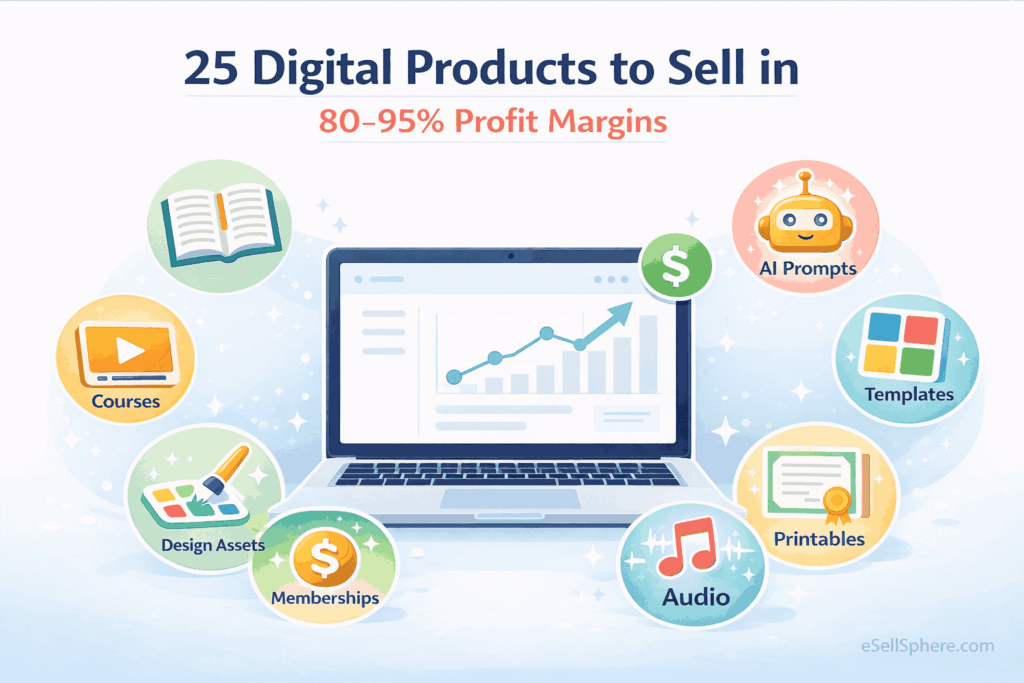
Digital products allow you to create an asset once and sell it endlessly without recurring unit production or shipping costs.
High-converting assets include specialized Notion systems, custom financial model templates, UI kits, design assets, and industry-specific workflow guides.
-
Who should start this: Designers, analysts, creators, and technical specialists solving repeatable friction points.
-
Who should avoid it: Anyone creating generic templates in overly saturated marketplaces.
9. Cybersecurity and Compliance Services
Cybersecurity is an essential business expense. Managed security service providers (MSSPs) offer vulnerability testing, employee security awareness, compliance support, and real-time threat response.
As privacy regulations tighten globally, specialized compliance and fraud mitigation services continue to see surging demand.
-
Who should start this: Cybersecurity engineers, certified IT professionals, or non-technical founders with strong technical partners.
-
Who should avoid it: Solo founders without deep security expertise or qualified engineering teams.
10. Specialized Skilled-Trade Businesses
Physical infrastructure always needs installation, repair, and ongoing maintenance. Skilled local trades remain protected from digital automation because physical presence and human craftsmanship are required.
While certifications, insurance, and specialized tooling create startup barriers, they also protect your business from cheap online competition.
-
Who should start this: Licensed tradespeople, technicians, or founders managing teams of skilled technicians.
-
Who should avoid it: Anyone skipping mandatory state licensing, liability insurance, or safety requirements.
How to Choose the Best Business for Your Budget & Skills
How to Pick Your Venture
-
Skill Alignment: Choose what you already know how to execute.
-
Market Validation: Talk to real buyers before spending capital.
-
Lean Testing: Launch a low-cost service MVP to test demand.
-
Profit Priority: Target high profit margins over high gross sales.
Low-Budget Options (Under $5,000)
If your initial capital is limited, focus on service-based or digital asset models such as:
-
Custom GPT / AI workflow setups
-
Social media management & content design
-
Digital template & workflow asset creation
-
Local service management using specialized skills
Starting with a skill-based service lets you test client demand before committing capital to heavy software development, expensive equipment, or physical office leases.
Skill-Based Matching
-
Technical or Coding Background: AI Automation & Cybersecurity
-
Finance or Accounting Background: Bookkeeping & Fractional CFO
-
Marketing or Copywriting Background: Niche Digital Agency
-
Hands-on or Operations Background: Local Home Services & Trades
The most profitable business sits at the intersection of what you execute well and what clients urgently need.
3 Critical Factors That Drive Long-Term Success
-
Prioritize Recurring Revenue: Building a model focused on monthly retainers, subscriptions, or ongoing maintenance yields predictable, stable cash flow.
-
AI Is a Tool, Not the Value: AI speeds up execution, but clients pay for outcomes and trust. Technology simplifies process delivery; it does not replace sales acumen or client communication.
-
Regulatory Requirements Create Built-In Demand: Environmental compliance, privacy laws, and security standards force companies to spend money. Meeting regulatory needs creates sustained, recession-resilient demand.
Practical 5-Step Action Plan to Start
To move from planning to execution without getting stuck in research loops, follow this simple framework:
-
Select One Specific Niche: Define your ideal target audience tightly.
-
Identify One Costly Problem: Locate a major friction point your market actively pays to resolve.
-
Build One Clear Offer: Design a straightforward solution with explicit, measurable deliverables.
-
Pre-Validate Before Buying Tools: Secure your first paying client before spending on complex infrastructure.
-
Track Net Margins Over Revenue: Focus on operational efficiency, customer retention, and net profit from day one.
Real-World Case Study: The Power of Lean Validation
Take Dave, a former corporate accountant sitting at his kitchen table with an unsent resignation email draft.
Instead of quitting immediately to launch a full-scale firm, Dave built his bookkeeping service on nights and weekends for four months. He secured his first three clients—small business owners in his existing network who had already complained about their accounting headaches—before ever resigning.
Dave chose fractional bookkeeping not because it was trendy, but because he knew clients were already willing to pay for the solution.
The takeaway? Validation beats speculation every time.
Conclusion
At BrassSmile, we explore how emerging technologies, strategic marketing, and modern business trends intersect to create real-world opportunities.
The top business models in 2026 succeed because they tackle real operational problems. Whether you choose AI automation, specialized consulting, or a hands-on local service, start small, validate early, and focus on delivering measurable value. For more in-depth operational guides, digital marketing strategies, and market research, visit BrassSmile Blogs or Contact BrassSmile to collaborate with our editorial team.
Frequently Asked Questions
What are the most profitable businesses to start in 2026?
AI automation, cybersecurity, sustainability consulting, short-term rental management, and digital education are among the opportunities repeatedly highlighted for 2026. Their appeal comes from demand, specialized skills, and potential recurring revenue. However, profitability varies by market, pricing, costs, and execution.
Which businesses have the lowest startup costs in 2026?
AI-assisted content, social media management, custom GPT setup, and digital template shops can have relatively low startup requirements. The research identifies examples that can launch below $5,000. Your actual cost still depends on tools, marketing, skills, and the market you serve.
Are AI businesses still worth starting in 2026?
Yes, but only when AI solves a real customer problem. AI automation businesses can help companies implement chatbots, workflows, and analytics. The opportunity does not remove the need for sales, technical ability, customer research, and reliable service.
Can I start a successful business with less than $10,000 in 2026?
Yes, several service-based and digital models can be started with relatively modest capital. The research identifies examples with reported startup ranges from about $500 to $10,000. Starting small can reduce the risk of spending heavily before demand is proven.
Is sustainability consulting a real opportunity or just hype?
The opportunity is connected to regulatory and reporting needs, not just a temporary trend. Businesses may need help with carbon footprints, sustainability reporting, and related compliance work. Still, the exact demand depends on the regulations and market where you operate.
Is cybersecurity a good business for non-technical founders?
It can be, but technical expertise is essential somewhere in the business. A non-technical founder would generally need qualified technical staff or partners to deliver the service properly. Trust and competence matter more here than simply having a business idea.
What are the best recurring-revenue business models in 2026?
Retainer-based AI automation, cybersecurity, social media management, and property management can provide recurring revenue. Subscription models such as paid communities, newsletters, wellness programs, and SaaS can also create repeat payments. Recurring revenue is useful, but customers still need a reason to stay.