
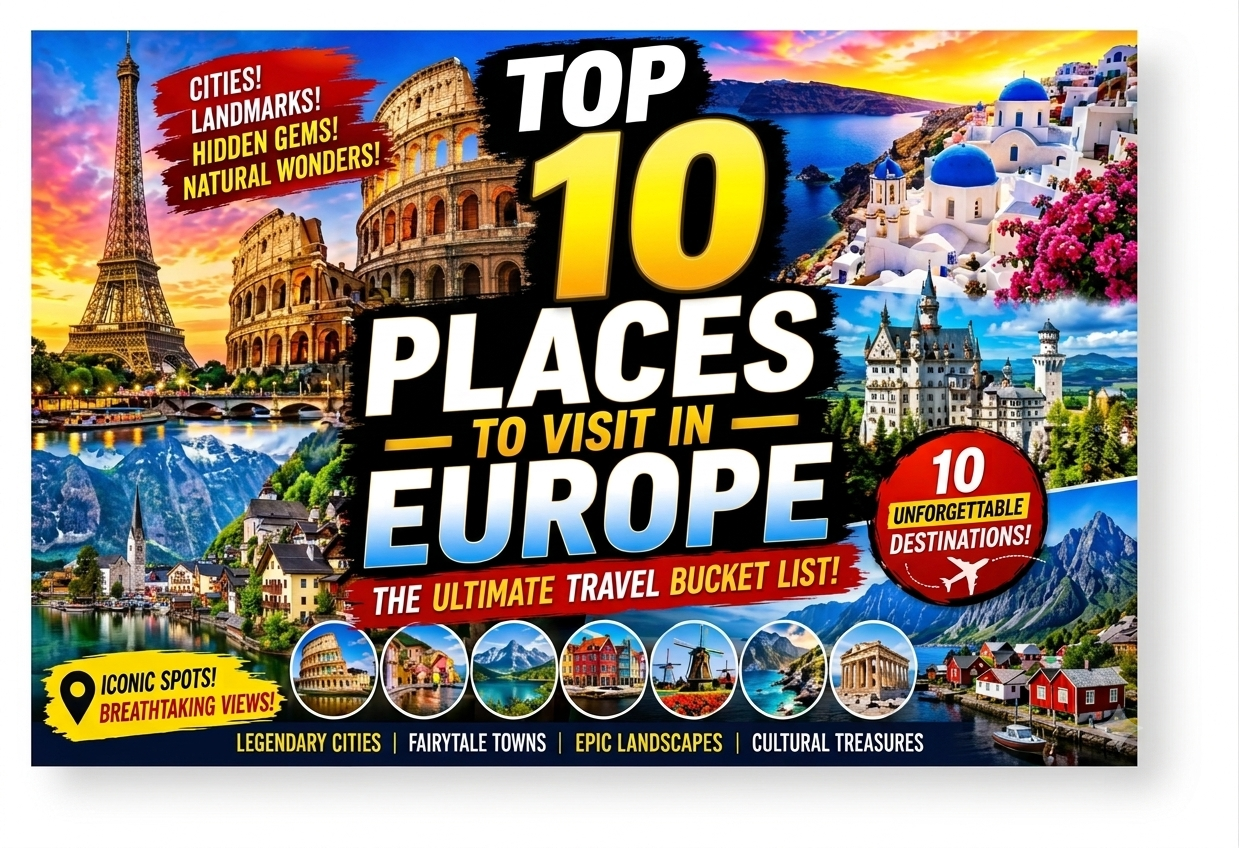
The best places to visit in europe 2026 include iconic cultural capitals like Paris, Rome, Lisbon, Barcelona, and Prague, alongside stunning natural regions like the Swiss Alps and the Greek Islands. For travelers seeking unique experiences away from peak crowds, smaller gems like Kotor, Trogir, Kraków, and Oulu offer rich culture with a localized feel.
Whether you are looking for value, dramatic landscapes, or historical landmarks, choosing the right destination depends on your budget, season, interests, and available time.
Key Takeaways
-
First-Time & Cultural Travel: Paris and Rome remain the premier choices for famous landmarks, history, art, and culinary experiences.
-
Best Value Destinations: Lisbon and Kraków offer world-class culture and historical charm at lower overall costs.
-
Nature & “Coolcations”: The Swiss Alps, Lofoten Islands, and Iceland lead the trend for cooler weather and dramatic outdoor landscapes.
-
Sun & Coastlines: The Greek Islands, Croatia, Portugal, and Spain continue to dominate Mediterranean beach travel.
-
2026 Highlight: Oulu, Finland, is a standout destination as the European Capital of Culture for 2026.
-
Travel Trends: Data from the European Travel Commission (ETC) reveals that 81% of Europeans plan to travel between June and November 2026, with 38% opting for shorter 4–6 night stays.
Top European Destinations for 2026
Paris, France
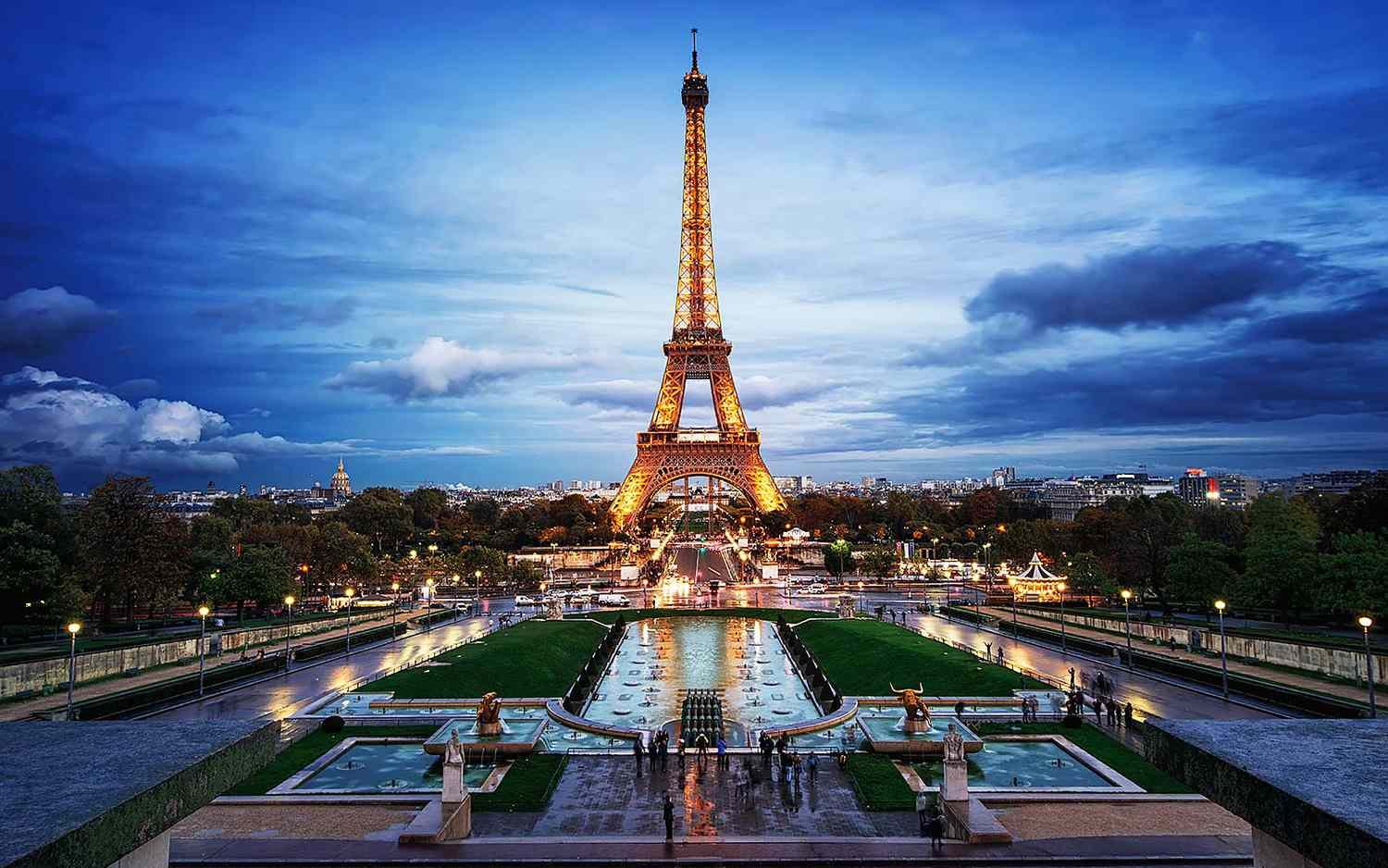
Paris is the gold standard for art, architecture, historic landmarks, and a quintessential European city experience. It is ideal for first-time visitors wanting an itinerary packed with iconic culture and sightseeing.
Rome, Italy
Rome is perfect for travelers drawn to ancient history, classical architecture, and world-renowned food. Early ETC reports show travel arrivals to Italy surging by 21.1%, proving its enduring appeal.
Lisbon, Portugal
Combining historic streets, vibrant food scenes, and easy coastal access, Lisbon offers an incredible European city break without limiting your entire trip to traditional museums.
Barcelona, Spain
Barcelona seamlessly pairs city sightseeing and architectural masterpieces with Mediterranean beach relaxing. Spain accounts for 14% of intended European travel choices in 2026.
Swiss Alps, Switzerland
When pristine mountain landscapes matter more than city streets, the Swiss Alps excel. Switzerland is a top destination for outdoor adventure and the growing “coolcation” trend.
Greek Islands, Greece
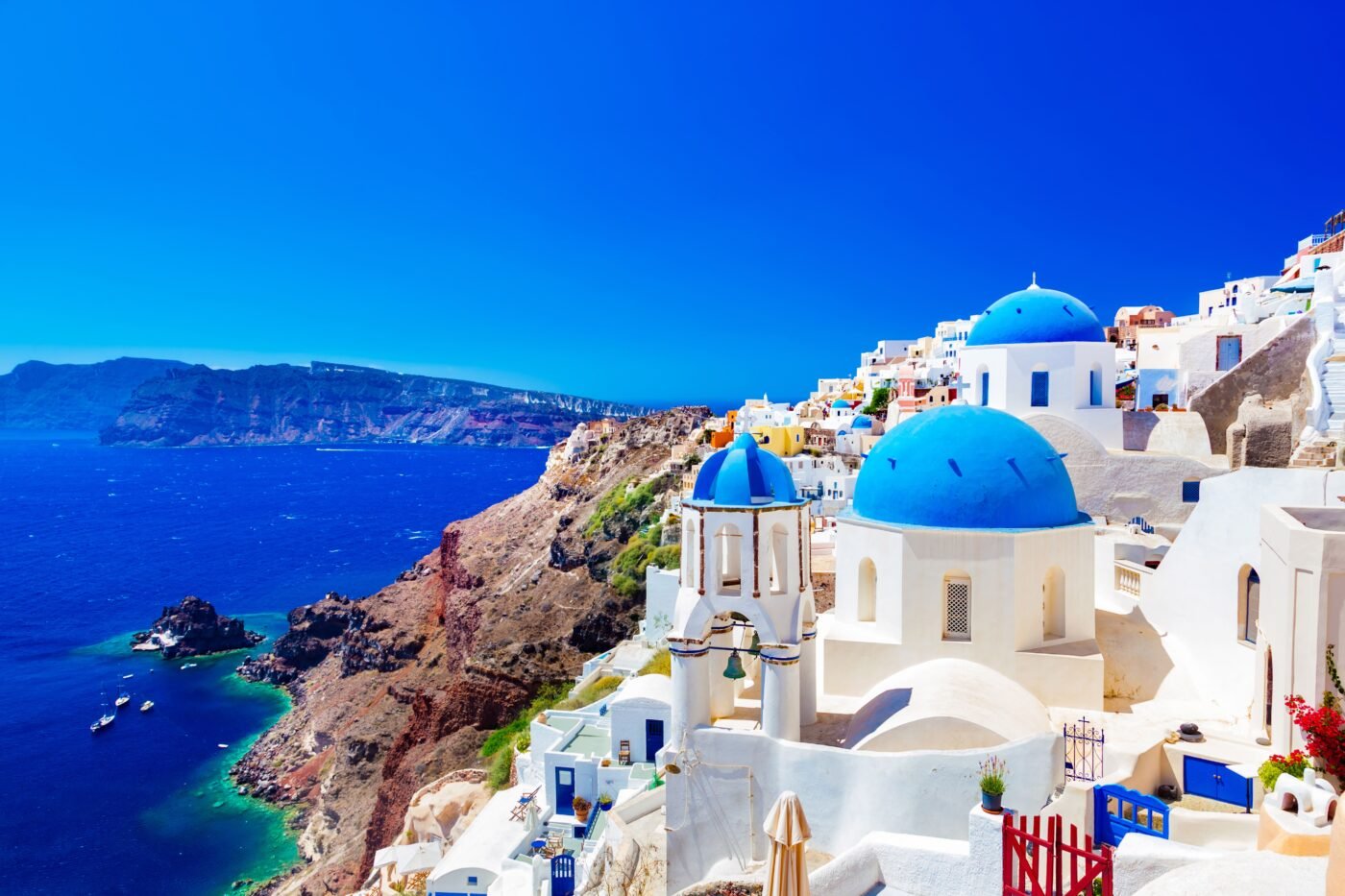
For sunshine, coastal scenery, and island hopping, the Greek Islands remain unmatched. Recent travel data highlights a 38.3% increase in visitor arrivals and a 64.3% jump in travel spending in Greece.
Prague, Czechia
Prague offers striking historic architecture, high walkability, and a deep Central European atmosphere. It stands out as one of the fastest-growing booked destinations for 2026.
Oulu, Finland
Oulu is the premier wild card for 2026 as the official European Capital of Culture. Its “Cultural Climate Change” program merges art, technology, northern wilderness, and hundreds of regional events.
Which European Destination Fits Your Style?
| Travel Style | Top Destination Choices | Key Advantages |
| First-Time Trip | Paris, Rome | Iconic landmarks, seamless transit, rich culture |
| History & Architecture | Rome, Paris, Prague | Historical heritage, walking tours, world-class museums |
| Beaches & Coast | Greek Islands, Barcelona, Portugal | Warm weather, coastal scenery, Mediterranean lifestyle |
| Mountains & Nature | Switzerland, Norway, Iceland | Cooler climates, dramatic terrain, outdoor activities |
| Budget-Conscious | Kraków, Bratislava, Kotor | High-value alternatives to Western European prices |
| Off-the-Beaten-Path | Trogir, Sibiu, Oulu | Authentic local experiences away from main capitals |
Best Destinations by Traveler Type
Best for First-Time Visitors
Paris or Rome offers the most straightforward starting point. Both cities deliver an unparalleled introduction to European heritage, dining, and landmarks without requiring a chaotic multi-country schedule.
Best for Couples
Paris, the Greek Islands, Lisbon, and the Croatian coast provide memorable backdrops. Choose based on whether your shared style leans toward city culture, coastal relaxation, or culinary exploration.
Best for Budget-Conscious Travelers
Look beyond Europe’s most famous Western capitals. Destinations like Kraków, Bratislava, Sibiu, and Kotor provide historic architecture and local charm at a fraction of the cost.
Best for Nature Lovers
Switzerland, Norway, Iceland, Slovenia, and the Scottish Islands offer breathtaking landscapes. These regions fit the 2026 shift toward cooler travel spots during peak summer months.
Best European Destinations by Season
Spring (March – May)
Spring is ideal for city breaks and outdoor sightseeing. April and May serve as excellent shoulder-season months, offering pleasant weather and manageable crowds.
Summer (June – August)
Summer shines for northern landscapes, island beaches, and long daylight hours. However, popular Mediterranean spots see heavy crowds and higher prices, making planning essential.
Fall (September – November)
September and October offer sweet-spot travel with milder heat and smaller crowds. ETC data indicates growing interest in shoulder-season trips to avoid extreme summer temperatures.
Winter (December – February)
Winter favors alpine ski destinations, northern lights excursions, and festive city breaks. France, Italy, Switzerland, and Austria continue to see strong demand for ski and winter travel.
How Much Does a Europe Trip Cost?
There is no single baseline budget for Europe. High-demand capitals in Western Europe cost significantly more than cities in Central or Eastern Europe.
The primary trend in 2026 centers on value for money. ETC surveys show that 48% of travelers prioritize affordability when selecting destinations. To maximize your budget:
-
Choose smaller secondary cities over primary capitals.
-
Travel during shoulder seasons (Spring or Fall).
-
Book high-speed rail connections in advance.
Recommended Trip Length & Itineraries
Focusing on depth over distance leads to a better travel experience. Matching your route to your time frame keeps your trip manageable:
-
3 to 4 Days: Focus on a single city (e.g., Paris, Rome, or Prague).
-
5 to 7 Days: Explore one primary city and add a short day trip nearby.
-
10 to 14 Days: Connect 2 or 3 geographically close destinations by train.
Popular Itinerary Ideas
-
The Classic Route: Paris → Brussels → Amsterdam
-
The Italian Highlight: Rome → Florence → Venice
-
Central European Culture: Prague → Vienna → Budapest
-
Mediterranean Coast: Barcelona → Southern France → Northern Italy
Must-See Places Beyond Major Capitals
Over 52% of surveyed European travelers now prefer off-the-beaten-path destinations. Consider these alternatives for an authentic, low-stress trip:
-
Trogir, Croatia: A compact, island-based historic old town.
-
Kotor, Montenegro: Walled medieval streets set against dramatic bay fjord scenery.
-
Lofoten Islands, Norway: Majestic Arctic peaks, fjords, and traditional fishing villages.
-
Meteora, Greece: Historic monasteries perched atop towering rock pillars.
-
Sibiu, Romania & Bratislava, Slovakia: Rich European history without heavy tourist foot traffic.
Essential Pre-Travel Checklist
-
Verify Entry Regulations: Non-EU citizens should stay updated on border requirements. The EU’s Entry/Exit System (EES) registers short-stay travelers, while ETIAS is scheduled to launch in late 2026 with a €20 application fee for visa-exempt travelers.
-
Account for Transit Times: Avoid spending half your vacation in airport lines or train stations. Limit city changes on trips under 7 days.
-
Look at Regional Alternatives: If top-tier hubs are fully booked or overpriced, select nearby secondary cities to stretch your travel budget.
Conclusion
Choosing the best places to visit in Europe was never really about finding one perfect winner, it is about deciding what kind of experience fits your travel style, budget, and schedule. Whether you choose Rome or Paris for culture, Greece or Spain for coastal relaxation, Switzerland for cool mountain air, or a smaller destination like Kotor or Kraków for high-value exploration, Europe in 2026 offers something for every traveler.
As travel trends shift toward smarter, value-conscious, and shoulder-season trips, the most memorable journey is rarely the one that covers the most ground. It is the one where you actually have the time to immerse yourself and enjoy where you are.
At BrassSmile, we deliver data-backed travel insights, actionable destination guides, and strategic media content to help you explore the world with confidence. Start with your timeline and budget, pick the destinations that align with your goals, and craft a 2026 European itinerary you will truly remember.
Frequently Asked Questions
What are the best places to visit in Europe?
The best choices depend on your goals: Paris and Rome for classic history; Greece and Spain for coastal leisure; Switzerland and Norway for nature; and Kraków or Kotor for budget-friendly cultural travel.
What is the best European country for first-time visitors?
France and Italy are top options. Cities like Paris and Rome feature world-famous landmarks, efficient public transit, and deep cultural experiences that easily fill a first-time itinerary.
What are the cheapest places to visit in Europe?
Kraków (Poland), Bratislava (Slovakia), Sibiu (Romania), and Kotor (Montenegro) offer high-value cultural experiences at much lower daily costs than Western European capitals.
What is the best time to visit Europe?
Spring (April–May) and Fall (September–October) offer the best combination of mild weather, lower costs, and thinner crowds across most of the continent.
How many days do you need for a Europe trip?
A 5 to 7-day trip is ideal for a single city and its surrounding region. A 10 to 14-day timeline comfortably supports visiting two or three connected cities without rushing.
Which European destinations are less crowded?
Smaller destinations such as Trogir, Sibiu, Kotor, and Oulu offer rich European culture and history away from the heaviest tourist traffic.