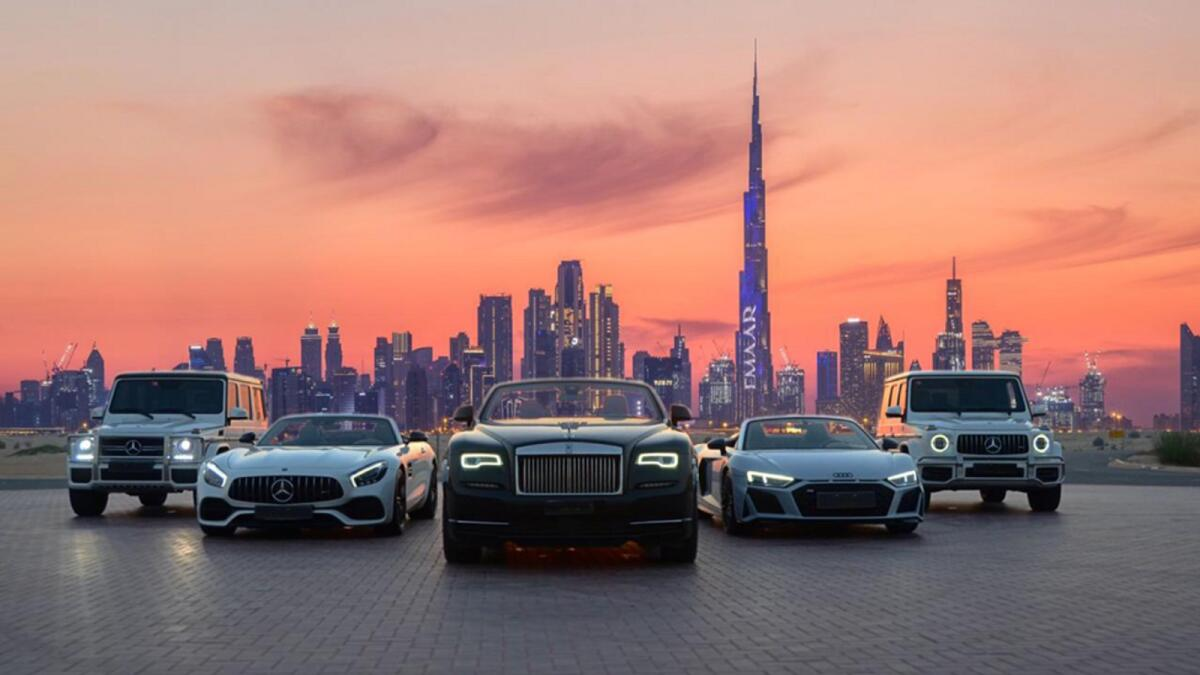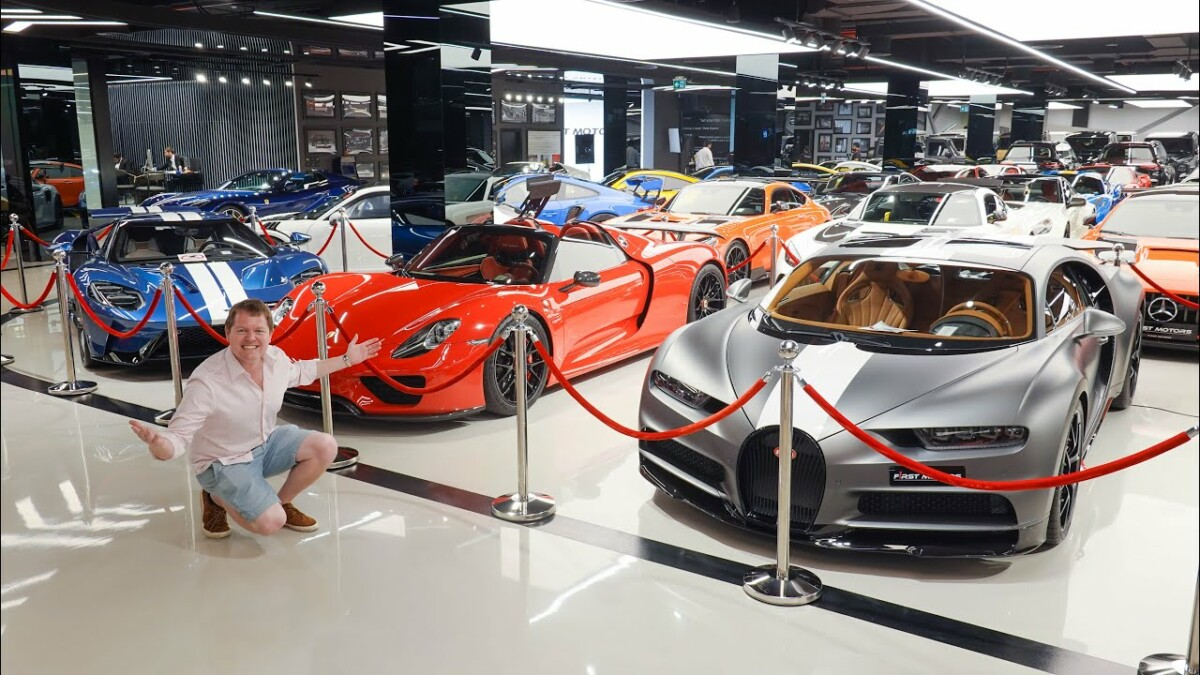
The best luxury car brand depends on what you value most. Lexus stands out for reliability and value, Porsche for performance, Mercedes-Benz for comfort and technology, and Rolls-Royce for ultra-luxury and exclusivity. Genesis is also a strong choice for buyers who want modern luxury without moving straight to the highest price tiers.
Other leading luxury car brands include BMW, Audi, Cadillac, Bentley, Ferrari, Aston Martin, and Range Rover.
In 2026, the definition of luxury is also changing. Electric powertrains, advanced software, personalization, quiet cabins, and technology now matter almost as much as traditional craftsmanship and prestige.
Introduction
I remember looking at a luxury-car comparison once and noticing something interesting: the most expensive car on the list wasn’t automatically the best choice.
One car offered incredible performance. Another felt quieter and more comfortable. A third had a stronger reputation for reliability, while another delivered a much more exclusive ownership experience.
That is the problem with simply asking, “What is the best luxury car brand?”
There isn’t one answer that works for everyone.
For this guide, we look beyond the badge. Whether you’re researching luxury brands for a future purchase or simply comparing the world’s most prestigious automakers, the goal here is to make the differences easier to understand. As with the practical automotive guides readers may find on BrassSmile, the focus is on useful comparisons rather than simply naming expensive cars.
Key Takeaways
- Lexus is a strong choice for reliability, comfort, and value.
- Genesis offers modern luxury with a strong value proposition.
- Porsche is one of the strongest choices for performance.
- Mercedes-Benz combines luxury, comfort, and advanced technology.
- BMW remains particularly appealing to drivers who enjoy responsive handling.
- Rolls-Royce and Bentley sit in the ultra-luxury category rather than competing directly with mainstream luxury brands.
- Ferrari and similar marques combine luxury with extreme performance and exclusivity.
- In 2026, electric vehicles and software are reshaping what buyers expect from a luxury car.
What Makes a Car Brand a Luxury Brand?
A luxury car is not simply an expensive car.
Price is only one part of the equation. A genuine luxury brand usually combines materials, craftsmanship, comfort, technology, performance, design, exclusivity, and the overall ownership experience.
That is why two cars with similar prices can feel completely different.
A luxury automaker may spend more time developing the interior, reducing road noise, improving ride quality, offering personalized options, or creating a stronger dealer and service experience.
What Do Luxury Buyers Actually Pay For?
Several characteristics usually separate luxury vehicles from mainstream models.
Materials and craftsmanship: Premium leather, wood, metal, stitching, finishes, and carefully assembled interiors can create a noticeably different cabin experience.
Comfort: Luxury brands often place greater emphasis on ride quality, seating comfort, cabin quietness, and climate control.
Technology: Advanced driver assistance, infotainment, digital displays, connectivity, and increasingly sophisticated software are now important parts of the luxury experience.
Performance: Some luxury brands focus heavily on acceleration and handling, while others prioritize smooth, effortless power.
Personalization: Higher-end brands may offer extensive combinations of colors, materials, trims, wheels, and bespoke features.
Exclusivity: A luxury badge can also represent heritage, prestige, scarcity, and status.
The important point is that luxury is an overall experience, not a single specification.
Luxury vs. Premium vs. Mainstream
The terms premium and luxury are often used as though they mean exactly the same thing. They don’t always.
| Category | Typical focus | Examples |
| Mainstream | Practicality, affordability, efficiency | Toyota, Honda, Ford |
| Premium | Upscale features and materials | Acura, Lexus, Genesis |
| Luxury | Refinement, technology, comfort, performance | Mercedes-Benz, BMW, Audi |
| Ultra-luxury | Bespoke craftsmanship and exclusivity | Rolls-Royce, Bentley |
The boundaries can overlap.
For example, Lexus and Genesis can provide many traditional luxury qualities while competing at a different price and ownership level from Rolls-Royce. Porsche can also sit between performance and luxury depending on the model.
That distinction matters when comparing the best luxury car brands in 2026. A brand should be judged against what it is actually designed to deliver, rather than simply placed on a list because its cars are expensive.
Why the Luxury Badge Is Not Enough
A prestigious name does not automatically mean a vehicle is the right choice.
One buyer may care most about long-term reliability. Another may want the sharpest driving experience. Someone else may want a quiet rear seat, advanced technology, or the highest possible level of exclusivity.
That is why the ranking later in this guide looks at different strengths instead of treating one brand as the universal winner.
How We Ranked the Best Luxury Car Brands in 2026
There is no official scoreboard that can declare one automaker the best at everything. A luxury brand can lead in one area and fall behind in another.
For this guide, the comparison considers:
- Interior quality and craftsmanship
- Comfort and refinement
- Performance and driving experience
- Technology
- Reliability
- Value and ownership considerations
- Brand heritage and prestige
- Current position in the 2026 market
Reliability is especially important because current studies do not produce exactly the same results. For example, 2026 data continues to put Lexus among the strongest luxury brands for dependability, while BMW has shown notable improvement among German luxury brands.
So rather than claiming that one badge wins every category, the more useful approach is to identify where each brand performs best.
Best Luxury Car Brands in 2026
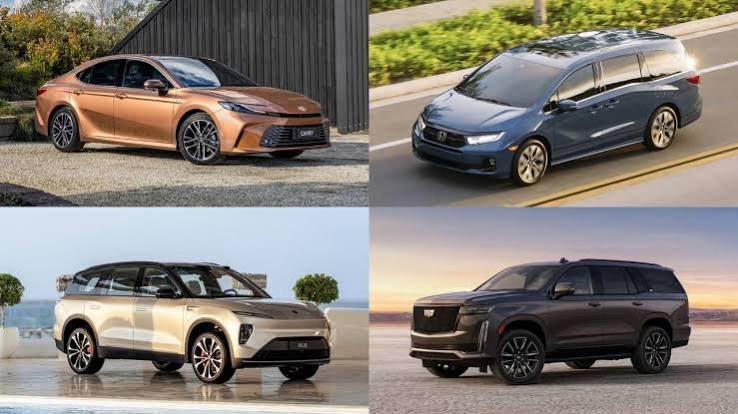
1. Lexus — Best for Reliability and Value
Lexus remains one of the easiest luxury brands to recommend to buyers who want refinement without making ownership unnecessarily complicated.
Its biggest advantage is the combination of comfort, build quality, reliability and hybrid expertise. That makes Lexus particularly attractive for someone who wants a luxury experience but still thinks carefully about long-term ownership. Current 2026 reliability reporting continues to place Lexus at or near the top among luxury brands.
2. Genesis — Best for Modern Luxury Value
Genesis has built its reputation around giving buyers a substantial luxury experience without relying entirely on traditional European prestige.
Its strengths include distinctive design, upscale interiors, technology and a strong equipment level. For buyers who care about what they receive for their money, Genesis deserves serious consideration.
3. Porsche — Best for Performance
Porsche occupies a special position because performance is central to its identity. Models such as the 911 demonstrate the brand’s sports-car heritage, while its SUVs and electric models allow Porsche to compete in broader luxury segments.
Its appeal is simple: you can buy a luxury vehicle without giving up driving excitement. Porsche also performed strongly in the 2026 J.D. Power Initial Quality Study, where it was the highest-rated brand.
4. BMW — Best for Driving Dynamics
BMW continues to appeal to drivers who want their luxury car to feel engaging rather than simply comfortable. Its strengths include responsive handling, powerful engines, sophisticated interiors and a wide range of sedans and SUVs.
Importantly, BMW has also shown improvement in recent reliability comparisons, making it more interesting for buyers who want both driving enjoyment and greater peace of mind.
5. Mercedes-Benz — Best for Comfort and Technology
Mercedes-Benz has long been associated with premium comfort, elegant interiors and advanced technology. Its appeal is strongest for buyers who want a luxury car to feel smooth, quiet and sophisticated.
The brand also spans several levels of the market, from relatively accessible luxury models to highly exclusive Mercedes-Maybach products.
6. Audi — Best for Design and Technology
Audi’s strongest qualities are its clean interior design, technology-focused approach and understated styling. It is particularly appealing to buyers who prefer luxury that feels modern rather than overly traditional.
Audi also has an expanding electric lineup, giving it a role in the industry’s transition toward electrification.
7. Cadillac — Best for American Luxury
Cadillac brings a distinctly American interpretation of luxury, with an emphasis on space, bold styling, technology and large premium vehicles.
Its luxury ambitions are also moving further upward. The hand-built electric Celestiq, for example, combines extensive personalization with a price and positioning aimed at the ultra-luxury market.
8. Rolls-Royce — Best for Ultra-Luxury
Rolls-Royce should not really be judged by the same criteria as a Lexus or BMW.
Its appeal centers on craftsmanship, personalization, exclusivity and an extraordinary ownership experience.
For buyers whose priority is maximum luxury rather than practicality or value, Rolls-Royce occupies a different level.
9. Bentley — Best for Luxury Grand Touring
Bentley combines handcrafted luxury with serious performance.
Its cars are designed for buyers who want exceptional materials and comfort but still want the ability to enjoy long-distance driving and strong performance.
It sits firmly in the ultra-luxury space.
10. Ferrari — Best for Exotic Performance and Exclusivity
Ferrari represents the intersection of luxury, motorsport heritage, performance and exclusivity.
Its cars are not sensible alternatives to ordinary luxury sedans or SUVs. They appeal to buyers who want a highly emotional driving experience and a rare, prestigious automobile.
The brand is also entering a new phase: Ferrari’s first EV, the Luce, reportedly reached its 2026 sales target within two months of launch.
Best Luxury Car Brands by Category
| Category | Strong choice | Main reason |
| Reliability | Lexus | Strong dependability record |
| Value | Genesis | High equipment and modern luxury |
| Performance | Porsche | Exceptional driving focus |
| Driving dynamics | BMW | Engaging handling |
| Comfort | Mercedes-Benz | Refined ride and cabin experience |
| Ultra-luxury | Rolls-Royce | Bespoke craftsmanship and exclusivity |
| Grand touring | Bentley | Comfort combined with performance |
| Exotic performance | Ferrari | Performance, heritage and exclusivity |
| American luxury | Cadillac | Large vehicles and modern technology |
| Luxury EVs | Depends on priorities | Rapidly changing segment |
There is an important caveat here: brand-level conclusions do not automatically apply to every model.
A reliable brand can still have a problematic model year, and a performance-focused brand can produce a comfortable SUV. Always check the specific vehicle before buying.
Best for Reliability
Lexus is the strongest starting point for buyers who put dependability first. Recent 2026 reporting based on major reliability studies continues to support that position.
Best for Performance
Porsche is the clearest all-round choice when driving enjoyment is the priority.
Ferrari, Lamborghini and McLaren move even further toward exotic performance, but they serve a different type of buyer.
Best for Comfort
Mercedes-Benz, Lexus, Bentley and Rolls-Royce are stronger choices for buyers who prioritize quietness, ride quality and a relaxed cabin.
Best for Value
Genesis and Lexus are particularly interesting because they offer luxury qualities without requiring buyers to enter the highest price tiers.
Best for Luxury SUVs
The answer depends on the desired experience. Range Rover emphasizes luxury and refinement, Porsche combines luxury with performance, while Mercedes-Benz, BMW and Cadillac offer broad premium SUV lineups. A luxury SUV also opens up serious road-trip potential — if you’re planning a scenic drive, our guide to the best places to visit in California covers routes where a Range Rover or Cayenne genuinely earns its keep.
Best for Luxury EVs
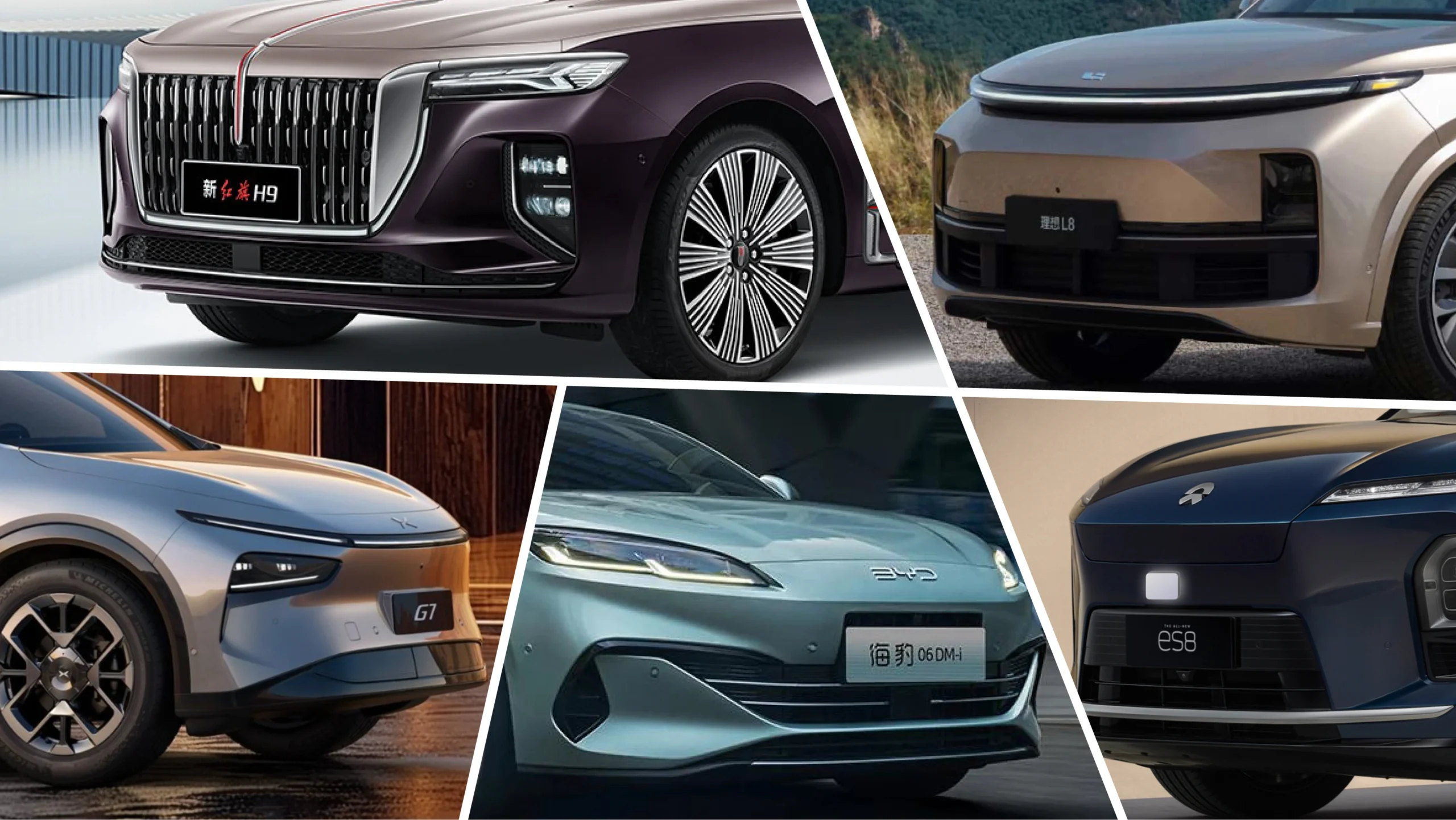
This category is changing quickly. Porsche, Mercedes-Benz and other established luxury automakers now compete with EV-focused companies such as Lucid, while Chinese manufacturers are increasingly challenging established brands in electric vehicles.
Luxury Car Brands by Country
German Luxury Car Brands
The major German names include Mercedes-Benz, BMW, Audi and Porsche. They are particularly associated with engineering, performance, technology and premium interiors.
Japanese Luxury Car Brands
The best-known Japanese luxury marques are Lexus, Acura and Infiniti. Lexus has the strongest global luxury presence among them, while Acura and Infiniti continue to occupy important premium positions.
British Luxury Car Brands
Britain is home to some of the world’s most prestigious luxury names, including Rolls-Royce, Bentley, Aston Martin and Range Rover.
Their identities differ considerably, from ultra-luxury craftsmanship to high-performance grand touring and luxury SUVs.
Italian Luxury Car Brands
Italy is strongly associated with exotic and performance-focused luxury. Major names include Ferrari, Lamborghini and Maserati.
American Luxury Car Brands
Cadillac and Lincoln remain the major American luxury marques. Cadillac in particular is pushing further into high-end, technology-heavy vehicles, including its hand-built electric Celestiq.
Korean Luxury Car Brand
Genesis is the major Korean luxury marque and has quickly established itself as a serious alternative to established European and Japanese brands.
Where Do Premium, Luxury, Ultra-Luxury and Exotic Brands Fit?
| Tier | What it generally means | Examples |
| Premium | Upscale features and materials | Acura, Lexus, Genesis |
| Luxury | Strong emphasis on refinement and technology | BMW, Mercedes-Benz, Audi |
| Ultra-luxury | Exceptional craftsmanship and exclusivity | Rolls-Royce, Bentley |
| Exotic/performance luxury | Extreme performance and exclusivity | Ferrari, Lamborghini, McLaren |
These categories are not official industry classifications. They are useful for understanding why comparing a Genesis directly with a Rolls-Royce can be misleading.
Why Porsche Is Both Performance and Luxury
Porsche is a good example of why automotive categories overlap. A 911 is fundamentally a performance car, while a Cayenne or Panamera can provide a much broader luxury experience.
The brand therefore sits comfortably between performance and traditional luxury.
Why Ferrari and Lamborghini Are Different
Ferrari and Lamborghini sell more than transportation or conventional luxury. Their appeal comes from performance, design, rarity, heritage and emotional value.
That makes them luxury brands, but not necessarily the best choice for someone whose priorities are low ownership costs or everyday practicality.
Are Luxury Cars Still Worth the Premium in 2026?
This is one of the most important questions for today’s buyer. Luxury brands are facing a new challenge: mainstream vehicles now offer technology, comfort and features that were once strongly associated with premium cars.
A recent report based on J.D. Power data found that more luxury buyers are moving toward mainstream brands because they can get similar technology and comfort at lower prices.
What the Luxury Badge Still Adds
The strongest argument for buying luxury remains the complete experience.
That includes:
- Better materials
- Brand heritage
- More sophisticated design
- Specialized service
- Stronger personalization
- Greater performance in some segments
- Exclusivity
When Paying More Makes Sense
The premium makes more sense when the buyer genuinely values those differences.
If you only want a large touchscreen and comfortable seats, a mainstream vehicle may now satisfy much of the requirement.
If you care about craftsmanship, driving character, personalization and brand identity, the luxury premium can be easier to justify.
What Is Changing in the Luxury Car Market in 2026?
The Shift Toward Luxury EVs
Electric power is becoming a major part of the luxury market. Luxury buyers increasingly expect fast acceleration, quiet cabins, advanced software and premium interiors, all of which fit naturally with EV development.
Ferrari’s rapid early sales of its first EV show that even traditional performance-luxury brands are entering this market.
Chinese Automakers Are Entering the Luxury Conversation
This is one of the biggest changes to watch. Chinese manufacturers are expanding internationally, particularly with electric vehicles. Reuters reported that Chinese vehicle exports surged in July 2026, while Chinese EVs have been gaining substantial market share in Europe.
Chinese luxury and premium-EV brands are also increasingly targeting the territory traditionally controlled by European manufacturers.
Software Is Becoming Part of Luxury
Luxury is no longer only about leather, wood and engine power. Digital interfaces, driver assistance, connectivity, intelligent climate systems and software updates increasingly shape the experience.
That creates a new challenge for established automakers: luxury must feel advanced as well as beautifully built.
Traditional Luxury Brands Are Adapting
The competition is becoming broader. European, Japanese and American luxury brands now face pressure from EV specialists, improving mainstream vehicles and rapidly developing Chinese manufacturers.
The brands that succeed will need to preserve their identity while continuing to innovate.
What Does It Really Cost to Own a Luxury Car?
The purchase price is only the beginning.
| Ownership factor | What to consider |
| Purchase price | Initial cost and financing |
| Insurance | Premiums can be higher |
| Maintenance | Scheduled servicing |
| Repairs | Parts and specialist labor |
| Depreciation | How quickly the car loses value |
| Resale | Expected value when sold |
| Warranty | Length and coverage |
| Service network | Dealer availability and convenience |
Maintenance and Repair Costs
Luxury cars can require specialized parts, tools and technicians.
That does not mean every luxury car is expensive to maintain, but buyers should check service costs for the specific model, not just the brand.
Depreciation and Resale Value
A high purchase price does not guarantee strong resale value.
Before buying, compare expected depreciation and local demand. A cheaper luxury vehicle that holds its value well can ultimately cost less than a more expensive vehicle with steep depreciation.
Warranty and Service Network
A good warranty is useful, but service availability matters too.
A technically excellent vehicle becomes less attractive if qualified service is difficult to find in your area.
How to Choose the Right Luxury Car Brand
If Reliability Matters Most
Start with Lexus and compare the exact model using current reliability data.
If Performance Matters Most
Look closely at Porsche, then consider Ferrari, Lamborghini or McLaren if your budget and intended use justify moving into the exotic segment.
If Comfort Matters Most
Mercedes-Benz and Lexus are strong starting points, while Bentley and Rolls-Royce occupy much higher luxury tiers.
If Value Matters Most
Genesis and Lexus deserve attention because they combine premium features with a more approachable luxury proposition.
If Maximum Prestige Matters Most
Rolls-Royce and Bentley sit near the top of the traditional luxury hierarchy, while Ferrari and similar marques bring a stronger performance identity.
If You Want a Luxury EV
Compare more than range.
Look at charging capability, software, interior quality, ride comfort, performance, warranty and the availability of service in your market.
How We Compare Luxury Car Brands
A useful luxury-brand comparison should combine objective information with clearly explained editorial judgment. The strongest approach is to examine reliability data, vehicle quality, ownership factors, performance, comfort, technology and current market positioning rather than simply choosing the brand with the highest price.
For example, the 2026 J.D. Power Initial Quality Study measured problems during the first 90 days of ownership and placed Porsche at the top, while separate long-term dependability research has continued to favor Lexus. Those results measure different things, which is exactly why a responsible ranking should explain its methodology rather than treat one survey as the final answer.
Most importantly, brand reputation should never replace model-specific research.
Final Verdict: Which Luxury Car Brand Is Best in 2026?
There is no single luxury car brand that wins every category. Lexus is a strong all-round choice for reliability and value. Genesis is appealing for modern luxury without the highest entry price. Porsche is the standout choice for performance, while BMW remains attractive to drivers who value handling. Mercedes-Benz excels at comfort and technology.
At the top end, Rolls-Royce and Bentley deliver a level of craftsmanship and exclusivity that ordinary luxury brands are not designed to match. Ferrari adds extreme performance and exclusivity to the equation. And in 2026, the definition of luxury is changing. Electric power, software, personalization and technology are becoming just as important as traditional materials and prestige. The best choice, ultimately, is not the most expensive badge. It is the luxury car brand that best matches what you actually want from the ownership experience.
Frequently Asked Questions
What are the best luxury car brands in 2026?
The strongest choices depend on the priority. Lexus is particularly strong for reliability and value, Porsche for performance, Mercedes-Benz for comfort and technology, Genesis for modern value-oriented luxury, and Rolls-Royce for ultra-luxury.
What is the most reliable luxury car brand?
Lexus is one of the strongest choices for reliability. Current 2026 reporting based on major dependability studies continues to place Lexus at the top of the luxury category.
What is the most prestigious luxury car brand?
Rolls-Royce is one of the clearest answers when prestige, craftsmanship, exclusivity and personalization are the main criteria.
Is Porsche a luxury car brand?
Yes, although Porsche also has a strong performance identity. Its lineup spans sports cars, SUVs and other vehicles that combine luxury with performance.
Is Lexus a luxury car brand?
Yes. Lexus is Toyota’s luxury marque and competes directly in the premium and luxury market with brands such as BMW, Mercedes-Benz and Audi.
What is the difference between premium and luxury car brands?
Premium generally describes vehicles positioned above mainstream models, while luxury places greater emphasis on refinement, craftsmanship, technology, comfort, prestige and the overall ownership experience.
Which luxury car brand is best for the money?
Genesis and Lexus are strong places to start. The better choice depends on purchase price, equipment, reliability, depreciation, maintenance and the specific model being considered.