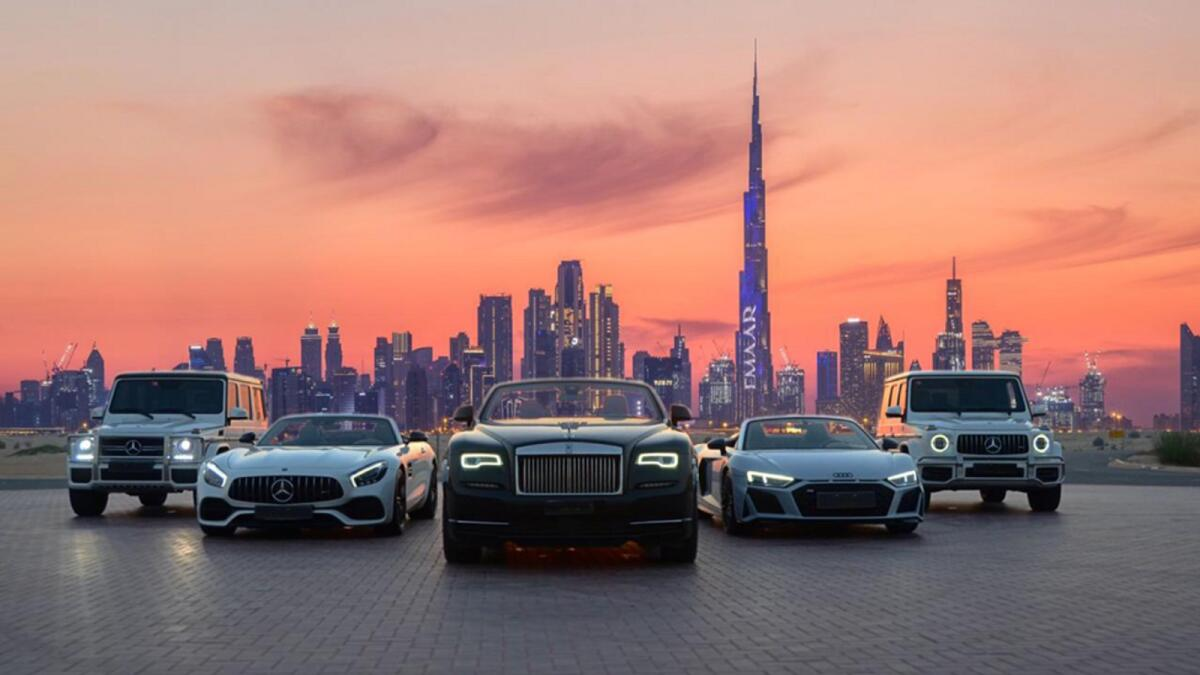
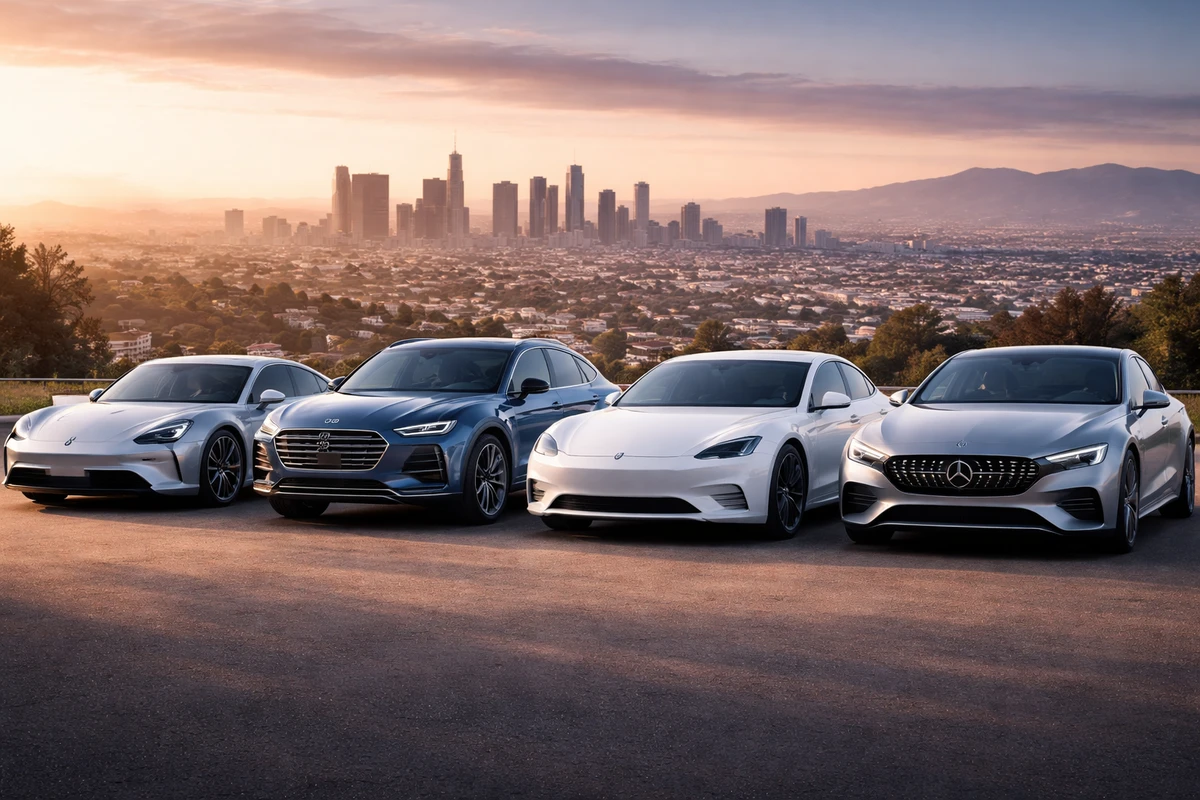
Buying a luxury car can look simple from the outside. You see a polished badge, a beautiful cabin, a long equipment list, and a price far above an ordinary family car. Then you start comparing them. One brand focuses on reliability, another on driving performance, another on technology, and another makes the entire ownership experience feel exclusive. That is where choosing among luxury car brands gets complicated.
For BrassSmile readers, the useful question is not simply, “Which badge is the most expensive?” It is, “What does each automaker actually do better?” This comparison looks at the leading premium and luxury automobile brands through reliability, technology, performance, comfort, ownership costs, resale value, electrification, and brand identity. It also separates established leaders such as BMW, Mercedes-Benz and Lexus from challengers such as Genesis and Lucid.
Luxury Car Brands in 2026
Luxury car brands distinguish themselves through materials, engineering, technology, exclusivity, and a higher level of customer service. In 2026, Lexus stands out for dependability, BMW for sales momentum and driving-oriented luxury, Mercedes-Benz for technology and comfort, Porsche for performance, Genesis for value, and Lucid for electric range and technology.
The luxury market is also changing quickly as EVs, software, driver assistance and personalization become more important. At the same time, premium vehicles have shown higher dependability problems than mass-market vehicles in J.D. Power’s 2026 study. That means the best luxury brand depends heavily on what you value rather than on one universal ranking.
Key Takeaways
- Lexus leads premium brands in J.D. Power’s 2026 dependability study with 151 problems per 100 vehicles (PP100).
- BMW led the U.S. luxury market in H1 2026 with 186,944 sales, up 4.7% year over year.
- Mercedes-Benz remains particularly strong in comfort, technology and flagship luxury.
- Porsche is the strongest choice when performance and driving character matter most.
- Genesis offers a value-focused alternative to established German luxury brands.
- Lucid has become an important luxury EV challenger, particularly for long driving range.
- Luxury ownership can cost substantially more, while advanced software and infotainment can introduce additional reliability concerns.
What Car Brands Are Considered Luxury?
Luxury car brands include Mercedes-Benz, BMW, Audi, Lexus, Porsche, Genesis, Cadillac, Lincoln, Acura, Infiniti, Volvo, Jaguar, Land Rover, Tesla, Lucid, Rolls-Royce, Bentley, Ferrari, Lamborghini, Maserati, Aston Martin and McLaren. The exact boundary is debated, particularly for Tesla and premium brands such as Acura and Volvo.
What Makes Luxury Car Brands Different?
A high price alone does not make a vehicle luxurious. The strongest premium car brands generally compete across five areas: craftsmanship, engineering, technology, exclusivity and ownership experience.
Craftsmanship and Materials
Luxury vehicles typically place greater emphasis on cabin materials, assembly quality, sound insulation and overall refinement. Leather, genuine wood, metal trim, carbon fiber, quieter cabins and carefully finished interiors are common ways manufacturers create a more upscale experience.
Engineering and Performance
Luxury automakers also use sophisticated suspension systems, refined powertrains and advanced chassis engineering. The goal is not always maximum horsepower. For some brands, luxury means effortless acceleration, smooth ride quality and precise control.
Technology
Advanced driver assistance, premium audio, sophisticated infotainment, over-the-air updates and increasingly automated driving systems have become major differentiators.
J.D. Power’s 2026 study, however, shows the downside of this technology-heavy approach: infotainment was the industry’s most problematic category at 56.7 PP100.
Exclusivity and Heritage
Brand history matters, too. Rolls-Royce and Bentley compete heavily through craftsmanship and personalization, while Ferrari, Lamborghini, Aston Martin and McLaren build much of their appeal around performance and exclusivity.
Ownership Experience
Luxury can continue after you leave the showroom. Concierge-style service, loaner vehicles, premium waiting areas, pickup and delivery services, scheduled maintenance programs and personalized assistance can all contribute to the ownership experience.
Luxury Car Brands Compared: What Does Each One Stand Out For?
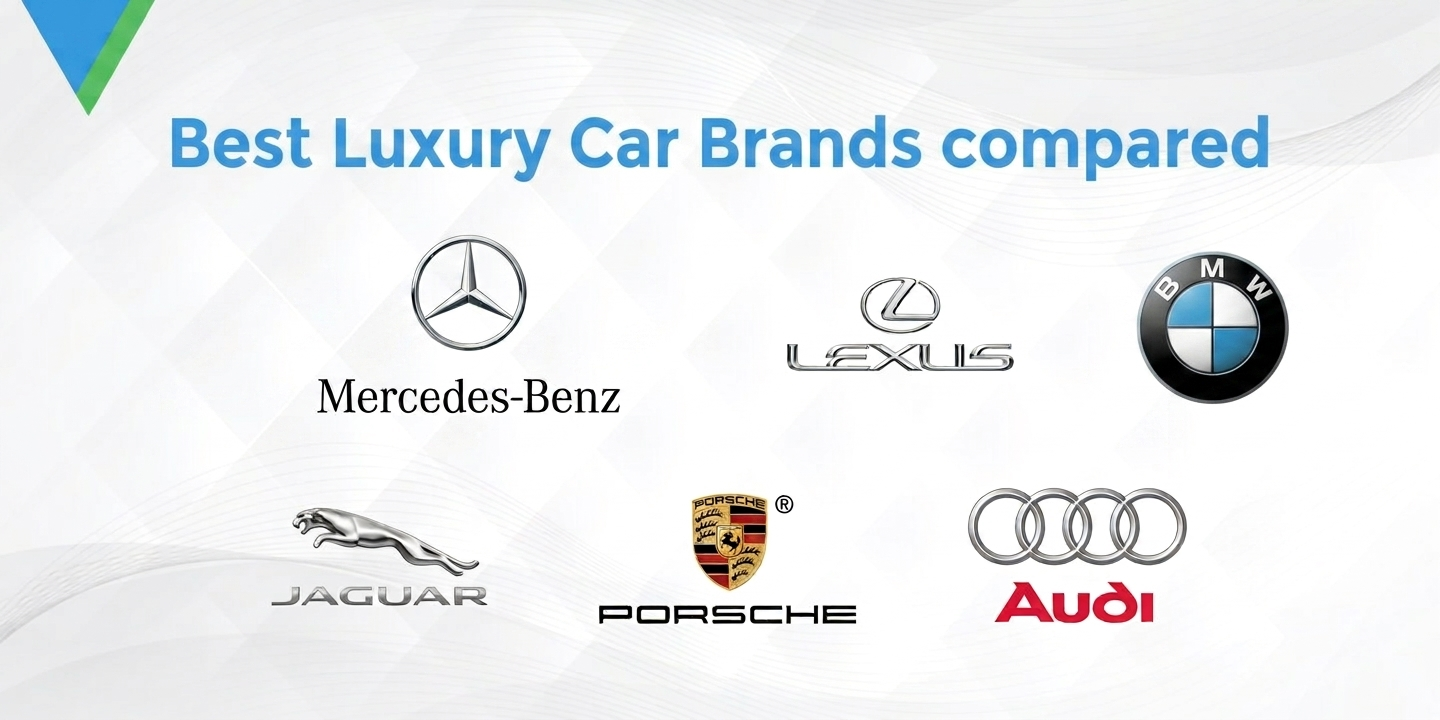
There is no single winner across every category. Each major brand has developed a recognizable identity.
| Brand | What it stands out for | Best suited to |
| BMW | Driving dynamics, technology and strong sales momentum | Drivers who want performance-oriented luxury |
| Mercedes-Benz | Comfort, technology and prestige | Buyers seeking refined executive luxury |
| Lexus | Dependability, comfort and hybrid expertise | Long-term ownership and reliability |
| Audi | Technology, design and refined German engineering | Buyers wanting understated premium luxury |
| Porsche | Performance and sports-car engineering | Enthusiast drivers |
| Genesis | Value, interior quality and competitive luxury | Buyers seeking more for their money |
| Cadillac | American luxury and strong dependability ranking | Buyers wanting a domestic luxury brand |
| Volvo | Safety and Scandinavian design | Safety-focused buyers |
| Lucid | EV technology and long range | Luxury EV shoppers |
| Rolls-Royce | Bespoke craftsmanship and exclusivity | Ultra-luxury buyers |
| Bentley | Bespoke luxury with performance | Buyers wanting traditional ultra-luxury |
| Ferrari | Exotic performance and exclusivity | Performance-focused collectors |
These descriptions are best viewed as brand positioning rather than universal judgments. Individual models can differ substantially within the same company.
BMW: The Driver-Focused Luxury Leader
BMW combines luxury with a strong performance identity. That positioning is reflected in the brand’s current U.S. sales performance. BMW delivered 186,944 vehicles in the first half of 2026, up 4.7% year over year, according to The Weekly Driver. Lexus followed with 169,712 and Mercedes-Benz with 163,000.
BMW’s lineup also spans conventional combustion models and EVs such as the i7. The 7 Series and i7 represent the brand’s flagship luxury approach, while models such as the 5 Series offer a more accessible executive-car experience.
Best for: buyers who want luxury without giving up a strong driver-focused character.
Mercedes-Benz: Comfort, Technology and Prestige
Mercedes-Benz has long built its identity around sophisticated comfort and executive luxury. The S-Class remains the clearest expression of that philosophy, combining advanced technology, premium materials, refined ride quality and driver-assistance features.
Mercedes also demonstrates how quickly luxury technology is changing. DRIVE PILOT brings Level 3 conditional automated driving capability to approved situations and markets.
Best for: buyers who prioritize comfort, technology and traditional luxury prestige.
Lexus: The Reliability Benchmark
If reliability is near the top of your shopping list, Lexus deserves serious attention. J.D. Power ranked Lexus highest among premium brands in its 2026 Vehicle Dependability Study, with 151 PP100, a finding drawn from the organization’s official 2026 U.S. Vehicle Dependability Study, which surveyed over 33,000 original owners of three-year-old vehicles.
Consumer Reports also places Lexus strongly among luxury brands, ranking it third among luxury brands in its 2026 brand rankings and third for new-car reliability. Lexus also benefits from Toyota’s extensive experience with hybrid powertrains.
Best for: buyers who want a quieter luxury experience with a strong emphasis on dependability and long-term ownership.
Porsche: When Performance Comes First
Porsche occupies a different position from many conventional luxury automakers. Its strongest selling point is performance engineering. The 911 remains an iconic sports car, while the Taycan demonstrates how Porsche has transferred that performance philosophy into electric vehicles.
The 2026 Taycan starts around $108,050 in the supplied research and offers high-performance variants alongside fast charging capability. Porsche also performed strongly in J.D. Power’s 2026 dependability rankings, placing third among premium brands at 182 PP100.
Best for: drivers who want luxury but consider driving enjoyment essential.
Genesis: The Value Challenger
Genesis is one of the more interesting newer luxury automobile brands. Hyundai’s luxury division was spun off as a standalone brand in 2017. Since then, Genesis has competed by combining premium interiors, technology and competitive pricing.
Its 2026 U.S. sales reached 39,088 units in H1, up 5%, according to The Weekly Driver. That growth does not make Genesis the largest luxury brand, but it shows why the brand deserves attention.
There is also an important caution: Consumer Reports’ 2026 brand report placed Genesis at number 21 overall and reported that none of its models earned an average or better reliability score in that assessment.
That growth does not make Genesis the largest luxury brand, but it shows why the brand deserves attention — a similar value-over-prestige mindset shapes many of the top businesses to start in 2026, where smart positioning often beats brand recognition.
Best for: buyers attracted to modern luxury design and equipment without automatically choosing the traditional German leaders.
How Reliable Are Luxury Car Brands in 2026?
Luxury does not automatically mean more reliable. That is one of the most important lessons from current data. J.D. Power’s 2026 Vehicle Dependability Study found that premium vehicles averaged 217 PP100, which was 17 PP100 worse than mass-market vehicles. It was also the highest premium-vehicle problem level since the study’s 2022 redesign.
The study covered 33,268 original owners of 2023 model-year vehicles after three years of ownership. Lexus led premium brands at 151 PP100, followed by Cadillac at 175 and Porsche at 182.
The Technology Trade-Off
Modern luxury vehicles contain more software and electronics than previous generations. That creates impressive capabilities, but it also creates more opportunities for problems.
J.D. Power found infotainment to be the most problematic category at 56.7 PP100. Connectivity issues, including smartphone integration, were particularly significant. This is an overlooked part of luxury ownership: a more advanced car can sometimes mean a more complicated ownership experience.
Luxury EVs vs. Gas-Powered Luxury Cars
Electric vehicles have changed the definition of luxury. An EV can deliver quiet operation, instant acceleration and sophisticated software without relying on a traditional engine and transmission.
Lucid is one of the clearest examples. The Lucid Air in the supplied research offers up to 512 miles of EPA range, giving the company a major range-focused selling point. Porsche takes another approach. The Taycan emphasizes performance and charging capability, with the supplied research citing up to 320 kW peak charging.
However, EV reliability is not automatically better. J.D. Power reported 237 PP100 for BEVs, compared with 198 PP100 for gas-powered vehicles in its 2026 dependability study.
That does not mean an EV is a bad choice. It means you should evaluate charging access, software maturity, service availability and model-specific reliability alongside range and performance.
Who Should Choose a Luxury EV?
A luxury EV makes the most sense if you have dependable charging access and value quiet operation, instant performance and advanced technology. It can be especially attractive if most of your driving fits within the vehicle’s practical range.
Who Should Be More Cautious?
Be more careful if you live far from qualified service facilities or regularly travel through areas with limited charging infrastructure. You should also research the specific model year rather than assuming that every EV from the same brand has identical reliability.
What About Luxury SUVs?
SUVs have become central to the luxury market. The familiar names include the BMW X5 and X7, Mercedes-Benz GLE and GLS, Lexus RX and GX, Porsche Cayenne, Genesis GV70 and GV80, and Range Rover products.
The appeal is straightforward: buyers get the seating position, cargo flexibility and road presence of an SUV while retaining luxury materials and technology. That shift has also changed what a luxury brand needs to offer. A modern premium automaker cannot rely only on flagship sedans.
The Real Cost of Owning a Luxury Car
The purchase price is only the beginning. Insurance, depreciation, maintenance, repairs, tires, fuel or electricity and financing can all change the true cost of ownership.
Reported costs vary dramatically. For example, the supplied research cites approximately $18,304 in maintenance and repairs over 10 years for Land Rover, while a reported Mercedes example reaches approximately $12,900 annually. A Maserati Quattroporte estimate reaches about $164,456 over five years. These figures are model- and source-specific rather than universal brand costs.
That distinction matters. You should never treat one repair estimate as the typical cost of owning every vehicle from a particular luxury brand.
Depreciation Can Change the Calculation
Luxury vehicles can depreciate quickly, although some models hold their value considerably better. Lexus and Porsche are commonly highlighted for stronger resale performance.
The supplied 2026 resale examples show a Lucid Air Grand Touring at about $78,000 after starting around $138,000, while a Porsche Taycan was around $52,000 from a roughly $90,900 starting point. The lesson is simple: compare the purchase price with expected resale value rather than looking only at the showroom price.
Three Overlooked Questions to Ask Before Choosing a Luxury Brand
1. How Good Is the Local Service Network?
A technically impressive luxury car is less appealing if qualified service is hours away. This matters particularly with niche EV and ultra-luxury brands, where service networks can be much smaller. Before buying, identify the nearest authorized service location and ask how routine maintenance and major repairs are handled.
2. Is the New Technology Mature Yet?
New luxury vehicles often introduce new software, electrical systems and redesigned platforms. Consumer Reports’ 2026 automotive report card specifically advises reliability-conscious shoppers to be cautious with newly introduced or newly redesigned vehicles in their first model year. For a luxury buyer, waiting can sometimes be a better decision than being the first owner of a completely new platform.
3. Are You Paying for Features You Will Actually Use?
A 31-inch rear entertainment screen sounds impressive. So does advanced automated driving, premium audio and a huge infotainment display. But if you rarely use those features, they should not automatically justify a higher purchase price. Luxury works best when the features improve your daily life rather than simply expanding the equipment list.
Luxury vs. Premium: Are They the Same Thing?
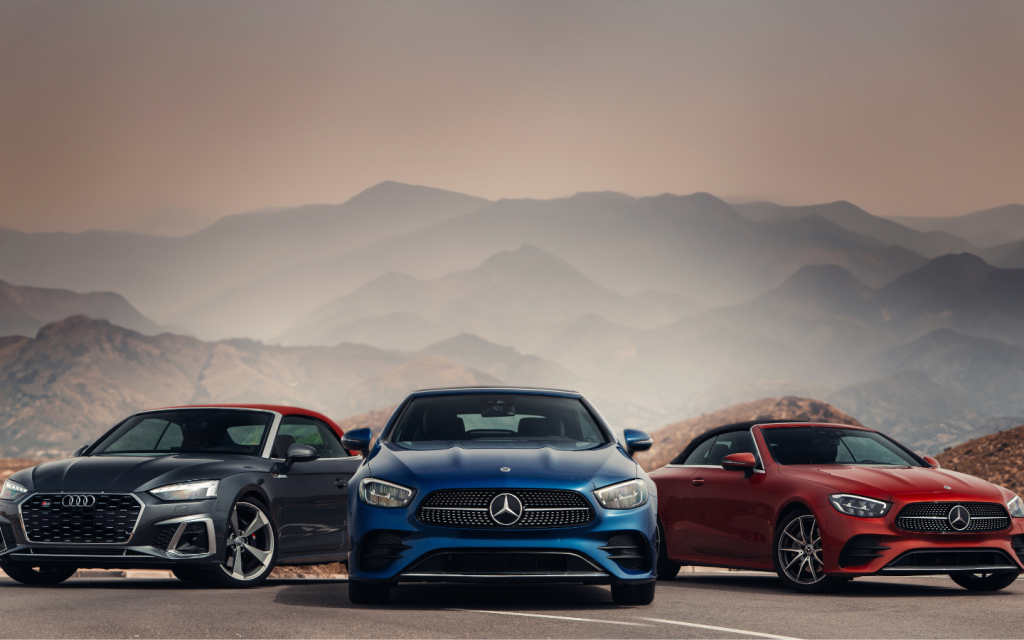
The terms premium car brands and luxury brands are often used interchangeably. However, the market can be divided into broad levels.
| Category | Typical characteristics | Examples |
| Premium/near-luxury | Better materials, equipment and refinement than mainstream cars | Acura, Volvo |
| Luxury | Strong brand identity, advanced technology, premium materials and ownership experience | BMW, Mercedes-Benz, Lexus, Audi |
| Ultra-luxury | Bespoke craftsmanship, very high prices and extreme exclusivity | Rolls-Royce, Bentley |
| Exotic/hypercar | Extreme performance, rarity and exclusivity | Ferrari, Lamborghini, Pagani, Koenigsegg |
The boundaries are not official and can overlap. That is why debates about brands such as Tesla are difficult. Tesla has high prices, strong performance and advanced software, but some analysts question whether its interiors and build quality fit traditional definitions of luxury.
Which Luxury Car Brand Is Best for You?
There is no honest single winner.
Instead, match the brand to the reason you are buying the car.
| Your priority | Strong candidates |
| Reliability | Lexus |
| Driving performance | Porsche |
| Technology and executive luxury | Mercedes-Benz |
| Driver-focused luxury | BMW |
| Luxury value | Genesis |
| Long-range EV | Lucid |
| Safety-focused design | Volvo |
| American luxury | Cadillac |
| Bespoke exclusivity | Rolls-Royce |
| Traditional ultra-luxury | Bentley |
| Exotic performance | Ferrari |
This is a better way to interpret the best luxury automakers than simply ranking badges from first to last.
How to Choose Among Luxury Car Brands in 2026
Use this five-step process before signing a purchase agreement.
1. Decide What Matters Most
Choose your top three priorities. They might be reliability, performance, comfort, technology, resale value, EV range or exclusivity.
2. Compare Specific Models
Do not stop at the brand level. A reliable brand can still produce a particular model with different reliability characteristics, and a performance-focused brand can sell vehicles designed primarily for comfort.
3. Calculate Ownership Cost
Add expected insurance, maintenance, charging or fuel, financing and depreciation. Do not rely on one internet estimate. Get local service pricing where possible.
4. Check Service Access
Find the closest authorized dealer or service facility. For less-established EV and ultra-luxury brands, this step becomes especially important.
5. Think Beyond the First Three Years
Ask what happens after the warranty period. A luxury vehicle that feels perfect on delivery day may become much less attractive if maintenance, depreciation or software problems make ownership difficult later.
Who Should Buy a Luxury Car?
A luxury vehicle makes sense when you genuinely value the differences that luxury brands provide. That could mean a quieter cabin, better materials, advanced technology, superior performance or a more personalized ownership experience.
It also makes sense when you have enough budget flexibility to handle maintenance, insurance and depreciation without putting pressure on your finances.
Who Should Avoid a Luxury Car?
You should think twice if the badge is your main reason for buying. A mainstream vehicle with a premium trim can now provide many features that were once exclusive to luxury cars.
You should also reconsider the purchase if you cannot comfortably afford maintenance or if the nearest qualified service center is inconveniently far away.
Where Luxury Car Brands Are Heading Next
The next few years will likely reshape the market further. The supplied market forecasts project the global luxury car market toward approximately $1.006 trillion by 2030, with electric vehicles, advanced automation and emerging markets among the major growth drivers.
SUVs are expected to remain a major part of the segment, while sedans continue to matter for executive and flagship buyers. Software will also become more important. Over-the-air updates, AI-assisted systems, connected services and advanced driver assistance are increasingly becoming part of the luxury proposition.
At the same time, brands will have to solve the reliability problems created by that additional complexity. Chinese luxury and EV brands such as NIO and Zeekr are also expected to increase competitive pressure, particularly in Asian markets.
Practical Application: A Smarter Luxury-Car Shortlist
If you are shopping right now, start with five brands rather than twenty, a disciplined shortlist approach that works just as well when planning a big trip, similar to how we narrow choices in our bucket list travel guide. Pick one reliability-focused option such as Lexus, one performance-focused option such as Porsche, one technology or executive-luxury option such as Mercedes-Benz or BMW, one value challenger such as Genesis, and one EV-focused option such as Lucid.
Then compare equivalent models on five points: purchase price, warranty and service, expected ownership costs, resale prospects and the features you will actually use. Finally, drive the finalists back-to-back.
That last step matters because specifications cannot tell you everything about seating comfort, ride quality, visibility, steering feel or how intuitive the cabin feels.
Common Mistakes to Avoid
- Choosing a brand solely because its badge is prestigious.
- Assuming every luxury model from the same brand has identical reliability.
- Ignoring depreciation.
- Comparing advertised prices without considering options.
- Buying an EV without checking local charging and service access.
- Assuming more technology automatically means a better car.
- Treating a single maintenance estimate as a universal ownership cost.
- Buying a first-generation or newly redesigned model without considering early reliability data.
What Makes the Best Luxury Automobile Brands Stand Out?
The strongest luxury automobile brands are no longer competing only on leather seats and powerful engines. They are competing on the entire experience. Lexus demonstrates how important dependability remains. BMW shows the strength of combining performance with premium appeal. Mercedes-Benz continues to push executive comfort and technology, while Porsche protects the enthusiast side of luxury.
Genesis and Lucid show that the old hierarchy is not fixed. Newer brands can challenge established automakers by focusing on value, electrification, software or range.
That is why the best choice among luxury car brands depends on what you expect from ownership. The right badge is the one whose strengths match your priorities without creating ownership compromises you will regret later. Sometimes the most luxurious decision is not buying the most expensive car. It is choosing the one that still feels right after the excitement of the first week has disappeared.
Conclusion
Luxury car brands offer different strengths, from Lexus reliability and Porsche performance to Mercedes-Benz technology and Lucid’s electric range. There is no single best brand for everyone. Choose the one that fits your budget, driving needs, comfort preferences, and ownership priorities. At BrassSmile, the simple takeaway is this: true luxury is not just the badge, it is how well the car fits your life.
Frequently Asked Questions
What car brands are considered luxury?
Common luxury brands include BMW, Mercedes-Benz, Audi, Lexus, Porsche, Genesis, Cadillac, Volvo, Acura, Jaguar, Land Rover, and Lincoln. Rolls-Royce and Bentley sit in the ultra-luxury category, while Ferrari and Lamborghini focus more on exotic performance.
Is Tesla a luxury car brand?
Tesla is often debated as a luxury brand. It offers high prices, strong performance, and advanced technology, but some analysts question its interior quality and traditional luxury appeal.
What is the most reliable luxury car brand?
Lexus is the strongest choice based on J.D. Power’s 2026 Vehicle Dependability Study. It ranked first among premium brands with 151 problems per 100 vehicles.
What is the best luxury car brand?
There is no single best brand for everyone. Lexus is known for reliability, Porsche for performance, Mercedes-Benz and BMW for technology, Genesis for value, and Lucid for electric driving.
Are luxury cars worth the extra cost?
They can be worth it if you value better materials, comfort, technology, and performance. However, mainstream cars now offer many similar features, so compare total ownership costs before buying.
Do luxury cars depreciate faster?
Many luxury cars lose value faster than mainstream vehicles, but it depends on the model. Lexus and Porsche generally have stronger resale reputations than many competitors.
What luxury car brand is made by Toyota?
Lexus is Toyota’s luxury division. It launched in 1989 and is particularly known for reliability, comfort, and hybrid vehicles.
Are luxury electric cars better than gas luxury cars?
Neither is automatically better. EVs offer quiet driving, quick acceleration, and modern technology, while gas-powered cars can provide easier refueling and currently show fewer reported problems in J.D. Power’s 2026 data.
What luxury car should I avoid in 2026?
Don’t judge only by the brand. Check the specific model’s reliability, maintenance costs, service network, and first-year history before buying.