
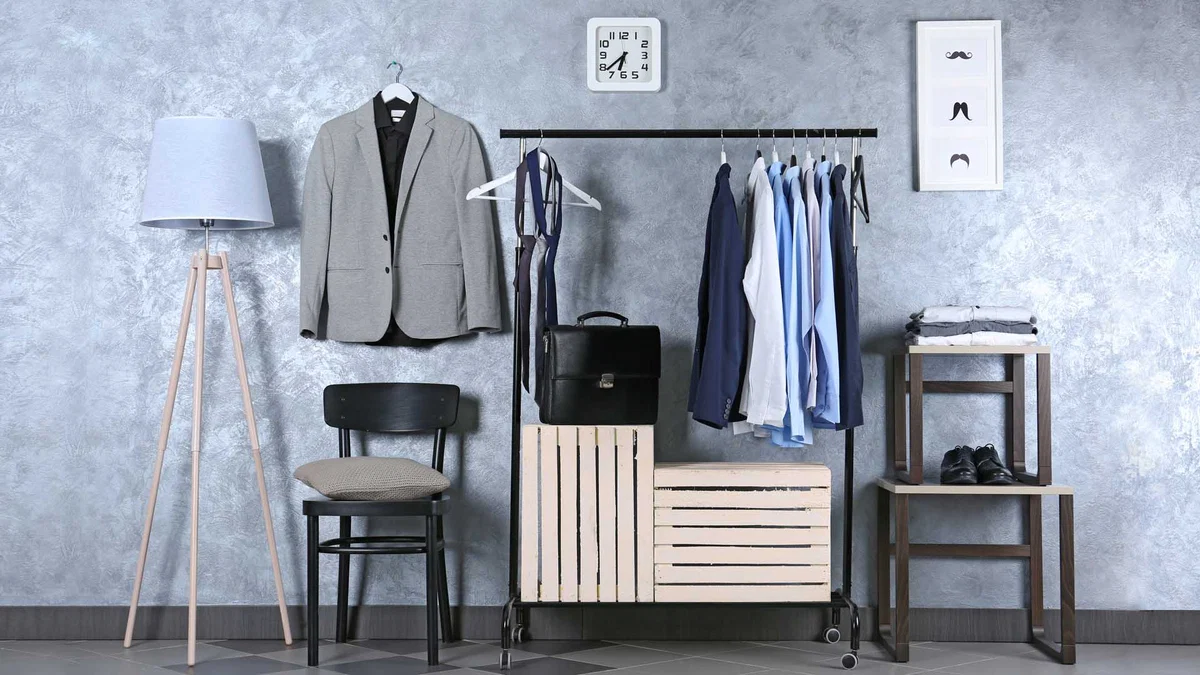
You can have a closet packed with clothes and still stand in front of it thinking, “I have nothing to wear. Zusually isn’t a clothing problem. It is a coordination problem.
A few well-fitting shirts, dependable pants, versatile shoes, and layers that work together can create more useful outfits than a closet full of pieces you rarely wear. That is the idea behind a men’s capsule wardrobe.
This guide breaks that idea into 30 practical pieces. The goal isn’t to make every man own exactly 30 items. It is to show you how to build a smaller, more flexible wardrobe that works for everyday life, work, travel, different seasons, and your personal style.
Men’s Capsule Wardrobe: The Short Answer
A men’s capsule wardrobe is a carefully selected collection of versatile clothing that works together to create many outfits. A practical 30-piece capsule can include tops, shirts, knitwear, pants, outerwear, shoes, and accessories. The best capsule is not simply the smallest one; it is the one that fits your lifestyle, climate, body, and daily needs.
Why a Capsule Wardrobe Works for Men
Most men repeatedly reach for the same reliable clothes.
A favorite T-shirt, comfortable jeans, clean sneakers, an Oxford shirt, or a dependable jacket often gets worn far more than the rest of the closet.
A capsule wardrobe takes that reality and makes it intentional.
Instead of buying clothes because they look good individually, you choose pieces that work with several other items. A shirt should not need one specific pair of pants. Your shoes should work with multiple outfits. Your jacket should make sense with both casual and smarter clothing.
That makes getting dressed easier while reducing unnecessary shopping and clutter.
And minimalist does not have to mean boring. A simple base can still have personality through color, texture, fit, accessories, and layering. Even a small detail from a brand such as BrassSmile can add character without making the entire wardrobe complicated.
Key Takeaways
- A capsule wardrobe is about versatility, not simply owning less.
- Thirty pieces provide a useful starting framework, not a universal rule.
- Neutral and complementary colors make mixing easier.
- Start with clothes you already own before shopping.
- Good fit is more important than having more options.
- Your job, climate, travel habits, and lifestyle should influence the final capsule.
- Buy slowly and replace genuine gaps rather than rebuilding your closet overnight.
How Many Pieces Should a Men’s Capsule Wardrobe Have?
There is no official number for a capsule wardrobe. Some men may prefer a very small collection, while others need more clothes because they work in an office, experience several seasons, travel frequently, or have different dress requirements.
| Capsule Size | Best For | Main Trade-Off |
| 10–15 pieces | Extreme minimalists | Very limited variety |
| 15–20 pieces | Simple everyday wardrobes | Less flexibility |
| 20–30 pieces | Most minimalist lifestyles | Requires thoughtful coordination |
| 30–40 pieces | Multiple seasons and occasions | More choices and maintenance |
For this guide, 30 pieces is a practical middle ground. It gives you enough variety for everyday dressing without turning the capsule into another oversized closet.
The important point is not reaching the number at all costs. If your lifestyle genuinely requires 35 useful pieces, forcing yourself down to 30 does not make your wardrobe better.
What Makes a Piece Essential to a Men’s Capsule Wardrobe?
Before adding something to your capsule, ask five simple questions.
- Does it fit well? A versatile item that fits badly will still be difficult to wear.
- Can I wear it in different situations? Look for pieces that work across several outfits.
- Does it coordinate with what I already own? One great shirt is less useful if nothing matches it.
- Will I actually wear it? Your real lifestyle matters more than an idealized wardrobe.
- Does it suit my climate and routine? A heavy coat makes little sense if you live somewhere warm year-round.
These rules help separate genuine essentials from clothes that simply look appealing in a store.
The 30 Essential Pieces for a Men’s Capsule Wardrobe
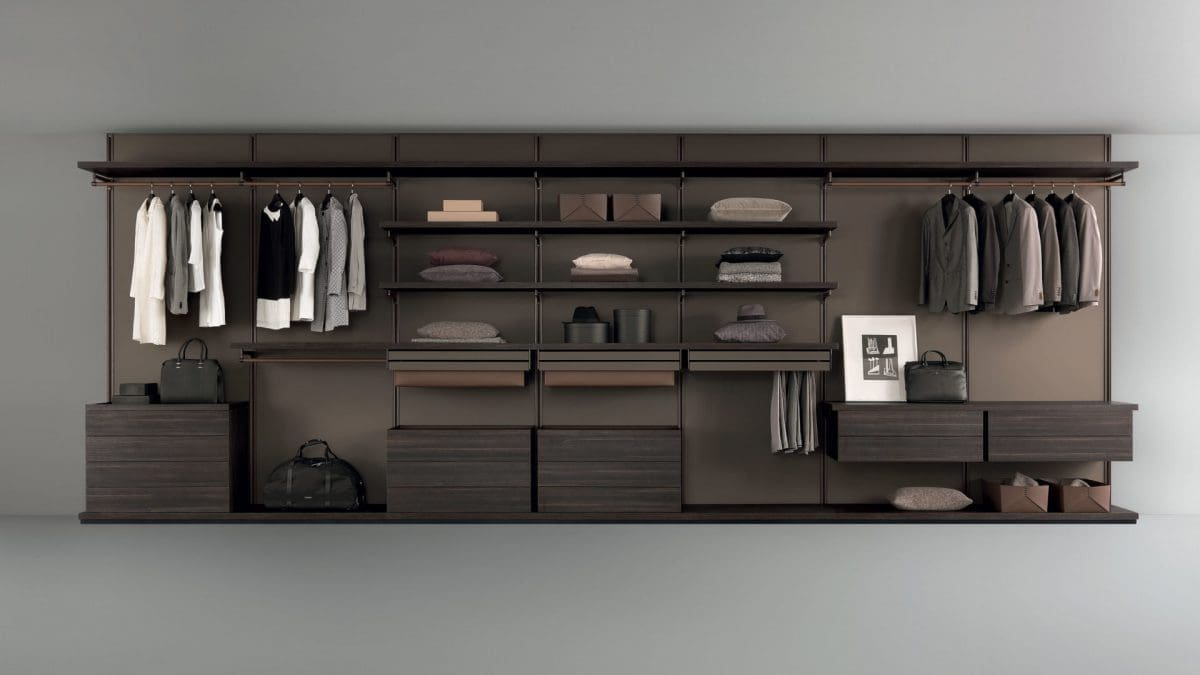
The following list is a practical framework. You can adjust colors, fabrics, and individual pieces to suit your lifestyle.
T-Shirts and Casual Tops
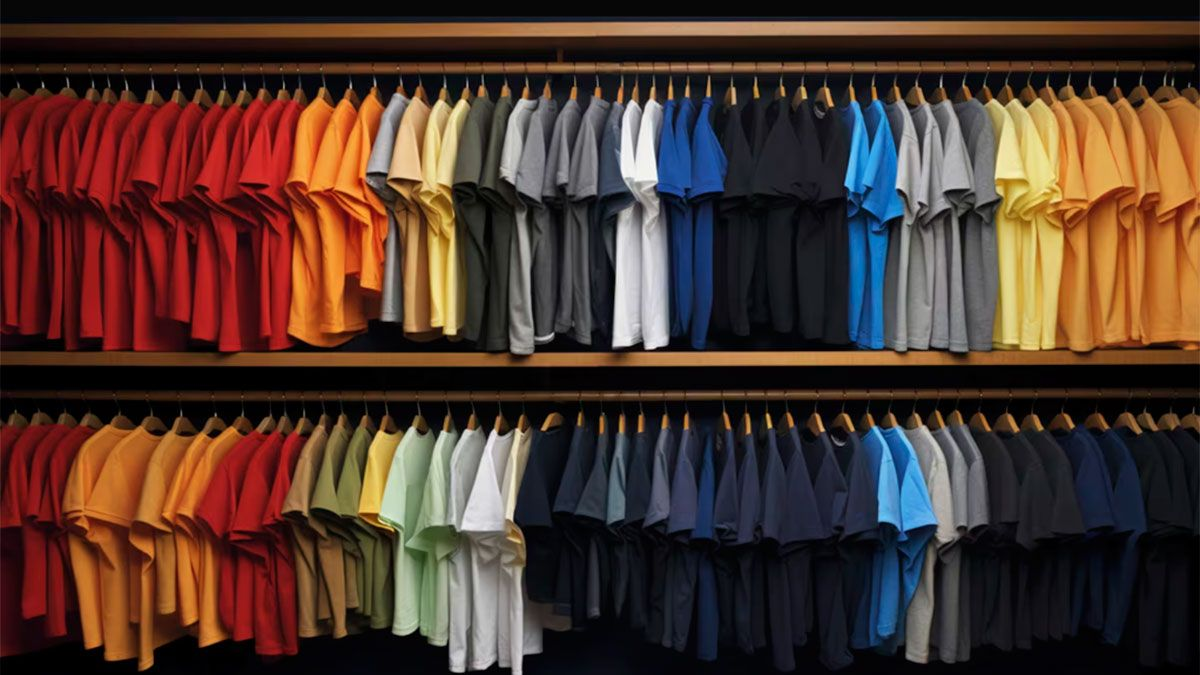
1. White T-Shirt
A clean white T-shirt is one of the most useful foundations in a men’s capsule wardrobe. It can work with jeans, chinos, shorts, overshirts, jackets, and sneakers.
Choose a fit that sits comfortably on the shoulders without being excessively tight or oversized.
2. Gray or Navy T-Shirt
A second neutral T-shirt gives you variety without introducing another difficult color.
Gray works well with black, navy, denim, and earth tones. Navy provides a slightly richer alternative to black.
3. Neutral Long-Sleeve T-Shirt
A long-sleeve T-shirt fills the space between a basic tee and heavier knitwear.
Choose a neutral shade that layers easily under jackets and overshirts.
4. Polo Shirt
A polo adds a slightly smarter option while remaining comfortable.
It works particularly well for casual offices, dinners, travel, warm-weather events, and occasions where a T-shirt feels too relaxed.
Shirts and Smart-Casual Tops
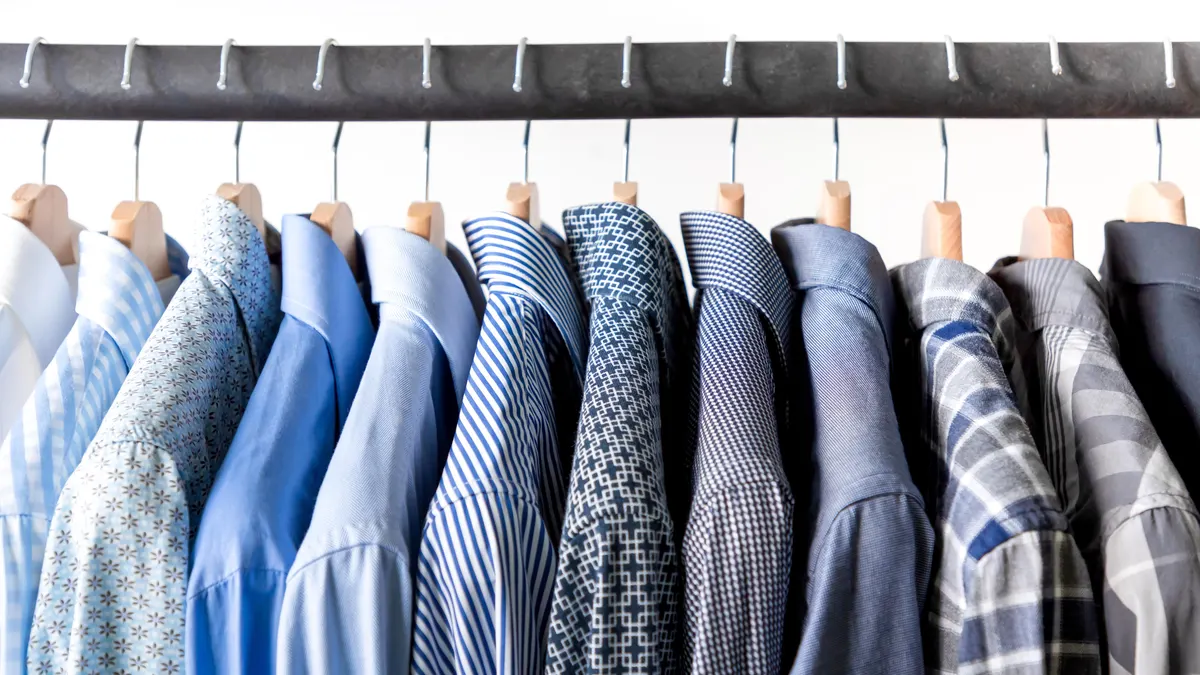
5. White Oxford Shirt
The Oxford shirt can move between casual and polished outfits.
Wear it with jeans and sneakers for a relaxed look or trousers and smarter shoes when you need to look more refined.
6. Light-Blue Button-Down Shirt
Light blue adds color without becoming difficult to coordinate.
It works especially well with navy, gray, beige, brown, white, and denim.
7. Casual or Chambray Shirt
A casual button-up gives your capsule more texture.
It can be worn open over a T-shirt, buttoned with chinos, or layered underneath a jacket.
8. Versatile Overshirt
An overshirt is useful when you want more structure than a shirt but less formality than a jacket.
Choose a neutral color and a weight appropriate for your climate.
Knitwear and Mid-Layers
9. Crew-Neck Sweater
A simple crew-neck sweater adds warmth and polish.
Gray, navy, beige, or another neutral color usually gives you the most combinations.
10. Lightweight Knit
A lightweight knit is useful for transitional weather.
It can replace a sweatshirt when you want a cleaner appearance and can easily layer underneath outerwear.
11. Cardigan or Quarter-Zip
Choose whichever fits your personal style.
A cardigan provides a softer, classic layer, while a quarter-zip offers a more casual and sporty appearance.
Pants and Bottoms
12. Dark Jeans
Dark jeans are one of the strongest foundations for a men’s capsule wardrobe.
They can look casual with sneakers or considerably smarter with an Oxford shirt and structured jacket.
13. Mid-Wash Jeans
A mid-wash pair gives you a lighter, more relaxed denim option.
Keep the cut simple so it remains useful across different seasons and trends.
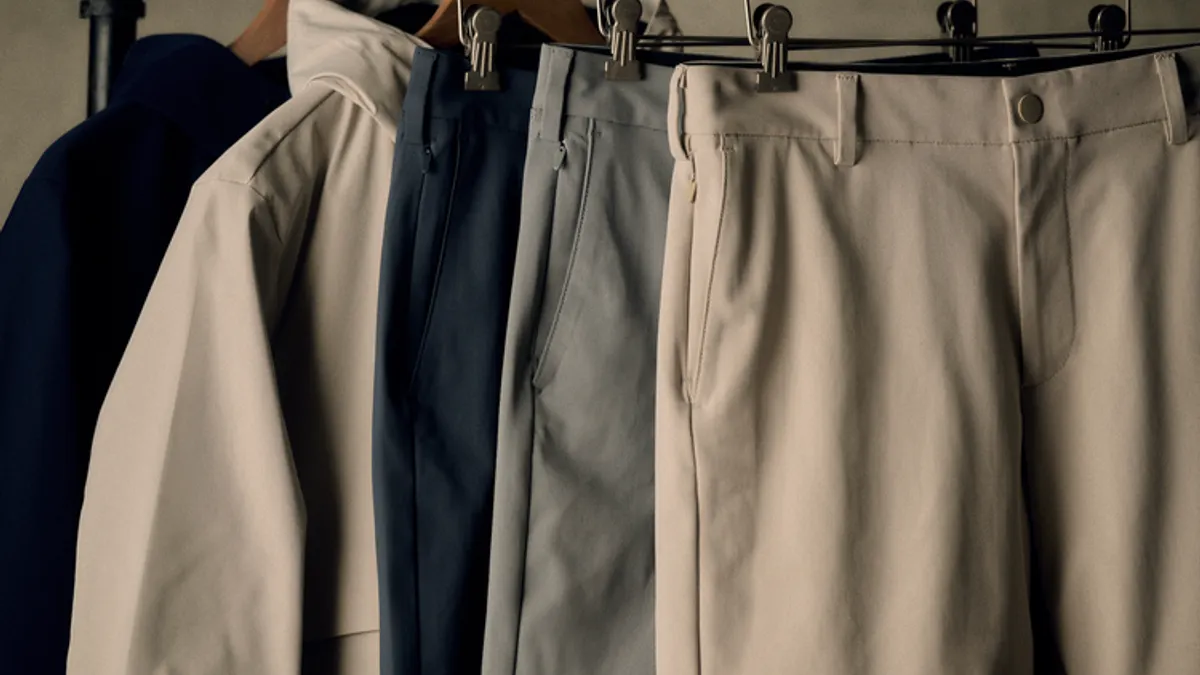
14. Chinos
Chinos bridge the gap between jeans and dressier trousers.
Khaki, navy, olive, or gray can all work, depending on the colors already in your wardrobe.
15. Neutral Trousers
A pair of versatile trousers gives your capsule a smarter foundation.
Gray, charcoal, navy, or another neutral shade is generally easier to coordinate than a highly distinctive color.
16. Smart Trousers
A dedicated smarter pair of trousers is useful for dinners, events, business settings, and occasions where chinos are not enough.
Choose a cut that works with your blazer and dress shoes.
17. Shorts
Shorts are essential for warm climates, vacations, outdoor activities, and casual summer days.
A simple neutral pair will generally create more combinations than heavily patterned shorts.
Jackets and Outerwear
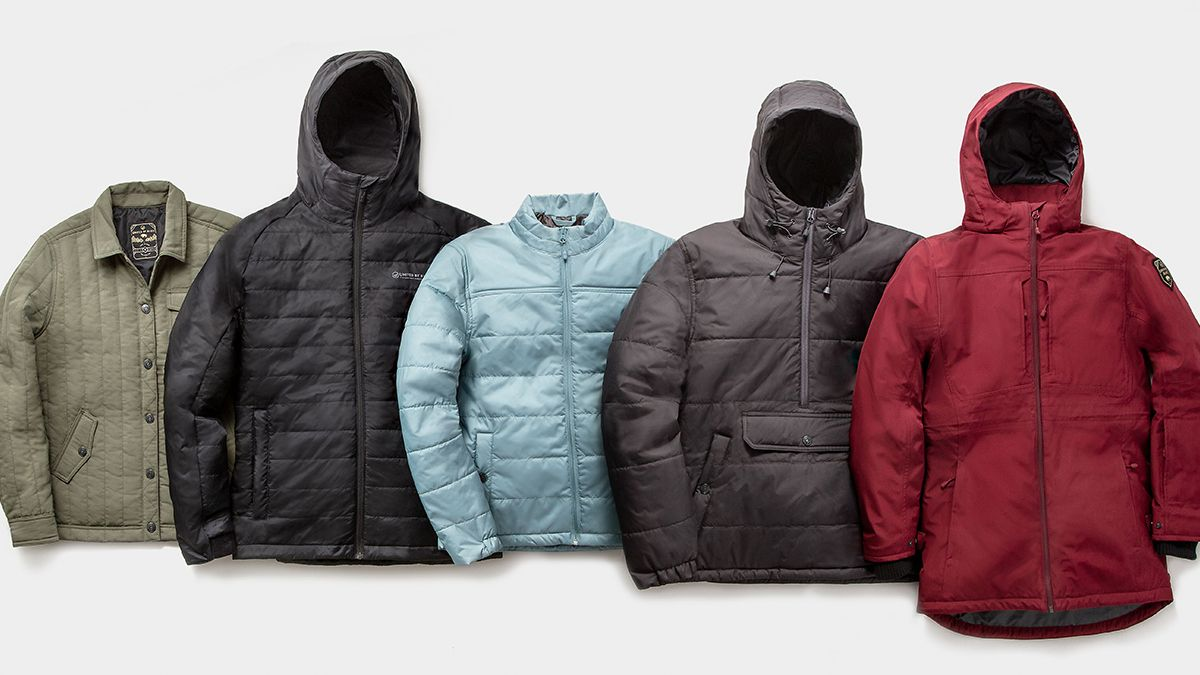
18. Lightweight Casual Jacket
A lightweight jacket provides an easy outer layer for mild weather.
A simple bomber, field jacket, Harrington, or similar style can work depending on your personal taste.
19. Versatile Jacket or Overshirt Layer
This layer gives you another way to change the appearance of basic outfits.
Choose something that can sit comfortably over a T-shirt and under heavier outerwear when needed.
20. Navy Blazer
A navy blazer can transform simple clothing into a smarter outfit.
It is particularly useful if you attend dinners, meetings, events, or workplaces that require something beyond casual clothing.
21. Weather-Appropriate Coat
The exact coat depends heavily on where you live.
A cold climate may require a substantial wool coat or insulated jacket. A rainy climate may call for waterproof protection. A mild climate may need only a lightweight trench or similar layer.
The important point is to choose one genuinely useful piece for your environment, rather than copying a generic seasonal list.
Shoes
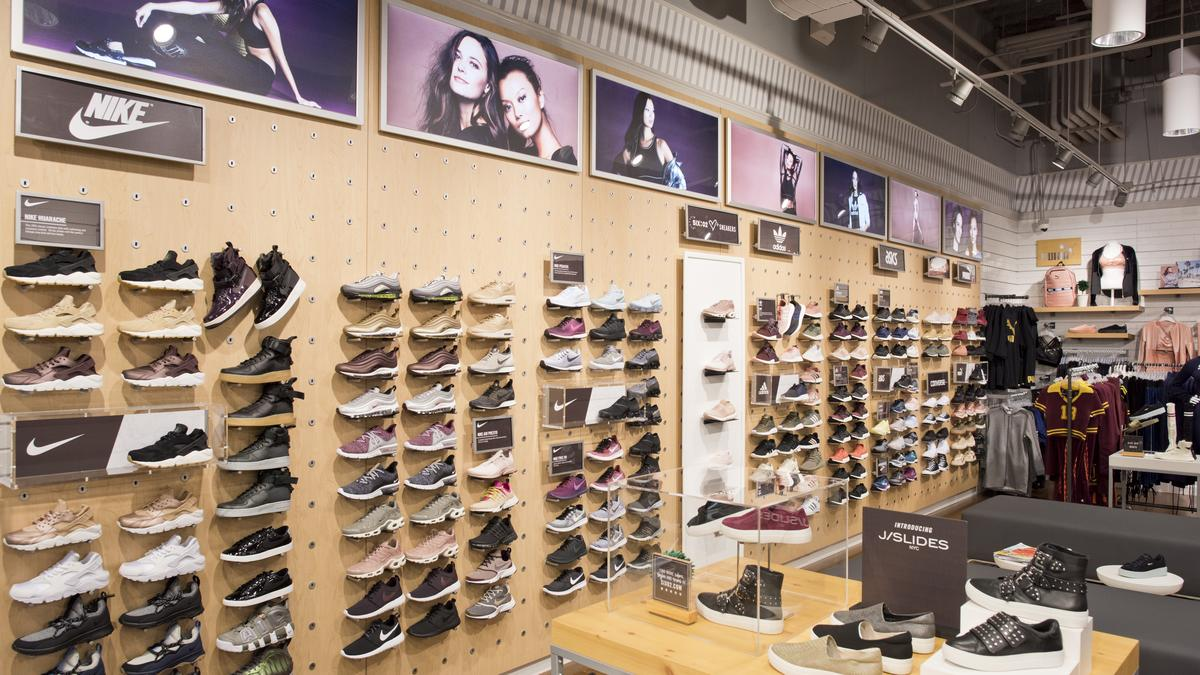
22. Minimal White Sneakers
Clean white sneakers are among the most versatile casual shoes.
They work with jeans, chinos, shorts, and many smart-casual combinations.
23. Brown Casual Shoes or Loafers
A brown leather or suede shoe adds a smarter option without becoming excessively formal.
Loafers can work particularly well for warmer climates and smart-casual outfits.
24. Versatile Boots
A simple boot can handle colder weather, casual outfits, and situations where sneakers feel too relaxed.
Choose a style that matches the rest of your wardrobe rather than chasing a short-lived trend.
25. Dress Shoes
A dedicated pair of dress shoes remains useful for formal events, weddings, professional occasions, and other situations where casual footwear is inappropriate.
Black or dark brown are usually the easiest colors to integrate.
Accessories
26. Brown Belt
A brown belt provides a dependable option for jeans, chinos, and brown footwear.
27. Black Belt
A black belt is useful when your outfit includes black or formal footwear.
28. Everyday Watch
A simple watch can add personality without requiring additional clothing.
Choose a design that fits your normal style rather than one that works for only one occasion.
29. Sunglasses
Sunglasses are practical as well as stylistic.
A classic frame tends to remain useful longer than a highly trend-driven shape.
30. Everyday Bag
A practical bag completes the capsule for work, travel, study, or daily errands.
Choose based on your actual routine. A backpack may suit commuting, while a simple tote or messenger bag may work better for other lifestyles.
How to Build Your Capsule Wardrobe From Clothes You Already Own
You do not need to throw away your entire closet and start shopping.
In fact, that can defeat the purpose of minimalism.
1. Audit Your Current Closet
Take everything out and look at what you actually own.
You will probably discover that you already have many of the essentials.
2. Sort Clothes Into Keep, Maybe, and Remove
Keep pieces that fit well and get regular use.
Put uncertain items in a separate group rather than making an immediate decision.
3. Find Your Most-Worn Pieces
Think about what you reach for repeatedly.
Those clothes provide useful evidence about your real style and lifestyle.
4. Identify the Missing Essentials
Compare what you own against the 30-piece framework.
Look for genuine gaps rather than reasons to shop.
5. Buy Only What Fills a Gap
If you already have three excellent white shirts, you probably do not need another one simply because it appears on a capsule wardrobe list.
6. Test the Capsule Before Buying More
Try dressing from the smaller collection for a couple of weeks.
If you repeatedly struggle with one situation, identify the missing piece then.
How to Make 30 Pieces Create More Outfits
The secret is not owning 30 fashionable items. It is making those items cooperate.
Use a Simple Outfit Formula
Start with:
Top + Bottom + Layer + Shoes
For example:
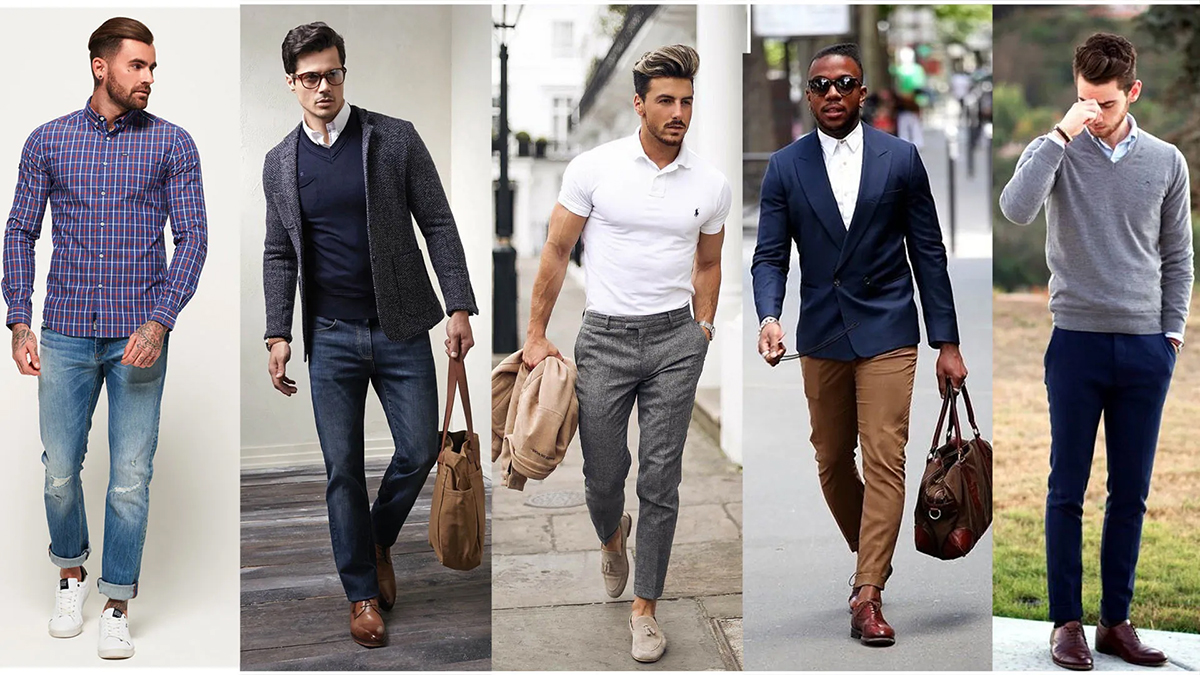
White T-shirt + dark jeans + navy overshirt + white sneakers
Change the layer or shoes and the same basic foundation can feel completely different.
Build Around Interchangeable Colors
Neutral colors make coordination easier.
Navy, white, gray, beige, brown, black, olive, and denim can form a flexible foundation. You can then add personal colors through shirts, accessories, or seasonal pieces.
Change Layers to Change the Look
A T-shirt and jeans can look relaxed with sneakers.
Add an Oxford shirt and blazer, and the same basic wardrobe becomes much smarter.
Don’t Count Theoretical Numbers
You may see claims that a certain number of clothes can create hundreds of outfits.
Mathematically, combinations can become very large. In real life, many combinations will look awkward or simply never get worn.
The better goal is a smaller number of reliable outfits you genuinely like.
| Base Outfit | Layer | Shoes | Best For |
| T-shirt + jeans | Overshirt | Sneakers | Everyday casual |
| Oxford + chinos | Lightweight jacket | Loafers | Smart casual |
| T-shirt + trousers | Blazer | Dress shoes | Evening/event |
| Polo + shorts | None/light jacket | Sneakers | Warm weather |
Adapt the 30-Piece Capsule to Your Lifestyle
A good capsule should reflect your calendar, not someone else’s Instagram feed.
Office and Business Casual
Add emphasis to Oxford shirts, trousers, blazers, loafers, and dress shoes if your work requires them.
Casual and Remote Work
You may need fewer formal pieces and more comfortable T-shirts, jeans, chinos, and casual layers.
Travel
Prioritize lightweight, versatile clothing that can be worn in several combinations. Pieces that resist wrinkles and layer easily can be especially practical.
Student or College Lifestyle
A student wardrobe may lean heavily toward casual basics, sneakers, denim, comfortable layers, and one or two smarter outfits.
The important thing is to adjust the 30-piece framework, not blindly copy it.
Adapt Your Capsule to Your Climate
Climate can completely change what belongs in your wardrobe.
Hot and Humid Weather
Choose lightweight, breathable clothing and keep layering minimal. Shorts, lightweight trousers, T-shirts, polos, and breathable shirts may deserve more space than heavy knitwear.
Mild Weather
A flexible combination of T-shirts, shirts, lightweight knitwear, overshirts, and a casual jacket can cover much of the year.
Cold Weather
Build around layers. A T-shirt or shirt can sit underneath knitwear, which can then work with a coat or insulated outer layer.
You do not necessarily need a separate wardrobe for every season. You can rotate a small number of climate-specific pieces while keeping the core capsule intact.
How to Buy Better Pieces Without Overspending

Minimalism does not mean buying the cheapest clothes available.
It means buying with a reason.
Where Quality Matters Most
Consider spending more selectively on pieces you wear constantly, such as shoes, outerwear, trousers, and frequently used basics.
Where You Can Spend Less
Not every T-shirt needs to be expensive. Seasonal items or pieces that receive heavy wear can sometimes be replaced more easily.
Use Cost Per Wear
An inexpensive item worn twice may be more expensive in practical terms than a durable item worn dozens of times.
Think about how often you will wear something, not just the price on the tag.
Common Men’s Capsule Wardrobe Mistakes
- Buying everything at once: Build gradually instead of replacing your entire closet.
- Choosing one-outfit pieces: Prioritize clothing that works in several combinations.
- Ignoring fit: A basic shirt that fits well often looks better than an expensive shirt that doesn’t.
- Using too many colors: A controlled palette makes coordination easier.
- Confusing minimalism with boring style: Texture, accessories, proportions, and layering can add personality.
- Copying someone else’s capsule exactly: Your wardrobe should reflect your work, climate, hobbies, and lifestyle.
Men’s Capsule Wardrobe Checklist
Use this as your starting checklist:
Tops: white T-shirt, gray/navy T-shirt, long-sleeve T-shirt, polo
Shirts: white Oxford, light-blue button-down, casual shirt, overshirt
Knitwear: crew-neck sweater, lightweight knit, cardigan/quarter-zip
Bottoms: dark jeans, mid-wash jeans, chinos, neutral trousers, smart trousers, shorts
Outerwear: lightweight jacket, versatile layer, navy blazer, weather-appropriate coat
Shoes: white sneakers, brown casual shoes/loafers, boots, dress shoes
Accessories: brown belt, black belt, watch, sunglasses, everyday bag
That’s the complete 30-piece framework.
Build a Wardrobe That Works, Not Just a Smaller One
The best men’s capsule wardrobe is not the one with the fewest clothes. It is the one where you can open the closet, choose almost anything, and know it will work.
Use these 30 pieces as a framework rather than a strict rule. Start with what you own, keep what fits your life, remove what doesn’t, and add only what solves a real problem.
A minimalist closet should make your mornings easier, your outfits more consistent, and your shopping more intentional. The result is not simply fewer clothes. It is a wardrobe that works harder for you.
Frequently Asked Questions
What is a men’s capsule wardrobe?
A men’s capsule wardrobe is a small, intentional collection of clothing chosen to work together. It focuses on versatile pieces that fit your lifestyle and can create multiple practical outfits.
How many pieces should a men’s capsule wardrobe have?
There is no fixed number. Around 20–30 pieces can work well for many men, while people with multiple seasons, formal jobs, or varied lifestyles may need more.
What are the most important men’s wardrobe essentials?
The foundation usually includes versatile T-shirts, button-down shirts, jeans, chinos or trousers, a sweater, a jacket, everyday sneakers, smarter shoes, and useful accessories.
What colors work best for a men’s capsule wardrobe?
Neutral colors such as navy, white, gray, black, beige, brown, olive, and denim are easy to combine. You can add stronger colors according to your personal style.
Can 30 pieces really create enough outfits?
Yes, if the pieces coordinate well. The goal is not to create the largest possible number of theoretical combinations, but to have enough comfortable, appropriate outfits for your real life.
How do I build a men’s capsule wardrobe on a budget?
Start with what you already own. Replace poorly fitting or worn-out pieces first, then buy only items that fill genuine gaps. Cost per wear is often more useful than the initial price.
What should I remove from a minimalist wardrobe?
Consider removing clothes that no longer fit, are damaged beyond practical repair, never get worn, or only work with one very specific outfit.
Can a capsule wardrobe work in a hot climate?
Absolutely. Increase lightweight shirts, T-shirts, polos, breathable trousers, and shorts while reducing heavy layers. The capsule should reflect your local weather rather than follow a fixed seasonal list.