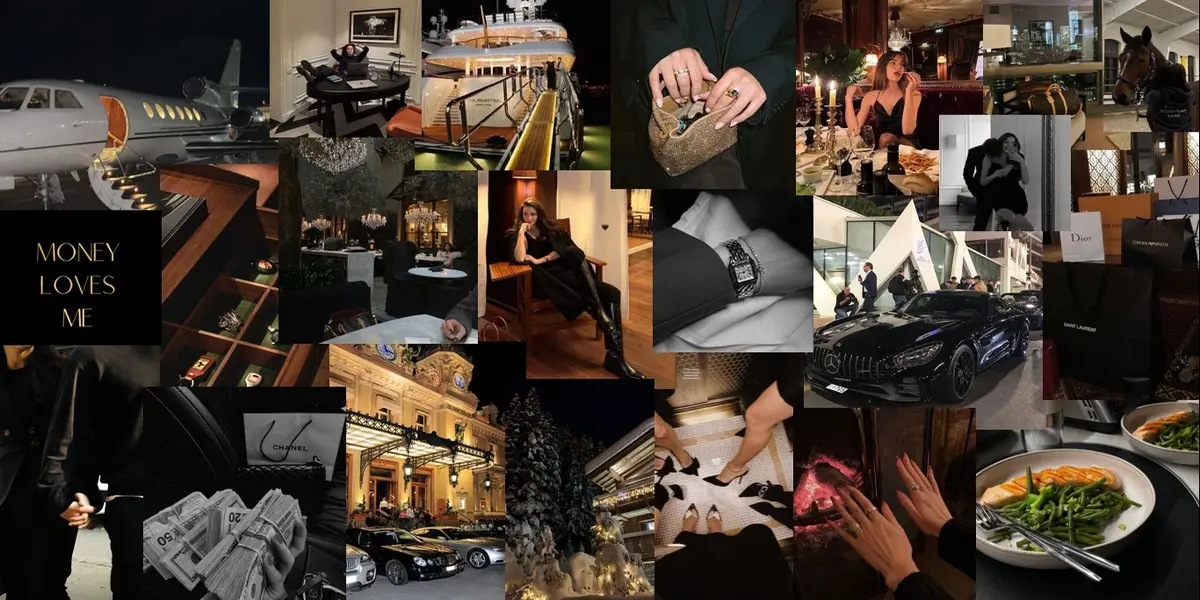
A luxury handbag, a bottle of fragrance, a watch, or a hotel suite can be expensive. But price is rarely the whole story.
The strongest lifestyle luxury brands sell something harder to measure: a sense of identity, belonging, heritage, and aspiration. Their products become part of a larger world built through design, craftsmanship, scarcity, service, and storytelling.
That distinction matters when you compare names such as Hermès, Chanel, Louis Vuitton, Dior, and Gucci. It also matters when you assess any brand name, including BrassSmile: the label alone does not tell you whether the experience behind it deserves a luxury position.
The 2026 market makes that question more interesting. Luxury spending remains enormous, yet the customer base has become more selective. At the same time, beauty, hospitality, personalization, resale, and experiences are changing what luxury actually means.
AI Overview: What Are Lifestyle Luxury Brands?
Lifestyle luxury brands sell more than premium products. They build an aspirational way of living around heritage, craftsmanship, scarcity, emotional storytelling, and a recognizable identity.
Leading houses can extend from fashion into beauty, watches, jewelry, home, travel, hospitality, and other experiences. In 2026, that broader lifestyle model matters as luxury consumers become more selective and experiences continue to gain importance.
Key Takeaways
- Lifestyle luxury is built around identity and meaning, not simply higher specifications or materials.
- Hermès, Chanel, Louis Vuitton, Dior, Gucci, Saint Laurent, and other major houses illustrate different versions of the luxury lifestyle model.
- Global luxury spending reached €1.443 trillion in 2025, according to Bain-Altagamma.
- Personal luxury goods were worth €358 billion in 2025 and are forecast by Bain-Altagamma to reach €365–€373 billion in 2026.
- The active luxury client base fell to about 340 million in 2025, compared with about 400 million in 2022.
- Experiences such as hospitality, dining, and travel are becoming increasingly important parts of luxury.
- The best luxury brand for you depends on what you value: heritage, craftsmanship, fashion, discretion, beauty, or experiences.
What Are Lifestyle Luxury Brands?
Lifestyle luxury brands are high-end brands that sell an aspirational way of living rather than focusing only on individual products. They use heritage, craftsmanship, scarcity, exclusivity, and emotional storytelling to build a distinctive identity. Their reach may include fashion, beauty, jewelry, home, hospitality, travel, and other luxury experiences.
What Makes a Brand a True Lifestyle Luxury Brand?
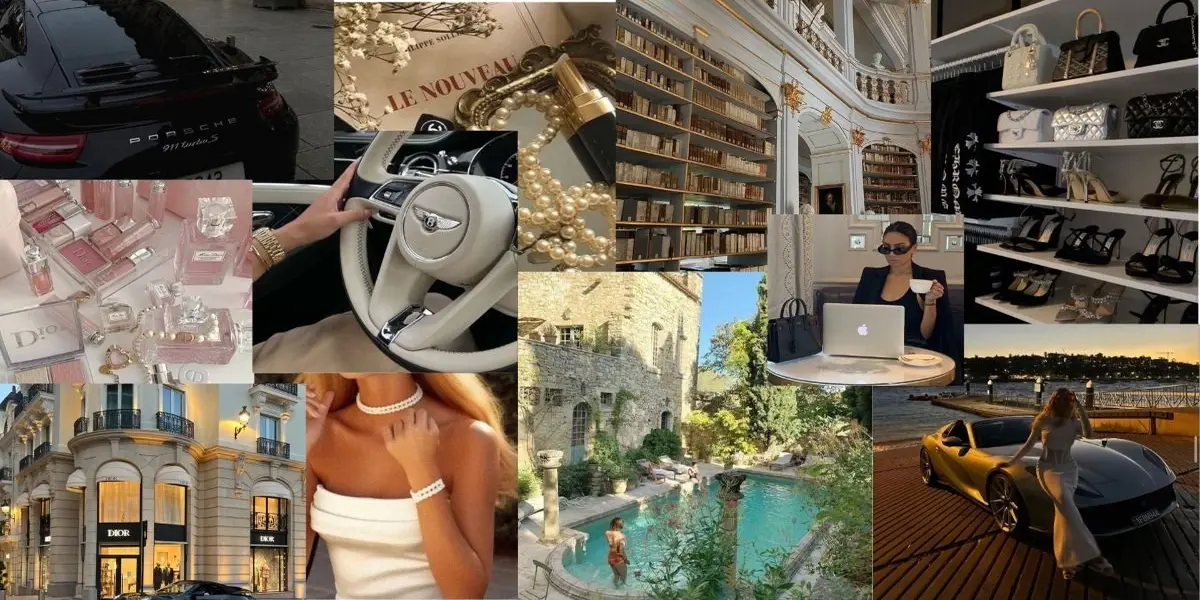
A high price does not automatically make a brand luxurious.
Premium brands generally compete by improving what you own: materials, finishes, features, or performance. Luxury goes further by attaching cultural meaning and emotional value to ownership.
A useful distinction is simple: premium enhances what you own; luxury defines what ownership means.
More Than an Expensive Product
A luxury product can be beautifully made, but craftsmanship alone does not explain the entire model.
Luxury houses build authority through heritage, controlled distribution, scarcity, design language, and customer experience. The product becomes part of a recognizable world.
The Luxury Lifestyle Ecosystem
Lifestyle branding expands that world beyond one category.
A fashion house can move into fragrance or beauty. A luxury group can connect fashion with jewelry, watches, hospitality, or retail. The result is an ecosystem in which customers can encounter the same identity in different parts of their lives.
Luxury vs. Premium vs. Designer
| Dimension | Lifestyle Luxury | Premium |
| Core value | Identity, meaning, scarcity, heritage | Materials, finishes, performance |
| Pricing logic | Exclusivity and brand experience | Product quality and margin |
| Distribution | Selective and experiential | Generally broader |
| Marketing | Storytelling and cultural authority | Features and benefits |
| Customer goal | Belonging to a distinctive world | Owning a better version |
“Designer” can overlap with luxury, but the terms are not interchangeable. A designer label may be defined primarily by creative direction, while a lifestyle luxury house builds a broader relationship between its products and the customer’s identity.
How We Selected the Top Luxury Lifestyle Brands in 2026
There is no single universal list of the “best” luxury brands.
A sensible comparison starts with several factors: heritage, craftsmanship, quality, exclusivity, lifestyle reach, customer experience, cultural influence, and innovation.
That approach also prevents a common mistake: treating brand awareness as proof of luxury strength.
Chanel offers an interesting current example. Brand Finance ranked Chanel as the most valuable luxury fashion brand in 2026, with a brand value of €29.765 billion. That is a useful data point, but brand value alone does not determine which house is right for every consumer.
Current performance can also differ sharply between brands. Kering reported H1 2026 revenue of €7.22 billion, up 1% on a comparable basis, while Gucci’s decline narrowed but remained negative for the 12th consecutive quarter.
Those figures show why a current luxury guide needs more than a popularity list.
Top Luxury Lifestyle Brands in 2026
The brands below represent different ways of building a luxury lifestyle identity. They should be viewed as a curated group of leading examples rather than an absolute 1-to-10 ranking.
| Brand | Strongest Category | Lifestyle Reach | Known For |
| Hermès | Fashion and leather goods | Broad luxury identity | Craftsmanship and scarcity |
| Chanel | Fashion and beauty | Fashion, beauty, jewelry | Heritage and cultural influence |
| Louis Vuitton | Fashion and leather goods | Fashion, travel, luxury goods | Iconic monogram heritage |
| Dior | Fashion and beauty | Fashion, beauty, fragrance | Couture and lifestyle breadth |
| Gucci | Fashion | Fashion and beauty | Cultural influence |
| Saint Laurent | Fashion and leather goods | Fashion-focused luxury | Distinctive fashion identity |
| Bottega Veneta | Fashion | Fashion and leather goods | Luxury fashion |
| La Mer | Skincare | Prestige beauty | High-end skincare |
| Helena Rubinstein | Skincare | Prestige beauty | Prestige skincare |
| Lancôme | Beauty | Prestige beauty | Makeup and skincare |
Hermès
Hermès is one of the clearest examples of scarcity becoming part of the luxury proposition.
Its roots go back to a harness workshop founded in 1837, followed by its move to Paris in 1857. Its modern identity remains closely associated with craftsmanship, leather goods, and controlled desirability.
Chanel
Chanel combines fashion and beauty under one powerful luxury identity.
Its current position is especially notable because Brand Finance ranked it the most valuable luxury fashion brand in 2026, with a reported brand value of €29.765 billion.
Louis Vuitton
Louis Vuitton connects fashion with travel and leather-goods heritage.
Its iconic monogram has helped make the house more than a clothing label. Within LVMH, it sits alongside brands covering jewelry, beauty, retail, and other luxury categories.
Dior
Dior demonstrates how fashion and beauty can reinforce one another.
Its position within LVMH gives the house access to a broader luxury ecosystem, while its fashion, fragrance, and beauty businesses allow consumers to encounter the brand at different levels of the market.
Gucci
Gucci remains one of the most recognizable luxury fashion names, but 2026 also illustrates the pressure facing established houses.
Kering reported that Gucci’s decline narrowed during H1 2026, although sales remained negative for the 12th consecutive quarter. The brand therefore represents both the strength of global luxury recognition and the difficulty of sustaining momentum.
Saint Laurent
Saint Laurent is part of Kering’s luxury fashion portfolio and represents a more fashion-focused route into the luxury lifestyle market.
Its position alongside Gucci and Bottega Veneta also shows how large groups can manage several distinct luxury identities rather than one standardized brand.
Bottega Veneta
Bottega Veneta represents another Kering luxury fashion house.
Its inclusion also connects to one of the industry’s significant structural changes: Kering agreed in October 2025 to sell its beauty division to L’Oréal for €4 billion, while L’Oréal’s future Gucci Beauty transition is scheduled around the same period.
La Mer
La Mer sits on the prestige skincare side of luxury rather than traditional fashion.
Its role illustrates how the lifestyle luxury concept extends into beauty, where packaging, sensory experience, brand heritage, and skincare positioning can become part of the overall proposition.
Helena Rubinstein
Helena Rubinstein represents prestige skincare within L’Oréal’s portfolio.
The research data identifies strong growth for dermatological skincare in China, reinforcing the wider importance of beauty within the luxury market.
Lancôme
Lancôme is another major prestige beauty example.
Its position shows that a luxury lifestyle discussion does not have to stop at handbags and couture. Beauty gives luxury consumers another way to enter a brand world.
Best Luxury Brands by Category
Different luxury consumers want different things. A person looking for a handbag does not necessarily want the same brand experience as someone shopping for skincare, jewelry, or travel.
Best Luxury Fashion Brands
For fashion and leather goods, the research points to houses such as Hermès, Louis Vuitton, Chanel, Dior, Gucci, Saint Laurent, and Bottega Veneta.
Their approaches differ, however. Hermès is strongly associated with craftsmanship and scarcity, while Louis Vuitton combines fashion with travel heritage and Chanel extends strongly into beauty.
Best Luxury Watch and Jewelry Brands
The research identifies Cartier, Bulgari, and TAG Heuer as examples in watches and jewelry.
This category works particularly well within the luxury model because rarity, craftsmanship, heritage, and collectibility can all influence perceived value.
Best Luxury Beauty and Fragrance Brands
Chanel Beauty, La Mer, Helena Rubinstein, and Lancôme illustrate the breadth of prestige beauty.
The sector is also undergoing major structural changes. L’Oréal said on July 30, 2026, that its first Gucci Beauty products under its new license could arrive as early as 2028.
Best Luxury Home and Interior Brands
Home is part of the broader lifestyle opportunity, particularly when a brand’s identity extends beyond personal accessories.
The research supports this as a growing direction for lifestyle luxury, although it does not provide enough comparative data to establish a definitive list of the “best” luxury home brands.
Best Luxury Travel and Hospitality Brands
Experiences are becoming an increasingly important luxury category.
Bain-Altagamma’s 2026 outlook puts experiences including hotels, fine dining, and cruises at roughly 4% growth, ahead of the broader luxury market’s forecast of 0–2%.
Best Luxury Wellness Brands
Wellness fits naturally into the wider lifestyle model because it focuses on experiences rather than only physical goods.
However, the supplied research does not provide enough brand-level evidence to rank specific luxury wellness companies confidently.
Which Luxury Lifestyle Brand Is Best for You?
There is no universal winner.
Your best choice depends on what you actually value.
| If You Value | Look For |
| Heritage | Established houses with deep history |
| Quiet luxury | Understated design and materials |
| Craftsmanship | Strong artisan and production traditions |
| Fashion | Fashion-led luxury houses |
| Beauty | Prestige skincare, makeup, and fragrance |
| Experiences | Hospitality and travel extensions |
| Collectibility | Scarce watches, jewelry, and iconic products |
| First luxury purchase | Accessible categories within established houses |
Best for Timeless Style
Look for a house where heritage and product identity remain central rather than chasing every trend.
Hermès is particularly relevant to the craftsmanship-and-scarcity side of the luxury model.
Best for Quiet Luxury
Quiet luxury focuses on discretion rather than obvious branding.
The important question is not simply whether a logo is visible. Look at the quality, materials, design language, and consistency of the house.
Best for Craftsmanship
If craftsmanship is your priority, examine the category first.
A brand may be exceptionally strong in leather goods but less relevant to your needs in another category. Buy where the house’s reputation and identity are strongest.
Best for Experiences
If you value travel, dining, hospitality, or personal access, look beyond traditional fashion houses.
The luxury market is increasingly connecting physical products with experiences, making the lifestyle ecosystem more important than a single item.
Best for First-Time Luxury Buyers
You do not need to begin with the most expensive product.
Fragrance, beauty, eyewear, scarves, accessories, and small leather goods can provide entry points into established luxury houses without requiring the same spending level as major leather goods or jewelry.
What Makes Luxury Brands Worth the Price?
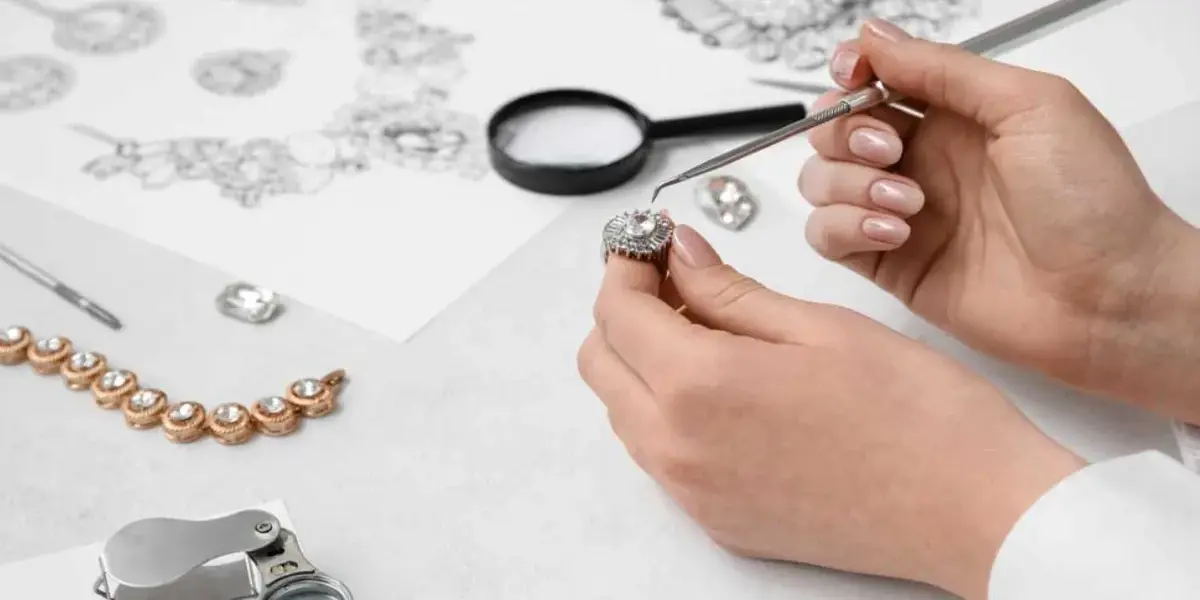
Luxury pricing can be difficult to justify if you judge a product only by practical specifications.
Part of the price reflects the broader proposition: craftsmanship, heritage, scarcity, service, design, and the experience surrounding ownership.
That does not mean every luxury purchase represents good value.
Price vs. Value
A high price does not guarantee superior functional performance.
Luxury often creates value through emotional attachment, cultural meaning, exclusivity, and collectibility. For some buyers, those qualities matter enormously. For others, they may not justify the premium.
When Luxury Is Worth Buying
Luxury can make more sense when you genuinely value the product’s design, craftsmanship, longevity, heritage, or experience.
Resale can also matter. The research identifies iconic Louis Vuitton items and Hermès Birkin and Kelly bags as examples of products that can hold or increase value because of scarcity and brand equity.
That is not a guarantee of investment performance, though.
When the Premium May Not Be Worth It
Be careful when the main attraction is simply the logo.
You should also question a purchase driven entirely by a temporary trend, particularly when you have little connection with the product itself.
Luxury works best when the object means something to you beyond its price tag.
Luxury Brands in 2026: What Is Changing?
The market is not simply getting bigger. It is becoming more selective.
Bain-Altagamma reported global luxury spending of €1.443 trillion in 2025, with 2026 spending forecast at €1.440–€1.470 trillion, equivalent to roughly 0–2% growth at constant exchange rates.
Personal luxury goods tell a slightly stronger story. The category reached €358 billion in 2025 and is forecast at €365–€373 billion in 2026, representing 2–4% growth, according to Bain-Altagamma.
A Smaller Customer Base
One of the clearest warning signs is customer participation.
The active luxury client base fell to approximately 340 million in 2025, down from about 400 million in 2022. Only around 40–45% of the addressable customer base bought luxury in 2025, compared with roughly 60% in 2022.
That makes customer engagement more important than simply raising prices.
Experiences Are Taking More Space
Luxury is increasingly about where you go and what access you receive, not only what you carry.
Hotels, fine dining, cruises, travel, and hospitality allow luxury houses to build relationships around experiences. Bain-Altagamma expects experiences to grow around 4% in 2026.
Beauty Is Reshaping the Landscape
The Kering-L’Oréal transaction is a good example.
L’Oréal is expected to take over the Gucci Beauty license from Coty in mid-2027 following the €4 billion deal, with the first products under the new arrangement expected as early as 2028.
LVMH is also maintaining a strong beauty position. Its Perfumes & Cosmetics division was stable on a comparable basis in H1 2026, while Sephora and Dior supported momentum.
AI and Personalization
AI is becoming another major force.
Deloitte identifies AI as 31.7% of the most transformative forces expected over the next five years, with materials and production innovation at 22.6%.
That points toward more personalized customer experiences rather than a simple shift toward automated shopping.
How to Choose a Luxury Lifestyle Brand Without Overspending
Start with your own habits, not the brand’s reputation.
Ask what you will actually use. A beautiful product that sits unused is difficult to justify regardless of its prestige.
Next, identify the category where the brand is strongest. If craftsmanship is what attracts you to a particular house, choose a product that demonstrates that strength.
Then consider entry-level categories. Beauty, fragrance, accessories, and smaller items can offer a more manageable way into a luxury house.
Finally, look beyond the logo. Consider construction, materials, aftercare, service, scarcity, and how well the product fits your life.
Lifestyle Luxury Brands vs. Traditional Luxury Brands
Traditional luxury can focus heavily on an individual product or category.
Lifestyle luxury expands the relationship into a broader world.
| Traditional Luxury | Lifestyle Luxury |
| Individual product focus | Broader lifestyle ecosystem |
| Product ownership | Products plus experiences |
| One or several core categories | Multiple connected categories |
| Heritage and craftsmanship | Heritage plus lifestyle identity |
| Retail experience | Retail, hospitality, events, and services |
The two models overlap. A traditional luxury house can become a lifestyle brand, and a lifestyle brand can still depend heavily on a few core products.
Practical Application: How to Evaluate a Luxury Brand Before You Buy
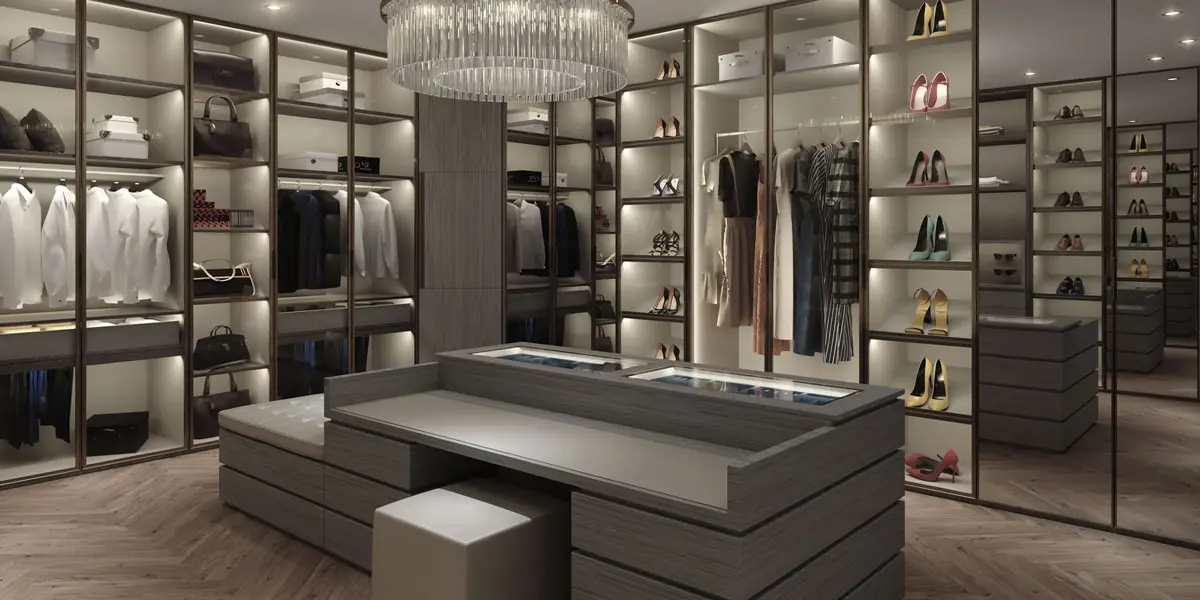
Use this five-step check before making an expensive purchase.
- Identify the reason you want it.
If your answer is only “because it is expensive,” stop there. You may be paying for status without receiving value that matters to you. - Find the brand’s strongest category.
Study what the house is actually known for. That is usually a better starting point than choosing a random product because it carries a recognizable logo. - Separate functional value from emotional value.
Ask what the product does and what the brand adds. Keep those two answers separate. - Check scarcity and longevity.
If collectibility or resale matters, look at whether the product has the kind of scarcity and brand equity identified in the research. - Consider the wider experience.
For lifestyle luxury, the relationship can include service, beauty, hospitality, events, travel, or other experiences. Decide whether those extras actually matter to you.
Common Mistakes to Avoid
- Assuming the most expensive product is automatically the best.
- Confusing premium materials with a complete luxury proposition.
- Buying solely because of a visible logo.
- Treating every luxury category as equally strong for the same brand.
- Assuming resale value is guaranteed.
- Ignoring sustainability claims that cannot be substantiated.
Greenwashing remains a significant criticism of the sector. Luxury brands therefore face a growing trust problem when environmental claims do not match their practices.
Final Verdict
Think back to the first question: what are you really buying when you choose a luxury brand?
Sometimes it is a beautifully made object. Sometimes it is heritage. Sometimes it is access, service, collectibility, or simply the feeling that a particular brand belongs in your life.
That is why lifestyle luxury brands cannot be judged by price alone. Hermès, Chanel, Louis Vuitton, Dior, Gucci, and the other houses discussed here build their identities in different ways, while the wider market is moving toward beauty, experiences, personalization, and more selective consumption.
The 2026 market also makes one lesson hard to ignore: luxury cannot rely forever on higher prices and bigger logos. A smaller customer base means brands have to give people a reason to care.
The best luxury purchase is rarely the one that looks most impressive from across the room. It is the one that still means something when nobody else is looking.
Frequently Asked Questions About Lifestyle Luxury Brands
What exactly is a lifestyle luxury brand?
A lifestyle luxury brand sells more than individual products. It builds an aspirational identity around heritage, craftsmanship, scarcity, exclusivity, and emotional storytelling. That identity can extend into fashion, beauty, jewelry, home, travel, and hospitality.
How is luxury different from premium?
Premium generally focuses on improving what you buy through better materials, finishes, or performance. Luxury adds meaning, cultural relevance, exclusivity, and identity to the ownership experience. The difference is therefore about more than price.
Are lifestyle luxury brands worth the price?
They can be, but the answer depends on what you value. If craftsmanship, heritage, exclusivity, design, or emotional connection matter to you, the premium may make sense; if you only want functional performance, it may not.
Which luxury brands are considered lifestyle brands today?
Louis Vuitton, Hermès, Chanel, Dior, and Gucci are examples of houses that extend beyond a single fashion product. Their wider activities across areas such as beauty, fragrance, leather goods, jewelry, and experiences help create broader lifestyle identities.
Why are luxury sales slowing in 2026?
The luxury customer base has become smaller and more selective. The research shows that the active client base fell to about 340 million in 2025 from roughly 400 million in 2022, while policy and wealth controls have also affected spending in China.
Is luxury skincare actually better than drugstore skincare?
Not automatically. The research points to proven skincare ingredients such as ceramides, niacinamide, retinoids, and certain peptides as more relevant to efficacy than price alone. Luxury products may differentiate themselves through texture, packaging, and experience.
Are luxury brands becoming more experiential?
Yes. Hospitality, dining, travel, and other experiences are taking a larger role in the luxury model. Bain-Altagamma’s 2026 outlook expects experiences to grow around 4%, ahead of overall luxury spending.
Who owns most luxury lifestyle brands?
LVMH is the largest luxury conglomerate identified in the research, with more than 75 brands across areas including fashion, beauty, jewelry, and retail. Kering is another major group, while Chanel and Hermès remain important independent luxury houses.
What is happening with Gucci Beauty?
L’Oréal is scheduled to take over the Gucci Beauty license from Coty in mid-2027 following a €4 billion deal with Kering. L’Oréal said on July 30, 2026, that the first products under the new arrangement could arrive as early as 2028.
Is China still important to luxury brands?
Yes, although the market is under pressure. The research reports that sales at the 25 biggest luxury labels fell by more than 10% in China in July 2026, while longer-term forecasts still identify China as a major potential source of luxury growth.