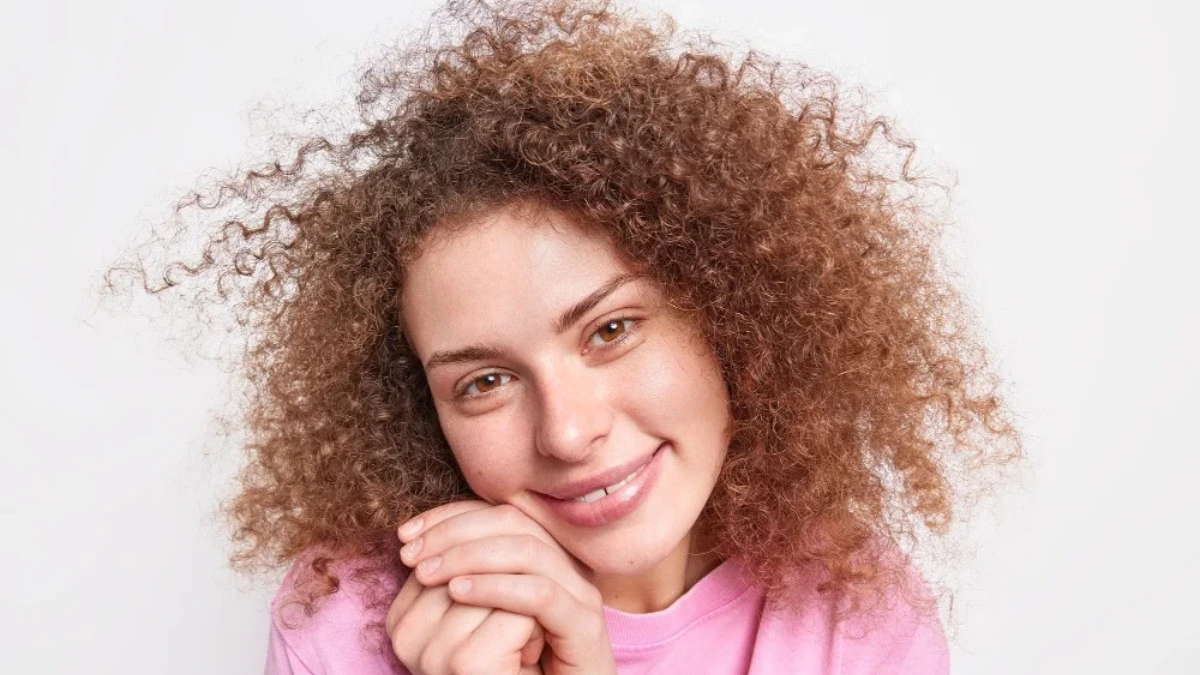
Curly hair has a character of its own. One day, the curls look defined, bouncy, and full of volume; the next, they seem to have a completely different shape. Humidity, washing routines, styling products, and even the way you sleep can influence how curls behave.
The secret to beautiful curly hair isn’t forcing every strand into the same shape. It’s understanding your curl pattern, choosing a haircut that works with it, and building a routine that helps your hair retain moisture and definition.
Whether your hair has loose waves, springy ringlets, or tight coils, this guide explores curly hair types, flattering hairstyles, everyday care, styling techniques, and common mistakes to avoid.
What Is Curly Hair?
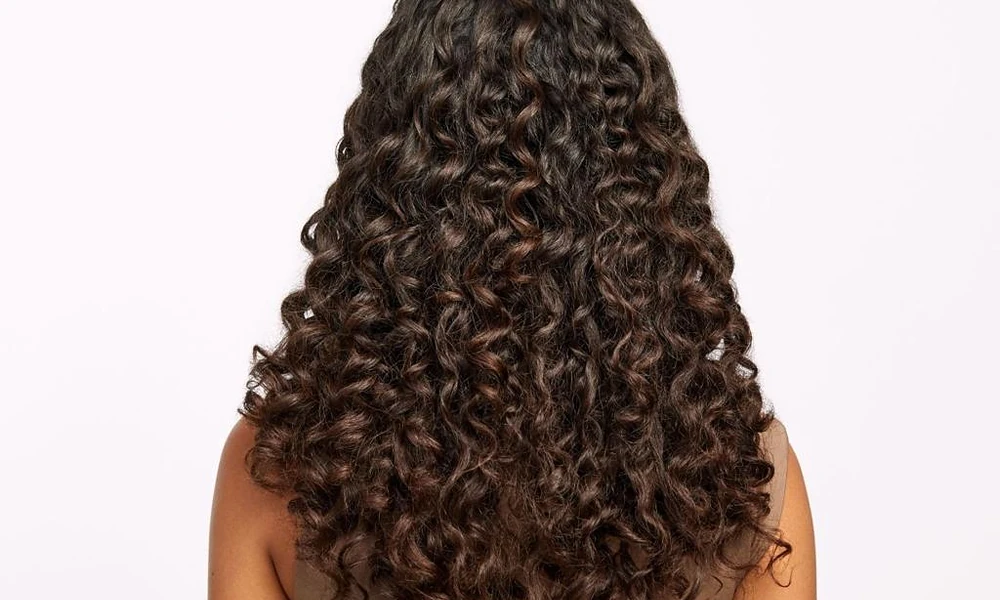
Curly hair is hair that naturally forms bends, spirals, loops, or coils as it grows. The pattern can range from loose waves to tightly wound coils, and different curl patterns can exist on the same head.
The shape of each strand is influenced by hair-follicle structure and the way the hair fiber develops. Genetics play a major role, while humidity, damage, length, and styling techniques affect how the curls appear.
Curly hair can be fine or coarse, dense or sparse, and relatively easy or difficult to detangle. That is why two people with apparently similar curls may need different routines.
The goal is not necessarily to achieve perfectly identical curls. Healthy-looking curly hair often has natural variation, movement, and volume.
Types of Curly Hair
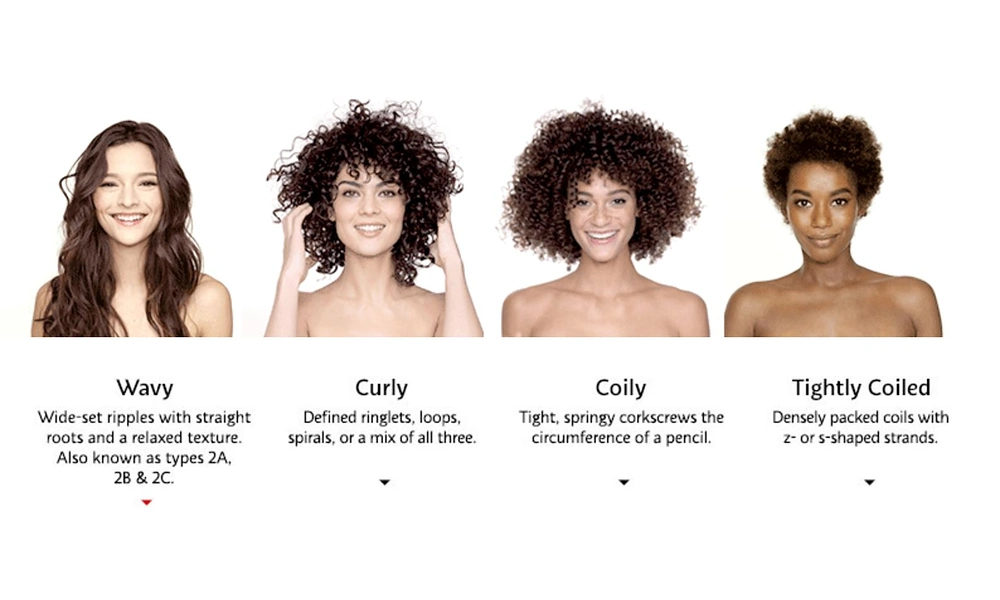
A commonly used hair-typing system groups hair into Types 1 through 4, from straight to tightly coiled. Curly patterns are generally found in Types 2, 3, and 4.
Type 2: Wavy Hair
Type 2 hair forms an S-shaped wave rather than a complete spiral. It may look almost straight near the roots, with more movement through the middle and ends.
- 2A: Loose, subtle waves with a relatively fine appearance.
- 2B: More defined S-shaped waves, often with some frizz around the crown.
- 2C: Strong waves that may form a few loose spirals, with greater volume and texture.
Lightweight styling products often work well for wavy hair because heavy creams can weigh down the pattern.
Type 3: Curly Hair
Type 3 hair forms visible spirals or ringlets. The curls can be large and loose or smaller and more tightly wound.
- 3A: Large, loose spirals with noticeable movement.
- 3B: Springier ringlets with more volume and a tighter curl pattern.
- 3C: Dense, tightly wound curls that create substantial volume and shrinkage.
Curl creams, leave-in conditioners, and gels may help define this hair type, depending on strand thickness and how much moisture the hair needs.
Type 4: Coily Hair
Type 4 hair forms tight coils, zigzags, or compact curves. It can have considerable volume and may shrink significantly as it dries.
- 4A: Small, defined coils that often form an S-shaped pattern.
- 4B: Tighter bends with a more angular or zigzag appearance.
- 4C: Very tightly packed coils, often with less obvious curl definition without styling.
Coily hair can be particularly vulnerable to dryness and breakage, so gentle detangling, conditioning, and low-friction styling can be helpful.
One important point: Hair typing is a guide, not a strict scientific diagnosis. Your curl pattern may vary across your scalp, and strand thickness, porosity, density, and overall condition are also important when choosing products.
15 Curly Hairstyles to Try
The right curly hairstyle can highlight your natural texture without requiring hours of styling. Your face shape, curl density, hair length, and personal style can all help guide your choice.
1. Long, Natural Curly Hair
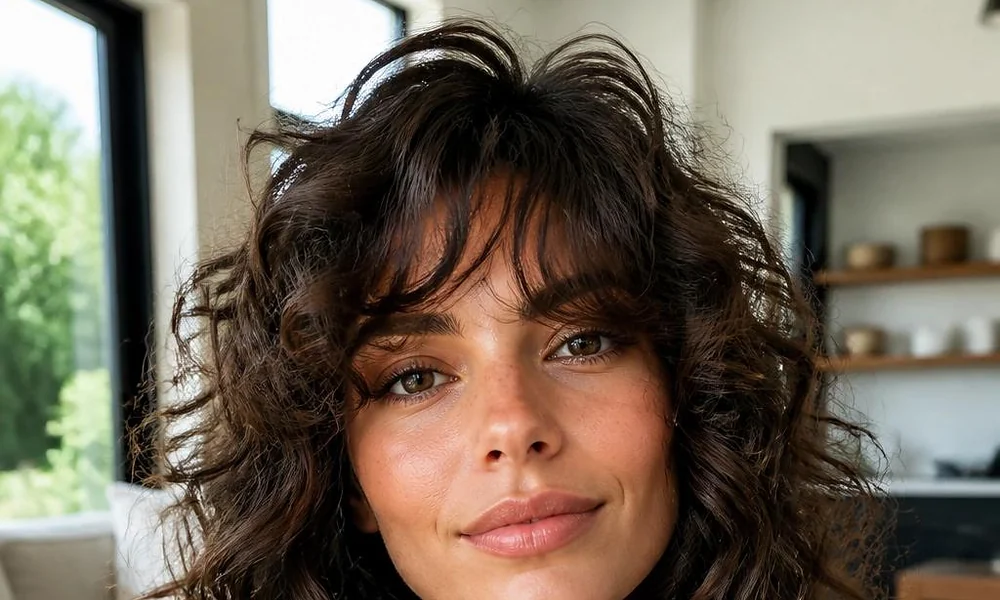
Long curls create a dramatic silhouette with plenty of movement. Layers can help distribute volume and prevent the ends from forming one heavy, triangular shape. Ask your stylist to consider how your curls shrink as they dry. Cutting curly hair without accounting for shrinkage can produce a shorter result than expected.
2. Shoulder-Length Curly Hair
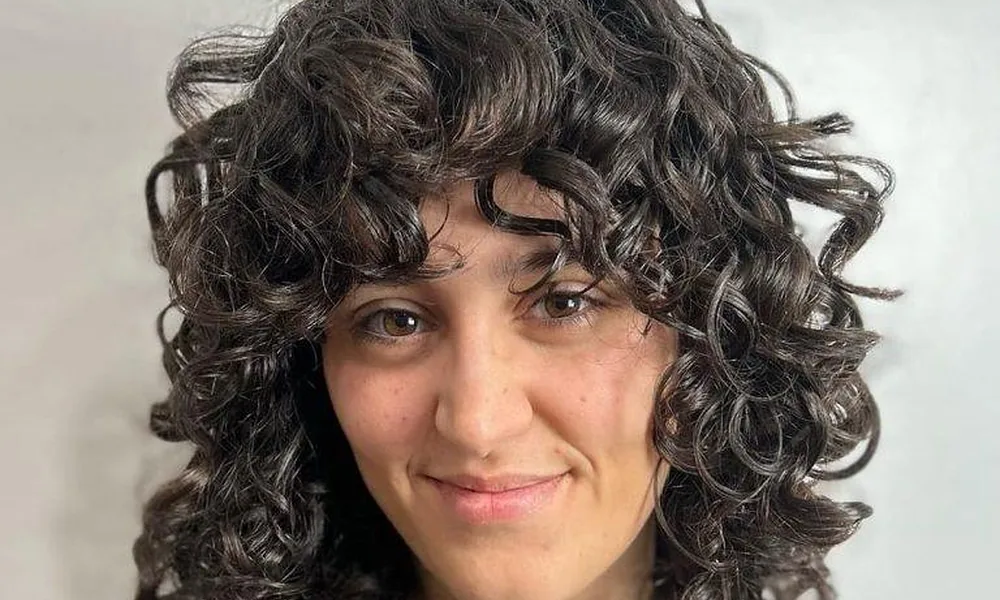
Shoulder-length curls offer a balance between volume and manageability. The length gives the curls room to form while remaining relatively easy to wash, condition, and style. Soft layers can add movement, especially if your curls tend to feel heavy near the bottom.
3. Curly Bob

A curly bob frames the face and gives curls a lively, rounded shape. It can be cut at the jaw, cheekbone, or chin depending on your preferred style. Because curls spring upward as they dry, ask for a shape designed specifically for your natural texture rather than copying a straight-hair bob.
4. Curly Shag
A curly shag uses layers to create movement around the crown, sides, and ends. It often works well for people who like an intentionally textured look rather than a perfectly uniform shape. A stylist experienced with curly hair can adjust the layers to prevent unwanted bulk or excessive thinning.
5. Curly Pixie Cut
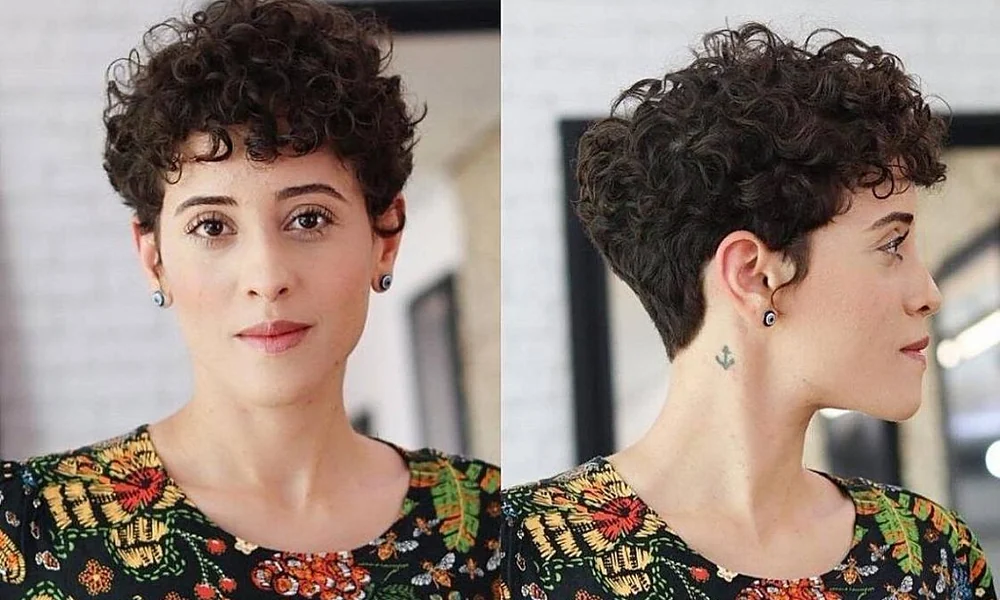
A curly pixie highlights facial features and keeps most of the hair short. The top can be left longer for defined curls, while the sides and back are shaped for a cleaner outline. This cut can be particularly appealing if you want a shorter routine, although it may need regular trims to maintain its shape.
6. Curly Hair With Bangs
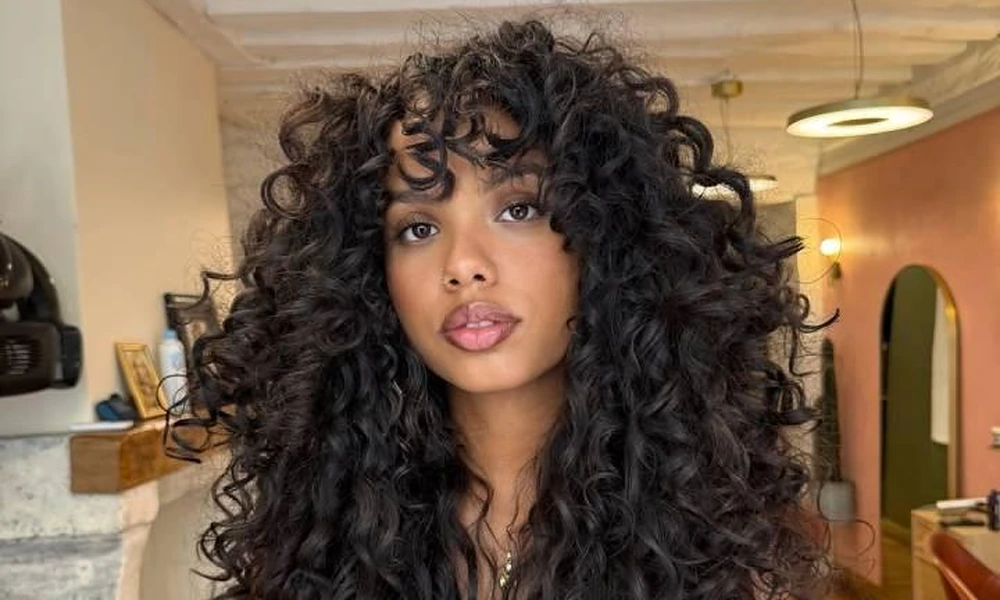
Curly bangs can add personality and frame the eyes. They may be cut softly across the forehead or blended into longer face-framing layers. The key is accounting for curl shrinkage. Discuss the desired dry length with your stylist, and avoid cutting a large amount off while the hair is stretched straight.
7. Curly Layers
Layers help curls sit at different lengths, creating movement and reducing the weight of longer hair. They can also help bring volume toward the crown. The best layering pattern depends on your density and curl formation. Too many short layers may create more volume than you want, while too few may leave long curls looking heavy.
8. Half-Up, Half-Down Curls
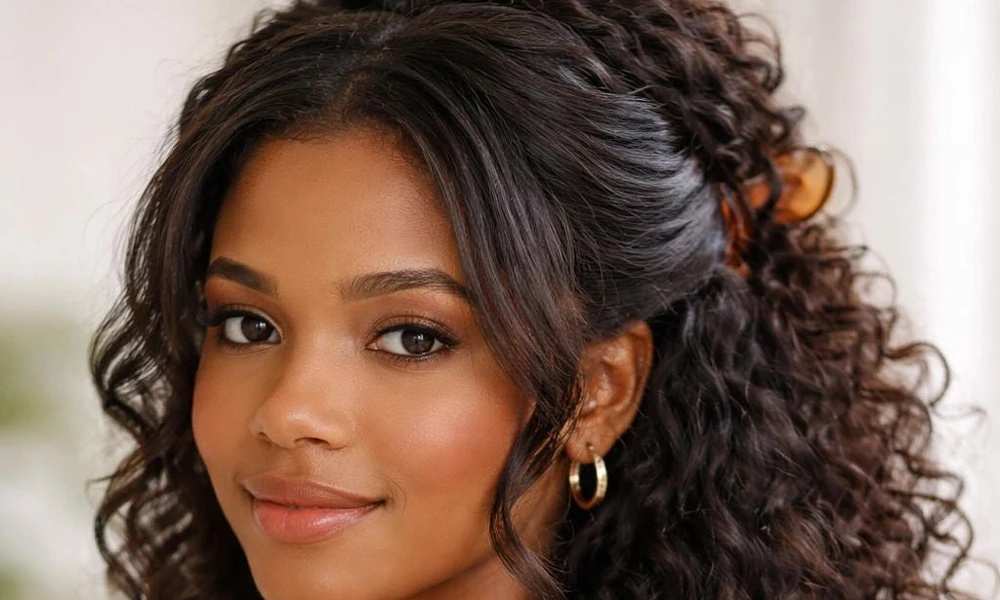
This style keeps some hair away from the face while allowing the remaining curls to stay loose. It works for everyday wear, dinners, celebrations, and weddings. Use a soft scrunchie or a gentle clip rather than pulling the hair tightly. A little curl cream or gel can help define the loose sections.
9. Curly High Ponytail
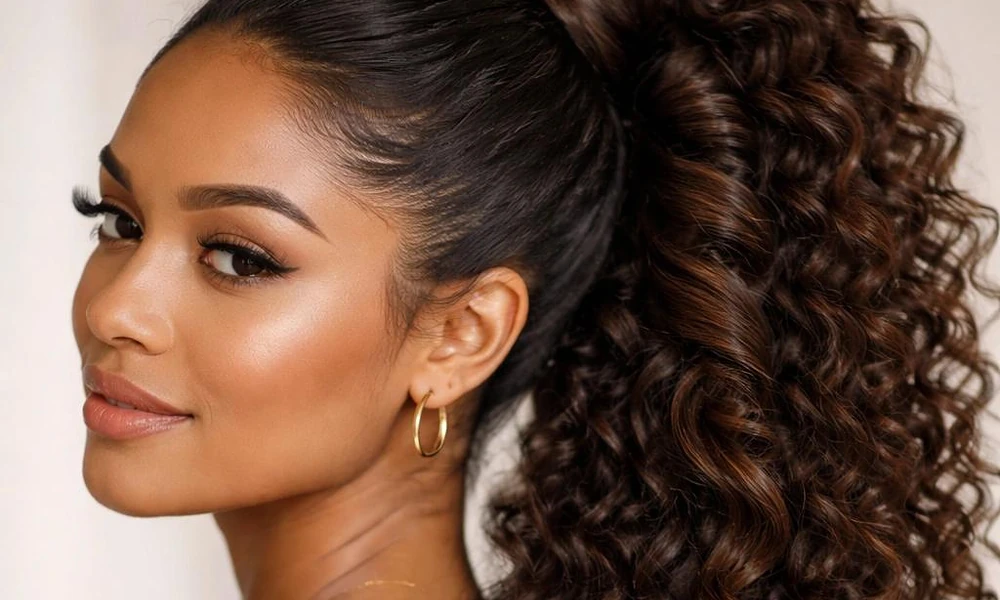
A high ponytail gathers curls into a lifted silhouette while allowing their natural texture to provide volume. It can look sporty, elegant, or glamorous depending on how the front and sides are styled. Avoid tying it so tightly that your scalp feels sore. Repeated tension from tight hairstyles can contribute to hair breakage and traction-related hair loss.
10. Low Curly Bun
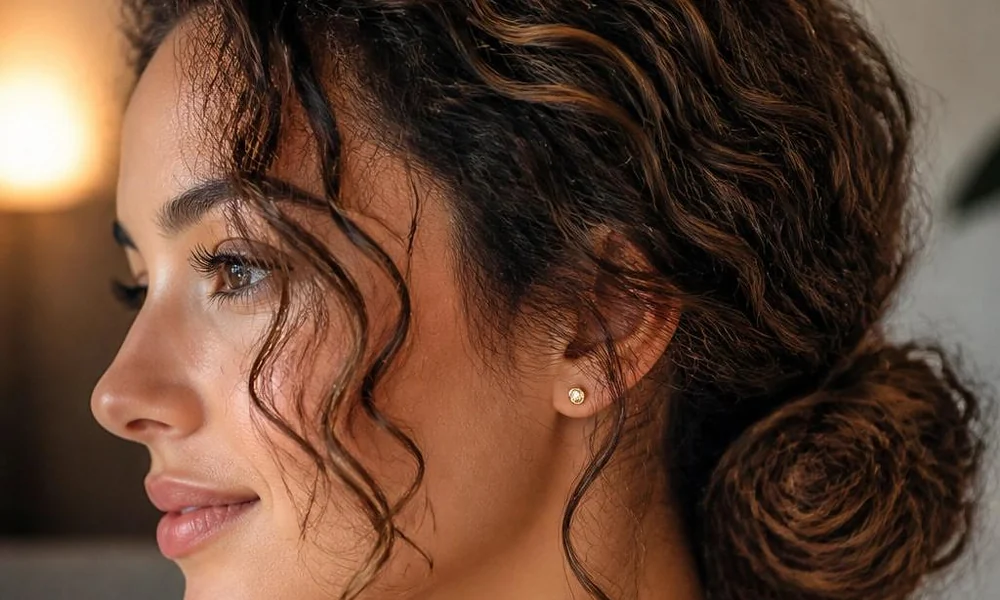
A low bun is a versatile choice for formal events or days when you want your curls secured. Leaving a few curls loose around the face creates a softer appearance. Use pins that do not snag the hair, and avoid twisting the curls so tightly that they lose their shape or become strained.
11. Curly Hair With a Side Part
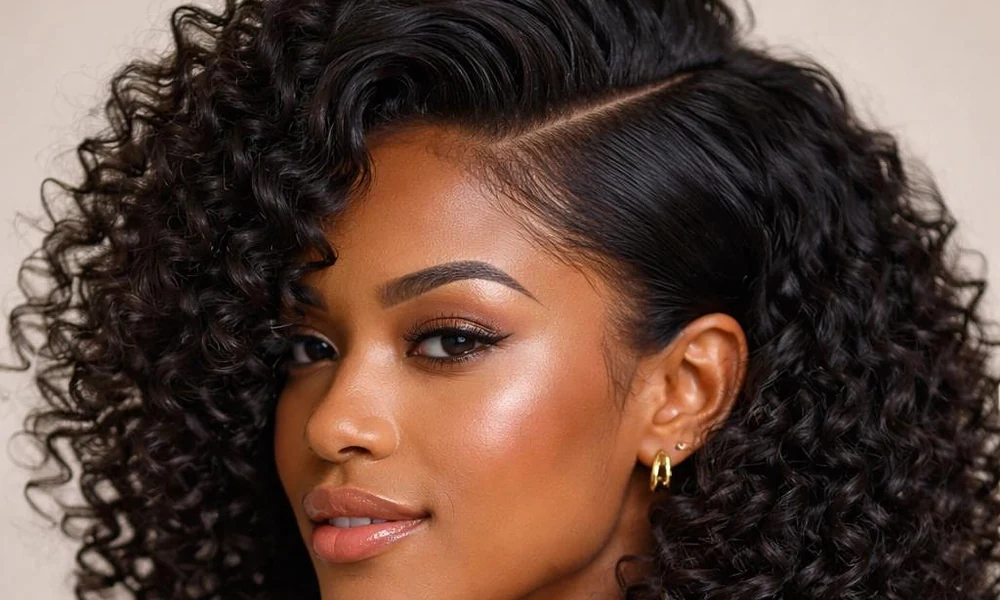
A side part can change the balance of your hairstyle without requiring a haircut. It can add height on one side and create a more dramatic frame around the face. Try moving the part slightly while the hair is wet, then allow the curls to dry in the new position.
12. Curly Wolf Cut
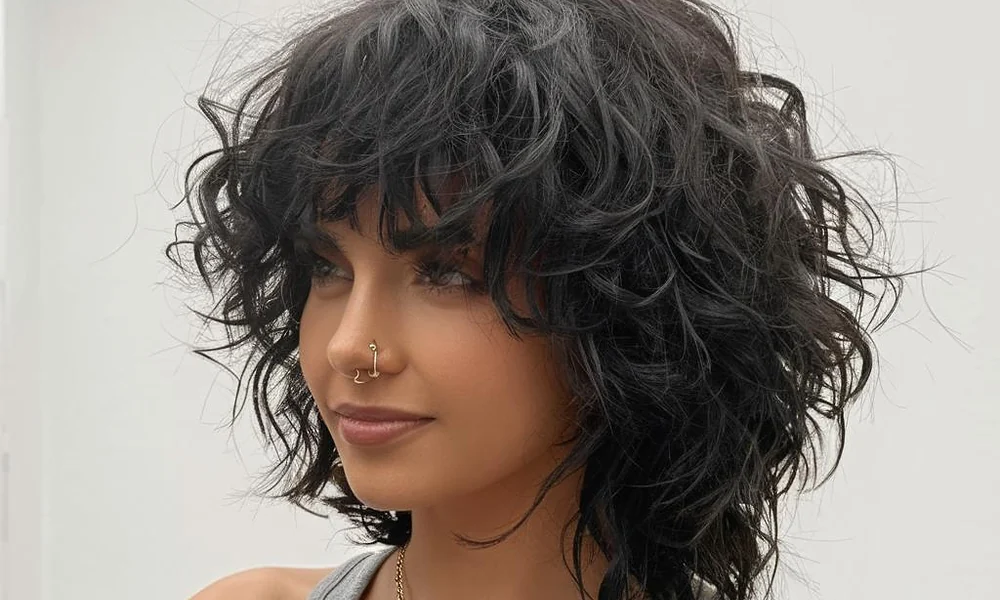
The curly wolf cut combines shorter layers around the crown with longer, textured lengths. It creates a deliberately undone look with plenty of movement. This cut is best discussed with a stylist who understands your curl pattern. The final shape can vary significantly depending on how tightly the hair coils.
13. Defined Ringlets
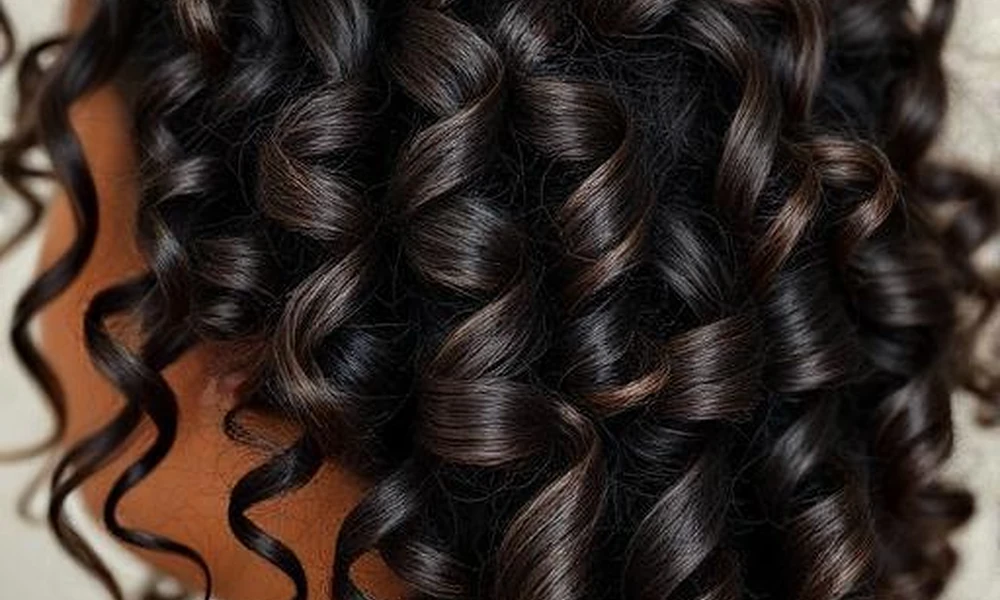
Defined ringlets emphasize the natural spiral pattern. A curl cream, gel, or mousse can help groups of strands form more consistent curls. Apply styling products to damp hair, distribute them evenly, and avoid repeatedly touching the hair while it dries. Once fully dry, gently soften any firm gel cast if the product instructions allow it.
14. Curly Fade
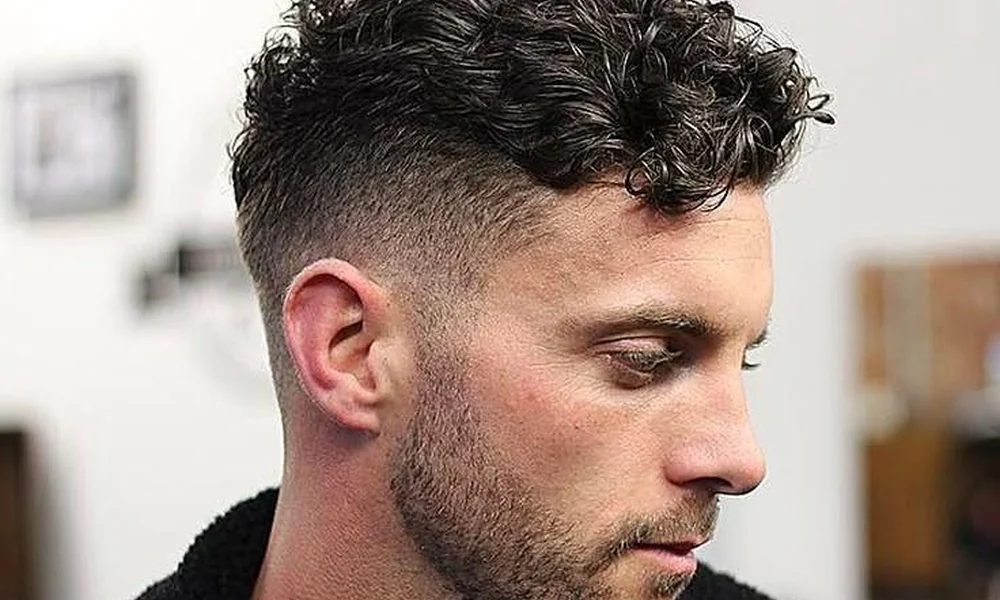
A curly fade pairs shorter tapered sides with a longer curly top. It can look clean and structured while retaining natural texture. The fade can be low, mid, or high, depending on how much contrast you prefer. Ask your barber to shape the top around your curl pattern rather than cutting it as if it were straight hair.
15. Natural Coils With a Tapered Cut
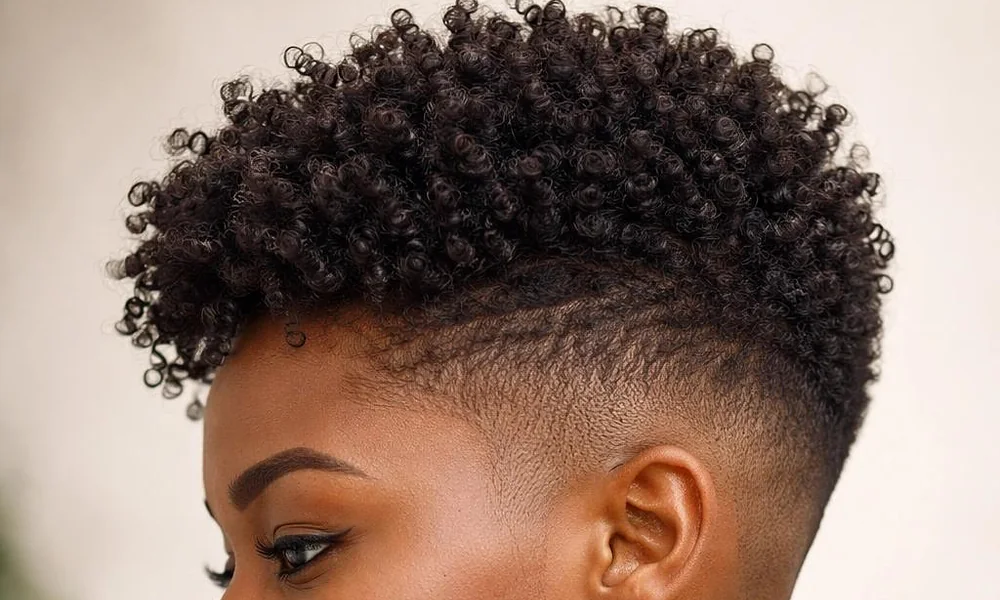
A tapered cut keeps the sides and back shorter while allowing coils to remain fuller on top. It creates a defined outline without removing the natural texture that makes coily hair distinctive. Regular moisturizing and gentle handling can help maintain the shape and reduce breakage, particularly if the hair is tightly coiled.
How to Care for Curly Hair
A good curly hair routine doesn’t need to involve a dozen products. The aim is to clean the scalp, condition the hair, detangle gently, and help your natural curl pattern form without unnecessary damage.
1. Choose a Shampoo That Suits Your Hair
Curly hair often benefits from a moisturizing shampoo, especially if the lengths feel dry. Focus shampoo on the scalp to remove oil, sweat, and product buildup rather than repeatedly scrubbing the entire length.
How often you wash depends on your scalp, lifestyle, and products. An oily scalp may need more frequent washing, while drier curls may need less. If you experience persistent flakes or itching, don’t simply keep reducing wash frequency; you may need a different scalp-care routine.
2. Use Conditioner Consistently
Conditioner helps soften the hair, improve manageability, and make detangling easier. Curly and coily hair often benefits from conditioning along much of the hair length rather than just at the ends.
For very dry hair, a leave-in conditioner may provide extra slip and help reduce friction. Start with a small amount, particularly if your hair is fine or easily weighed down.
3. Detangle Gently
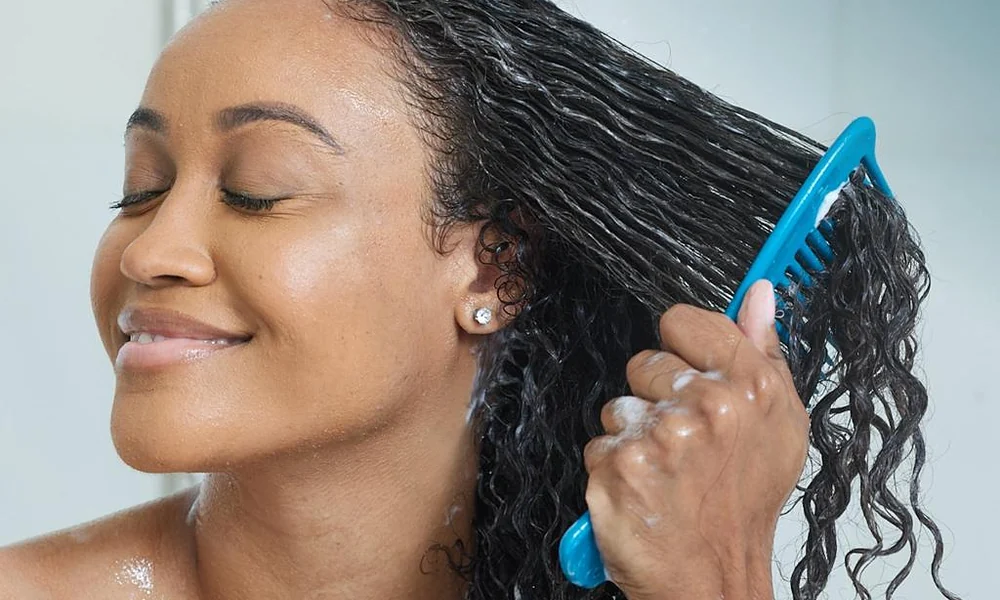
Knots can make curly hair frustrating to manage, but forceful brushing can cause breakage.
- Wet the hair thoroughly and apply conditioner or a suitable detangling product.
- Divide thick or long hair into manageable sections.
- Begin detangling near the ends and work gradually upward.
- Use your fingers or a wide-tooth comb, applying gentle pressure.
- Avoid repeatedly brushing dry curls if doing so disrupts their pattern or causes breakage.
Dermatologists recommend gentle detangling with a wide-tooth comb and avoiding rough towel-drying, which can damage hair.
4. Apply Styling Products to Damp Hair
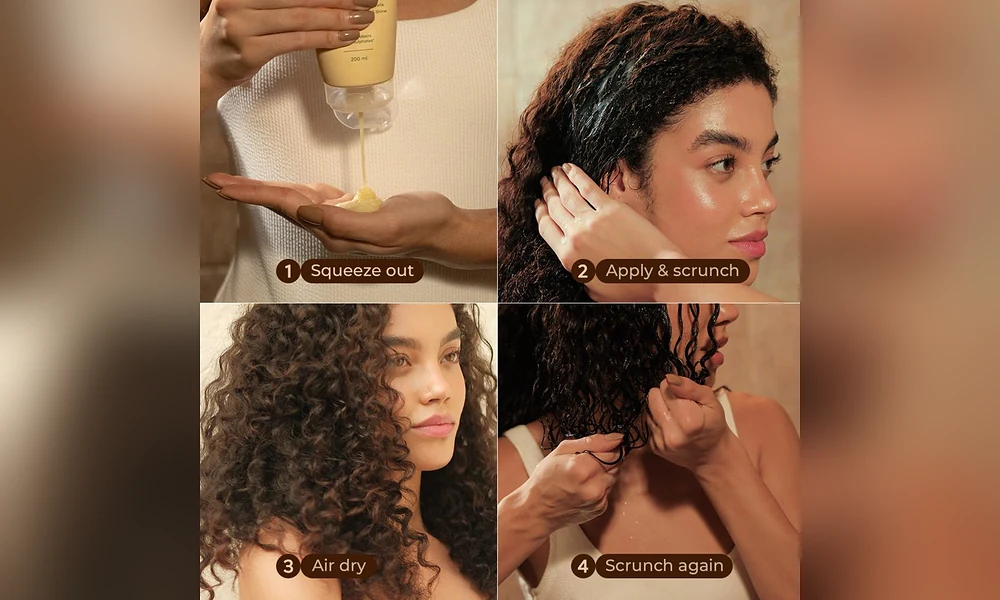
Many curly hairstyles begin with damp hair. Depending on your texture and preferred finish, you might use:
- Leave-in conditioner: Helps improve softness and manageability.
- Curl cream: Adds slip and helps group curls together.
- Mousse: Provides volume and a lighter hold.
- Gel: Helps maintain definition and reduce frizz during drying.
You don’t need every product. Start with one or two, apply them evenly, and see how your hair responds. Too much product can leave curls heavy, sticky, or coated.
5. Dry Your Hair Without Roughing Up the Curls
Letting curly hair air-dry can reduce heat exposure. If you use a hair dryer, consider a diffuser and a low or medium heat setting.
Avoid vigorously rubbing your hair with a regular towel. Instead, gently squeeze out excess water with a soft towel or cotton T-shirt.
Once the curls are drying, try not to touch them repeatedly. Constant handling can interrupt curl formation and increase frizz.
6. Protect Your Curls While Sleeping
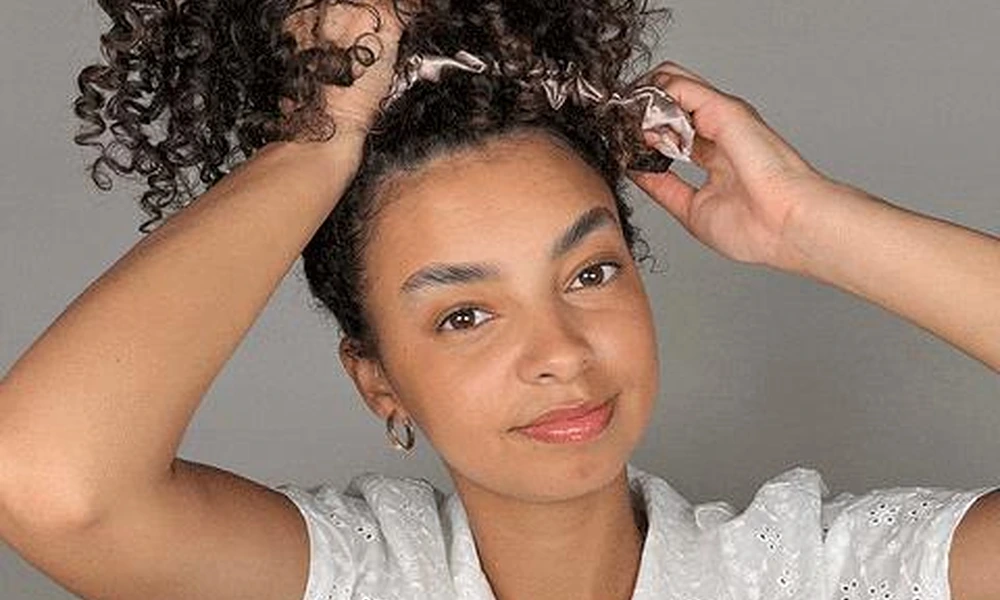
Friction against a pillow can leave curls tangled or flattened overnight. A loose pineapple hairstyle, a relaxed braid, or a satin bonnet may help preserve the shape.
A satin or silk pillowcase is another option. Choose a method that feels comfortable and doesn’t pull tightly on your scalp. The American Academy of Dermatology also recommends loose protective styling to reduce friction and breakage.
Best Products for Curly Hair
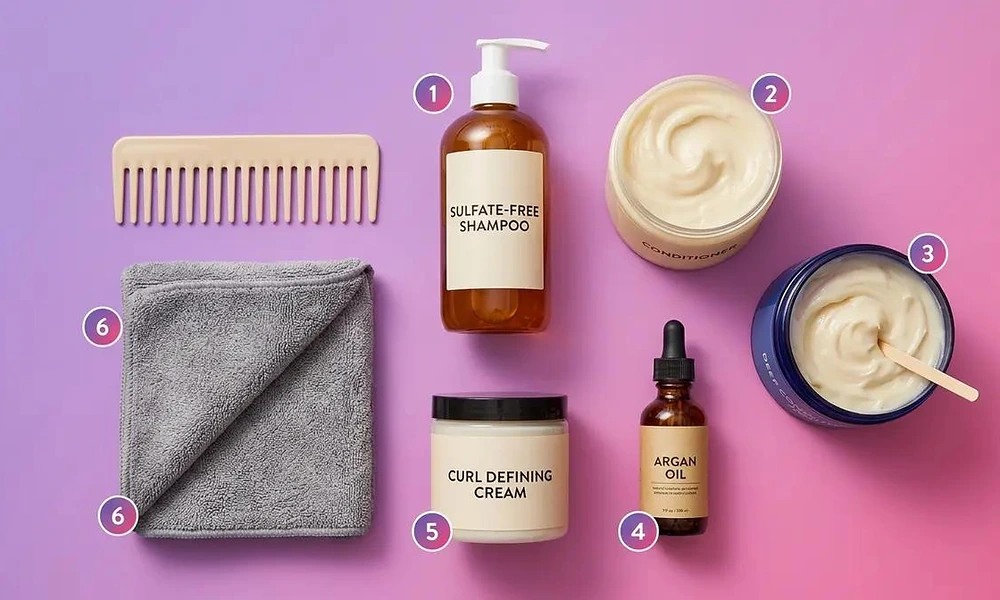
The most useful product depends on what your hair needs, not simply whether it is labeled “curly.”
| Product | Main purpose | Consider it if |
| Moisturizing shampoo | Cleans the scalp and hair | Your hair feels dry after washing |
| Rinse-out conditioner | Softens and detangles | Your curls knot easily |
| Leave-in conditioner | Improves manageability between washing and styling | Your hair feels rough or dry |
| Curl cream | Helps shape and define curls | You want softer, more grouped curls |
| Styling gel | Provides hold and definition | Your curls lose shape quickly |
| Mousse | Adds volume with relatively light hold | Heavy creams weigh down your hair |
| Clarifying shampoo | Removes accumulated product and residue | Your hair feels coated or products stop working as expected |
You may need to experiment to find the right balance. Fine curls often respond well to lighter formulas, while dense, coarse, or tightly coiled hair may benefit from richer conditioning products. Even within one curl type, individual results vary.
Common Curly Hair Mistakes to Avoid
A few everyday habits can make curls harder to manage.
- Brushing aggressively when dry: Can disrupt curl definition and contribute to breakage.
- Skipping conditioner: May leave hair harder to detangle.
- Using too much product: Can create buildup and weigh down curls.
- Applying excessive heat: Frequent high-heat styling can damage the hair fiber.
- Wearing tight hairstyles repeatedly: Can create tension around the hairline and contribute to traction-related hair loss.
- Ignoring the scalp: Itching, persistent flakes, or irritation may require changes to your routine or professional advice.
Curly hair doesn’t need to look perfectly uniform to be healthy. Frizz and variation are normal features of natural texture, and a routine should support your hair rather than make every strand behave identically.
Frequently Asked Questions About Curly Hair
What is the best haircut for curly hair?
Layered cuts, curly bobs, shags, and shoulder-length styles can all work well. The best option depends on your curl pattern, density, desired volume, and preferred length. Look for a stylist experienced in cutting natural curls.
How can I make my curls more defined?
Apply a suitable curl cream, mousse, or gel to damp hair, gently scrunch the curls, and let them dry without excessive handling. Product choice and technique matter more than using the largest number of products.
Why does curly hair get frizzy?
Frizz can be influenced by humidity, friction, dryness, damage, and the natural structure of curly hair. Conditioning, gentle detangling, and suitable styling products may help manage it, but eliminating all frizz isn’t necessary.
Should I brush curly hair every day?
You generally don’t need to brush curls daily. If your hair tangles, detangle gently when wet or damp with conditioner or a suitable detangling product. Avoid forceful brushing that stretches or breaks the strands.
How often should curly hair be washed?
There is no single schedule for every curl type. Consider your scalp’s oiliness, sweating, product buildup, and how your hair feels. Wash when needed, and adjust the routine if your scalp becomes itchy or flaky.
Does cutting curly hair make it grow faster?
No. Hair growth occurs at the scalp, and trimming the ends doesn’t increase the rate of growth. Regular trims can remove split ends and help maintain a haircut’s shape.
Can curly hair become straight naturally?
Curl patterns can change over time due to genetics, hormones, aging, and chemical or heat damage. Temporary styling can also change how hair looks, but repeatedly using high heat or chemical straightening may damage the hair.
Is curly hair naturally drier than straight hair?
Curly and coily hair can be more prone to dryness and breakage because the shape of the strands can make it harder for scalp oils to travel along the hair. Conditioning and gentle handling can help reduce friction and improve manageability.
Final Thoughts
Curly hair is wonderfully versatile, from loose waves and soft ringlets to tightly defined coils. The right haircut can bring out its natural shape, while a thoughtful care routine can make it easier to detangle, style, and maintain.
Start by understanding your hair’s needs rather than chasing a particular curl type. Use a suitable shampoo and conditioner, detangle gently, experiment with a small number of styling products, and protect your hair from excessive heat and tension.
With time, you’ll discover which techniques give your curls the best combination of definition, volume, softness, and movement.
Editorial note: Hair-care needs vary with texture, scalp condition, and previous chemical treatments, just as seasonal beauty routines can include festive styles like Christmas nail designs. If you experience persistent scalp irritation, sudden hair loss, or significant breakage, consult a qualified dermatologist.