

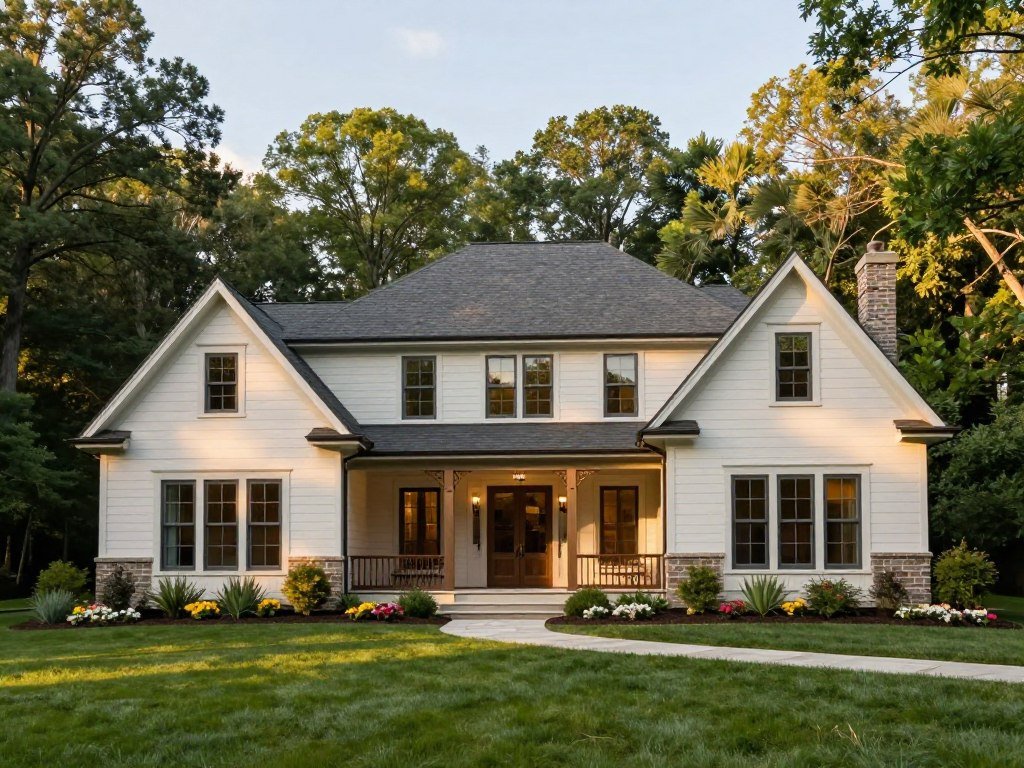
A luxury custom build in Maryland starts with two choices: where you want to live and whether you already have land. A homesite is the land where the new home will be built. You might also consider a home in a planned community or a move-in-ready option.
Your location, land and finish choices shape the project. In Montgomery County or elsewhere, match the home to your needs, dream and lifestyle. A thoughtful plan helps you balance room for special details with a comfortable daily routine.
Decide how much design input you want before comparing options. A community home may suit you if you prefer a set plan or faster move. A custom build gives you more room to shape the floor plan and finishes. Set a total budget that accounts for both the house and the property, not just the finished floor plan.
Key Takeaways
- Choose a location and project type.
- Include land in your total budget.
- Finish level affects construction cost.
- Custom plans can fit your lifestyle.
- Check builder coverage and credentials.
How Much Does a Luxury Home Builder Maryland Project Cost?
A 2,500-square-foot custom home in Maryland has an estimated 2026 construction baseline of $625,000-$1,125,000+, before land. Luxury home builder costs in Maryland are estimated at $400-$550+ per square foot in 2026. That baseline covers construction only, not the homesite.
Site conditions, county and finish expectations move the estimate. A detailed floor plan and high-quality materials can raise the cost beyond a simpler build.
A county line can change the cost picture even when the floor plan stays the same.

Construction budgets by finish level
These ranges help you compare home building choices, not price a specific project. Basic builder-grade construction costs an estimated $250-$275 per square foot. Mid-range custom homes are estimated at $300-$375 per square foot.
| Build category | 2026 cost per square foot | Scope note |
|---|---|---|
| Builder-grade | $250-$275 | Basic finishes |
| Statewide custom | $250-$450+ | Broad custom range |
| Mid-range | $300-$375 | More finish choices |
| Premium or luxury | $400-$550+ | Higher-end detail |
| Challenging waterfront or high-end regional projects | Can exceed $500 | Site and finish demands |
For context, the National Association of Home Builders reported a 2024 national average construction cost of $428,215, or about $162 per square foot. Its 2024 construction cost survey is a national measure, not a Maryland project quote.
Land, site work and regional costs
Land can add $100,000-$500,000+ depending on the county. Difficult lots with poor soil, steep slopes or limited utility access can add $50,000-$150,000+.
Waterfront homes near Annapolis or the Eastern Shore, plus high-end builds in Potomac or Bethesda, can exceed $500 per square foot. Site work and finish expectations both affect the final figure. Get a site-specific estimate before treating a per-square-foot figure as a full project budget.
What Happens From Design Through Handover?
If you already own land and want a design shaped around it, a design-build service can coordinate the plan with construction. Design-build means one service handles both steps, which can help connect the floor plan to the homesite. A custom home can take about 12 months from groundbreaking to key handover.
Classic Homes of Maryland offers design-build on a client’s own homesite. You can change a portfolio plan or start with a design created from scratch. Explore luxury home design ideas to help shape your priorities.
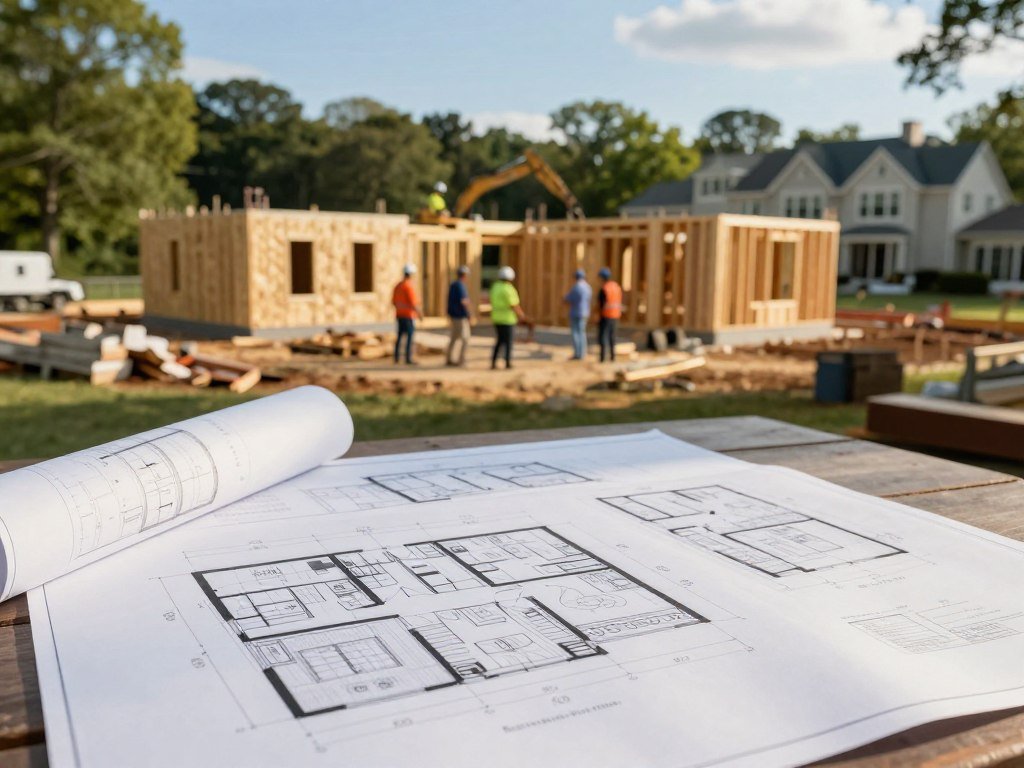
The best luxury home builder Maryland homeowners choose depends on the project. Classic Homes fits a buyer seeking a custom design on owned land. Community listings fit buyers seeking a home or homesite for sale.
Luxury spec homes in Maryland are offered as homes or community inventory, not as one-off designs commissioned by a buyer. Cattail Chase in Woodbine, Howard County, lists 3-acre homesites starting at $1,529,900 in 2026. Greenleigh in Baltimore County lists manor and villa homes starting at $679,900 in 2026. These are community listings, not statewide custom-build prices.
Weather, material delays, client selections and design changes can shift the schedule. Local county and municipal offices handle zoning and building permits. Find the right office through the Maryland local permits directory, then include approvals and site readiness in early planning.
Resolve major layout and finish choices early, since later design changes can affect the handover schedule.
How Do You Compare Maryland Builders by County and Build Type?
A builder’s service-area fit matters first, since a firm’s coverage can differ between Baltimore, central Maryland and western counties. County coverage narrows your shortlist, while the project model shows whether a firm suits your homesite or community plans. Match the builder’s service area to the county where you want the home built.
Williamsburg Homes builds in Howard, Montgomery, Baltimore and Anne Arundel Counties. Ten Oaks Homes builds custom homes in Harford and Baltimore Counties. Greenspring Homes offers custom builds on your own lot and homes on its land in the Baltimore region.
A service-area map is a starting point, not proof that a builder fits your project.

Match the service area and project model
Zimmerman Homes serves Carroll and Frederick Counties and is licensed and operational there. Its one-year materials and workmanship guarantee is a specific contract detail to review. Zimmerman’s one-year guarantee does not replace a close look at the full written warranty.
Custom home builders in Baltimore County, Maryland include firms with different project models, such as Ten Oaks and Williamsburg. Recent Williamsburg Homes reviews can reveal recurring themes in communication, change orders and warranty follow-through. Look for independent, recent feedback, not a single rating.
Zimmerman Home Builders may fit buyers in Carroll or Frederick Counties who want a home built there. Compare its service area and contract terms with other local builders.
Verify registration, protection and relevant credentials
Maryland requires new-home builders to hold HBRU registration before contracting with consumers. The existing-home improvement license, or MHIC license, is separate and covers qualifying work on existing residential buildings of up to three units. The Maryland Attorney General’s builder registration rules explain the new-home requirement.
- Confirm the builder’s HBRU registration.
- Check whether existing-home work needs an MHIC license.
- Verify the insurance and financial qualifications that apply.
- Review the written warranty and contract scope.
The initial HBRU registration fee is $800 every two years. The Home Builder Guaranty Fund generally caps actual-loss claims at $50,000 per claimant.
Initial MHIC costs are a $281.25 application fee, a $100 Guaranty Fund assessment for new applicants and a $22.50 processing fee. Applicants need two years of relevant experience or comparable education, plus $30,000 personal net worth or a $30,000 surety bond.
Since June 1, 2024, MHIC issuance or renewal requires at least $500,000 in general liability insurance. The PSI Maryland Home Improvement Exam has 55 open-book questions, 150 minutes and a 70% passing score. Its exam rules and retake waits include a $63 fee, a 30-day wait after the first failure and a 60-day wait after the second.
Confirm the registration and license that match the exact work in your contract before signing.
Conclusion
A well-matched builder is one whose project model, service area and process fit the way you want to build. The right approach also fits your homesite, budget and preferred level of design involvement.
Bring parcel details or a site address to your first meeting. A target budget and a short list of must-have priorities can help the team discuss a useful plan. Note which choices you have already made, such as location or a preferred floor plan. Your experience with those details can make the first conversation more focused.
Gather your parcel information, budget range and priority list, then request a focused first meeting with a builder serving your county.
FAQ
What contingency should I set aside for a Maryland custom home?
Can a construction-to-permanent loan cover a custom home?
What should a custom-home contract say about allowances?
Can I change the design after construction starts?
Can I build a new home where an older house stands?
Should I choose all finishes before groundbreaking?






