

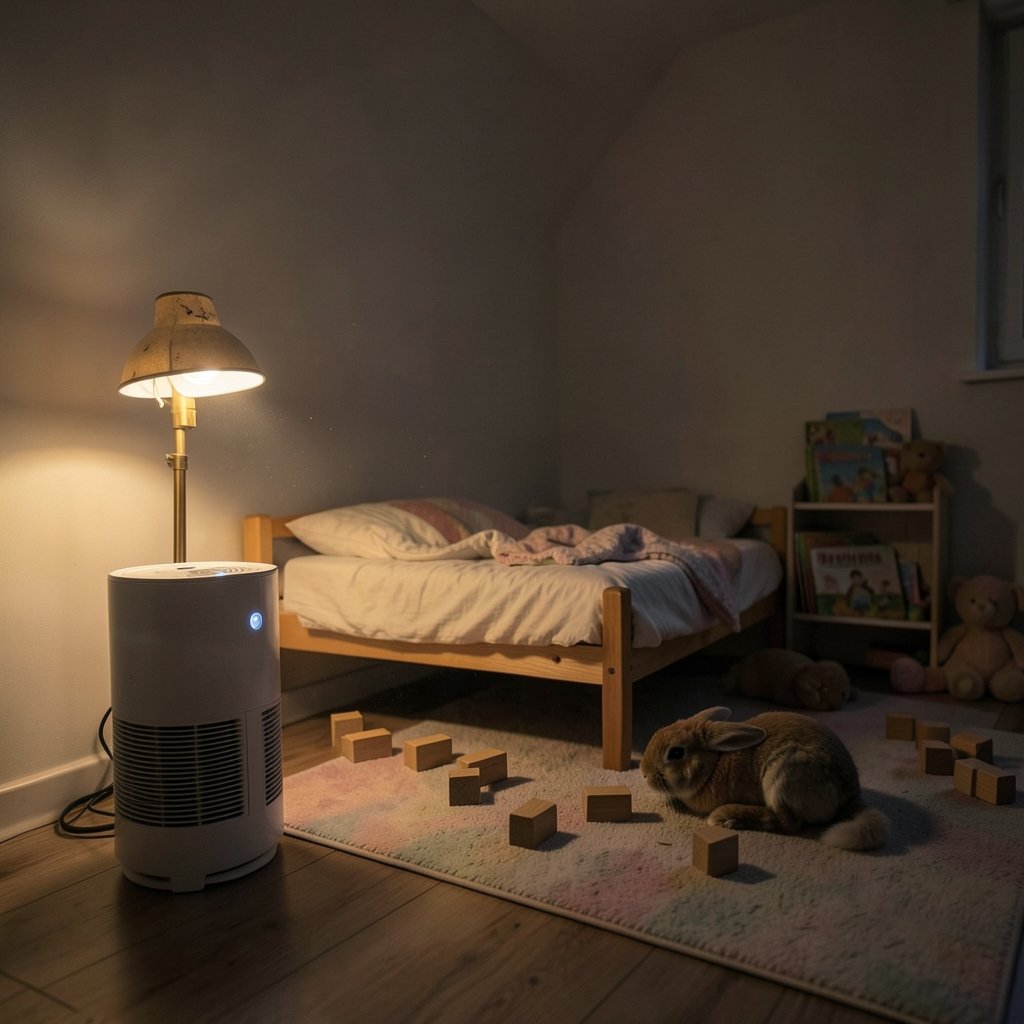
What if the thing making you sneeze all night isn’t outside pollen at all, but the air sitting two feet from your pillow? That’s the uncomfortable truth many allergy sufferers discover late: indoor air can be just as loaded with triggers as a spring breeze, and often more so. Dust mite particles, pet dander, mold spores, and fine smoke settle into bedrooms and living rooms and stay there. A good air purifier can help, but only if it’s the right kind, sized correctly, and maintained properly. This guide cuts through the marketing and explains what genuinely works, what to ignore, and how to choose a unit that earns its place in your home. (Car c fix your air isnt cold repair it right)
Why indoor air matters more than you think
Most people picture allergies as an outdoor problem. In reality, the average person spends the majority of their time indoors, and indoor air carries a steady mix of allergens. Common triggers sit in a size range that filtration can actually target. Cat and dog allergens ride on particles mostly under 10 micrometers, often between 1 and 5 micrometers. Dust mite allergen travels in fecal particles roughly 10 to 20 micrometers across, while pollen grains are larger, typically 10 to 100 micrometers.
That size detail matters because it tells you what a filter needs to catch. It also explains why a cheap “ionizer” with no real filter does almost nothing useful. The particles are small, but they’re not invisible, and they don’t vanish on their own.
What “true HEPA” really means
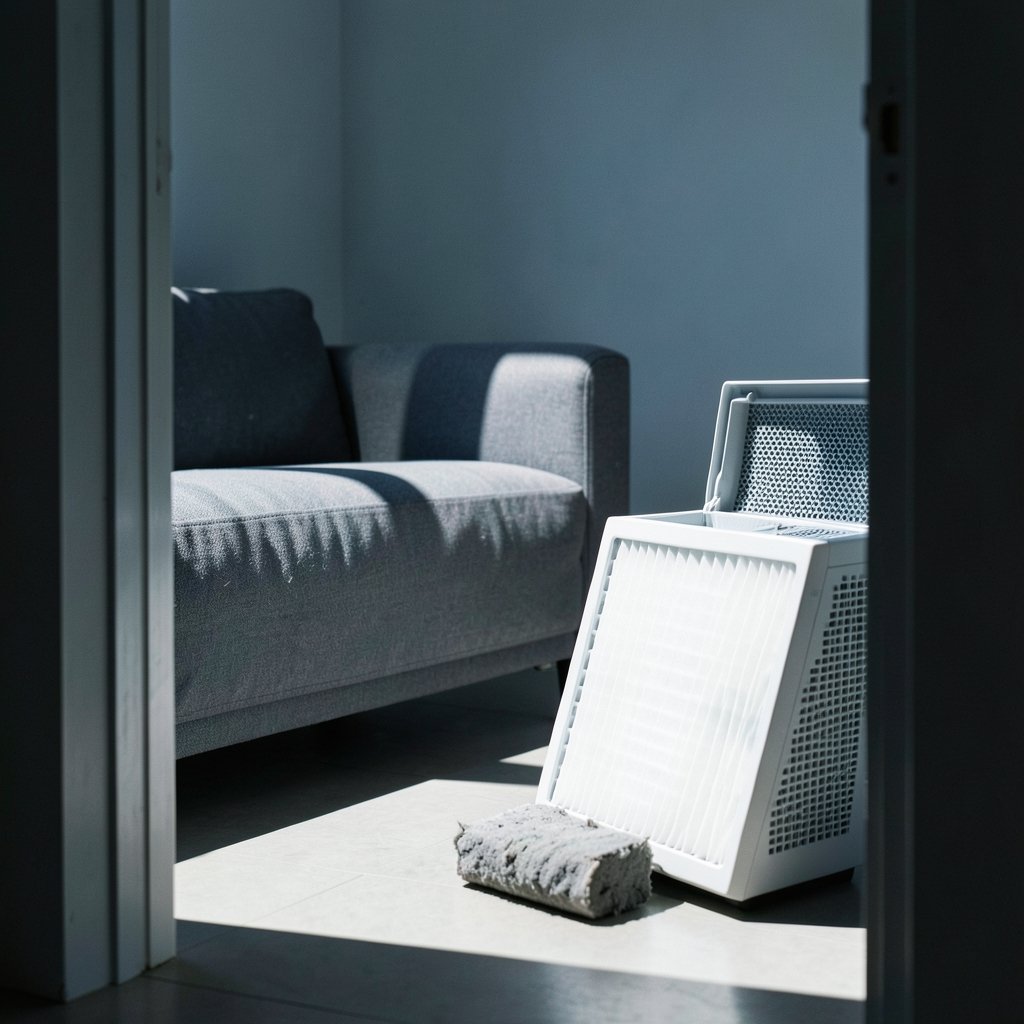
The phrase true HEPA gets thrown around loosely. Under standards such as IEST-RP-CC001 and EN 1822, a HEPA filter must remove at least 99.97% of particles at 0.3 micrometers, which is considered the most penetrating particle size, the hardest size to trap. That’s a definitional benchmark for the filter media, not a promise about how a whole device performs in your room.
This distinction trips people up constantly. A unit can contain a genuine HEPA filter and still underperform if its fan is weak, its housing leaks, or the filter is clogged. When shopping, look for language like “true HEPA” or a stated HEPA class, and be skeptical of vague terms like “HEPA-type” or “HEPA-like,” which have no fixed meaning. If a listing won’t state the standard, assume it’s marketing.
CADR beats every other spec on the box
If you remember one number from this article, make it CADR, or Clean Air Delivery Rate. The Association of Home Appliance Manufacturers certifies room air cleaners by CADR for smoke, dust, and pollen, measured in cubic feet per minute. It combines how much air the unit moves with how well it filters that air, which is exactly what you care about.
AHAM’s rule of thumb is refreshingly simple: choose a CADR roughly equal to your room’s floor area in square feet, assuming a standard 8-foot ceiling. A 200-square-foot bedroom wants a CADR near 200. A large open living space needs more. Many popular purifiers are sold with impressive-sounding claims but modest CADR, and that gap is where disappointment lives.
| What to check | Why it matters | Red flag |
|---|---|---|
| CADR (smoke, dust, pollen) | Real-world cleaning power | No CADR listed at all |
| True HEPA filter | Traps fine allergen particles | “HEPA-type” wording |
| Room size rating | Prevents undersizing | One unit for a whole house |
| Ozone production | Protects airways | Marketed as “ozone generator” |
| Filter replacement cost | Long-term budget | Rare or pricey filters |
The last row deserves attention. A purifier is a subscription, not a one-time purchase. Factor in filter costs before you fall for a low sticker price.
The ozone trap: skip these entirely
Some devices are sold as “air purifiers” but actually generate ozone, sometimes deliberately, sometimes as a byproduct. The U.S. EPA and the California Air Resources Board have both warned that ozone-generating purifiers can push indoor ozone to levels that irritate airways. California regulates these devices under its ozone-emitting air cleaner rule, effective 2008 with later amendments.
Here’s the practical takeaway: avoid anything marketed as producing ozone, and be wary of “ionizers,” “plasma” units, and “activated oxygen” cleaners that don’t clearly state their ozone output. Ozone is a lung irritant, and people with allergies or asthma are exactly the wrong audience for it. If a product’s pitch leans on “fresh, clean smell,” that smell may be ozone, not cleanliness.
Does filtration actually help allergies?
This is where honesty matters. The evidence is real but mixed. A 2018 systematic review and meta-analysis found that HEPA air filtration was linked to reduced indoor particulate matter and some symptom improvement in allergic rhinitis, but the evidence quality was low to moderate and the studies were small. Some trials show symptom benefit; others show only lower particle counts.
So a purifier is a helpful tool, not a cure. It won’t “treat” allergies, and no credible source claims it does. What it can do is lower the allergen load in a room, which for many people makes nights more comfortable and mornings less congested. Think of it as one layer in a broader strategy, not a silver bullet.
Source control comes first
Public-health guidance is consistent on one point: no purifier replaces reducing the source of allergens in the first place. Filtration cleans air that’s already circulating; it doesn’t stop allergens from being produced.
What actually works in practice, based on common allergy-avoidance advice:
- Encase mattresses and pillows in allergen-proof covers to cut dust mite exposure where you sleep.
- Wash bedding weekly in hot water.
- Control pet dander by keeping pets out of the bedroom and grooming regularly.
- Fix moisture problems that feed mold, and ventilate bathrooms and kitchens.
- Vacuum with a HEPA-equipped vacuum rather than sweeping dust into the air.
- Run the purifier where you spend the most time, especially the bedroom overnight.
A purifier paired with these steps does far more than a purifier alone. Skipping source control and expecting the machine to fix everything is the single most common mistake people make.
Matching the machine to the room
Oversizing and undersizing are both problems, but undersizing is worse. A small unit in a big room simply can’t cycle enough air. As a rough guide:
| Room type | Typical size | CADR target |
|---|---|---|
| Bedroom | 100–200 sq ft | 100–200 |
| Living room | 250–400 sq ft | 250–400 |
| Open-plan space | 500+ sq ft | 500+ (or multiple units) |
If you’re cooling or heating that room too, it’s worth understanding how your HVAC system and a portable purifier work together. For homes in humid climates, the cooling advice for island homes is a useful companion read, since moisture control and filtration often go hand in hand. And if your air conditioning itself is struggling, it pays to fix your AC rather than expecting a purifier to compensate for a system that isn’t moving air properly.
Placement and airflow: the boring details that matter
Where you put the purifier changes its performance more than most people expect. A few practical rules:
- Give it breathing room. Don’t shove it against a wall or behind furniture. Intake and exhaust need clearance.
- Run it on high when you’re out, lower when you’re in. Many units are loudest at maximum speed, so use the quiet setting overnight.
- Close the door. A purifier works best in an enclosed space. Trying to clean a whole open house with one unit is a losing battle.
- Keep it near the allergen source, not across the room. Beside the bed is better than in a far corner.
Also, don’t obsess over fancy features. Wi-Fi controls and air-quality lights are nice, but they don’t clean air. The filter and the fan do.
Filter maintenance: the part everyone skips
A loaded HEPA filter raises airflow resistance and lowers CADR. In plain terms, a clogged purifier cleans less air while using the same electricity. Manufacturers specify replacement intervals, but real-world timing depends on how much particulate load your home generates, pets, smoke, and dust all shorten filter life.
What works in practice: check the pre-filter monthly and vacuum or rinse it if it’s washable, since a clean pre-filter protects the expensive HEPA stage behind it. Replace the HEPA filter when airflow drops noticeably or the unit’s indicator triggers, whichever comes first. Keep a spare on hand so you’re never tempted to “stretch” a filter past its useful life. The same principle of staying on top of maintenance applies to other household systems, whether it’s a cooling service visit or keeping a snack appliance running clean. If you’ve ever wondered what a proper air conditioning service visit actually involves, you’ll recognize the pattern: the routine stuff is what keeps performance steady.
A quick word on lifestyle and air quality
Air quality inside your home isn’t only about allergens. Cooking, candles, and smoke all add particles. If you’re a popcorn person, you already know the smell lingers, and the same article on the crispier air-popped way to snack is a reminder that everyday activities load the air. Running the purifier or range hood while cooking helps. Similarly, small habits like reducing scented products and keeping windows closed on high-pollen days make a measurable difference. (Air popcorn lighter crispier way snack)
There’s also a comfort angle worth mentioning. People who breathe easier at night tend to sleep better, and better sleep improves how tolerable allergy season feels. Some of that is about the bedroom environment as a whole, from air quality to temperature. Even hair care habits like air drying to avoid heat damage reflect the same broader idea: small, consistent choices about your environment add up.
How to choose without overpaying
Here’s a straightforward buying process that works:
- Measure your main room in square feet.
- Set a CADR target roughly equal to that number.
- Confirm true HEPA filtration and a stated standard.
- Check ozone output and skip anything that generates it.
- Calculate yearly filter cost before buying.
- Read noise specs if it’s going in a bedroom.
- Ignore marketing superlatives and compare CADR numbers directly.
Following these steps will land you on a solid unit at almost any budget. The expensive models aren’t automatically better; some mid-priced purifiers have excellent CADR and cheap filters, which is the combination that actually matters over years of use.
Conclusion
The best air purifier for allergies isn’t the flashiest or the most advertised. It’s the one with a genuine HEPA filter, a CADR matched to your room, no ozone output, and filters you’ll actually replace on schedule. Pair it with real source control, smart placement, and a little maintenance discipline, and you’ll notice the difference where it counts: quieter nights, easier mornings, and air that finally feels like it’s working with you instead of against you. Start with your bedroom, get the sizing right, and let the machine do its quiet job while you sleep.
Frequently Asked Questions
Do air purifiers really help with allergies?
They can reduce airborne allergen particles, but the evidence on symptoms is mixed: some results show improvement in allergic rhinitis, while others show only lower particle levels. A purifier is a supporting tool, not a treatment, and it works best with source control such as mattress covers and pet management.
What CADR do I need for my room?
A common rule of thumb is a CADR roughly equal to your room’s floor area in square feet, assuming a standard 8-foot ceiling. A 150-square-foot bedroom wants a CADR near 150. Larger or open spaces need proportionally more, or multiple units.
Are ozone-generating air purifiers safe?
No. Both the U.S. EPA and California regulators warn that ozone-generating purifiers can raise indoor ozone to levels that irritate airways. People with allergies or asthma should avoid them entirely and choose filter-based HEPA units instead.
How often should I replace the HEPA filter?
Follow the manufacturer’s interval as a starting point, but replace sooner if airflow drops or the unit’s indicator triggers. Homes with pets, smoke, or heavy dust load filters faster. Cleaning the pre-filter regularly helps the main HEPA filter last longer.
Is one purifier enough for a whole house?
Rarely. A single unit works best in an enclosed room. For a whole house, you’d need multiple units or a properly designed whole-home filtration system. Trying to clean an open floor plan with one small purifier usually disappoints.
What’s more important, the filter or the fan?
Both matter, which is exactly why CADR is the number to check. A great filter with a weak fan moves too little air, and a strong fan with a poor filter traps too little. CADR combines the two into one comparable figure.














