

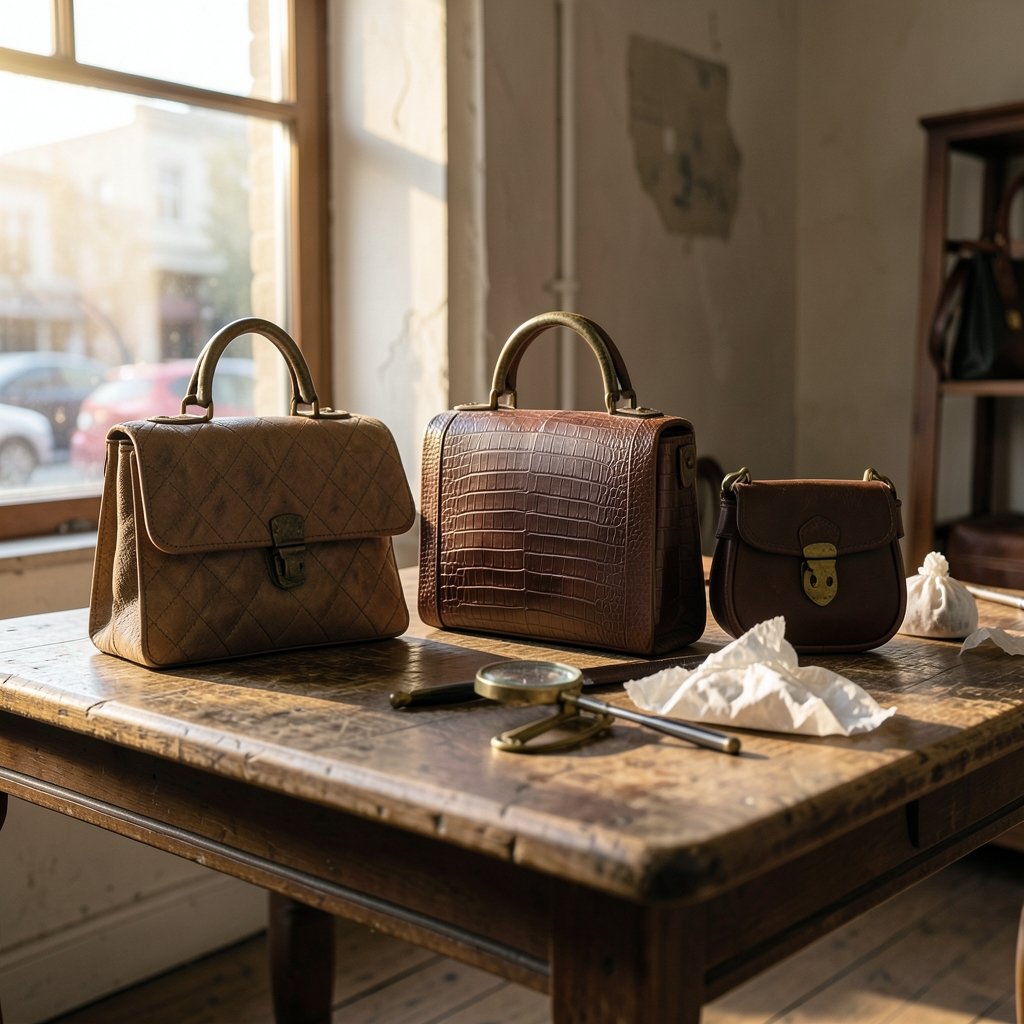
Can a bag that costs less than a new mid-range tote really be an authentic Chanel from the 1990s? Sometimes, yes. But the gap between a genuine vintage treasure and a very convincing fake is often narrower than buyers expect, and that gap is exactly where money gets lost.
The pre-owned luxury market has exploded in recent years, and the pre-loved designer handbag now sits at peak popularity. That popularity cuts both ways. It means more choice, more discontinued styles and colourways that boutiques no longer produce, and more people hunting the same rare pieces. It also means more sophisticated replicas, more sellers who know exactly which words trigger a purchase, and more listings that look perfect until the bag arrives. (Designer gift bags)
What follows is a practical sequence of steps, in the order a careful buyer actually does them, with the expected result of each. It is written for someone who wants to get this task done, not read a history of luxury fashion.
What You Need Before You Start
Three things, and none of them cost money.
First, a defined target: one or two specific models, in specific sizes and colourways. Vague browsing is how budgets dissolve. Second, a realistic price range for that model in the condition you can accept. Prices vary significantly between private sellers and professional resellers, so understanding the typical range before you look at a single listing is what lets you spot an outlier. Third, a condition threshold: are you happy with a bag that shows honest wear in exchange for a lower price, or do you need something close to like-new?
One more piece of preparation matters. Decide in advance that you will walk away from anything you cannot verify. The thrill of the hunt is real, and it is the single most reliable way buyers talk themselves into mistakes.
Step 1: Research the Model Until You Could Spot It Blindfolded

Expected result: you know what the bag should look like, down to hardware, stitching and interior stamps.
Go deep on the exact model. Look at dozens of photos of genuine examples. Learn where the brand places its logo, how the interior label is attached, what the zipper pulls feel like in descriptions, and which hardware finishes were produced in which era. This is not busywork. In an era of superfake replicas made so convincingly that even a trained eye can struggle to tell an original from a copy, photographs alone will not always save you. Detailed familiarity is what makes the difference between a considered purchase and a gamble.
This is the same discipline collectors apply elsewhere in the market. Anyone who has read up on what art collectors should know before buying understands that provenance and documentation carry as much weight as the object itself. Bags work the same way.
Step 2: Choose the Seller Type Before You Choose the Bag
Expected result: you know what protection and evidence you have if something goes wrong.
Where you buy shapes what you can see and what recourse you have. The trade-off is real, so make it deliberately.
| Seller type | Strength | Weakness |
|---|---|---|
| Professional reseller with authentication | Verified item, return policy, condition grading | Higher prices |
| Peer-to-peer marketplace | Lowest prices, widest selection | Seller sets the price, little verification |
| Auction house | Rare and discontinued pieces | Condition may be harder to judge remotely |
For a special investment like a vintage bag, going professional is the safer route. Peer-to-peer platforms are excellent for lower-stakes finds, but for a four-figure purchase, a trusted reseller with an authentication process and a clear returns policy is worth the premium. If you are buying a luxury handbag, be certain you are buying from a legitimate source that verifies authenticity and stands behind it.
Step 3: Read the Listing Like a Skeptic
Expected result: you either have enough information to proceed or a clear reason to move on.
Strong listings share recognizable traits. They carry substantial detail about the bag, multiple images from several angles, and a seller who is willing to answer follow-up questions. Transparency is the tell. A seller with nothing to hide will happily send extra photos of the corners, the interior, the date code area and the hardware.
Red flags to watch for:
- A price far below the established range for that model. If a bag that normally sells for thousands is listed at a fraction of that, it is too good to be true.
- Two or three glossy photos and a one-line description.
- Reluctance to provide additional images or answer specific questions.
- Vague statements about authenticity with no documentation.
Step 4: Zoom In on the Details That Are Hard to Fake
Expected result: you have a shortlist of specific details to verify, and you know which ones the photos cannot settle.
Even without encyclopaedic brand knowledge, certain hallmarks of genuine luxury are extremely difficult to replicate perfectly. Start by zooming in on the stitching in the seller’s photos. High-end houses pride themselves on precise, even stitching, and sloppy or irregular stitching is a warning sign.
Then check the hardware weight and finish, the alignment of patterns across seams, the interior lining material, and the clarity of any stamped logo. Compare each against the reference photos you gathered in Step 1.
Be honest about the limits here. If the photos are not sharp enough to show stitching and stamps clearly, ask for better ones. If the seller cannot or will not supply them, that is your answer.
Step 5: Verify Authenticity With a Second Opinion
Expected result: an independent judgement on the bag, based on more than the seller’s word.
For anything expensive, build a second opinion into the process. Use a platform that authenticates items before they ship, or commission a paid authentication service that reviews photos and details. Many resellers include authentication as standard, which is precisely why their prices sit higher.
Do not rely on your own confidence alone, especially on a first vintage purchase. The replica market has become good enough that humility is cheaper than certainty.
Step 6: Understand the Condition Grade Before You Pay
Expected result: no surprises when the parcel arrives.
Condition language varies between sellers, so ask what the grade actually means in practice. A bag described as showing minor wear might have scuffed corners, a darkened handle, or faint scratches on the hardware. None of those are dealbreakers. They are simply things you should know about before money changes hands, because they affect both your satisfaction and the bag’s resale value later.
Ask directly about: corner wear, handle darkening, interior staining, hardware tarnish, odour, and whether the strap or chain is original to the bag.
Step 7: Confirm the Return Policy in Writing
Expected result: you know exactly what happens if the bag is not as described.
Before paying, find the returns policy and read it properly. Know your options if something goes wrong. A generous returns window is one of the clearest signals that a seller is confident in what they are selling, and it is your main protection when buying remotely.
Pay with a method that offers buyer protection. Avoid bank transfers to private sellers, which leave you with almost no recourse.
Step 8: Budget for Care and Restoration
Expected result: the true cost of ownership, rather than the purchase price alone.
Vintage bags often need a little attention: a conditioning treatment, a hardware polish, sometimes a professional clean. Factor that into what you are willing to spend. A bag at the top of your budget with visible wear may cost more in the end than a slightly pricier example in better condition.
This is the same logic that applies to any secondhand purchase where hidden costs lurk. Buyers weighing how much mileage is too much on a used car face the identical calculation: the sticker price is only the opening number.
Common Mistakes and How to Fix Them
Shopping without a budget. The thrill of browsing is genuine, and it is exactly what pushes people past their limit. Fix: set the number before you open a single tab, and treat it as fixed.
Trusting a single photo. One flattering image hides corners, lining and hardware. Fix: require multiple angles, and ask for more.
Skipping the price comparison. If your browser does not have dozens of tabs open comparing resale sites and peer reviews, the research is not finished. Fix: cross-check the same model across several sources before committing.
Ignoring the seller’s history. A seller’s reviews and track record matter as much as the bag. Fix: read them, and look for patterns rather than isolated complaints.
Buying on emotion at the last minute. Auction endings and “one left” listings are designed to compress your judgement. Fix: decide your maximum in advance and let the item go if it passes.
Forgetting the accessory question. Dust bags, authenticity cards and original boxes affect value and are frequently missing from vintage pieces. Fix: ask what is included, and price accordingly.
A Note on Value and Longevity
Some models and finishes from major luxury houses hold or grow in value. That means the smarter question is not only what you pay today but how much value is locked in, protecting your outlay for later. Before buying, research how popular that particular model is, whether it is discontinued, and whether demand looks steady or likely to increase.
Classic styles from the biggest houses tend to hold up best, both because of construction quality and because demand for them stays strong. A well-chosen vintage piece can be worn for years and still resell respectably. A trend-driven impulse buy usually cannot.
There is also a sustainability argument that happens to be true: shopping pre-loved dramatically reduces the environmental cost of an item, because most of fashion’s impact happens during manufacturing. Buying vintage is not a compromise. For many buyers it is the better decision on every axis. (Designer handbags)
Conclusion
Buying a vintage designer bag safely is not about memorizing a list of brand tells. It is about sequence. Define the target and the budget, choose a seller type deliberately, read the listing with suspicion, verify the details you can see, get a second opinion on the ones you cannot, understand the condition grade, and confirm your exit route before you pay.
Do those things in order and the risk collapses to something manageable. Skip them and you are relying on luck, which is a poor strategy for a purchase this size. The good news is that the process is repeatable. Once you have done it properly, the second bag is easier, and the third is almost routine. That is the real art of it: not spotting a fake in a photograph, but building a habit that makes fakes irrelevant.
Frequently Asked Questions
Is it safe to buy a vintage designer bag online?
It can be, provided you know what to check. Safety comes from the seller, not the platform. Look for a legitimate source that verifies authenticity, provides detailed listings with multiple images, and offers a clear returns policy. Avoid sellers who cannot or will not answer specific questions about the bag.
How can I tell if a designer bag is fake from photos?
Sometimes you can, often you cannot. Zoom in on stitching first, since high-end houses maintain precise, even stitching that is hard to replicate. Check hardware finish, pattern alignment across seams, and logo clarity. But superfake replicas can defeat photo inspection entirely, so for expensive pieces use an authentication service rather than relying on images alone.
Should I buy from a reseller or a private seller?
For a significant purchase, a professional reseller is the safer choice. You pay more, but you get authentication, condition grading and a returns policy. Peer-to-peer platforms offer lower prices and rarer finds, but the seller controls pricing and there is rarely a real check on authenticity. Match the channel to the amount at stake.
What condition issues should I ask about before buying?
Ask specifically about corner wear, handle darkening, interior staining, hardware tarnish, odour, and whether the strap or chain is original. Also confirm which accessories are included, such as the dust bag and authenticity card, since missing items affect value. Vague condition descriptions are worth challenging.
Why do some vintage bags hold their value?
Certain models and finishes from major luxury houses hold or grow in value because demand stays strong and supply is fixed, especially for discontinued styles. Classic designs from the biggest names tend to fare best. Researching a model’s popularity and whether it has been discontinued tells you far more about future value than the current asking price.
How much should I budget beyond the purchase price?
Plan for care and restoration. Vintage bags frequently need conditioning, hardware polishing or a professional clean, and those costs add up. A cheaper bag with visible wear can end up costing more than a slightly pricier example in better condition. Set your total budget, including aftercare, before you start shopping.






