

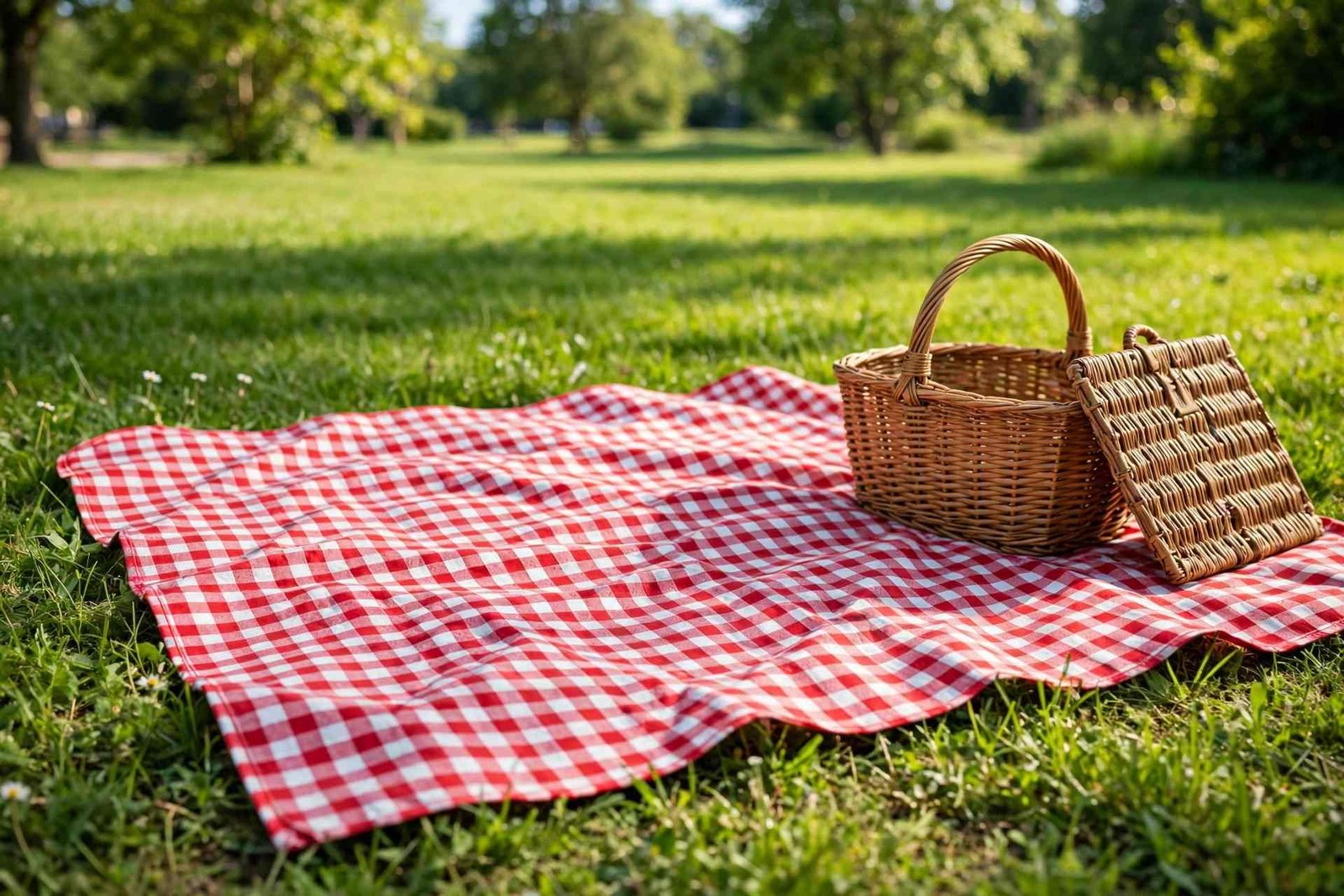

The best picnic blankets turn a patch of grass into a dining room: they keep the damp out, give you room to spread out, and pack away small enough to carry. A good one is the difference between a relaxed afternoon and a soggy, cramped lunch eaten off your lap.
So which type should you buy? For most people, a waterproof-backed blanket in a generous size is the right answer, with wool for cooler days and a compact folding blanket for travel. This guide compares the ten best picnic blankets in 2027 by type.
Key takeaways:
- A waterproof or water-resistant backing is the most important feature, because it keeps ground damp away from your food and clothes.
- Size matters more than pattern: a blanket for two needs far less room than one for a family of four.
- Wool is warm and hard-wearing, fleece is soft and light, and compact folding blankets are the easiest to carry.
- Check the washing instructions before you buy, because a blanket you cannot clean easily will spend its life in the cupboard.
What makes a good picnic blanket?
A good picnic blanket does three jobs at once. The top must feel pleasant to sit on, the underside must block damp from the ground, and the whole thing must fold or roll into something you are happy to carry.
The backing is where most blankets succeed or fail. A waterproof-backed blanket has a coated underside that stops ground moisture soaking through, which matters on grass that looks dry but is not. A water-resistant backing will cope with light damp, while a blanket with no backing at all is only suitable for dry days on dry ground.
Weight and bulk matter too, especially if you walk to your picnic spot. A thick padded blanket is comfortable but heavy, while a thin folding blanket weighs almost nothing and fits in a bag. Think about how far you carry it.
How to choose the right picnic blanket

Start with size. Two people with a small basket are comfortable on a modest blanket, while a family of four needs a generous one, and a group with children and a dog needs the largest size you can carry.
Next, match the material to the weather. Wool is warm on cool days and naturally hard-wearing, fleece is soft and light for summer, and a waterproof-backed blanket is the safest choice when the ground may be damp. If you picnic on the beach, look for a sand-proof weave that lets sand fall through.
Finally, check the practical details. A carry strap or handle makes a folded blanket far easier to transport, and a blanket that folds into its own pocket stays tidy in the car boot. Machine-washable blankets are the easiest to live with.
The 10 best picnic blankets in 2027
1. The waterproof-backed family blanket
This is the default choice, and for most picnics it is the right one. A waterproof-backed family blanket has a soft woven top, usually cotton or a cotton blend, bonded to a waterproof underside that keeps ground damp out. It is large enough for four people, a basket and a few plates, and it folds into a manageable bundle with a carry strap. The top wipes clean after spills.
Best for: family picnics on grass, in any weather short of a downpour.
2. The classic wool blanket
A wool picnic blanket is the traditional choice, and it still earns its place. Wool is naturally warm, so it suits cool spring and autumn days when a thin blanket leaves you chilled. It is hard-wearing and resists odours. Wool is heavier than synthetic fabrics and needs more care in the wash, so check the label before you buy. Our guide to how to wash a wool blanket explains how to clean one without shrinking it.
Best for: cool days, country picnics and anyone who values a traditional blanket.
3. The soft fleece blanket
A fleece picnic blanket is the lightest and softest option on this list. Fleece is warm for its weight, dries quickly, and packs down small. Fleece on its own does not block ground damp, so look for a fleece blanket with a waterproof backing if you picnic on grass.
Best for: summer picnics, light packing and anyone who walks to their spot.
4. The compact folding blanket
A compact folding blanket is designed to disappear into a bag. It folds down to the size of a paperback, often into its own attached pocket, and weighs very little. The fabric is usually a thin synthetic with a water-resistant coating. The trade-off is size and comfort: a compact blanket is smaller and thinner than a family blanket, so it suits one or two people rather than a group.
Best for: travel, festivals and spontaneous picnics for one or two.
5. The extra-large group blanket
An extra-large picnic blanket is the answer when the group outgrows a standard size. It gives room for six or more people, a spread of food, and a game, without anyone sitting on the edge. The best versions are still waterproof-backed, so the extra area does not become a larger damp patch. Size brings weight, so look for a carry strap and a folding design that stays neat.
Best for: big groups, birthdays in the park and garden gatherings.
6. The sand-proof beach blanket
A sand-proof beach blanket uses a loose weave that lets sand fall through instead of sticking to the surface. It is a different design from a grass blanket: the weave is open, the fabric is light, and the blanket dries quickly after a dip in the sea. It is not the right blanket for damp grass, because the open weave lets moisture through.
Best for: beach days, sandy ground and anyone tired of shaking sand out of towels.
7. The padded and insulated blanket
A padded picnic blanket has a layer of filling between the top and the backing, which cushions you against hard or bumpy ground. It turns a rough patch of grass, a stony riverbank or a wooden deck into a comfortable seat, and the padding adds warmth on cool days. Insulated versions keep food and drinks cooler for longer. Padding adds bulk and weight, and padded blankets take longer to dry if they get wet.
Best for: long lunches, hard ground and anyone who wants real comfort.
8. The roll-up blanket with a strap
A roll-up picnic blanket is the tidy option. It rolls into a neat cylinder, fastens with a strap or buckle, and often has a handle, so it carries like a small bag. The rolled shape fits easily in a car boot or a cupboard. Roll-up blankets come in most materials, from waterproof-backed cotton to wool, so choose the fabric first and the roll-up design second. The strap is the feature that matters most: a blanket that unrolls itself in the car is one you will stop taking out.
Best for: tidy storage, car boots and anyone who dislikes folding.
9. The machine-washable everyday blanket
A machine-washable picnic blanket is the practical choice for families with small children, dogs or a talent for spilling things. It goes straight in the washing machine after a muddy afternoon, which means it gets used instead of being saved for best. Look for one that dries quickly too. Wool and some padded blankets need gentler care, so a machine-washable blanket is usually made from cotton, polyester or a blend.
Best for: families, dogs and anyone who picnics often.
10. The budget everyday blanket
A budget picnic blanket is a simple, honest buy: a basic waterproof-backed blanket in a standard size, without extra padding, pockets or premium fabric. It does the main job, keeping you dry and giving you somewhere clean to sit. The compromises are usually size, weight and finish rather than the waterproof backing itself. For a quick lunch in the park, it is all you need.
Best for: occasional picnics, a spare blanket and first-time buyers.
How do the best picnic blankets compare?
| Type | Best for | Backing | Care |
|---|---|---|---|
| Waterproof-backed family | Family picnics on grass | Waterproof | Sponge clean |
| Classic wool | Cool days, country picnics | Water-resistant | Gentle wash |
| Soft fleece | Summer, light packing | Waterproof on better versions | Machine washable |
| Compact folding | Travel, one or two people | Water-resistant | Machine washable |
| Extra-large group | Big groups, garden parties | Waterproof | Sponge clean |
| Sand-proof beach | Beach days, sandy ground | Open weave | Machine washable |
| Padded and insulated | Long lunches, hard ground | Waterproof | Sponge clean |
| Roll-up with strap | Tidy storage, car boots | Varies | Follow the label |
| Machine-washable everyday | Families, dogs, frequent use | Waterproof | Machine washable |
| Budget everyday | Occasional picnics, spares | Waterproof | Machine washable |
Your picnic blanket checklist
Work through this list before you buy, and you will end up with a blanket you actually use.
- Check the backing first: waterproof for grass, water-resistant for dry days, open weave only for sand.
- Size it for your group: two people need a modest blanket, a family of four needs a generous one.
- Match the material to the season: wool for cool days, fleece for summer, padded for long lunches.
- Test the fold: it should pack away neatly and stay folded, with a strap or handle.
- Read the washing label: a blanket you cannot clean easily will spend its life in the cupboard.
- Think about the carry: if you walk to your spot, weight and bulk matter as much as size.
- Pack the rest of the kit: a sturdy cutting board for slicing bread and fruit, and a good silverware set.
Frequently asked questions
What is the best picnic blanket for wet grass?
A waterproof-backed blanket is the best choice for wet grass, because the coated underside stops ground moisture soaking through. A water-resistant backing will cope with light damp, but a blanket with no backing will soak through quickly on grass that looks dry but is not.
What size picnic blanket do I need?
It depends on your group. Two people with a small basket are comfortable on a modest blanket, a family of four needs a generous one, and a group of six or more needs an extra-large blanket. Allow room for the basket and plates as well as the people.
Can you machine wash a picnic blanket?
Many picnic blankets are machine washable, especially fleece, cotton and synthetic versions, but wool and padded blankets often need gentler care. Always read the washing label first.
Are wool picnic blankets worth it?
Yes, if you picnic in cool weather. Wool is warm, hard-wearing and naturally resistant to odours, and it drapes well over uneven ground. It is heavier than synthetic fabrics and needs more care in the wash, so it suits regular country picnics rather than light travel.
What is the difference between waterproof and water-resistant?
A waterproof backing stops water passing through, while a water-resistant backing slows it down but will eventually let moisture through on very wet ground. For grass after rain, choose waterproof; for dry days and light damp, water-resistant is enough.
Sources
Countryfile, The Guardian, Good Housekeeping, Which?, and outdoor retailers’ published care guides. Material and care advice reflects the washing labels published by blanket makers, and no brand claims are made in this guide.
The bottom line
The best picnic blanket is the one that fits how you actually picnic: waterproof-backed and generous for family days on grass, wool for cool country afternoons, and compact and light when you travel. Size, backing and washability matter far more than pattern.
Your next step is simple: count your usual group, check whether your favourite spot is damp grass or dry sand, and pick the type from this list that matches. Then pack the basket, fold the blanket, and go.






