
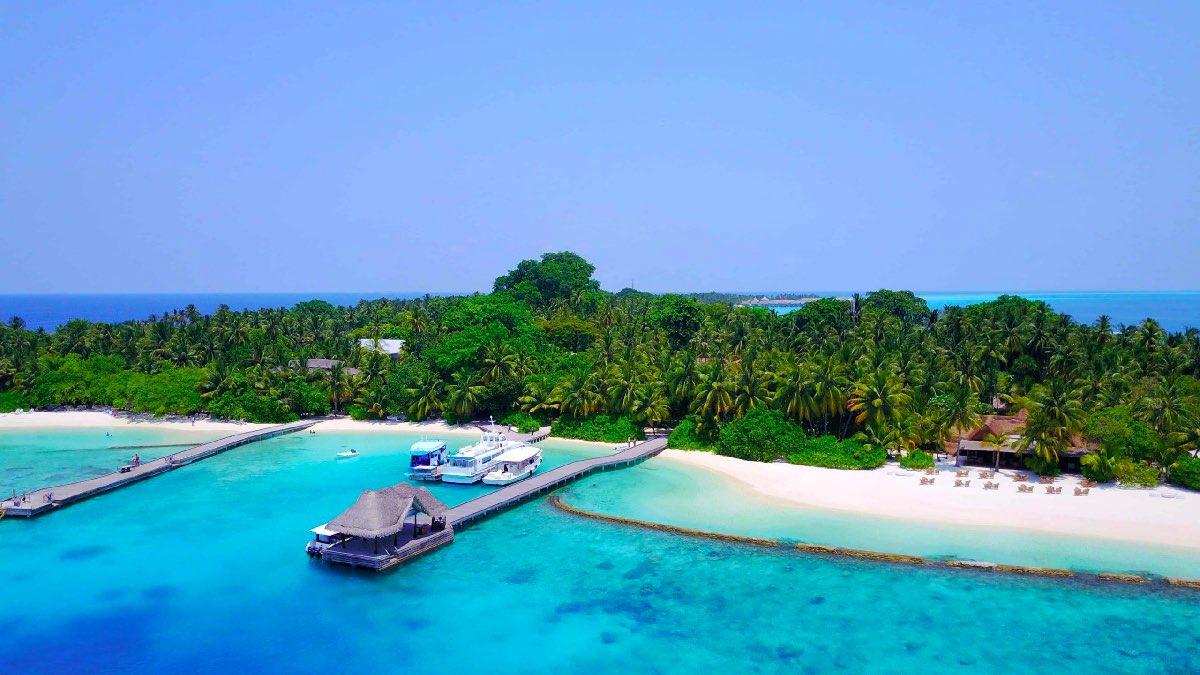
Caribbean Islands at a Glance
The Caribbean Islands are a huge archipelago of more than 7,000 islands, islets, cays, and reefs spread across a region stretching about 2,000 miles. They are not one uniform destination: some are built around major resorts, while others stand out for rainforest, diving, history, food, or a quieter pace.
For a Caribbean islands vacation, the better question is not simply “Which island is best?” It is “Best for what?” That distinction can save you from booking a beautiful beach in a place that does not suit the kind of trip you actually want.
Introduction
Picture the search: you type “Caribbean islands” and get beach after beach, resort after resort, each one looking like the obvious choice.
Then the practical questions start. Do you want quiet beaches or nightlife? Hiking or an all-inclusive resort? Easy island hopping or a place where you can settle in for a week?
That is where a good Caribbean travel guide earns its place. The region contains more than 7,000 islands, islets, cays, and reefs, but fewer than 2% are permanently inhabited.
This guide narrows that enormous choice into destinations, beaches, activities, places to stay, seasonal considerations, and practical trade-offs. For BrassSmile readers, the aim is simple: choose the island that fits your trip, rather than forcing your trip to fit the island.
Key Takeaways
- The Caribbean archipelago contains more than 7,000 islands, islets, cays, and reefs.
- The Greater Antilles, Lesser Antilles, and Lucayan Archipelago are useful ways to understand the region geographically.
- The Dominican Republic, Bahamas, Jamaica, Puerto Rico, Curaçao, Saint Lucia, and Grenada stand out in the supplied 2026 travel research.
- Beaches are only one part of the region; hiking, diving, food, culture, and history can change the best destination for you.
- Peak travel demand generally runs from mid-December through April, while June through October overlaps with Atlantic hurricane season.
- Regional travel has practical friction: prices rise during peak winter months, sargassum can affect some Atlantic-facing beaches, and busy cruise ports can experience infrastructure strain.
Caribbean Islands
The Caribbean Islands are a large archipelago of more than 7,000 islands, islets, cays, and reefs around the Caribbean Sea. The region includes major island groups such as the Greater Antilles, Lesser Antilles, and Lucayan Archipelago, along with independent nations and territories connected politically to the United States, United Kingdom, France, and the Netherlands.
What Are the Caribbean Islands?
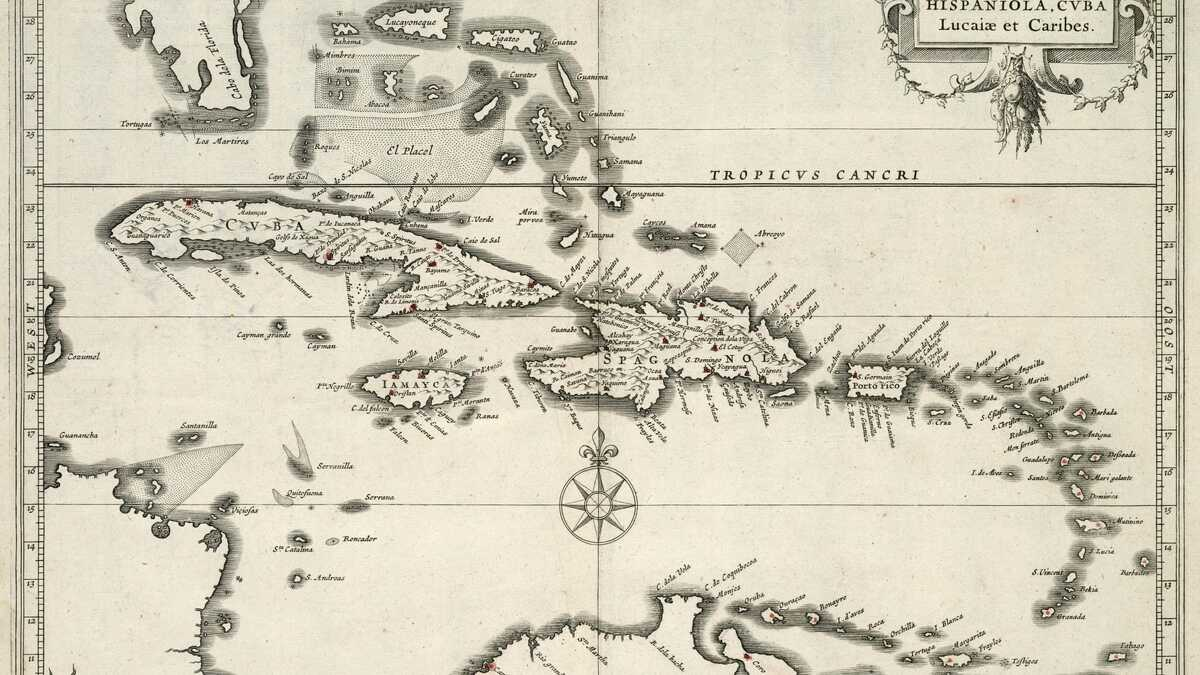
Geographically, the Caribbean is much larger and more varied than the typical postcard image suggests. The island chain forms an arc of more than 2,000 miles, running from the tip of Florida toward the northern coast of South America.
Greater Antilles, Lesser Antilles and the Lucayan Archipelago
The Lucayan Archipelago includes The Bahamas and Turks & Caicos. The Greater Antilles includes Cuba, Hispaniola, Jamaica, Puerto Rico, and the Cayman Islands.
The Lesser Antilles form the eastern arc. Its groupings include the Leeward Islands, Windward Islands, and the Leeward Antilles, which include Aruba, Bonaire, and Curaçao.
The Caribbean Is Politically Diverse, Too
A beach destination can belong to a very different political system from the island next door.
The supplied research identifies independent nations alongside U.S. territories, British Overseas Territories, French overseas jurisdictions, and Dutch Caribbean countries and municipalities.
That matters when you are checking passports, entry rules, currencies, or local regulations.
Best Caribbean Islands to Visit
There is no useful universal winner. A destination that works brilliantly for a couple looking for mountain scenery may be a poor fit for someone who wants a simple beach-and-resort week.
The 2026 research identifies seven destinations worth considering for different reasons.
| Destination | Best fit | Main draw |
| Dominican Republic | Resort-focused vacations | Punta Cana resorts and Santo Domingo |
| Bahamas | Families and island hopping | Nassau, Paradise Island, and island variety |
| Jamaica | Culture and beaches | Beach experiences and cultural appeal |
| Puerto Rico | Nature, history, and U.S. travelers | Rainforests, bioluminescent bays, San Juan |
| Curaçao | Diving and independent exploration | Willemstad and shore diving |
| Saint Lucia | Scenic and wellness-focused trips | Pitons and luxury wellness resorts |
| Grenada | Quieter, lower-density travel | Nutmeg plantations and quiet beaches |
Dominican Republic: A Strong Resort Choice
The Dominican Republic is identified in the supplied research as a leading destination by total visitor volume. Punta Cana is associated with all-inclusive resorts, while Santo Domingo offers a historic colonial zone.
Bahamas: Island Variety Without One Single Experience
The Bahamas works well when you want more than one kind of island experience. The research highlights island hopping, family resorts, and 2026 updates around Nassau and Paradise Island.
Jamaica: Culture Meets the Coast
Jamaica combines beach travel with a stronger cultural dimension. The supplied 2026 data records more than 1 million visitors in Q1 2026 and describes Jamaica as both a culture and beach hub.
Puerto Rico: A Different Kind of Caribbean Trip
Puerto Rico offers a useful mix of nature, history, and city experiences.The research specifically points to rainforests, bioluminescent bays, and historic San Juan. U.S. citizens traveling directly from the mainland do not need a passport for Puerto Rico.
Curaçao: Strong for Diving and Independent Exploration
Curaçao brings a different visual character, with Dutch colonial architecture in Willemstad and a reputation for shore diving. The research also places Curaçao outside the traditional hurricane belt.
Saint Lucia: Mountains, Resorts and Scenery
Saint Lucia is particularly distinctive for its volcanic Piton mountains. The supplied research also highlights luxury wellness resorts and community-focused ecotourism initiatives.
Grenada: A Quieter Alternative
Grenada, known as the “Isle of Spice,” offers nutmeg plantations, quiet beaches, and a lower-density luxury profile. That makes it an interesting alternative when a packed resort environment is not what you want.
Which Caribbean Beaches Are Best?
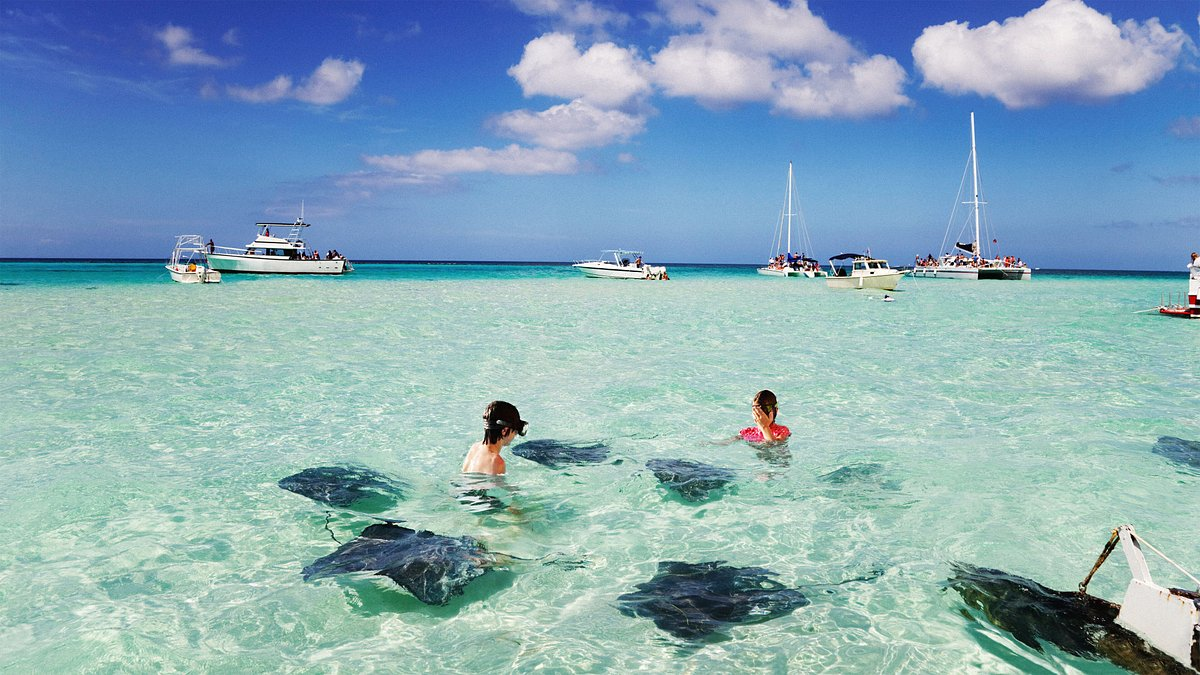
“Best beach” is too broad to be useful without knowing what you want from the water. The supplied research highlights Turks & Caicos, Anguilla, Antigua, and Aruba for clear turquoise water and soft white sand, including Grace Bay, Shoal Bay, and Eagle Beach.
For Swimming and Clear Water
Turks & Caicos and Aruba are strong names to investigate when the priority is a classic beach vacation built around clear water and soft sand. Do not judge a beach only by photographs, though. Your ideal spot may depend on whether you want calm swimming conditions, snorkeling access, or fewer people.
For Snorkeling and Marine Life
The Caribbean is also a serious diving and snorkeling region. The supplied research identifies Bonaire for shore diving, the Cayman Islands for deep wall dives, and Dominica for marine reserves and volcanic underwater terrain.
For a Quieter Beach Day
Less-developed destinations can change the feel of a Caribbean islands vacation. Grenada is described in the research as a low-density destination with quiet beaches, while the wider report identifies quiet travel as an emerging area of interest.
Sargassum Can Change the Beach Experience
Sargassum is naturally occurring brown algae that can wash ashore during warmer months. The research says it primarily affects east- and south-facing Atlantic shorelines, while many west-facing Caribbean beaches can remain clearer.
That is a useful detail to check before choosing accommodation based entirely on its beach.
Things to Do in the Caribbean Islands
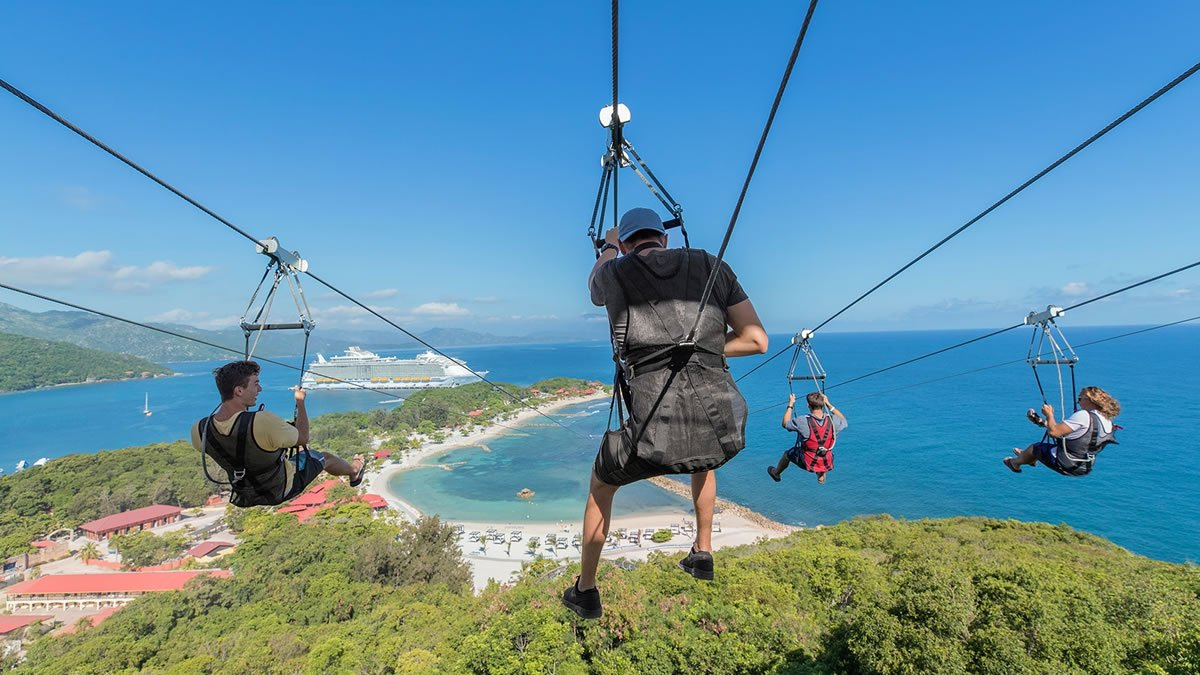
A Caribbean trip does not have to mean seven days beside the same pool.
Water-based activities include snorkeling, scuba diving, sailing, kayaking, fishing, and surfing. Diving enthusiasts have particularly strong choices, from Bonaire’s shore diving to the Cayman Islands’ wall dives and Dominica’s volcanic underwater landscape.
On land, the region offers a different side of itself. Saint Lucia brings the Pitons, Puerto Rico offers rainforests, and the research highlights Grenada’s nutmeg plantations.
Food and history matter, too. Jamaica’s cultural profile, Santo Domingo’s historic colonial zone, and Willemstad’s Dutch colonial architecture show why choosing a destination solely for its sand can leave a lot on the table.
Best Places to Stay in the Caribbean
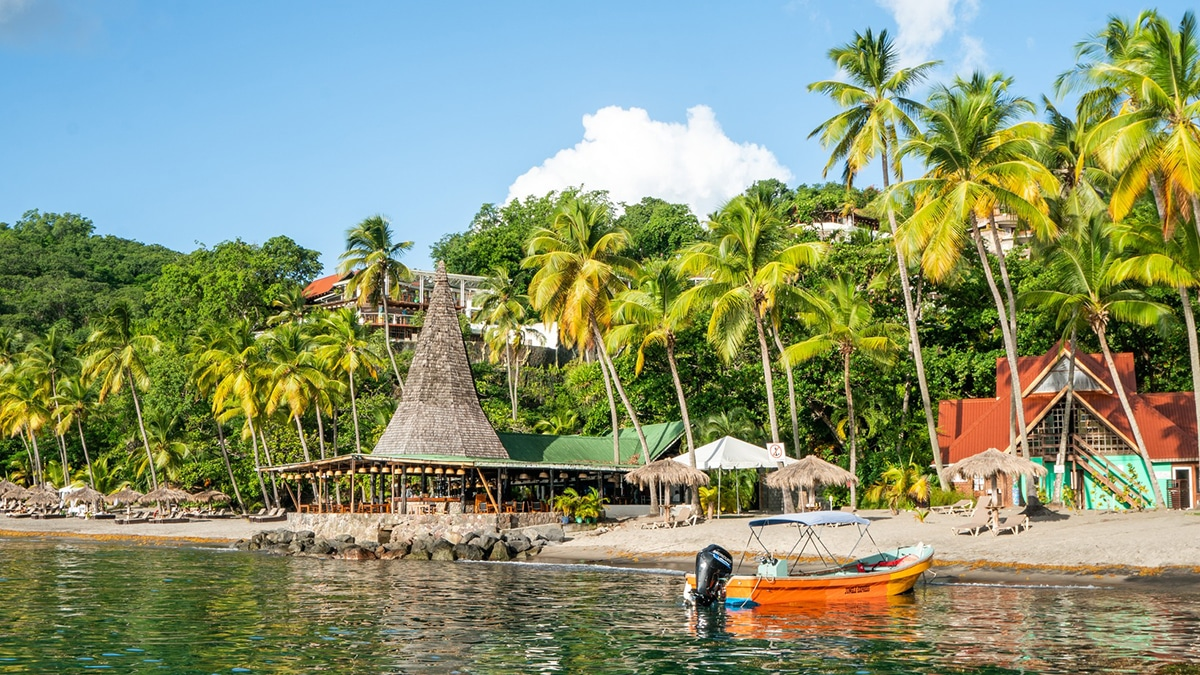
Your accommodation choice can shape the trip almost as much as the island itself.
| Stay type | Best for | Main consideration |
| All-inclusive resort | Convenience-focused vacations | You may spend most of your time within the resort |
| Luxury resort | High-end stays | Higher overall trip cost |
| Villa | Privacy and upscale travel | Location and transportation become more important |
| Boutique hotel | Travelers wanting a smaller setting | May offer fewer resort-style facilities |
| Guesthouse | More independent travel | Amenities can be simpler |
All-Inclusive Resorts
The Dominican Republic is a clear example of a Caribbean destination where all-inclusive resorts are a major part of the travel market.
Punta Cana is specifically identified in the supplied research for its all-inclusive resort offering.
Luxury Resorts and Villas
Saint Lucia’s research profile includes luxury wellness resorts, while Saint Barthélemy is described as a major luxury center associated with private villas, fine dining, and superyacht harbors.
Boutique Hotels and Independent Stays
Independent accommodation can make more sense when your goal is to explore rather than remain on resort grounds.
The trade-off is simple: once you leave the resort model, transportation, meals, and daily activities require more planning.
Caribbean Islands Vacation: When Should You Go?
For many travelers, mid-December through April is the most popular period.
The supplied research describes this as peak season, with generally dry weather, lower humidity, and warm temperatures. May and November are identified as shoulder months with lower rates and fewer crowds.
June through October overlaps with Atlantic hurricane season. The research also identifies June 1 through November 30 as the broader hurricane-season period and notes that seasonal conditions differ across the region.
For a lower-cost trip, shoulder periods may be attractive. For weather-sensitive travel, however, price should not be the only factor you compare.
What Should You Budget for a Caribbean Islands Vacation?
The supplied research does not provide reliable current island-by-island prices, so a precise daily budget would be misleading.
Instead, think in terms of trip structure.
A resort-heavy vacation can concentrate much of your spending into accommodation and an all-inclusive package. An independent trip shifts more decisions toward lodging, meals, transportation, and individual activities.
Peak winter travel can also raise costs. The research specifically identifies elevated travel costs during the peak winter months as one of the region’s practical challenges.
The destination itself matters. The supplied research identifies the Dominican Republic, Puerto Rico, Jamaica, and Curaçao among the more budget-friendly options because of flight competition, varied lodging, and package availability.
Can You Island-Hop in the Caribbean?
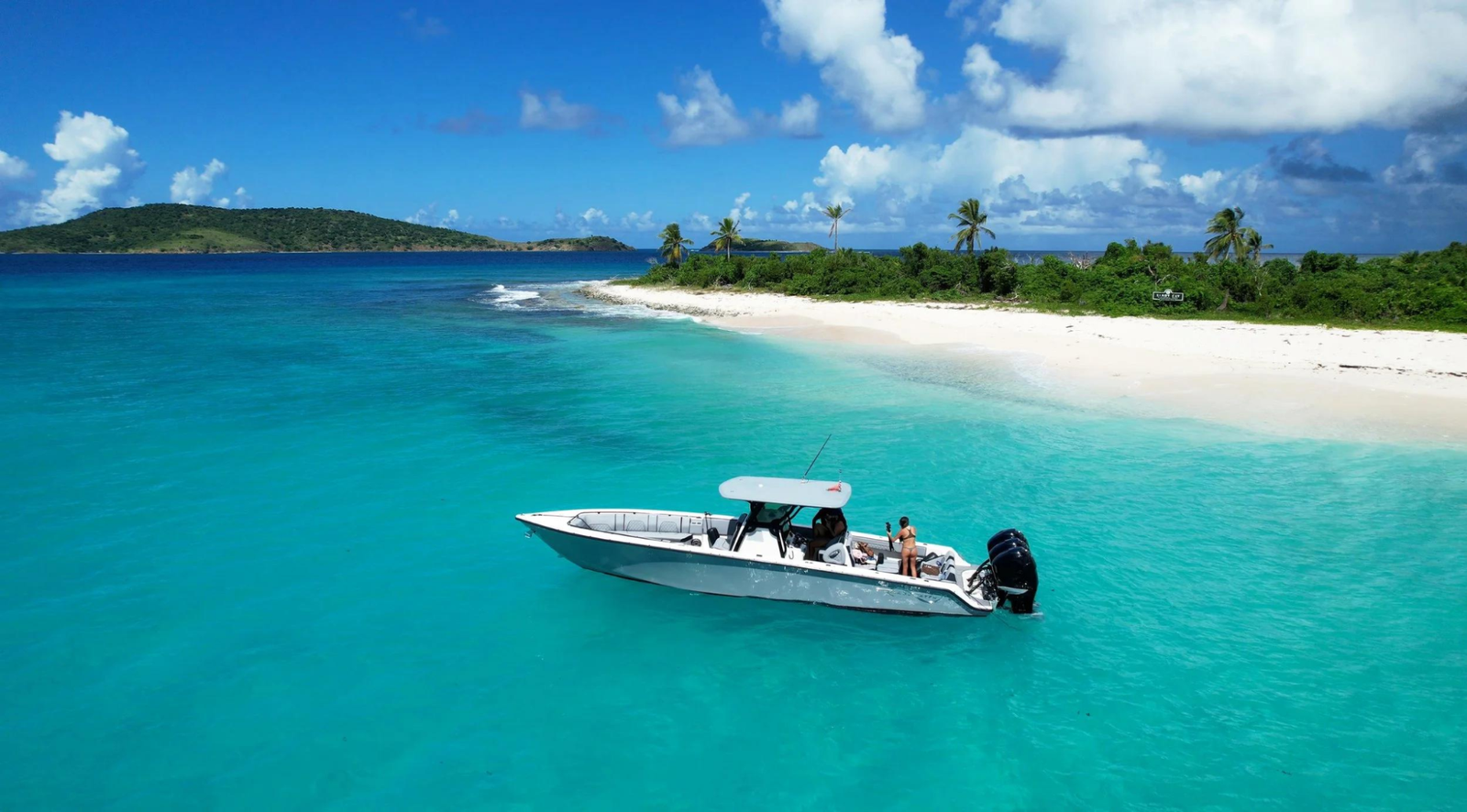
Yes, but “easy” depends heavily on geography.
Within tight island clusters, ferries can make island hopping practical. The research gives examples including travel between the U.S. Virgin Islands and British Virgin Islands, Sint Maarten and Anguilla or St. Barths, and Guadeloupe and Martinique.
Longer jumps between distant subregions generally require regional flights.
That distinction matters when building an itinerary. Two islands may look close on a map while still requiring a flight connection.
Flying From the United States
The supplied research estimates flights from Miami or Charlotte to the northern Bahamas or Puerto Rico at roughly 1–3 hours.
Flights from New York or Atlanta to the eastern or southern Caribbean are given as roughly 3.5–5 hours.
Caribbean Travel Tips for First-Time Visitors
The first mistake is treating the Caribbean as one destination.
The region contains different political systems, island groups, landscapes, currencies, and travel logistics.
Another mistake is assuming every trip should revolve around a resort. Jamaica, Puerto Rico, Curaçao, Saint Lucia, and Grenada all demonstrate how different the experience can become once culture, nature, history, or independent exploration enters the plan.
Entry requirements also need checking before booking. Rules, visa requirements, local taxes, and operating details can change between destinations, so travelers should verify current information with the relevant official authorities.
Currency varies as well. The research identifies the U.S. dollar as the official currency in Puerto Rico, the U.S. Virgin Islands, Turks & Caicos, and the Dutch BES islands, while the Eastern Caribbean dollar, euro, and Netherlands Antillean guilder are also used elsewhere.
How to Choose the Right Caribbean Destination
Start with the trip, not the island.
- Choose your travel style. Decide whether beaches, nature, culture, diving, luxury, or quiet surroundings matter most.
- Set your budget. Compare the full trip rather than only the hotel rate.
- Check transportation. A destination that requires several connections may not suit a short vacation.
- Look at seasonal conditions. Consider peak pricing, hurricane season, and possible sargassum exposure.
- Choose accommodation around your plans. A resort can be ideal for a self-contained trip; an independent stay may work better if you plan to explore.
That process is more useful than asking for a single “best” island.
A Practical Way to Plan Your Caribbean Islands Vacation
Take your shortlist down to two or three destinations.
Next, write one sentence describing the trip you actually want. “Quiet beach week” is more useful than “Caribbean vacation” because it gives you something concrete to compare.
Then check the practical side: flight time, accommodation type, seasonal timing, transportation, and activities available near where you intend to stay.
Finally, compare the compromises. One island may offer easier logistics; another may offer stronger diving or more secluded beaches. The right choice is usually the one whose disadvantages you can live with.
Final Thoughts on Choosing a Caribbean Island
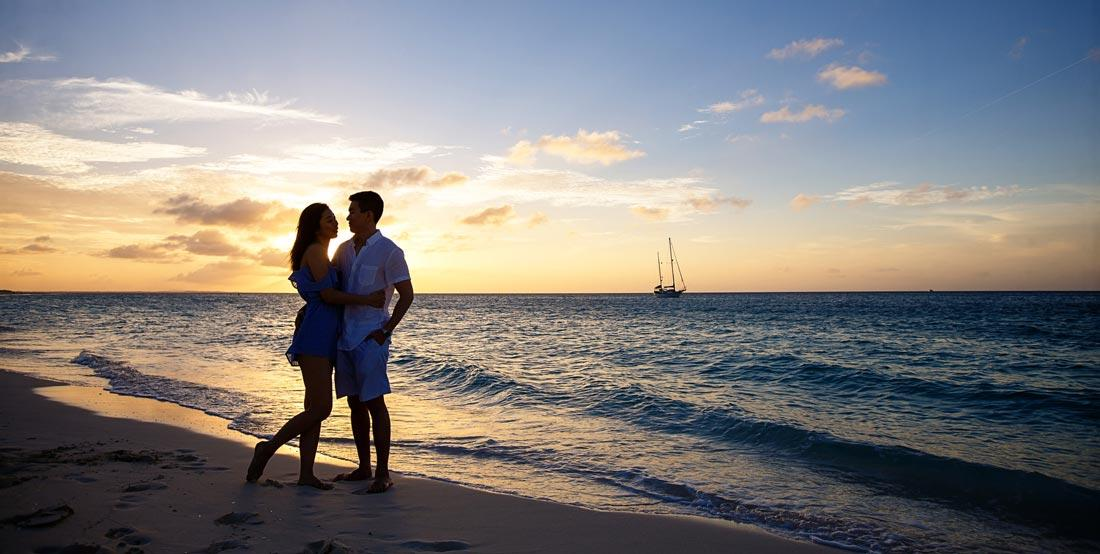
Go back to that first search for “Caribbean islands.” The mistake is expecting the search to reveal one perfect answer.
It cannot. The region is simply too varied, with more than 7,000 islands, islets, cays, and reefs and several distinct geographic and political groupings.
A better approach is to decide what you want the trip to feel like, then work backward through beaches, activities, accommodation, season, and transportation.
The best Caribbean islands vacation is rarely about finding the island everyone else calls number one. It is about finding the place whose trade-offs make sense for you.
Frequently Asked Questions About Caribbean Islands
What is the best time of year to visit the Caribbean?
Peak travel season generally runs from mid-December through April, while May and November are described as shoulder months with lower rates and fewer crowds. June through October overlaps with Atlantic hurricane season.
Do U.S. citizens need a passport to visit the Caribbean?
Passport requirements depend on the destination. The supplied research states that U.S. citizens traveling directly from the mainland do not need a passport for Puerto Rico or the U.S. Virgin Islands, while passports are required for independent Caribbean nations and foreign territories.
Which Caribbean island has the best beaches?
There is no single answer for every traveler. The supplied research highlights Turks & Caicos, Anguilla, Antigua, and Aruba for clear turquoise water and soft white sand, with Grace Bay, Shoal Bay, and Eagle Beach among the named examples.
Which Caribbean island is best for scuba diving?
Bonaire is noted for shore diving, while the Cayman Islands are known for deep wall dives. Dominica is highlighted for marine reserves and volcanic underwater terrain.
Can you island-hop in the Caribbean easily?
Island hopping is relatively straightforward within some close island groups. Ferries serve routes such as the U.S. Virgin Islands to the British Virgin Islands and Sint Maarten to nearby destinations, while longer regional jumps generally require flights.
Which Caribbean islands are outside the hurricane belt?
The supplied research identifies Aruba, Bonaire, Curaçao, Trinidad & Tobago, and Barbados as south of the historical hurricane belt and says they experience fewer tropical storms. Seasonal weather still needs to be checked for the specific destination and travel dates.
What currency is used in the Caribbean?
There is no single currency across the entire region. The U.S. dollar, Eastern Caribbean dollar, euro, and Netherlands Antillean guilder are among the currencies identified in the supplied research.