


What if the phone in your pocket cost less than a week’s groceries and still handled everything you threw at it? That is no longer a fantasy. Budget phones have quietly caught up to where mid-range models sat a few years ago, and in some cases they embarrass phones that cost three times as much. The trick is knowing which ones earn their price and which ones just look good on a spec sheet.
This roundup covers the specific models that keep showing up on reviewers’ shortlists, who each one suits, and where each one cuts corners. If you are also weighing other big purchases this season, the same “don’t overpay for the badge” logic applies to how you pick a best budget smartphone without overpaying and to almost everything else in the electronics aisle.
The Shortlist at a Glance
| Phone | Best for | Standout strength | Main trade-off |
|---|---|---|---|
| CMF Phone 2 Pro | Overall value | 2x telephoto, clean software, long update promise | Brand is new to most buyers |
| Xiaomi Redmi Note 15 | Battery and screen | 6,000 mAh battery, 108MP camera, AMOLED display | Large body |
| Samsung Galaxy A56 5G | Samsung loyalists | Balanced mid-range performance | Pricier than entry options |
| Motorola Moto G67 | Everyday basics | 5,200 mAh battery, eSIM, microSD, NFC | Only 4 GB RAM |
| Samsung Galaxy A16 | Tight budgets | Familiar One UI experience | Modest performance |
| Motorola Moto G Play (2026) | Absolute minimum spend | Very low price | Slow for anything heavy |
| iPhone 16e | Apple fans on a budget | A18 chip, Apple Intelligence | Highest price here |
CMF Phone 2 Pro: The Value Champion
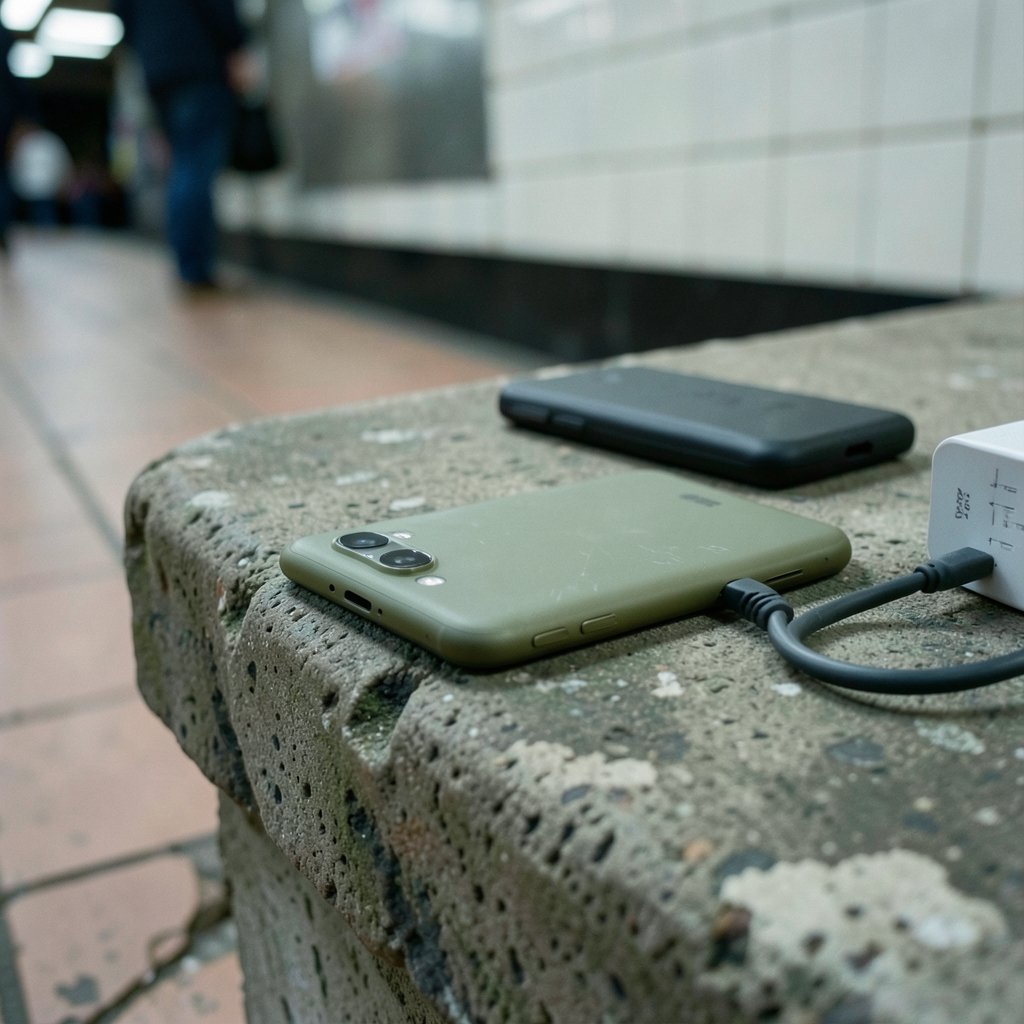
If one phone defines what “budget” means now, it is this one. The CMF Phone 2 Pro took Tech Advisor’s Best New Budget Phone award for 2025-26, and it landed on Smartprix’s list as the budget pick of the year after reviewing more than 150 handsets.
Who it suits: buyers who want a genuinely good all-rounder and don’t care about brand prestige.
What it does well: a clean software experience with a promised three OS updates and six years of security patches, a main camera that holds its own, and a 2x telephoto lens that is almost unheard of at this price. A 33W charger and a case come in the box, which is rarer than it should be.
The limitation: the CMF name does not carry the recognition of Samsung or Google, so resale value and service networks are less predictable.
Price: Smartprix reports it launched at ₹18,999 and later dropped to around ₹16,999, sometimes near ₹16,000. Tech Advisor defines budget phones as under £300/$300, and this sits comfortably inside that line.
Xiaomi Redmi Note 15: For Battery and Screen Lovers
Some people want a phone that simply refuses to die before bedtime. The Redmi Note 15 is built for them, pairing a 6,000 mAh battery with a large AMOLED display and a 108MP camera.
Who it suits: students, commuters, and anyone who streams video for hours.
What it does well: the battery capacity is the headline, but the AMOLED panel matters just as much. Colours pop, blacks are deep, and video looks far better than the price suggests. The 108MP sensor gives you room to crop.
The limitation: a 6,000 mAh cell plus a big screen equals a big, heavy phone. If one-handed use matters, look elsewhere.
Price: it was named the top pick in a roundup of four affordable phones, though the source did not quote a figure, so check current pricing before buying.
Samsung Galaxy A56 5G: The Safe Mid-Range Choice
Samsung’s Galaxy A series is the default answer for people who want a known quantity. The Galaxy A56 5G appears in comparison tables alongside Xiaomi’s Poco models, and it holds its own on build and software polish.
Who it suits: anyone already inside Samsung’s ecosystem, or buyers who value a wide service network and predictable updates.
What it does well: balanced performance, a solid display, and the One UI experience millions of people already know. There is real comfort in buying a phone you can walk into a shop and get fixed.
The limitation: it costs more than the entry-level options here without a dramatic jump in everyday speed. You are paying partly for the badge.
Price: it appears in the lower mid-range tier of a ranking of phones under 300 dollars/euros, so expect it near that ceiling rather than well below it.
Motorola Moto G67: Practicality Over Power
Motorola keeps quietly building phones for people who want features rather than benchmarks. The Moto G67 is the clearest example.
Who it suits: budget-conscious buyers with modest everyday needs, especially those who want eSIM support or expandable storage.
What it does well: a 5,200 mAh battery that delivered more than 20 hours in a Wi-Fi test, a slim 182-gram body that fits comfortably in the hand, plus eSIM, a microSD slot, and NFC. That combination is genuinely useful and increasingly rare at low prices.
The limitation: the MediaTek Dimensity 6300 is fine for daily tasks but stutters occasionally, and the 4 GB of RAM is the real bottleneck. Software updates run only through 2030, which is shorter than some rivals promise.
Price: it sits in the under-300 tier, though the source did not give an exact figure.
Samsung Galaxy A16: The Starter Samsung
Not everyone needs a telephoto lens. The Galaxy A16 is the phone you buy when you want a modern Samsung experience at the lowest sensible price.
Who it suits: first-time smartphone buyers, secondary lines, and anyone who mainly texts, browses, and takes the occasional photo.
What it does well: it delivers the same interface and app ecosystem as Samsung’s flagships, which means less relearning and better long-term familiarity.
The limitation: performance is modest. Heavy multitasking or gaming will show its limits quickly.
Price: it appeared in a hands-on comparison of five cheap phones ranging from roughly $180 to $400, placing it near the affordable end of that spread.
Motorola Moto G Play (2026): The Floor, Not the Ceiling
There is a real use case for a phone that costs almost nothing: a backup device, a kid’s first phone, or a handset for someone who genuinely only calls and texts.
Who it suits: buyers whose needs stop at communication and light browsing.
What it does well: it proves the point that a sub-$200 phone can still handle the basics. One reviewer testing five cheap phones back to back described the experience as “shockingly OK.”
The limitation: usable is not the same as comfortable. The gap between this and a $300 phone is bigger than the price difference suggests.
Price: around $180 in that hands-on comparison.
iPhone 16e: The Apple Exception
Apple does not really do budget, but the iPhone 16e is as close as it gets. It carries the same A18 chip as the base iPhone 16 and runs Apple Intelligence features without complaint.
Who it suits: loyal Apple users who refuse to leave blue-bubble iMessage and the wider ecosystem.
What it does well: flagship-grade processing power in the cheapest Apple body, which means it will stay fast for years.
The limitation: it is the most expensive phone on this list by a wide margin, and Apple’s budget offering is budget only in relative terms.
Price: the source did not quote a figure, so verify before committing.
Small Phones Deserve a Mention Too
Not everyone wants a tablet in their pocket. Compact Android phones are making a comeback as people rediscover one-handed use and pockets that actually close. The catch is that budget and mid-range segments usually chase big screens to look like flagships, so the number of small budget Androids is far lower. A dedicated roundup of budget Android phones under 6 inches found five worth buying, which tells you the category exists but is thin. If size is your priority, shop carefully and check dimensions before anything else.
How to Choose Without Getting Burned
Once you have a shortlist, the decision comes down to a few practical checks.
- Set your real ceiling first. Budget phones are defined differently by different reviewers, with one outlet drawing the line at under £300/$300. Decide your number and refuse to drift upward.
- Check the RAM, not just the chip. The Moto G67’s 4 GB is its weakest point, and no processor can fully compensate. Eight gigabytes is a safer floor for multitasking.
- Look at the update promise. Three OS updates and six years of security patches, as offered on the CMF Phone 2 Pro, is the kind of commitment that keeps a cheap phone usable for years. A short support window quietly doubles your real cost.
- Decide whether you need a telephoto lens. It is the feature most often cut, and its presence on a sub-£300 phone is genuinely unusual.
- Weigh battery against size. A 6,000 mAh cell is wonderful until you try to use the phone one-handed.
- Buy for your actual habits. If you mainly message and scroll, a $180 phone is fine. If you game or edit video, spend more or accept the stutter.
The same principle applies across big-ticket categories. A used Toyota 4Runner can be a smarter buy than a new compact if you match the generation to your needs, and a budget pump shotgun that earns its keep beats a fancy one you never practise with. Value is about fit, not price tag.
Common Mistakes Buyers Make
The most frequent error is buying on processor alone. A fast chip paired with 4 GB of RAM and slow storage will feel worse than a modest chip with generous memory. The second is ignoring software support, which quietly determines how long the phone stays secure and smooth. The third is chasing the biggest battery without holding the phone first, then discovering it does not fit a pocket or a hand.
A fourth mistake deserves its own line: assuming a low price means a bad camera. Software processing now does most of the heavy lifting, and affordable phones with strong computational photography can produce photos worth sharing. One reviewer noted that to most casual users, there is often no obvious difference between a cheap phone and an expensive one.
Conclusion
The best budget smartphone is not the one with the longest spec sheet. It is the one that matches how you actually use a phone, at a price you will not regret in six months. The CMF Phone 2 Pro wins on overall value and update commitment. The Redmi Note 15 wins on battery and screen. Samsung’s Galaxy A56 5G and A16 win on familiarity and service. Motorola’s Moto G67 and G Play win on practicality and price. And the iPhone 16e wins for anyone unwilling to leave Apple’s world. Pick the trade-off you can live with, check the RAM and the update promise, and you will end up with a phone that feels far more expensive than it was.
Frequently Asked Questions
What counts as a budget smartphone?
Definitions vary, but one widely used benchmark sets the line at under £300/$300 bought outright. Others treat anything under $600 as affordable, since phones in that band can still deliver multi-day battery life and solid performance. Decide your own ceiling before you shop.
Which budget phone has the best camera?
The CMF Phone 2 Pro stands out because it includes a 2x telephoto lens at a price where that feature is usually cut. The Xiaomi Redmi Note 15 offers a 108MP main sensor for cropping flexibility. Both rely heavily on software processing, which now matters more than raw sensor size.
How long will a cheap phone last?
That depends mostly on software support. The CMF Phone 2 Pro promises three OS updates and six years of security patches, while the Moto G67 offers updates only through 2030. Check the support window before buying, because it determines the phone’s real usable life.
Is it worth buying last year’s budget phone?
Often yes. Prices drop quickly, and the CMF Phone 2 Pro is a good example, falling from ₹18,999 to around ₹16,999 and sometimes near ₹16,000. A discounted previous model frequently beats a full-price current one on value.
Do budget phones work well for gaming?
Casual games run fine on most of these handsets. Intense gaming is where budget phones show their limits, since mid-range chips and limited RAM struggle with demanding titles. If gaming is a priority, look at the upper end of the affordable range rather than the entry tier.
Are small budget phones still available?
Yes, but the selection is thin. Budget and mid-range segments usually prioritise large screens, so compact options are far fewer. A roundup of budget Android phones under 6 inches found five worth considering, so the category exists if you are willing to search for it.






