


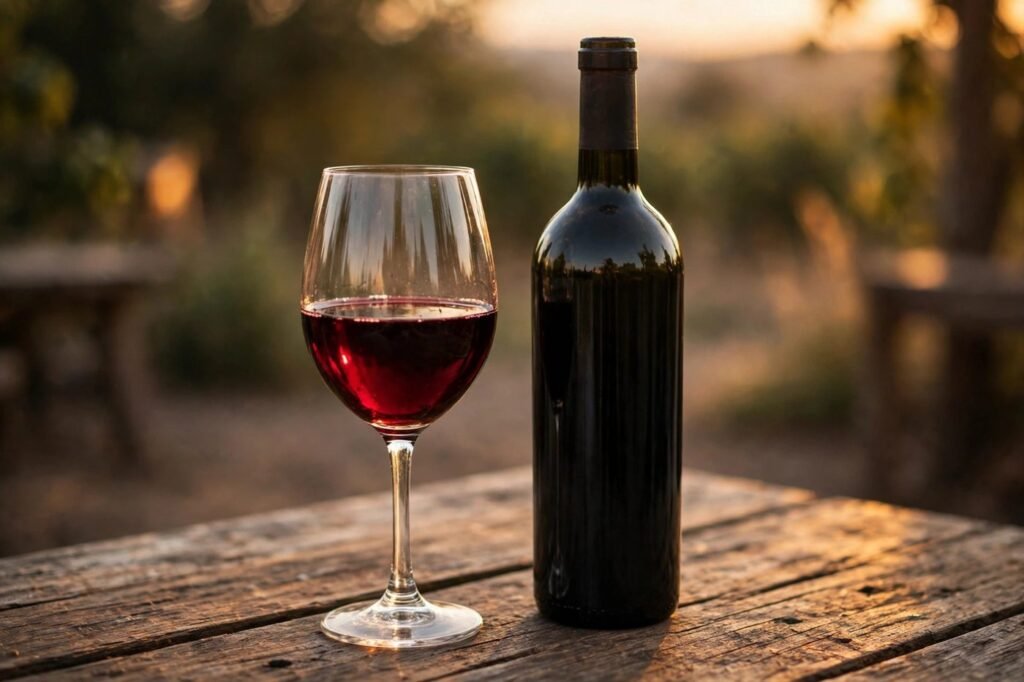
You are standing in the wine aisle with a dinner party in two hours, and the Cabernet Sauvignon shelf stretches further than you expected. There are bottles for twelve pounds and bottles for a hundred and fifty, and every label promises something different. Pick wrong and the wine fights with the food.
So which Cabernet Sauvignon should you buy? For most people, the answer is Caymus Napa Valley, a rich, generous red that pleases a room without needing an explanation. If the budget is tighter, Josh Cellars gives you the same grape for a fraction of the price. This guide compares the ten best bottles in 2027, from everyday drinkers to special-occasion splurges.
Key takeaways:
- Cabernet Sauvignon is the world’s most planted wine grape, known for blackcurrant flavours, firm tannins and a structure that ages well.
- Caymus Napa Valley is the best all-rounder for most buyers, while Josh Cellars is the best bottle under twenty dollars.
- Napa Valley, Bordeaux, Chile, Australia and Washington State all make excellent Cabernet Sauvignon, each with a different character.
- Young, tannic bottles benefit from decanting, and the wine shows best at 16 to 18 degrees Celsius.
What makes a great Cabernet Sauvignon?
Cabernet Sauvignon is a thick-skinned grape, and that thickness is the whole story. The skins give the wine its deep colour, its firm tannins and its signature flavours of blackcurrant, blackberry and cassis, often with notes of cedar and dark chocolate as it ages. A great bottle balances those tannins with ripe fruit and enough acidity to keep it fresh rather than heavy.
Oak matters too. Most good Cabernet spends time in oak barrels, which softens the tannins and adds vanilla, spice and a touch of toast. Too much oak drowns the fruit, and too little leaves the wine hard and angular.
Where does the best Cabernet Sauvignon come from?

Napa Valley in California is the most famous home of Cabernet Sauvignon outside France. The warm days and cool nights ripen the grape fully, producing rich, powerful wines with ripe black fruit and soft, plush tannins. Caymus, Silver Oak and Stag’s Leap all come from here, and their bottles define what many drinkers expect a Cabernet to taste like.
Bordeaux, on the left bank of the Gironde in France, is where Cabernet Sauvignon began. There it is usually blended with Merlot and Cabernet Franc, giving the wines a more restrained, structured character, with cedar, graphite and blackcurrant. Chile and Australia offer the best value: Chile’s Maipo Valley makes elegant, minty Cabernet, while Australia’s Coonawarra and Margaret River produce powerful, fruit-forward wines. Washington State is another fine source at fair prices.
The 10 best Cabernet Sauvignon wines in 2027
These ten bottles cover every budget and every occasion. Prices are approximate, based on published retail listings in late 2026, and they change often, so check before you buy.
1. Caymus Vineyards Napa Valley Cabernet Sauvignon
Caymus is the bottle that made Napa Cabernet famous, made by the Wagner family since 1972. The wine is dark, lush and rich, with black cherry, blackberry and cassis layered with cocoa and vanilla, and soft, velvety tannins. At around $85, it is the safest choice for a dinner party.
Best for: most buyers who want one great Napa Cabernet.
2. Silver Oak Cellars Alexander Valley Cabernet Sauvignon
Silver Oak is the other great Napa name, and its Alexander Valley bottling is the more approachable of its two wines. Aged in American oak, it has a distinctive vanilla character alongside blackberry and cassis, and it is built to age for years. At around $90, it suits drinkers who prefer structure to sheer softness.
Best for: drinkers who want a classic, age-worthy Cabernet.
3. Stag’s Leap Wine Cellars Artemis Cabernet Sauvignon
Artemis is the more affordable wine from Stag’s Leap Wine Cellars, the estate that famously beat the great Bordeaux chateaux in the 1976 Judgment of Paris tasting. The wine is elegant rather than heavy, with black cherry, plum and a touch of spice, and fine, silky tannins. At around $90, it pairs beautifully with lamb or roast duck.
Best for: elegant, food-friendly Napa Cabernet.
4. Austin Hope Paso Robles Cabernet Sauvignon
Austin Hope is the benchmark Cabernet from Paso Robles, on California’s Central Coast. The wine is bold and dark, with black currant, blackberry and mocha, and a richness that belies its price. At around $65, it undercuts the big Napa names while delivering a similarly powerful experience, and it is a good pick for a steak night.
Best for: bold, rich Cabernet at a fairer price.
5. Château Lynch-Bages Pauillac
Lynch-Bages is a Fifth Growth chateau in Pauillac, Bordeaux, and one of the most reliable names in fine wine. The wine is a blend led by Cabernet Sauvignon, with the structure, cedar and graphite character of great left-bank Bordeaux, and it needs time: a young bottle is firm and closed, while a bottle with ten years on it is superb. At around $150, it is the splurge pick, best bought for a cellar.
Best for: a special occasion or a cellar investment.
6. Penfolds Bin 407 Cabernet Sauvignon
Bin 407 is Penfolds’ Cabernet Sauvignon answer to its famous Grange, made from grapes across South Australia and aged in French and American oak. The wine is powerful and fruit-forward, with blackberry, cassis and a touch of mint, and tannins firm enough to suggest a decade or more of ageing. At around $90, it shows the grape at its most generous.
Best for: Australian Cabernet with cellaring potential.
7. Josh Cellars California Cabernet Sauvignon
Josh Cellars is the bottle that proves you do not need to spend fifty dollars to enjoy Cabernet Sauvignon. Founded by Joseph Carr in 2007 and named after his father, the wine is soft, fruity and easy to drink, with blackberry, cherry and a touch of toasted oak. At around $15, it is the best value on this list by a distance.
Best for: the best Cabernet under twenty dollars.
8. Decoy by Duckhorn Cabernet Sauvignon
Decoy is the second label of Duckhorn Vineyards, one of Napa’s most respected producers. The wine is made from grapes across California, with the black cherry and cassis character of the grape, soft tannins and a smooth finish. At around $20, it is the sweet spot for a dinner party where you need several bottles.
Best for: a dinner party bottle that feels a cut above.
9. Chateau Ste. Michelle Columbia Valley Cabernet Sauvignon
Chateau Ste. Michelle is Washington State’s oldest winery, founded in 1934, and its Columbia Valley Cabernet is one of the best value reds in America. The wine is ripe and balanced, with black cherry, plum and a touch of spice, and gentle tannins that drink well young. At around $12, it is the cheapest bottle on this list, and the one to buy by the case.
Best for: an everyday Cabernet that costs very little.
10. Santa Rita Medalla Real Cabernet Sauvignon
Santa Rita is one of Chile’s oldest wineries, founded in 1880, and its Medalla Real range is the estate’s flagship line. The Cabernet comes from the Maipo Valley, where the grape ripens slowly, giving the wine blackcurrant, plum and a hint of mint, with fine tannins. At around $20, it shows what Chile does best: serious wine at a fair price.
Best for: Chilean value with real character.
How do the best Cabernet Sauvignons compare?
| Bottle | Region | Price | Style | Best for |
|---|---|---|---|---|
| Caymus Napa Valley | Napa Valley, California | Around $85 | Rich, lush, soft tannins | Best overall |
| Silver Oak Alexander Valley | Sonoma, California | Around $90 | Structured, vanilla, age-worthy | Cellaring |
| Stag’s Leap Artemis | Napa Valley, California | Around $90 | Elegant, silky, food-friendly | Fine dining |
| Austin Hope | Paso Robles, California | Around $65 | Bold, dark, mocha | Steak night |
| Château Lynch-Bages | Pauillac, Bordeaux | Around $150 | Classic, cedar, graphite | Special occasion |
| Penfolds Bin 407 | South Australia | Around $90 | Powerful, fruit-forward | Barbecue |
| Josh Cellars | California | Around $15 | Soft, fruity, easy | Best budget |
| Decoy by Duckhorn | California | Around $20 | Smooth, black cherry | Dinner parties |
| Chateau Ste. Michelle | Columbia Valley, Washington | Around $12 | Ripe, balanced, gentle | Everyday drinking |
| Santa Rita Medalla Real | Maipo Valley, Chile | Around $20 | Elegant, minty, fine tannins | Best Chilean value |
Prices are approximate, based on published retail listings in late 2026, and they vary by shop and by vintage, so treat them as a guide rather than a promise.
How do you choose the right bottle?
Start with the occasion, not the price. A weeknight pasta supper calls for Josh Cellars or Chateau Ste. Michelle, while a birthday dinner deserves Caymus or Stag’s Leap, and a milestone calls for Lynch-Bages. Then think about the food: Cabernet Sauvignon loves fat and protein, which is why it is the classic partner for steak, roast lamb and hard cheese, while delicate fish or very spicy food suit a lighter wine. For more, our guide to cider covers a lighter alternative, and our guide to the best bourbon covers the spirits cabinet.
Your Cabernet Sauvignon checklist
Work through this list before you buy, and the bottle will suit the occasion.
- Match the bottle to the moment: everyday wines for weeknights, Napa or Bordeaux for celebrations.
- Check the vintage: recent vintages drink well young, older ones need decanting.
- Think about the food: steak, lamb and hard cheese are the classic partners.
- Serve at the right temperature: around 16 to 18 degrees Celsius.
- Decant the tannic ones: half an hour in a decanter softens a young, firm bottle.
- Store bottles on their side: in a cool, dark place, away from vibration and heat.
Frequently asked questions
What is the best Cabernet Sauvignon for beginners?
Josh Cellars, because it is soft, fruity and inexpensive, and it shows the grape’s character without firm tannins. Chateau Ste. Michelle is the other good starting point.
Is Cabernet Sauvignon a dry wine?
Yes. Cabernet Sauvignon is almost always made as a dry red wine, with very little residual sugar. The sweetness some drinkers notice comes from ripe fruit flavours and oak, not from sugar in the wine.
How long does Cabernet Sauvignon age?
Everyday wines such as Josh Cellars are best drunk within a couple of years, while structured wines such as Silver Oak, Penfolds Bin 407 and Château Lynch-Bages can improve for ten to twenty years.
What food goes best with Cabernet Sauvignon?
Red meat is the classic partner: steak, roast lamb and burgers all work well, as do hard cheeses such as aged cheddar and Parmesan. The tannins cut through fat, and the fruit stands up to strong flavours.
Should you decant Cabernet Sauvignon?
Young, tannic bottles benefit from decanting for thirty minutes to an hour, which softens the tannins and lets the aromas open up. Softer bottles do not need it, and older wines should be decanted gently to leave sediment behind.
What is the difference between Cabernet Sauvignon and Merlot?
Cabernet Sauvignon is fuller, more tannic and more structured, with blackcurrant flavours, while Merlot is softer and rounder, with plum and cherry. In Bordeaux the two are usually blended together.
Sources
Bottle details and prices reflect published retail listings and producer information from late 2026. Prices change often and vary by shop and vintage, so check before you buy. For related reading, our guide to the best bourbon covers another classic, and our guide to cider covers a lighter drink.
The bottom line
The best Cabernet Sauvignon is the one that suits the moment. Caymus is the bottle to buy when you want a sure thing, Josh Cellars is the bottle to buy when you want a good wine without thinking about the price, and Lynch-Bages is the bottle to buy when the occasion deserves something special. The difference between a good bottle and a great one is usually smaller than the difference in price suggests.
Your next step is simple: pick the bottle that matches tonight’s dinner, serve it at the right temperature, and decant it for half an hour if it is young and tannic.
Please drink responsibly. Never drink and drive.














