

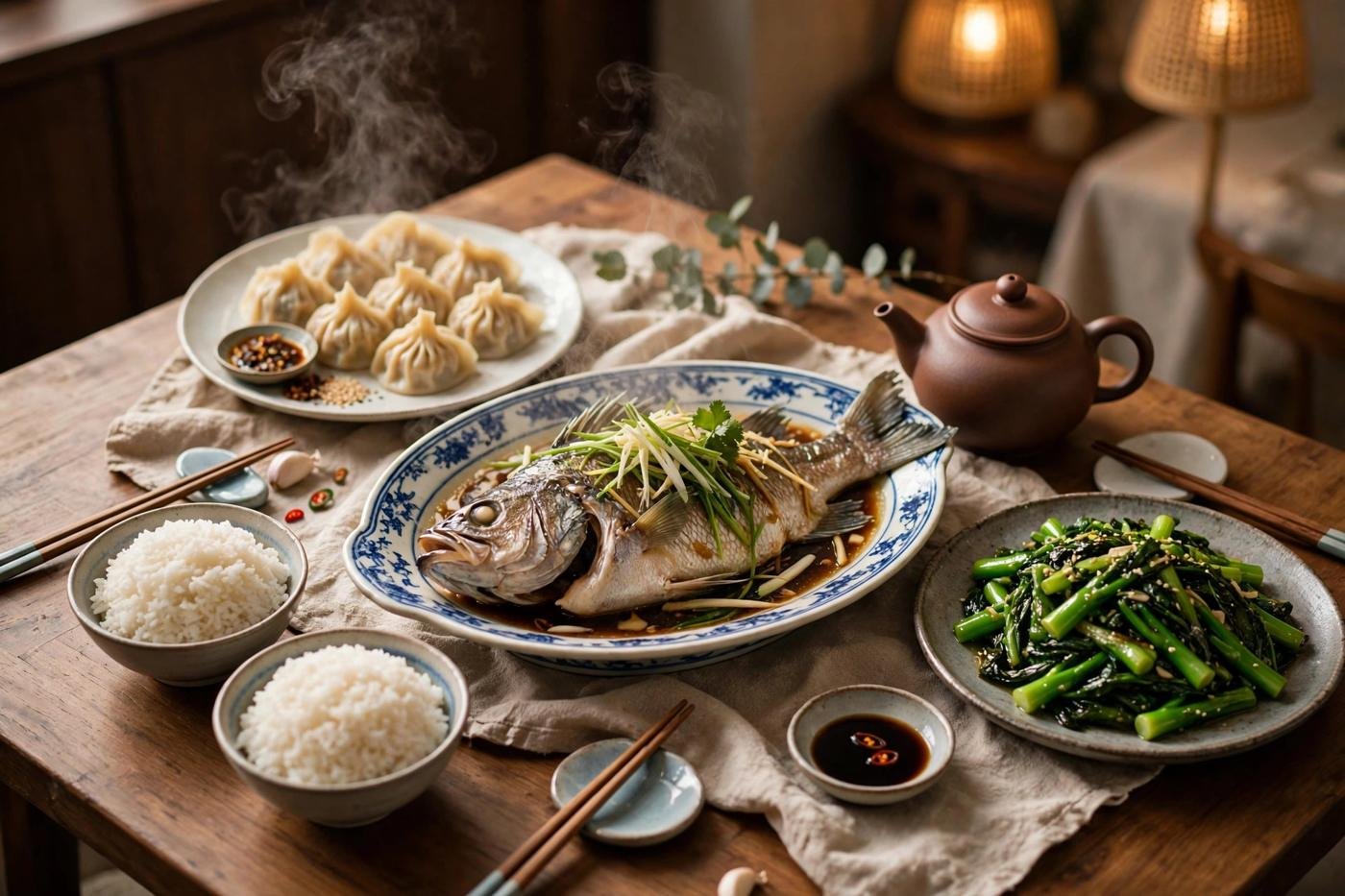
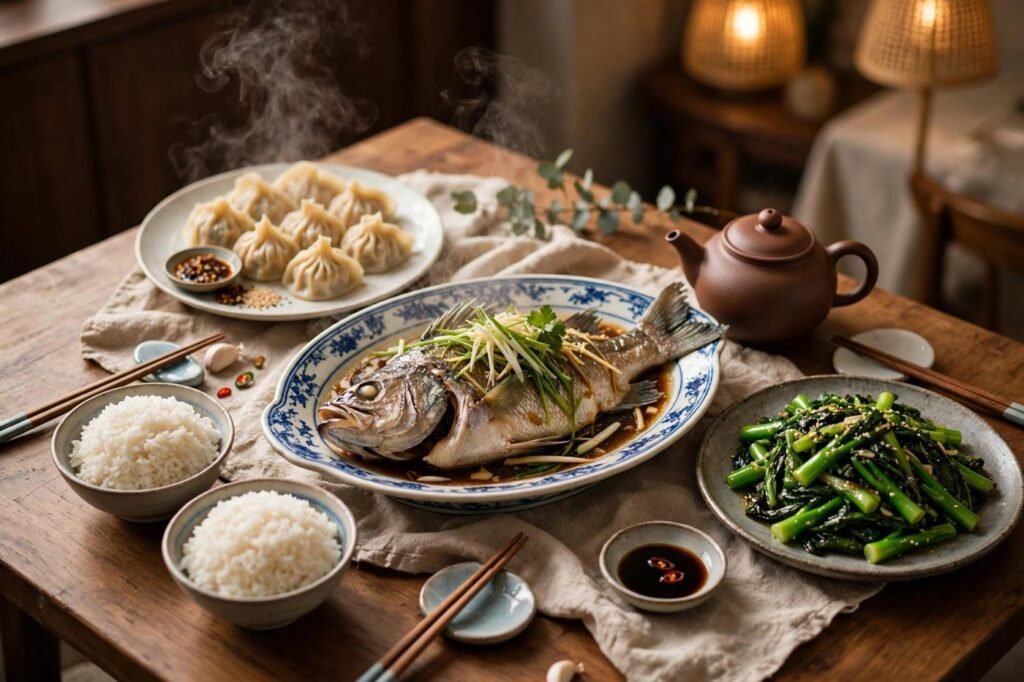
The best Chinese restaurant is the one where the food tastes of the kitchen, not the freezer: dumplings made that morning, vegetables that still have bite, and a wok that leaves a faint smokiness on everything it touches. The signs of a great one are easy to learn once you know what to look for.
So what is the best Chinese restaurant in 2027? It is the restaurant that cooks one region well, makes its own dumplings and noodles, and serves a menu that changes with the seasons. This guide ranks the ten things to look for, so you can spot a great one before you sit down.
Key takeaways:
- A great Chinese restaurant usually cooks one region well rather than trying to cover every style at once.
- Handmade dumplings, hand-pulled noodles and a wok that runs hot are the clearest signs of a serious kitchen.
- A short, seasonal menu beats a long one that never changes.
- The best dishes to order are the ones the restaurant is known for, so ask what the kitchen is proud of.
- Tea matters too: a restaurant that takes its tea seriously usually takes its cooking seriously.
What makes a Chinese restaurant great?
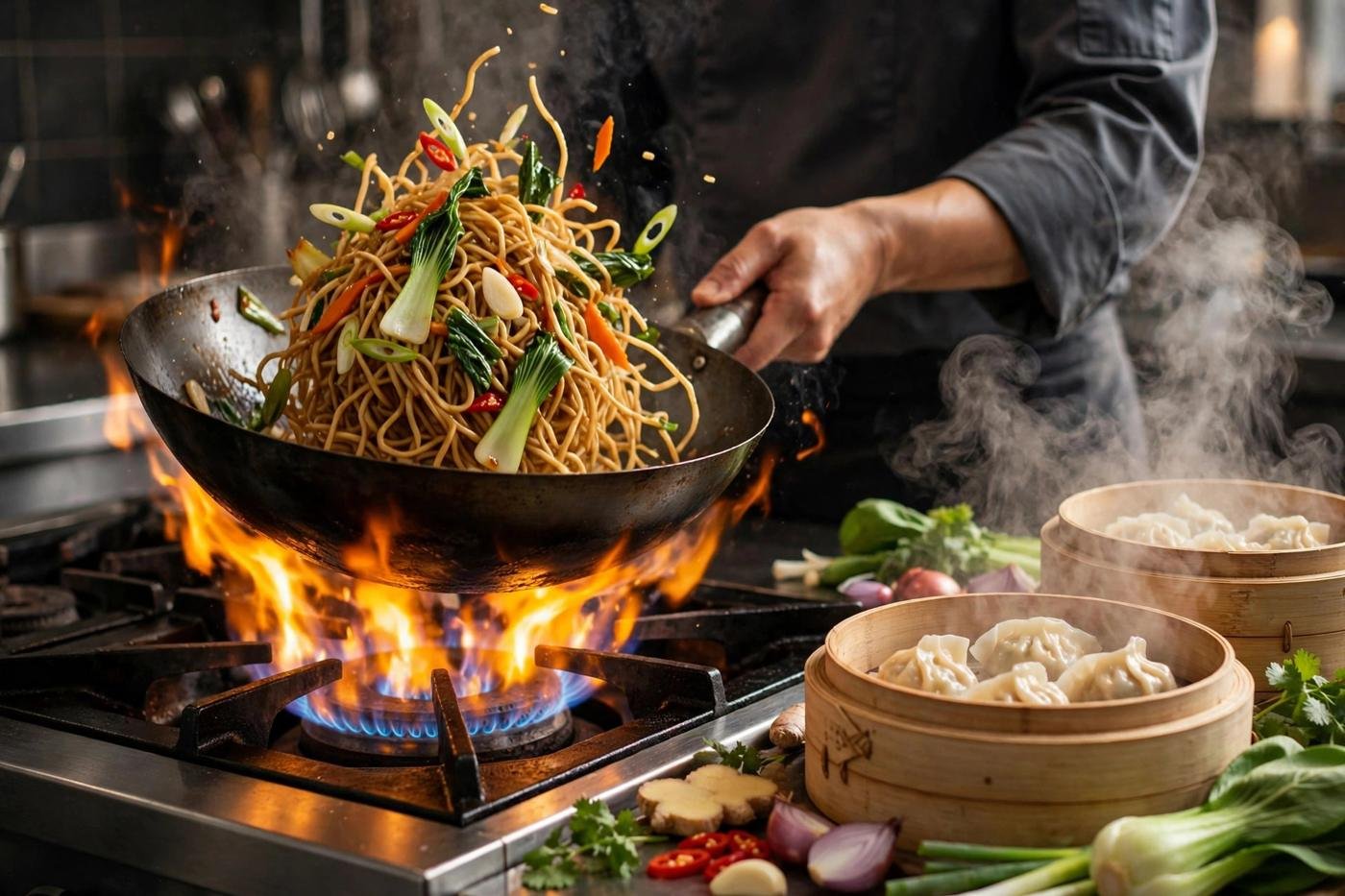
A great Chinese restaurant starts with the wok. A good one runs fiercely hot, so vegetables stay crisp, meat sears rather than stews, and every dish carries a faint smoky flavour known as wok hei, the breath of the wok.
The second test is freshness. Chinese cooking is built on fresh ingredients, and a good kitchen buys little and often. Fish should be steamed whole and served the same day, and greens should be bright and crisp.
The third test is focus. China has many regional cuisines, and no kitchen can cook all of them brilliantly. A Sichuan restaurant should make your lips tingle, while a Cantonese one should make dim sum and roast meats that taste clean and delicate. A restaurant that promises everything rarely delivers any of it well.
The fourth test is the dumpling. Dumplings are the most honest dish on a Chinese menu, because there is nowhere to hide a poor wrapper or a careless filling. A good dumpling has a thin, tender wrapper, a juicy filling and a neat pleat.
The final test is the tea. A restaurant that serves good tea, in a proper pot, with leaves rather than a bag, cares about the whole meal. Tea is part of the table in Chinese cooking, not an afterthought, and it tells you a lot about the kitchen’s standards. Our guide to how to make tea covers the basics.
The 10 things to look for in a great Chinese restaurant
1. A menu with a regional focus
The strongest sign of a great Chinese restaurant is a menu that knows where it comes from. A Sichuan restaurant should lean into chilli, Sichuan pepper and bold, numbing flavours. A Cantonese restaurant should lead with dim sum and roast meats, while a Shanghainese one should serve soup dumplings. When a menu names its region, the kitchen has chosen a craft to practise properly.
Best for: anyone who wants cooking with a clear identity.
2. Dumplings made in house
Dumplings made in house are the clearest sign of a kitchen that takes its craft seriously. The wrappers should be thin and tender, rolled by hand so they are slightly thicker in the middle and thinner at the edges, and the filling should be juicy without being wet. Pork and cabbage is the classic, but a good kitchen will also offer prawn, chicken or vegetable fillings.
Watch for the pleats: a neatly pleated dumpling shows a cook who has made thousands of them.
Best for: a first visit, because dumplings tell you everything about the kitchen.
3. Hand-pulled noodles or hand-cut noodles
Noodles made by hand have a spring and a bite that dried noodles cannot match. Hand-pulled noodles, stretched into long ribbons, are a speciality of the north-west, and they arrive in a rich broth or tossed with chilli oil. Hand-cut noodles, sliced from a block of dough into boiling water, are thicker and chewier.
Best for: a cold day, when a bowl of noodles and broth is exactly right.
4. A proper wok station, running hot
The wok should be hot enough that a plate of greens arrives still bright and crisp, with a faint smokiness that no ordinary pan can give. This is wok hei, and it comes from cooking fast over very high heat, tossing the food so it kisses the flame. A kitchen that runs its wok properly can turn simple garlic greens into something you remember.
Best for: judging the kitchen before you order the expensive dishes.
5. Dim sum worth arriving early for
Dim sum is the Cantonese tradition of small plates served with tea, and a good dim sum service is a sign of a serious kitchen. The classics are har gow, prawn dumplings with a translucent wrapper, and siu mai, open-topped pork dumplings. A good har gow has a wrapper you can almost see through, with a whole prawn inside, and a siu mai should be juicy and well seasoned.
Dim sum is usually served at lunchtime, and the best places are busy early. If the restaurant serves it all day, that is fine too, as long as the dumplings are steamed to order.
Best for: a weekend lunch, shared across the table with a pot of tea.
6. Roast meats done properly
Roast duck, char siu pork and crispy pork belly are the heart of a Cantonese kitchen, and they take real skill. A good roast duck has crisp skin and moist meat, and it should be carved to order rather than sliced hours earlier. Char siu, the barbecued pork with its sweet, caramelised edges, should be tender with a slight char, and crispy pork belly should crackle when you bite it.
Best for: a shared meal, with rice and greens alongside.
7. A short, seasonal menu
A short menu is a confident menu. A kitchen that offers twenty dishes and cooks them all well will beat a kitchen that offers a hundred dishes and cooks none of them properly. A short menu also means the ingredients turn over quickly, so everything is fresh.
Best for: regulars, who get a menu that changes with the seasons.
8. Sichuan cooking with real heat
Sichuan cooking is the boldest of China’s regional cuisines, and it is built on two flavours: the heat of dried chilli and the numbing tingle of Sichuan pepper. Together they create mala, the numbing-and-spicy signature of the region. A good Sichuan restaurant should make your lips buzz gently, not burn them raw.
The dishes to look for are mapo tofu, soft tofu in a spicy sauce with minced pork, and kung pao chicken, with peanuts, dried chillies and Sichuan pepper. Both should be balanced, with the heat sitting alongside sour, sweet and salty notes. If the food is only hot, the kitchen has missed the point.
Best for: anyone who likes bold, spicy food with real depth.
9. Steamed fish, served whole
A whole steamed fish, with ginger, spring onion and a splash of soy, is the dish that shows a kitchen’s confidence. There is nowhere to hide with a steamed fish: it must be fresh, it must be cooked for exactly the right time, and it must be served the moment it is ready. A good one is delicate, moist and clean tasting.
Best for: a celebration, or a meal where the food is the occasion.
10. A room that feels lived in
The room matters, though not in the way you might think. A great Chinese restaurant does not need white tablecloths or a designer interior. It needs to feel lived in: busy tables, a hum of conversation, families sharing dishes, and a menu that regulars know by heart. A restaurant full of Chinese families is a good sign.
Best for: a relaxed meal where the food does the talking.
How do China’s regional styles compare?
| Region | Flavour | Dish to try first | Best for |
|---|---|---|---|
| Sichuan | Hot and numbing | Mapo tofu | Bold, spicy food |
| Cantonese | Clean and delicate | Har gow dumplings | Dim sum and roast meats |
| Shanghainese | Gentle and slightly sweet | Soup dumplings | A refined lunch |
| Hunan | Hot and sour | Steamed fish with chilli | Heat without numbness |
| Beijing | Rich and savoury | Peking duck | A celebration meal |
| North-west | Hearty and wheaty | Hand-pulled noodles | A filling bowl of noodles |
Your Chinese restaurant checklist
Work through this list before you book, and you will rarely eat badly.
- Check the menu’s focus: one region cooked well beats every region cooked badly.
- Ask about the dumplings: handmade on the premises is the sign of a serious kitchen.
- Order the greens: a plate of stir-fried greens tests the wok for very little money.
- Read the specials board: seasonal dishes are usually where the best cooking hides.
- Share dishes family style: order several plates for the table rather than one dish each.
- Order the tea: a proper pot is part of the meal.
- Go at a busy time: a full room means fresh food turning over fast.
Frequently asked questions
What should I order at a Chinese restaurant for the first time?
Start with dumplings, stir-fried greens and one signature dish, such as mapo tofu at a Sichuan place or roast duck at a Cantonese one. Add rice and a pot of tea, and share everything family style.
What is the difference between Sichuan and Cantonese cooking?
Sichuan cooking is bold, hot and numbing, built on chilli and Sichuan pepper. Cantonese cooking is clean and delicate, built on steaming, roasting and the freshness of the ingredients. The best restaurant for you is the one that cooks its own region properly.
Is dim sum only served at lunch?
Traditionally dim sum is a lunchtime meal, served with tea, and many restaurants only offer it until mid-afternoon. Some serve it all day, which is fine as long as the dumplings are steamed to order.
How do I know if a Chinese restaurant is authentic?
Look for a focused regional menu, dumplings and noodles made in house, a short seasonal menu, and a room full of regulars. A restaurant that cooks one region well, with fresh ingredients and a hot wok, is cooking honestly.
What is wok hei?
Wok hei is the faint smoky flavour that comes from cooking fast in a very hot wok, and it is often called the breath of the wok. It is one of the clearest signs that a kitchen knows its craft.
Should I tip at a Chinese restaurant?
Tipping customs vary by country and by restaurant, so follow the local practice where you are eating. A service charge is often already added to the bill, so check before you add more.
Sources
This guide reflects widely published guidance on Chinese regional cooking and wok technique. For more on eating out well, our guides to the best burger restaurants in LA and the best breakfast in Las Vegas use the same approach: judge the kitchen by what it does best.
The bottom line
The best Chinese restaurant in 2027 is not the one with the longest menu or the grandest room. It is the one that cooks a single region well, makes its own dumplings and noodles, runs a hot wok, and serves a short menu that changes with the seasons.
Your next step is simple: find a restaurant with a clear regional focus, order the dumplings and the greens, and ask what the kitchen is proud of.














