

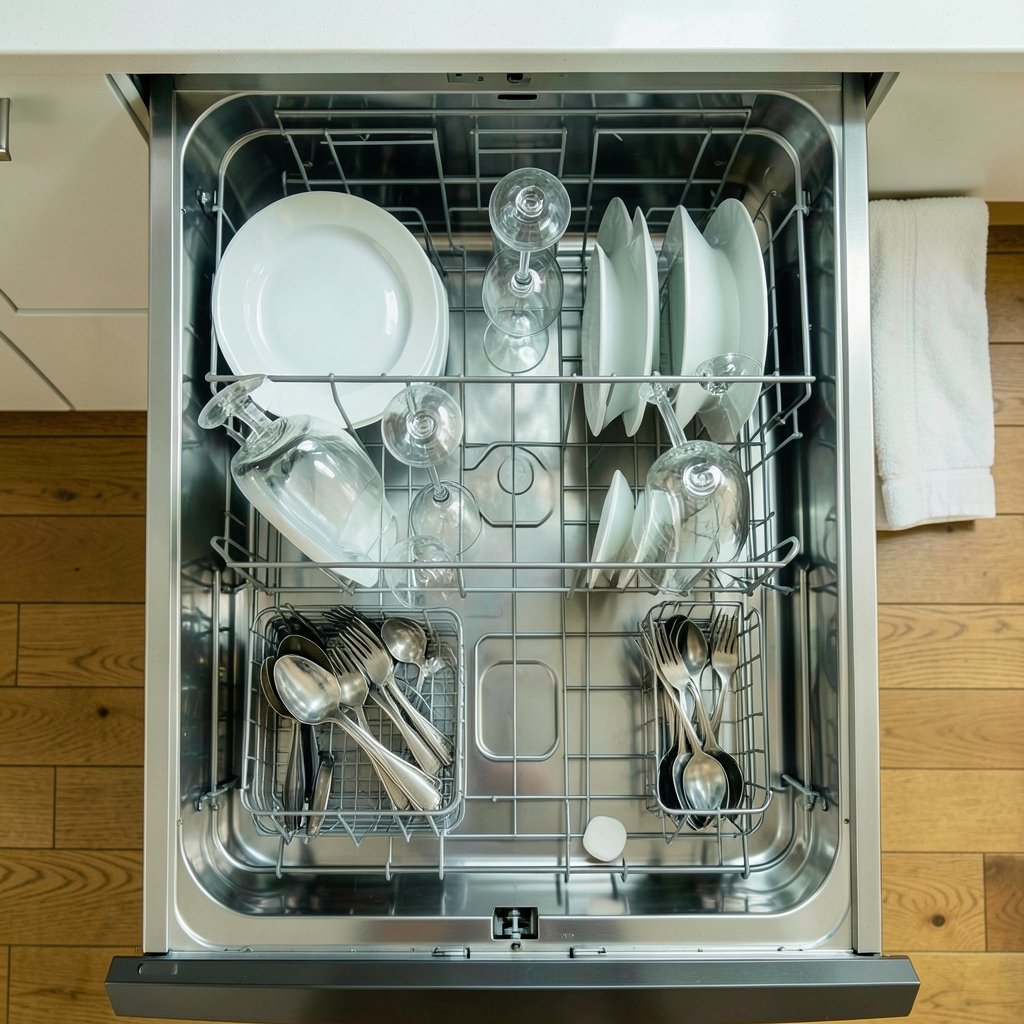
What if the most expensive dishwasher in the showroom isn’t the one that keeps you happiest five years later? That’s the question shoppers keep circling back to, and the answer is messier than a single brand slogan. Satisfaction surveys, reliability data, and owner forums rarely agree on a single winner. Bosch wins on satisfaction in one study, KitchenAid takes reliability in another, and Miele quietly dominates efficiency rankings while costing more than a used car.
This roundup cuts through the noise. It names the brands that genuinely deserve a shortlist spot, explains who each one suits, and flags the real limitation you’ll live with after the delivery truck leaves.
The Shortlist at a Glance
| Brand | Best for | Standout strength | Main limitation | Typical tier |
|---|---|---|---|---|
| Bosch | Most shoppers | Top satisfaction, quiet operation | Not the reliability leader | Mid to premium |
| KitchenAid | Long-haul owners | Highest reliability score | Satisfaction sits below average | Premium |
| Miele | Efficiency obsessives | Most efficient models available | Highest price bracket | Luxury |
| Samsung | Feature hunters | Tied for top satisfaction | Service experience varies | Mid-range |
| LG | Quiet kitchens | 38 dBa models | Fewer efficiency qualifiers | Mid-range |
| Frigidaire | Tight budgets | Low entry cost | Lowest satisfaction score | Budget |
Bosch: The Default Pick for Most Kitchens
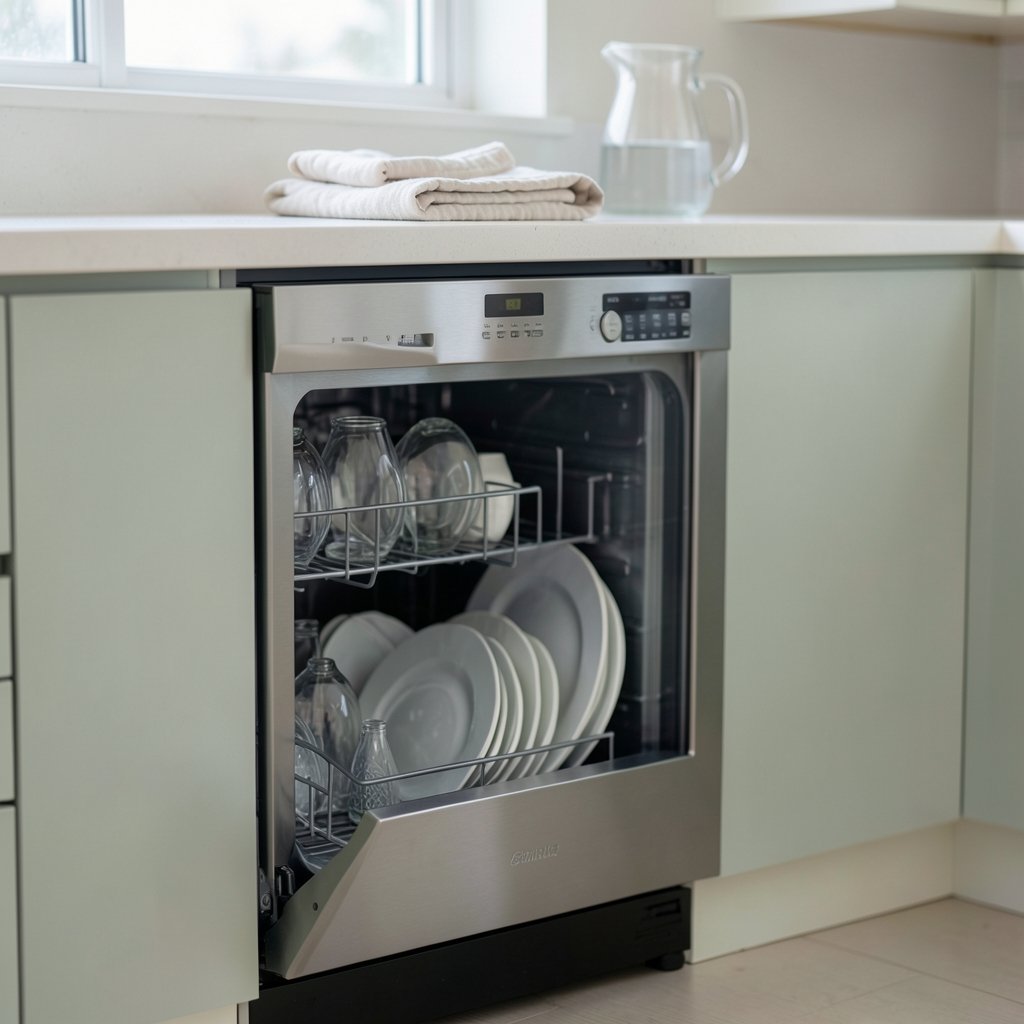
Bosch is the brand most shoppers land on, and the data backs that instinct. In J.D. Power’s 2025 customer satisfaction survey, Bosch scored highest for dishwashers overall, just ahead of Samsung and Whirlpool, according to SlashGear’s coverage of the study. Consumer Reports stacked its Best Dishwashers of 2026 list with Bosch at the top three spots, led by the Benchmark Series SHP9PCM5N.
Who it suits: anyone who wants strong cleaning, quiet running, and a brand with deep service coverage. Bosch models from the 300 Series upward are the ones most owners defend online. One Houzz commenter reported a nine-year-old Bosch that had never needed a repair.
What it does well: washing, drying, and near-silent cycles. The Benchmark Series earned praise for all three plus reliability and user satisfaction. Bosch also appears among the quietest models at 38 dBa.
The real limitation: reliability isn’t its crown. J.D. Power’s reliability survey placed Bosch joint second with GE at 64 problems per 100, one point behind KitchenAid. That’s excellent, but it means the “most reliable” badge belongs elsewhere. Budget shoppers should also know Bosch sits in the mid-to-premium tier, not the value aisle.
KitchenAid: The Reliability Champion
Here’s the twist most shoppers miss. The brand with the fewest problems per 100 isn’t the one with the happiest customers. KitchenAid topped J.D. Power’s reliability rankings at 63 problems per 100, yet ranked slightly below the segment average on satisfaction, per SlashGear. Yahoo’s coverage of the 2026 study adds that KitchenAid and Samsung tied at the top, beating both Bosch and LG.
Who it suits: buyers who plan to keep the machine for a decade and hate calling a technician. KitchenAid still makes some products in the USA, which matters to certain shoppers.
What it does well: build quality and durability. Industry surveys and technician feedback consistently place KitchenAid alongside Bosch and Miele for lasting performance.
The real limitation: satisfaction scores suggest the ownership experience isn’t as polished as the hardware. Features, controls, or drying performance may lag behind what Bosch owners report. Yale Appliance commenters repeatedly mention a KitchenAid around $799 as the quietest option with the most features when it’s on promotion, so timing a purchase matters.
Miele: The Efficiency and Drying Specialist
Miele doesn’t win the popularity contest, but it wins the spreadsheet. In Energy Star’s Most Efficient criteria, Miele holds 20 qualifying models, more than three times the combined total from Bosch, Samsung, and LG. The Miele G 5892 SCVi SL is the most efficient model at 200 kWh per year.
Who it suits: households that run the dishwasher daily and care about long-term energy costs, plus anyone frustrated by wet plastic containers. Yale Appliance commenters call Miele the best wash-and-dry system, crediting a design that lets air in from the side so steam and moisture escape.
What it does well: drying, efficiency, and rack flexibility. Some owners prefer Miele’s rack layout and say it cleans better than Bosch.
The real limitation: price. Miele sits firmly in the luxury bracket alongside KitchenAid, Cafe, JennAir, Fisher & Paykel, Thermador, and Smeg. It’s the brand you buy when the budget is a guideline, not a wall. If you’re weighing big-ticket purchases across the house, the same logic that applies to luxury car brands applies here: you pay for engineering, not badges.
Samsung: Features and Satisfaction, With a Caveat
Samsung tied KitchenAid at the top of the 2026 satisfaction study, and it also appears among the quietest models at 38 dBa alongside Bosch and LG. That’s a strong one-two punch for a mid-range brand.
Who it suits: buyers who want modern controls, smart features, and quiet operation without luxury pricing.
What it does well: satisfaction and noise. Owners in the 2026 survey rated it as highly as any brand.
The real limitation: it didn’t crack the reliability podium, and the 2025 survey placed it behind Bosch on overall satisfaction. Service experiences vary by region, so check local repair coverage before buying. If you’re outfitting a whole kitchen, the same research-first approach in this guide to best refrigerator brands that actually separates them pays off here too.
LG: Quiet Operation, Fewer Efficiency Wins
LG earns a spot mainly for noise. Its LUDP8908SN runs at 38 dBa, matching the quietest Bosch and Samsung models. That matters in open-plan homes where the kitchen sits beside the sofa.
Who it suits: open-plan households and light sleepers.
What it does well: sound levels and mid-range pricing.
The real limitation: LG had far fewer models qualifying for Energy Star’s Most Efficient list than Miele, Bosch, or Samsung. If efficiency is your priority, LG isn’t the leader. It also didn’t top either J.D. Power study.
Frigidaire: The Budget Option With a Warning
Frigidaire is the brand to consider only when the budget is fixed and tight. It received the worst overall satisfaction score in J.D. Power’s 2025 survey.
Who it suits: rental properties, starter homes, and anyone replacing a machine in a hurry.
What it does well: low entry price. Frigidaire sits in the budget tier with Ikea, Midea, and Danby, with models well under the luxury bracket.
The real limitation: satisfaction. Buyers report more frustration than average, and cheaper machines may last only five to seven years versus 10 to 15 for well-made units. As one appliance specialist quoted by The Telegraph put it, buy from a truly budget range and you’ll buy again in a couple of years.
How to Choose Without Overthinking It
Start with reliability data, then layer in the features you’ll actually use. A few practical rules that hold up:
- Set your budget tier first. Budget, mid-range, and luxury brands rarely overlap on build quality.
- Check noise ratings if your kitchen opens into living space. Anything at 38 to 44 dBa is genuinely quiet.
- Look at efficiency qualifiers if you run daily cycles. The difference compounds over a decade.
- Confirm local repair coverage. A reliable brand with no technician nearby is a headache.
- Measure your cabinet opening before falling in love with a model.
Common mistakes: buying on brand name alone, ignoring drying performance, and skipping the installation quote. A dishwasher that doesn’t fit is a very expensive box.
If you’re comparing appliances across the whole kitchen, the same budget-first discipline in this guide on how to pick the best dishwasher in 2025 without overpaying applies to every major purchase. And if you’re kitting out a new home, the thinking behind athleisure brands that turned gym clothes into everyday wardrobes mirrors appliance shopping: pay for what you’ll use daily, not for the label.
Conclusion
There’s no single best dishwasher brand, only the best fit for your kitchen and your patience level. Bosch wins on satisfaction and quiet operation. KitchenAid wins on reliability. Miele wins on efficiency and drying, at a price. Samsung ties for top satisfaction, LG leads on noise value, and Frigidaire is the budget fallback with a satisfaction caveat. Match the brand to your priorities, verify local service, and measure the gap before you buy.
Frequently Asked Questions
Which dishwasher brand is the most reliable?
KitchenAid ranked highest in J.D. Power’s reliability survey with 63 problems per 100, one point ahead of Bosch and GE at 64. Miele and Bosch also carry strong reputations for durability among technicians and owners.
Is Bosch really the best dishwasher brand?
It’s the best on customer satisfaction, according to J.D. Power’s 2025 survey, and Consumer Reports placed three Bosch models in its top three for 2026. It isn’t the reliability leader, though, so “best” depends on what you value.
How long should a dishwasher last?
Well-made machines typically last 10 to 15 years. Cheaper budget models may only manage five to seven years, which is why appliance specialists warn against the cheapest ranges.
Are expensive dishwasher brands worth it?
Often, yes, if you run daily cycles. Miele holds 20 Energy Star Most Efficient models, and its top unit uses 200 kWh per year. Premium brands also tend to use better components, which means fewer repairs over time.
What noise level should I look for?
Aim for 38 to 44 dBa. The quietest models from Samsung, Bosch, and LG run at 38 dBa, while a quiet budget pick like the Hotpoint H8IHP42LUK runs at 44 dB.
Which brand should budget shoppers avoid?
Frigidaire received the lowest overall satisfaction score in J.D. Power’s 2025 survey. It’s fine for rentals or short-term needs, but buyers planning to stay put should stretch to a mid-range brand instead.
The Bottom Line on Brand Reputation vs. Real-World Fit
One pattern runs through every study cited here: brand reputation and owner satisfaction don’t move in lockstep. KitchenAid builds the most dependable machines but trails the segment average on satisfaction. Bosch delights owners but sits one problem per 100 behind KitchenAid on reliability. Miele engineers the most efficient units on the market yet stays out of reach for most budgets. That gap is the single most useful thing to understand before you buy.
It also explains why forum advice diverges so sharply. A Houzz commenter praising a nine-year-old Bosch with zero repairs is telling the truth. So is a KitchenAid owner who loves the build but finds the controls clumsy. Neither is wrong; they simply weighted the trade-offs differently.
A few practical notes close the loop:
- Warranty length often signals how much confidence a manufacturer has in its own build. Compare coverage terms alongside problem rates.
- Local service networks matter more than national averages. A reliable brand with no technician within an hour’s drive is a liability.
- Promotional timing can close the price gap between tiers. Commenters repeatedly flag KitchenAid models near $799 on promotion, which puts reliability-champion hardware within mid-range reach.
- Drying performance deserves a test run if you hand-wash plastics often. It’s the complaint that surfaces most among owners who otherwise like their machines.
The 2026 data points in one direction: the market has no flawless brand, only well-documented strengths. Bosch owns satisfaction and silence. KitchenAid owns durability. Miele owns efficiency and drying. Samsung ties for the happiest owners. LG delivers quiet operation at mid-range prices. Frigidaire remains the emergency fallback.
Buy for the next ten years, not the next ten minutes. Check the reliability numbers, listen to the machine if your kitchen is open, confirm a technician covers your postcode, and measure the cabinet gap twice. Do those four things and the brand decision mostly makes itself.






