What separates a genuinely good energy drink from a can of sugar water with a lightning bolt on it? Walk into any convenience store and you will face a wall of cans, each promising sharper focus, cleaner energy, or a smoother crash. The marketing is loud. The labels are confusing. And the “best” pick depends on things most shoppers never think to check.
This guide cuts through the noise. It looks at what the research actually says about caffeine and sugar, how to read a label in ten seconds, and which types of drinks tend to win on measurable criteria rather than flashy claims. No brand worship, no miracle promises, just the practical stuff that helps someone pick a can that fits their day.
Start With Caffeine, Because That Is the Whole Point
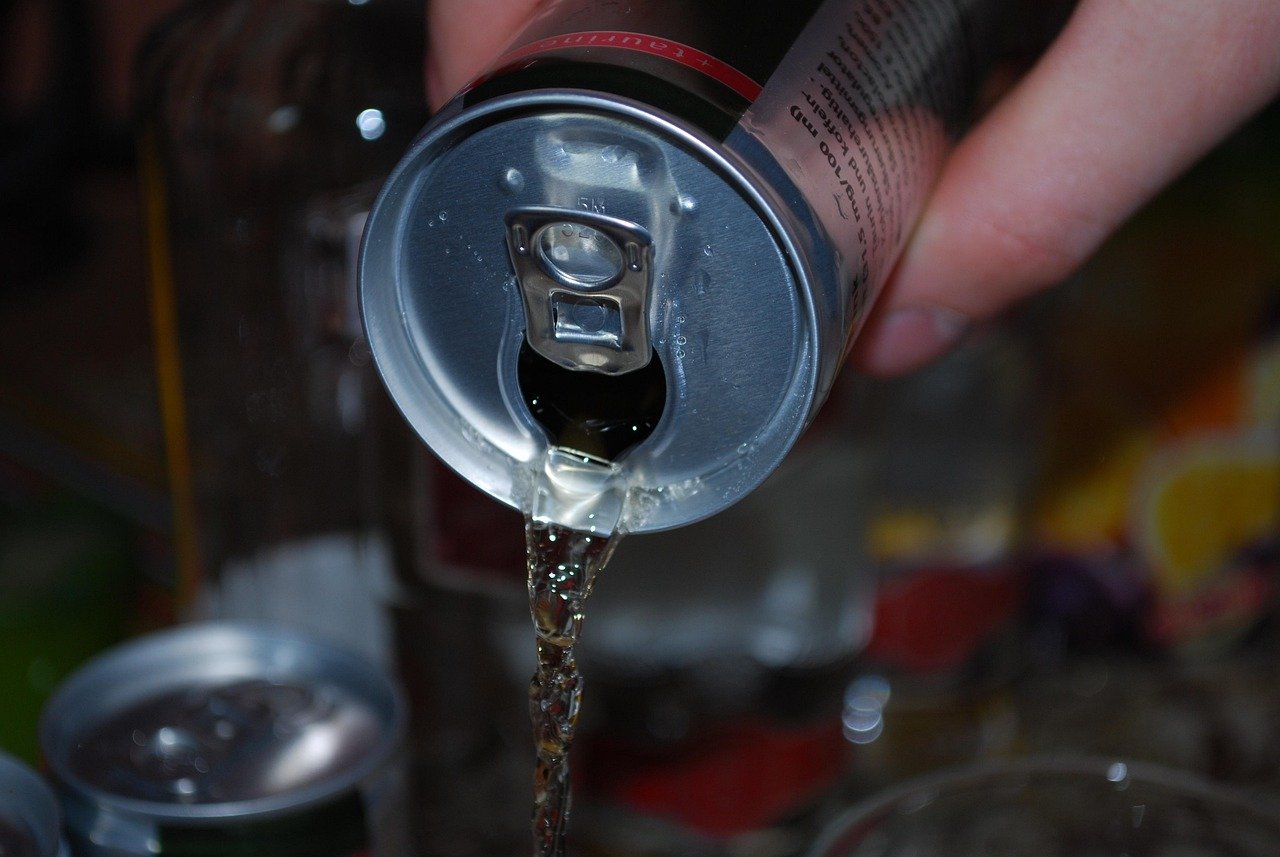
Caffeine is the active ingredient that makes an energy drink work. Everything else is supporting cast. So the first question about any can is simple: how much caffeine is in it, and how does that fit into a day?
The numbers vary more than most people expect. A typical small 8.4 fl oz (250 mL) can holds roughly 80 mg of caffeine, about the same as a cup of coffee. Large-format cans in the 16 to 24 fl oz range can carry 150 to 300 mg or more. That is a huge spread, and it means two cans that look similar on the shelf can hit completely differently.
For healthy adults, single doses of caffeine up to 200 mg and habitual intake up to 400 mg per day are not linked to safety concerns, according to the European Food Safety Authority’s 2015 scientific opinion. The US Food and Drug Administration cites that same 400 mg daily figure as a level not generally associated with dangerous negative effects. Pregnant and breastfeeding women are advised to stay at or below 200 mg per day.
What does that mean in practice? A single large can with 300 mg could push someone close to their daily ceiling before lunch. Stack a morning coffee on top and the total climbs fast. The smart move is to treat every energy drink as a caffeine dose first and a flavor experience second.
A quick caffeine reality check
| Drink format | Typical caffeine | Share of a 400 mg day |
|---|---|---|
| Small can (8.4 fl oz) | About 80 mg | 20% |
| Medium can (12–16 fl oz) | 110–200 mg | 28–50% |
| Large can (20–24 fl oz) | 200–300+ mg | 50–75%+ |
| Standard coffee (8 oz) | About 95 mg | 24% |
Those are typical ranges, not guarantees. Formulations change, so the label on the can in your hand is the only number that counts.
Sugar Is the Second Big Divide
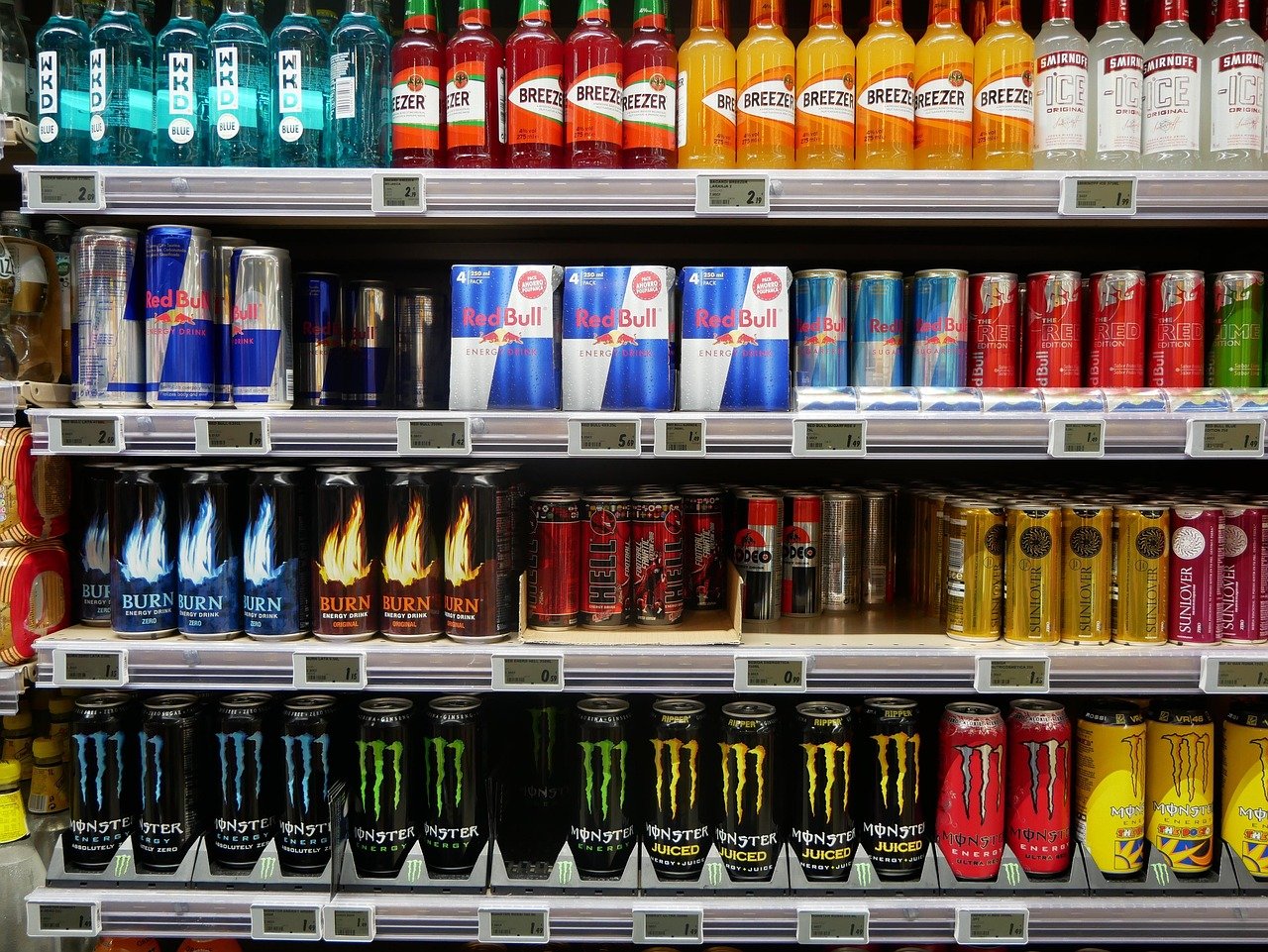
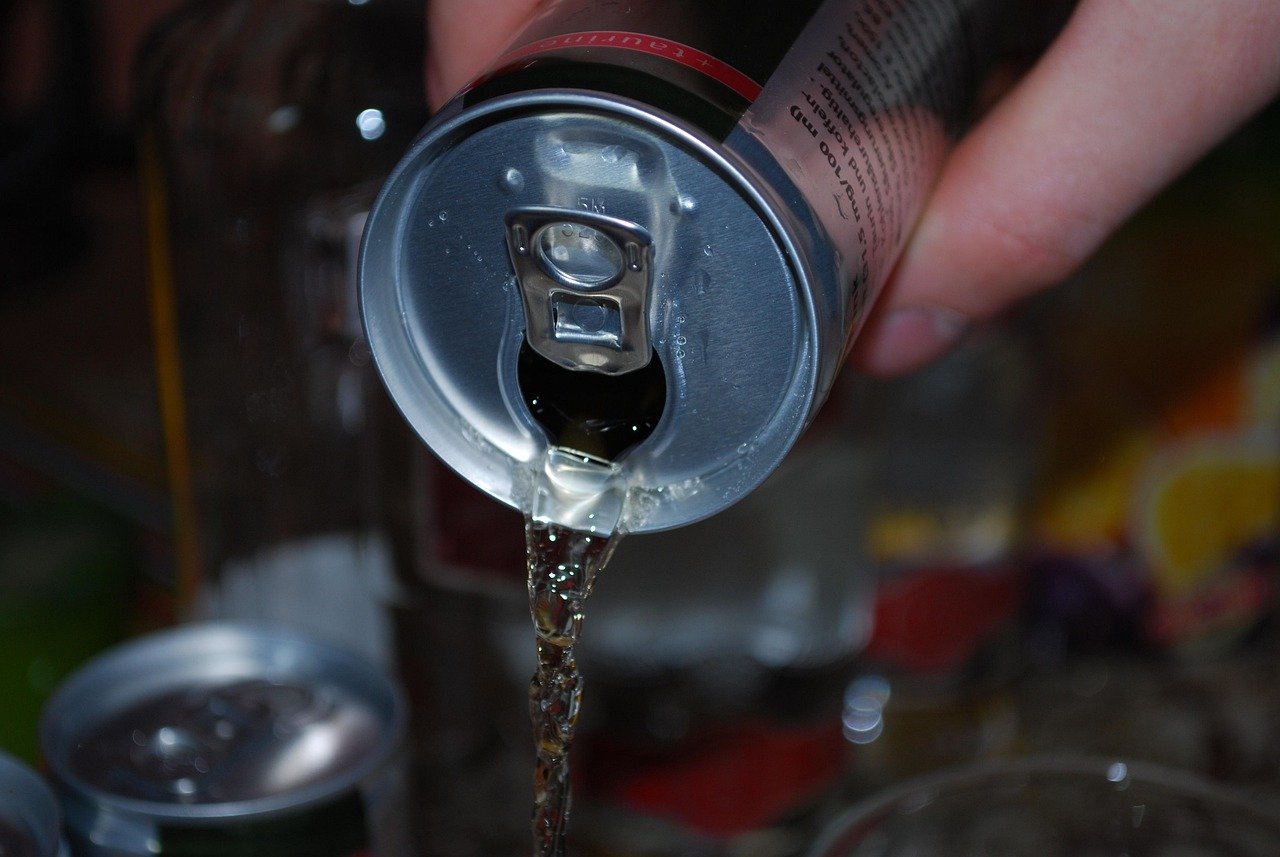
Here is where many energy drinks quietly undo their own usefulness. Plenty of standard cans pack 25 to 30 grams of sugar or more into a single serving, which is a lot of fast energy followed by a noticeable dip. The World Health Organization recommends keeping free sugars below 10% of total energy intake, and one sugary can can eat a serious chunk of that budget.
Zero-sugar and low-sugar variants swap in non-nutritive sweeteners. For most people chasing steady energy without the sugar load, these are the more sensible everyday choice. They are not automatically “healthier” in every sense, but on the two metrics that matter most, caffeine and sugar, they usually score better.
A practical habit: compare the sugar column before the flavor names. A can with 27 g of sugar and 80 mg of caffeine is basically a soft drink with a stimulant attached. A zero-sugar can with 150 mg of caffeine is a focused tool. Same shelf, very different jobs.
If you want a sense of how much a drink really costs you nutritionally before you commit, running the numbers first is worth the two minutes. A Starbucks calorie calculator to estimate your drink before you order shows the same principle in action: know the load before it hits your body.
The Other Ingredients Are Mostly Supporting Cast
Most cans list taurine, B vitamins, and sometimes guarana or ginseng. These sound impressive on a label. The honest summary is that the evidence for performance benefits beyond caffeine is limited and mixed. Taurine and B vitamins are not harmful in normal amounts, but they are not the reason a drink wakes you up.
Guarana deserves a specific warning. It is a plant source of caffeine, which means a can listing both “caffeine” and “guarana” may deliver more total stimulant than the caffeine line alone suggests. Always scan the full ingredient list for hidden caffeine sources.
What actually works, in practice:
- Read the caffeine number per can, not per 100 mL. The per-can figure is what you are drinking.
- Check the sugar grams and compare against zero-sugar versions.
- Look for guarana, green tea extract, or other caffeine sources stacked on top.
- Note the can size. A “serving” is often half the can, which doubles the real numbers.
- Check the warning label. High-caffeine drinks carry specific advisories in many countries for good reason.
That last point matters more than people realize. In the EU, beverages with more than 150 mg of caffeine per liter must state “High caffeine content. Not recommended for children or pregnant or breast-feeding women” along with the amount. The UK has similar rules and some retailers voluntarily restrict sales to under-16s. These labels exist because the dose is real, not because regulators are being fussy.
How to Judge “Best” Without Getting Fooled
“Best” is not one thing. It depends on what someone needs from the can. Here is a framework that separates measurable criteria from pure taste preference.
| What you want | What to look for | What to avoid |
|---|---|---|
| Clean, moderate lift | 80–150 mg caffeine, zero sugar | 300 mg cans, 25 g+ sugar |
| Pre-workout energy | 150–200 mg caffeine, small can | Sugary mixers, stacked stimulants |
| Afternoon rescue | Under 100 mg, small format | Large cans late in the day |
| Budget caffeine | Caffeine per dollar, plain formula | Trendy blends with markup |
| Flavor first | Taste test, low sugar | Assuming taste equals quality |
The pattern is consistent: the best everyday energy drink for most adults is a zero-sugar can in the 80 to 150 mg range, drunk before mid-afternoon, and counted against a daily caffeine budget. That is not exciting advice, but it is the advice that holds up.
Taste is the wildcard, and it is genuinely personal. Some people love the sharp, medicinal bite of a classic formula. Others want something closer to a soda. Neither preference is wrong. The mistake is letting flavor marketing override the caffeine and sugar numbers, which are the parts that actually affect how the drink performs.
Common Mistakes People Make With Energy Drinks
Even careful shoppers slip up. These are the errors that show up again and again.
Drinking a large can like it is a small one. A 24 oz can is not “one drink” in caffeine terms. It can be half a day’s limit in a single sitting. Treat big cans as two servings of stimulant even when the label calls them one.
Stacking without counting. Coffee in the morning, an energy drink at lunch, a cola in the afternoon. Each one seems modest. Together they can blow past 400 mg without anyone noticing. Keeping a rough mental tally is the single most useful habit.
Mixing with alcohol. This is a documented public-health concern because caffeine can mask how intoxicated someone feels, which encourages riskier behavior. Several countries and some US states have restricted pre-mixed caffeine-alcohol products. Treat the combination as a red flag, not a party trick. If you are curious how mixed drinks stack up, a look at how a Monaco drink with beer, lemonade, and grenadine is mixed and explained shows how easy it is to lose track of what is actually in the glass.
Ignoring timing. Caffeine has a long half-life. A 200 mg drink at 5 p.m. can still be measurably in the system at bedtime. For most people, cutting off caffeine by early afternoon protects sleep, and sleep is the real energy source no can can replace.
Assuming “natural” means gentle. Guarana, yerba mate, and green tea extract are all caffeine. Natural does not mean low-dose.
For anyone who prefers their caffeine from a gentler source, there are alternatives worth knowing. Learning what actually makes the best instant coffee worth drinking is a useful comparison point, since a plain cup often delivers the same lift as a small can with far fewer ingredients.
When an Energy Drink Is the Wrong Tool
Sometimes the honest answer is that no can is the right pick. Energy drinks are not recommended for children, and the caffeine limits cited above are for healthy adults who are not pregnant. People with cardiovascular conditions, anxiety disorders, or sensitivity to stimulants should talk to a clinician before leaning on them.
There is also the fatigue trap. If someone needs a 200 mg can every afternoon to function, the drink is not solving the problem. It is masking a sleep debt, a hydration gap, or a schedule that needs fixing. Caffeine borrows energy; it does not create it. The best energy drink in the world cannot outrun four hours of sleep.
Hydration is another quiet factor. Caffeine has a mild diuretic effect, and many energy drinks are consumed instead of water rather than alongside it. Pairing each can with a glass of water is a small habit with an outsized payoff.
What About the Trendier Options?
The drink aisle keeps expanding. Fermented options, functional sodas, and ready-to-drink mixes all compete for the same shelf space, and some of them are genuinely interesting. A fermented milk drink like kefir, and how kefir compares to yogurt, for example, offers probiotics and protein rather than a stimulant hit. That is a different job entirely, and it is worth being clear about which job you are shopping for.
The same logic applies to spirits and cocktails that borrow energy-drink branding. Something like a Cazadores tequila, and what is actually in the bottle when you drink it, is a completely different product category from a caffeine can, even when the marketing overlaps. Mixing categories is how people accidentally combine stimulants and alcohol without meaning to.
The takeaway is not that these products are bad. It is that “energy drink” has become a loose label, and shoppers need to read what is actually inside rather than trusting the shelf position.
So Which One Wins?
There is no single champion, and anyone who claims otherwise is selling something. But the criteria for picking well are stable and testable: moderate caffeine per can, low or zero sugar, no hidden stimulant stacking, sensible timing, and a daily total under 400 mg for healthy adults.
For most people, that points to a zero-sugar can in the 80 to 150 mg range as the everyday pick, a slightly stronger can reserved for genuinely demanding days, and plain coffee as the reliable fallback. Taste decides the rest. A drink someone actually enjoys, at a dose that fits their day, beats a “top-rated” can they dread opening.
The best energy drink is the one whose label you understand before you drink it. That is a lower bar than the marketing suggests, and a much more useful one.
Frequently Asked Questions
How much caffeine is too much in one energy drink?
For healthy adults, a single dose up to 200 mg is not linked to safety concerns, and total daily intake up to 400 mg is considered acceptable by major health bodies. A can above 200 mg pushes a single serving toward the edge of that guidance, especially if coffee is also in the picture. Pregnant and breastfeeding women are advised to stay at or below 200 mg per day in total.
Are zero-sugar energy drinks better for you?
On the two metrics that matter most, caffeine and sugar, zero-sugar versions usually score better because they remove 25 to 30 grams of sugar per can. They still contain caffeine and should be counted in a daily budget. “Better” here means lower sugar load, not a free pass to drink unlimited cans.
Do taurine and B vitamins make energy drinks work better?
The evidence for benefits beyond caffeine is limited and mixed. Taurine and B vitamins appear in many formulas and are not harmful in normal amounts, but caffeine is the ingredient doing the heavy lifting. A can’s stimulant effect tracks its caffeine content far more closely than its taurine or vitamin list.
Is it safe to mix energy drinks with alcohol?
It is a documented public-health concern. Caffeine can mask how intoxicated someone feels, which can lead to riskier behavior and heavier drinking. Several countries and some US states have restricted pre-mixed caffeine-alcohol products for this reason. The combination is best avoided rather than managed.
Why do some cans carry a “high caffeine content” warning?
In the EU, drinks with more than 150 mg of caffeine per liter must carry a warning stating high caffeine content and noting it is not recommended for children or pregnant or breast-feeding women. The UK has similar rules, and some retailers voluntarily restrict sales to under-16s. The warning reflects a real dose, not a technicality.
Can I drink an energy drink every day?
Many healthy adults can, provided total caffeine stays under 400 mg per day, sugar intake is kept in check, and the drink is not replacing sleep or water. The bigger warning sign is dependence: needing a strong can every afternoon to function usually points to a sleep or schedule problem that caffeine only hides.