

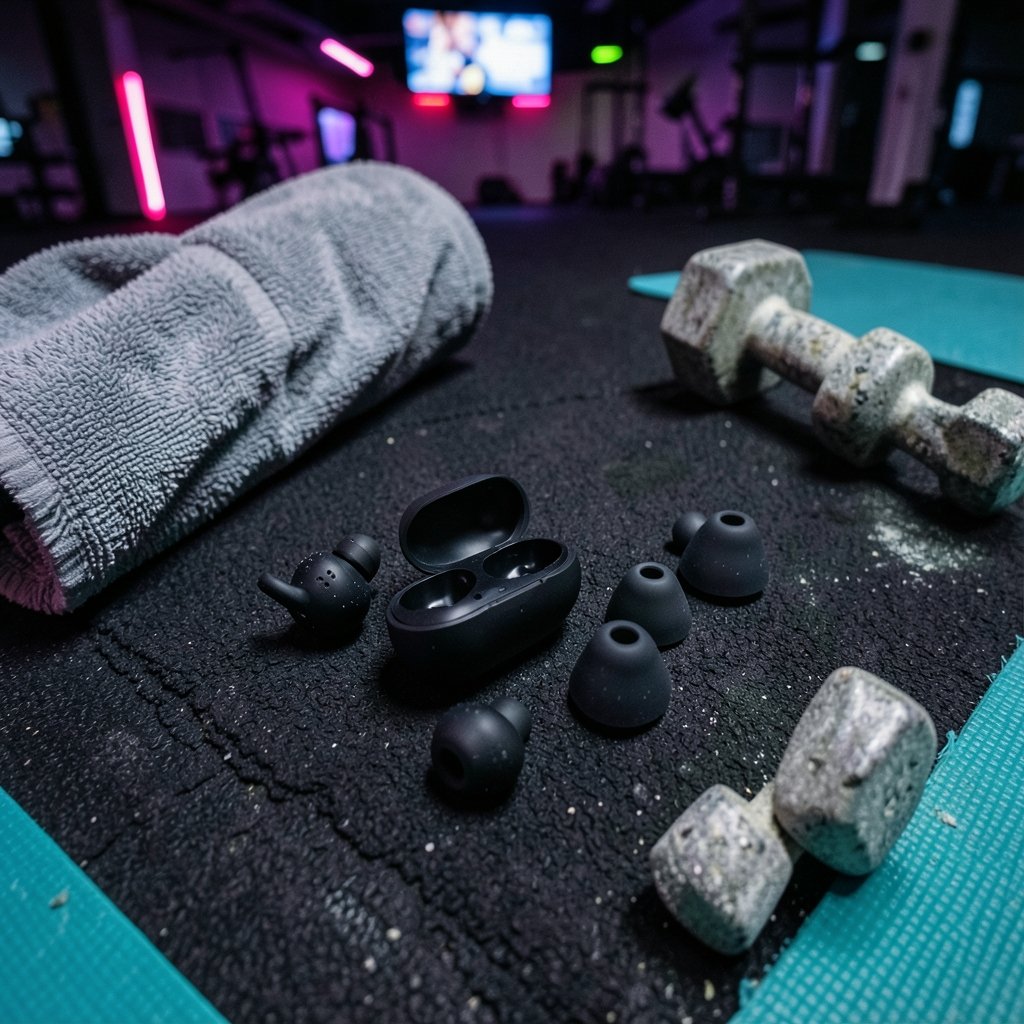
What good is a perfect playlist if your earbuds slide out halfway through a burpee? Anyone who has fished a loose bud out of a gym mat knows the frustration. The right pair should stay put, shrug off sweat, and keep pumping through the last rep. The wrong pair turns a workout into a juggling act.
This roundup focuses on specific, named options rather than theory. Each pick below notes who it suits, what it does well, and one honest limitation. A quick comparison table comes first, then the details, then a short guide to choosing.
Comparison Table: Workout Headphones at a Glance
| Model | Best for | Fit style | Key strength | Watch out for | Listed price |
|---|---|---|---|---|---|
| Beats Fit Pro | All-round gym use | Wing-tip in-ear | Secure fit, wide ear tip range | Not the strongest noise cancellation | Not stated |
| Apple AirPods Pro 3 | iPhone owners | In-ear with five tip sizes | Strong ANC and sound, heart-rate sensing | Less secure fit than Beats for some | Not stated |
| Powerbeats Pro 2 | Runners and lifters | Ear hook | Built-in heart-rate sensor, hook stays put | Side buttons are easy to hit by accident | Not stated |
| Bose Ultra Open Earbuds | Outdoor runners | Clip-on open ear | Awareness of traffic and surroundings | Pricey for what they offer | Not stated |
| JBL Endurance Peak 4 | Sweat, mud, bad weather | Ear hook | IP68 dust and water protection | Bulkier than simple buds | $129.99 |
| Sony LinkBuds Clip | All-day comfort seekers | Clip-on open ear | Long battery with case | Open design leaks sound | $229.99 |
| HUAWEI FreeClip 2 | Lightweight everyday training | Clip-on open ear | Light on the ear, open design | Not built for marathon-length sessions | $199.99 |
Prices above come from published listings and can change, so check the official product page before buying.
Beats Fit Pro: The Safest Bet for Hard Training
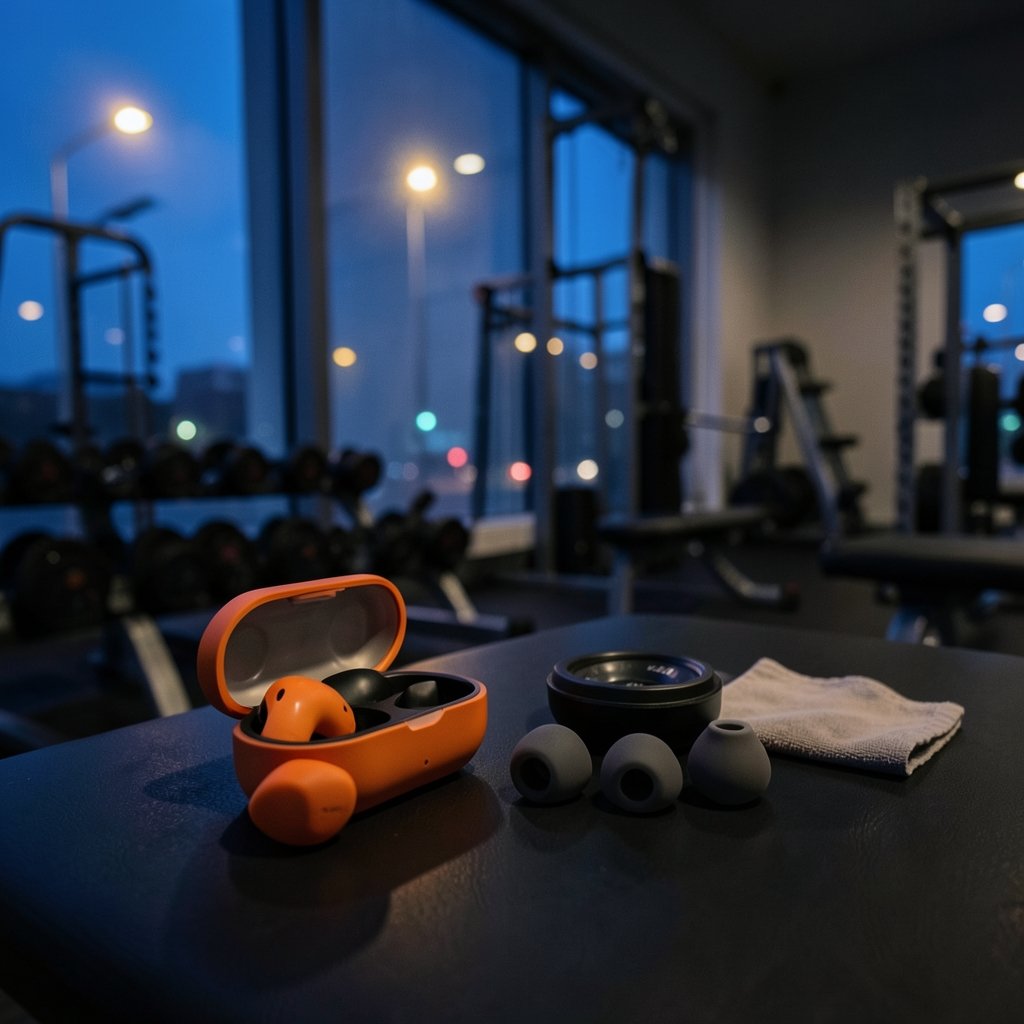
If one pair keeps showing up on tester lists, it is this one. The Beats Fit Pro use a flexible wing tip that tucks into the ear and holds on during jumps, sprints, and floor work. They also ship with five ear tip sizes (XS through L), which matters more than most buyers realize. A proper seal is the difference between bass you feel and bass you lose.
Battery life runs up to 10 hours on a charge, or 45 hours with the case. Color options include electric orange, hyper purple, jet black, and quick sand.
The limitation: noise cancellation is good but not class-leading. In a loud gym, the AirPods Pro 3 block more. For pure stability, though, Beats still wins for many testers.
Apple AirPods Pro 3: Best for iPhone Users Who Want It All
Apple’s latest buds bring the strongest sound and active noise cancellation among the pairs tested in recent roundups. The fit also improved: five ear tip sizes now come in the box, a real upgrade over the previous generation. For anyone deep in the Apple ecosystem, connectivity is instant and spatial audio is arguably the best you can get in a workout bud.
The new trick is heart-rate monitoring built into each bud, using the same sensor tech found in the Apple Watch. That is genuinely useful for runners who do not want a watch strapped on. (Polypeptide amino acid chains build working molecules)
Two honest caveats. First, the fit is still not quite as locked-in as the best Beats models, so heavy lifters may notice movement. Second, Android users lose most of the convenience. If you carry an iPhone, these are a strong default.
Powerbeats Pro 2: Built for People Who Move Fast
The ear hook design is old-school and still undefeated for one thing: staying on. The Powerbeats Pro 2 add a heart-rate sensor of their own, so you get performance data without extra gear. iPhone owners get dynamic head tracking, automatic device switching, and Find My integration. Android users can still pair with one touch and customize controls through the Beats app. (Fashion nova promo codes find working discounts avoid dead)
Here is the practical warning testers keep repeating: the side buttons are sensitive. During runs, people accidentally pause tracks or skip songs while adjusting the fit. It is a small annoyance that shows up in real use, not on a spec sheet. If you fiddle with your buds mid-run, expect a few surprise silences.
Bose Ultra Open Earbuds: For Runners Who Need Their Ears
Open-ear designs clip onto the outer ear and leave the canal clear. That means you hear your music and the car behind you at the same time. For early morning runners crossing streets, this is not a gimmick. Testers who run before dawn specifically praise the awareness it gives them, from traffic to birdsong.
Controls are tap-based: adjust volume, skip songs, or switch between immersive and stereo sound without pulling out a phone. The buds are IPX4 rated for water resistance, which handles sweat and light rain.
Two limits worth knowing. First, the price is high for what you get. Second, first-time users often need an adjustment period. Testers report sore ears at the start that fade once the ear gets used to the clamp. Give it a week before judging.
JBL Endurance Peak 4: The Tough One for Messy Workouts
Some training is dirtier than others. If your sessions involve sweat, mud, or unpredictable weather, the JBL Endurance Peak 4 are worth a look. The ear hooks keep them anchored, and the IP68 rating means serious protection against dust and water. That is a tougher rating than most gym buds carry.
They also include active noise cancellation, which is unusual at this price and useful for both outdoor training and indoor gyms. At $129.99, they undercut most of this list.
The trade-off is bulk. Ear hook buds with heavy protection never feel as invisible as small in-ears. If you want to forget you are wearing headphones, look elsewhere.
Sony LinkBuds Clip: Comfort That Lasts All Day
The Sony LinkBuds Clip clamp onto the outer ear rather than sitting inside it. If your ears ache after an hour with normal buds, this shape is worth trying. They offer multiple listening modes, app-based EQ, and up to 37 hours of battery with the case. They list at $229.99.
The open design is the point and the problem. You stay aware of your surroundings, but sound leaks out, which matters in a quiet office or a crowded train. For gym use, that trade is usually fine.
HUAWEI FreeClip 2: Lightweight and Easy to Forget
At $199.99, the HUAWEI FreeClip 2 take the clip-on idea and make it lighter. The open design keeps you aware, and the fit is easy to live with for steady-state cardio and lifting. Battery runs about 9 hours per charge.
The limitation is endurance. Testers note that clip-on designs can become uncomfortable over very long efforts, so these are better for gym sessions than marathon training. If your workouts run past two hours, choose a hook or wing-tip design instead.
Over-Ear Headphones in the Gym: Worth It or Not?
Some people simply prefer the feel of over-ear cups. Testers who tried six pairs for gym use, ranging from $299.99 to $549, found real differences in weight and fit. Weight spread ran from 250 grams to 451 grams, and battery from 20 to 55 hours.
The pattern that emerged: most over-ear models are designed for planes and offices, not for an hour of hard training. Sweat, heat buildup, and movement are the enemies. If you insist on over-ears, pick a lighter pair and expect to wipe the pads down after every session.
How to Choose Without Overthinking It
Start with your workout type, not the spec sheet.
- Match the fit to the movement. Lifting and HIIT reward wing tips and ear hooks. Steady runs can handle open-ear clips. Over-ears suit walking and light cardio.
- Check the water rating. IPX4 handles sweat. IP68 handles sweat, dust, and rain. Anything unrated is a gamble in a gym bag.
- Look at ear tip sizes. More sizes means a better seal, which means better bass and better passive isolation. Five sizes is now common on premium buds.
- Decide on awareness. Open designs keep you safe outdoors. Sealed designs with strong ANC keep you focused indoors. You cannot have both at full strength.
- Test the controls. Sensitive buttons cause accidental pauses. Read user reports before buying instead of relying only on the marketing page.
- Think about your phone. Apple features only pay off on iOS. Android users get more value from brands with proper app support.
A common mistake is buying for sound quality alone. In practice, fit and sweat resistance decide whether you actually use the things. A second mistake is skipping the fit test: wear new buds around the house for an hour before trusting them in a workout. If they slip while you load the dishwasher, they will slip during a sprint.
If you also care about gear outside the gym, the same logic applies to other everyday purchases. The best noise cancelling headphones actually cut noise because they match your environment, not because of a bigger number on the box.
Conclusion
There is no single winner here, and that is fine. The Beats Fit Pro are the safest all-rounder for hard training. The AirPods Pro 3 are the pick for iPhone owners who want top-tier sound and noise cancellation. Runners who need to hear traffic should look at the Bose Ultra Open Earbuds, while the JBL Endurance Peak 4 win on toughness and price. Clip-on fans get comfort from the Sony LinkBuds Clip and a light touch from the HUAWEI FreeClip 2.
Pick the fit that matches how you move, check the water rating, and stop chasing the perfect spec sheet. Your ears will tell you the truth within a week.
FAQ
Are expensive workout headphones worth it?
Sometimes. Premium models like the AirPods Pro 3 earn their price with stronger noise cancellation, better sound, and features like heart-rate monitoring. But the JBL Endurance Peak 4 at $129.99 offers IP68 protection and ANC for far less. If you train hard and sweat a lot, spending more usually buys better fit and durability. If you train lightly, a mid-range pair is fine. (Patterdale terrier this working dog breed really like)
Can I use regular headphones for the gym?
You can, but you probably will not enjoy it. Regular headphones often lack sweat protection, and loose fits fail during movement. Over-ear models trap heat and slide during floor work. A pair rated IPX4 or higher with a secure fit will last longer and cause less frustration.
What does IPX4 actually mean for sweat?
IPX4 means the device survives splashing water from any direction. That covers sweat and light rain. It does not cover submersion or heavy dust. If your workouts involve mud or outdoor weather, look for IP68, which handles dust and water far better.
Do open-ear earbuds sound worse?
They sound different. Open designs let outside noise in, so bass feels lighter and detail can get lost in loud places. In exchange, you stay aware of traffic, gym announcements, and training partners. For outdoor running, many people consider that a fair trade.
How long should workout headphones last on a charge?
It varies widely. Some buds run up to 10 hours per charge, others about 9, and cases extend that to 37 or 45 hours. Volume and temperature affect real-world results, so keep volume moderate to get closer to the stated figure.
Are ear hooks better than wing tips?
Ear hooks are harder to dislodge and suit runners and heavy lifters. Wing tips feel lighter and sit more discreetly in the ear. Both work well. Choose hooks if you have lost a bud mid-workout before, and wing tips if comfort matters more than maximum lock-in.






