Retinol is the one skincare ingredient almost every dermatologist agrees on. It speeds up cell turnover, smooths fine lines, and helps keep skin clear, and in recent years it has started appearing in hair care too, in scalp treatments, serums and masks that promise stronger, thicker-looking hair. The problem is not finding a retinol product. It is finding one that actually helps your scalp and hair, rather than irritating your scalp or drying your hair out.
That is why this guide is honest about what the category is. Dedicated retinol hair masks made specifically for men are still a small category, so this roundup covers gentle retinol treatments that work on the scalp and hair, alongside the rich masks that pair well with them, and each entry says plainly which it is. A retinol serum used on the scalp is not the same as a hair mask, but for many men it is the more useful product, and pretending otherwise would be dishonest.
Below are nine products worth considering in 2027, from a true retinol hair treatment to gentle, fragrance-free masks for dry or irritated scalps. Each one is described by what it is good at, what to watch for, and who it suits best, so you can choose with your scalp in mind, not just a bestseller list.
Key takeaways
- Retinol on the scalp can support cell turnover and a healthier scalp, but it is a treatment, not a daily hair mask, and it must be used slowly.
- Dedicated retinol hair masks for men are a small category, so this roundup mixes true retinol scalp treatments with gentle masks that pair with them, and each entry says which it is.
- Start at a low strength, once a week, and only build up if your scalp stays calm, with no redness, flaking or itching.
- Retinol makes skin more sensitive to sun, so protect your scalp with a hat or scalp sunscreen, especially if your hair is thinning.
- No hair product regrows hair on its own, and a mask that irritates your scalp, or is used on broken or sunburned skin, should be stopped.
What retinol actually does for scalp and hair
Retinol is a form of vitamin A. On skin, it speeds up the rate at which old cells are shed and new cells are made, which is why it helps with fine lines, uneven tone and blocked pores. On the scalp, the same mechanism can help with a flaky, congested scalp, because it encourages the skin to renew itself and can help keep hair follicles clear of the build-up that makes hair look dull and limp.
What it does not do is regrow hair. No topical retinol product has been shown to reverse hair loss on its own, and any product that promises that is overstating its case. What retinol can do is support a healthier scalp, and a healthier scalp is a better base for the hair you have. That is a modest claim, but it is an honest one, and it is the reason retinol has moved from face creams into hair care.
The risk is irritation. The scalp is skin, and retinol can make it red, flaky or itchy, especially at a high strength or when used too often. It also makes skin more sensitive to sunlight, which matters for men with thinning hair or a receding hairline, where the scalp is exposed. That is why every product in this list is used slowly, at a low strength, and always with sun protection for the scalp.
How we chose these products and what to look for
Look first at the form and the strength. A dedicated retinol hair treatment is usually a leave-in serum or a short-contact mask, at a low strength of 0.2 percent or below. A rich hair mask with no retinol is a different product, useful for moisture and softness, but it will not do what retinol does. Check the label and the entry below, and do not assume a product contains retinol just because it sits in a retinol roundup.
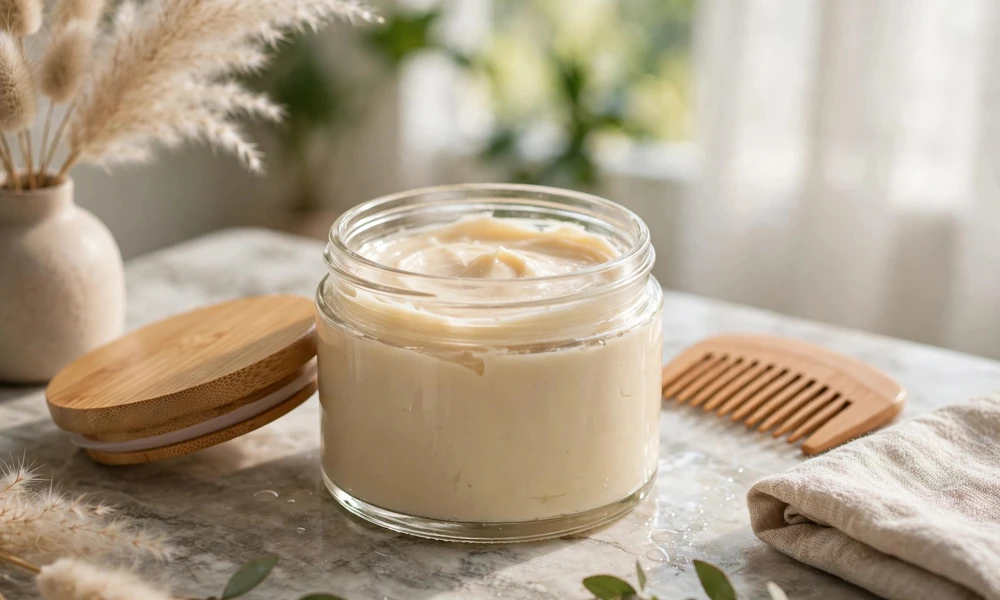
Look next at the supporting ingredients. Ceramides and hyaluronic acid help a retinol treatment feel comfortable rather than stripping. Niacinamide can calm the scalp. A mask with shea butter, argan oil or squalane adds moisture and softness, which is useful because retinol can leave hair feeling dry. Our guide to the best retinol creams for beginners explains the same start-slow principle, because the rules for retinol on the face apply to the scalp too.
Finally, look at the hair type and the routine. Fine hair needs a light, rinse-out mask that will not weigh it down. Thick or curly hair can take a richer mask. Oily scalps should avoid heavy oils at the roots. And a product you will use once a week, every week, is worth more than a stronger one you avoid because it irritates your scalp.
The 9 best retinol hair masks for men 2027
The INKEY List Retinol Hair Treatment
What we like: A true retinol hair treatment, with a low-strength retinol designed for the scalp, in a light serum texture that does not weigh hair down or leave it greasy.
What to consider: A treatment, not a mask, so it does not add much moisture on its own, and it must be used slowly. Key ingredients: Retinol, vitamin E. Hair type: All, including fine. Size: 50 ml. Cruelty-free: Yes.
Paula’s Choice Clinical 1% Retinol Treatment
What we like: A well-studied 1 percent retinol treatment with ceramides and peptides, in a lotion texture that spreads easily over the scalp and absorbs without residue.
What to consider: One percent is strong for a scalp, so use a small amount, once a week at most, and never on broken or irritated skin. Key ingredients: Retinol 1%, ceramides, peptides. Hair type: Normal, thick. Size: 30 ml. Cruelty-free: Yes.
CeraVe Skin Renewing Retinol Serum
What we like: A gentle, encapsulated retinol serum with ceramides, hyaluronic acid and niacinamide, fragrance-free, and designed to be kind to sensitive skin.
What to consider: A face serum used on the scalp, so it is a treatment rather than a hair mask, and it adds little moisture to the hair itself. Key ingredients: Encapsulated retinol, ceramides, hyaluronic acid, niacinamide. Hair type: Sensitive, dry. Size: 30 ml. Cruelty-free: No.
The Ordinary Retinol 0.2% in Squalane
What we like: A very low-strength retinol in squalane, an oil that mimics the skin’s own moisture, at a price that makes it easy to try without committing to a premium product.
What to consider: An oil texture, so it can feel heavy on fine hair, and it is a face product used on the scalp, not a hair mask. Key ingredients: Retinol 0.2%, squalane. Hair type: Dry, thick, curly. Size: 30 ml. Cruelty-free: Yes.
The beginner’s retinol. At 0.2 percent it is about as gentle as retinol gets, and the squalane keeps the scalp comfortable, which is why it is a sensible first step.
RoC Retinol Correxion Night Serum Capsules
What we like: Single-dose capsules that keep the retinol fresh until use, with a gentle, fragrance-free formula that is easy to measure and hard to overuse.
What to consider: Capsules are designed for the face, so using them on the scalp takes a little patience, and they add no moisture to the hair. Key ingredients: Retinol, vitamin E. Hair type: All, including sensitive. Size: 30 capsules. Cruelty-free: No.
Neutrogena Rapid Wrinkle Repair Retinol Pro+ Night Serum
What we like: A retinol serum with hyaluronic acid and a smooth, fast-absorbing texture, widely available and fairly priced for a regular weekly treatment.
What to consider: A face serum used on the scalp, so it is not a hair mask, and it can feel strong if used more than once a week at first. Key ingredients: Retinol, hyaluronic acid. Hair type: Normal, combination. Size: 29 ml. Cruelty-free: No.
A practical, easy-to-find option. It absorbs quickly, it is affordable, and it is a sensible weekly treatment for a scalp that already tolerates retinol.
Olay Retinol 24 Night Serum
What we like: A gentle retinol blend with niacinamide and peptides, in a fragrance-free formula that is designed for nightly use on the face and is kind enough for a weekly scalp treatment.
What to consider: A face serum, not a hair mask, so it will not soften or condition the hair, and it should be kept to once a week on the scalp. Key ingredients: Retinol blend, niacinamide, peptides. Hair type: Sensitive, normal. Size: 40 ml. Cruelty-free: No.
The calm, reliable option. Niacinamide helps keep the scalp comfortable, and the gentle blend makes it one of the easiest retinol products to live with.
La Roche-Posay Retinol B3 Serum
What we like: A retinol serum with vitamin B3 and hyaluronic acid, from a brand known for sensitive skin, in a light texture that suits a weekly scalp treatment.
What to consider: A face serum used on the scalp, so it adds no moisture to the hair, and it is best kept to once a week at first. Key ingredients: Retinol, vitamin B3, hyaluronic acid. Hair type: Sensitive, normal. Size: 30 ml. Cruelty-free: No.
A good choice for sensitive scalps. The B3 helps calm the skin while the retinol works, and the light texture does not weigh hair down.
Kérastase Nutritive Masquintense
What we like: A rich, deeply conditioning hair mask with ceramides and irisome complex, that leaves thick or dry hair soft, smooth and easy to comb.
What to consider: This mask contains no retinol, and it is flagged as such. It is the conditioning partner to a retinol treatment, not a retinol product itself, and it is too rich for fine hair at the roots. Key ingredients: Ceramides, irisome complex, no retinol. Hair type: Thick, dry, curly. Size: 200 ml. Cruelty-free: No.
The mask to use after a retinol treatment. Retinol can leave hair feeling dry, and a rich mask on the lengths, not the scalp, restores softness without interfering with the treatment.
Which retinol hair product is right for you
Fine hair needs a light touch. A thin serum or a single-dose capsule, used once a week on the scalp, will not weigh it down, and a rinse-out mask on the lengths will add softness without flattening the roots.
Thick or curly hair can take more. A richer mask on the lengths after a retinol treatment is genuinely useful, because curly hair is often drier and the retinol can make it drier still. A low-strength retinol in squalane suits this hair type well, because the oil base adds comfort and the hair can carry the weight. Our guide to the best hydrating hair masks of 2027 is a useful companion here, because the mask you pair with a retinol treatment matters as much as the treatment itself.
Sensitive scalps need the slowest start. Choose an encapsulated or low-strength retinol, use it once a week, and only move to twice a week after a month if there is no redness, flaking or itching. If your scalp is already irritated, sunburned, or broken, do not use retinol at all until it has healed, and speak to a dermatologist if the irritation does not settle.
The caveats that matter
Retinol on the scalp carries the same risks as retinol on the face, and a few extra ones. It can cause redness, flaking and itching, especially at a high strength or when used too often. It makes skin more sensitive to sunlight, which matters for men with thinning hair, where the scalp is exposed to the sun. And it should never be used on broken, sunburned or freshly shaved skin, and never combined with a strong exfoliant or a prescription acne treatment without checking with a dermatologist first.
| Detail | What is known |
|---|---|
| What it does | Speeds up scalp cell turnover and can help keep follicles clear |
| What it does not do | It does not regrow hair on its own, and no product in this list claims to |
| How to start | Low strength, 0.2 percent or below, once a week, on a clean dry scalp |
| Who should start gently | Sensitive, dry or easily irritated scalps; start once a week and build slowly |
| Sun protection | Retinol increases sun sensitivity; wear a hat or use scalp sunscreen |
| What to avoid pairing | Strong exfoliants, prescription acne treatment, and use on broken or sunburned skin |
| Pairing with a mask | Use a rich mask on the hair lengths after treatment, not on the scalp |
| When to stop | If redness, flaking or itching persists, or if hair loss is sudden or patchy |
Sudden or patchy hair loss is not a cosmetic problem. If hair is falling out in clumps, or in round patches, or if the scalp is painful, blistered or infected, see a dermatologist rather than trying a new product. A hair mask, retinol or otherwise, is not a treatment for a medical condition, and delaying a proper check can make the problem worse.
Checklist: choosing a retinol hair product honestly
Use these checks before you buy, and again after two weeks of use.
- Check what it is: a true retinol scalp treatment, or a conditioning mask with no retinol, and choose accordingly.
- Check the strength: 0.2 percent or below to start, and only move up if your scalp stays calm.
- Patch-test first: apply to a small area behind the ear for two to three days before full-scalp use.
- Start slowly: once a week for a month, then twice a week at most, and never on broken or sunburned skin.
- Protect the result: wear a hat or use scalp sunscreen, because retinol increases sun sensitivity.
- Pair it well: use a gentle mask on the hair lengths after treatment, and keep heavy oils away from fine hair at the roots.
Frequently asked questions
Can men use retinol on their scalp?
Yes, at a low strength and slowly. Start at 0.2 percent or below, once a week, on a clean dry scalp, and only build up if there is no redness, flaking or itching. Stop if irritation persists, and speak to a dermatologist if you are using prescription treatment.
Will retinol regrow my hair?
No. Retinol supports a healthier scalp by encouraging cell turnover, but it has not been shown to regrow hair on its own. Any product that promises regrowth is overstating its case. If hair loss is sudden or patchy, see a dermatologist.
Can I use a retinol face serum on my scalp?
Yes, many men do, because dedicated retinol hair products are still rare. Use a small amount, once a week, on a clean dry scalp, and keep it away from the hair lengths, where it adds little and can feel heavy. A guide to the best retinol serums of 2027 can help you pick a gentle, low-strength formula to start with.
Should I use a hair mask after a retinol treatment?
Yes, on the lengths, not the scalp. Retinol can leave hair feeling dry, and a rich mask restores softness. Apply it from mid-length to the ends, leave it for five to ten minutes, and rinse well. Avoid heavy masks at the roots if your hair is fine.
Is retinol safe for a sensitive scalp?
Often yes, at a low strength and with a slow start. Choose an encapsulated retinol or a 0.2 percent formula, patch-test behind the ear, and use it once a week. If redness or itching persists, stop and try a gentler routine, or speak to a dermatologist.
Do I need sun protection on my scalp?
Yes, especially if your hair is thinning. Retinol makes skin more sensitive to sun, and a bare scalp burns easily. Wear a hat outdoors, or use a scalp sunscreen, and avoid strong sun on the day you apply a retinol treatment.
The bottom line
The best retinol hair product for men in 2027 is not the strongest or the most expensive. It is the low-strength treatment your scalp tolerates once a week, paired with a gentle mask on the lengths that keeps your hair soft. A true retinol hair treatment is the right start, and a rich conditioning mask is the right partner, not a substitute.
Start low, go slow, protect your scalp from the sun, and judge the product on how your scalp feels after a month, not on how strong it feels on day one. That is the honest way to get the benefit retinol is known for, without the irritation that makes people give up on it.