

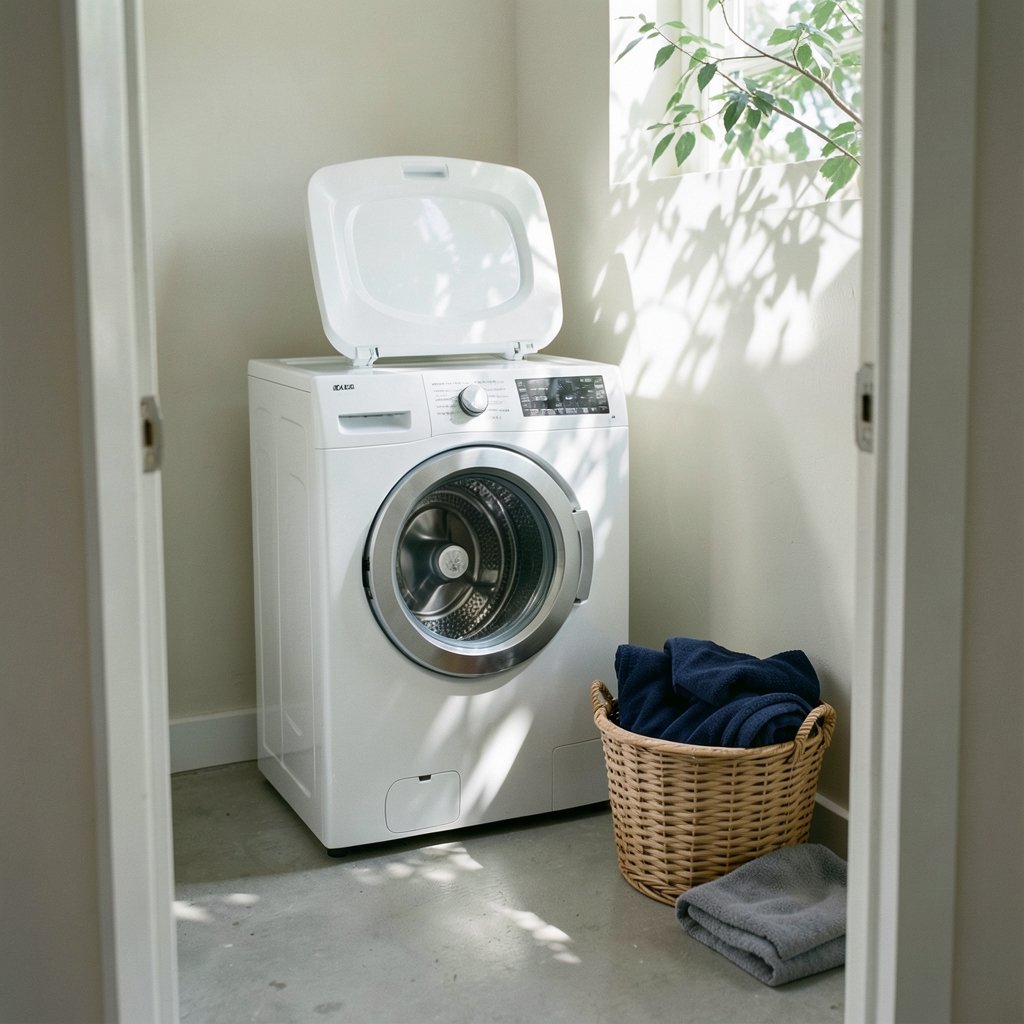
What if the washer that fits your life best is the one nobody argues about online? Top-loaders get less hype than their front-loading cousins, yet they remain the practical choice for plenty of households. They are usually cheaper to buy, easier to load without bending, and less prone to the mold and odor problems that plague front-loaders when the door stays shut. The catch is that the category is crowded, and the best top-load washer for a family of five is not the same machine that suits a single renter with a tiny utility closet. (Pick best pressure washer your actual cleaning jobs)
The shortlist below pulls from hands-on lab testing and large-scale owner surveys. According to J.D. Power’s 2026 appliance satisfaction study, which drew on more than 28,000 respondents, LG ranks highest among top-load washer brands. Consumer Reports testing has also put LG at the top of regular and high-efficiency top-load categories. Speed Queen earns its own loyal following for durability, and Maytag keeps a spot for pet households. Here is how the strongest options sort out.
Comparison table: best top-load washers at a glance
| Model | Best for | What it does well | Main limitation |
|---|---|---|---|
| LG WT7900HBA | Feature hunters | 14 wash programs, steam, internal heater, app control | More electronics to potentially fail |
| LG impeller 5.5 cu ft top-loader | Agitator-free cleaning | Top performer among impeller models in testing | No central agitator for stubborn scrubbing |
| Speed Queen TC5003WN | Traditionalists | Simple controls, durable build | Fewer features than the LG |
| Speed Queen TR7 | Gentle fabric care | Exceptionally gentle, seven-year warranty | Weak on heavy stains |
| Maytag Pet Pro MVW6500MBK | Pet owners | Catches lots of pet hair, built-in faucet | Delicates cycle is rough |
LG WT7900HBA: the feature-loaded workhorse
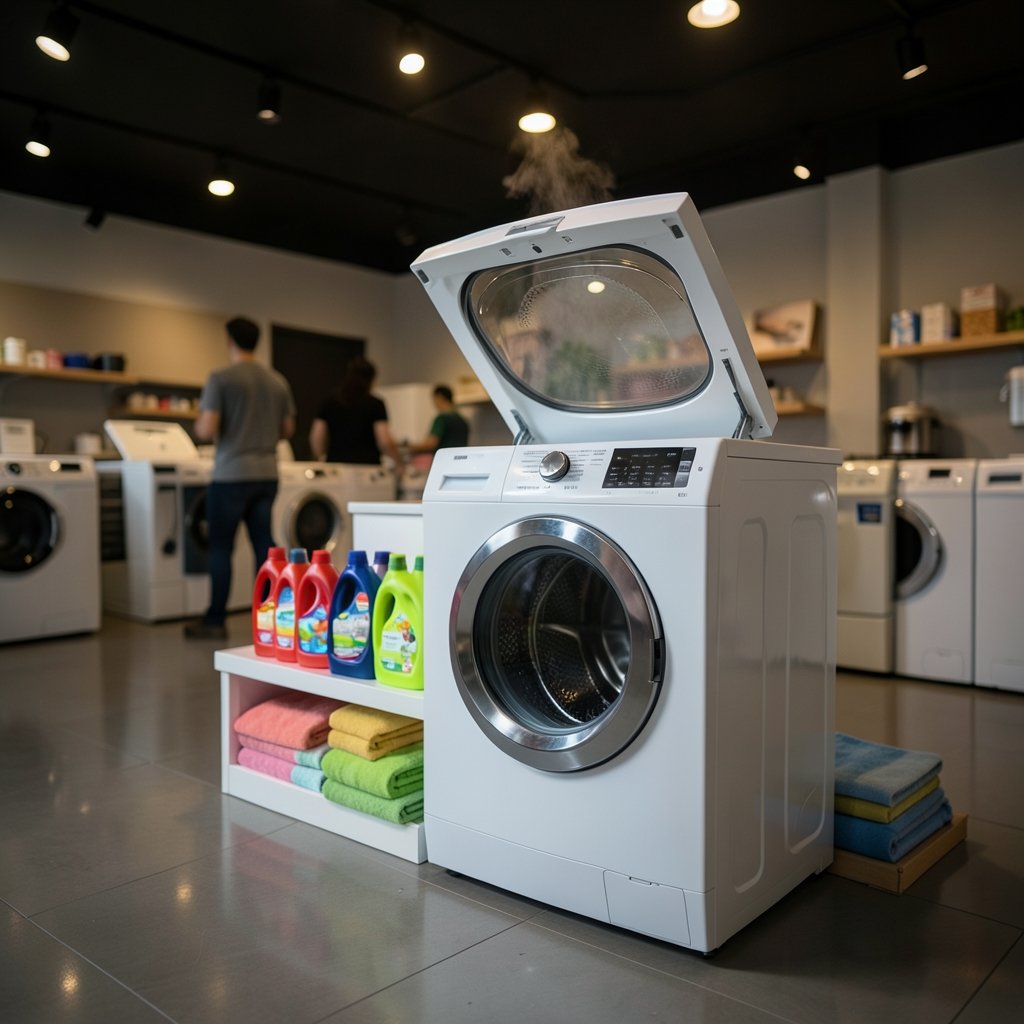
If you want a top-loader that behaves like a smart appliance, this is the one most reviewers point to. The LG WT7900HBA carries 14 wash programs and roughly 15 additional options, including Steam, Extra Rinse, and TurboWash. There is an internal water heater for genuinely hot washes, a ColdWash mode for energy savings, and specialty cycles such as Allergiene for steam allergen removal and Bright Whites. A soft-close glass lid lets you peek at the cycle without lifting anything.
App connectivity through the ThinkQ app adds remote start, cycle monitoring, and downloadable cycles. In head-to-head comparisons, the LG handily outshines the Speed Queen on features and options. The honest limitation: you probably will not use half of those settings, and every extra sensor is one more part that can eventually need service. It suits someone who likes customization and does not mind paying for it.
LG impeller 5.5-cubic-foot top-loader: the no-agitator pick
Some people want nothing to do with a central agitator, either because they wash bulky items or because they worry about wear on fabrics. In one tester’s hands-on roundup, this LG impeller model was the top performer among all impeller machines tested. It earned high marks for soil removal and gentleness, and the control panel was easy to navigate. The glass lid stands out because it is still uncommon on top-loaders, and the machine includes both automatic and manual water-level settings plus quick-wash and tub-clean cycles.
The limitation is straightforward: no smart features and no app connectivity. The same tester found it cleaned perfectly fine without them. That makes it a sensible pick for anyone who wants strong cleaning and does not care about Wi-Fi. It also has a smaller footprint than standard front-loaders, which helps in tight laundry rooms.
Speed Queen TC5003WN: simple, sturdy, and stubborn about it
Speed Queen builds washers the way people used to: fewer sensors, fewer computer parts, fewer things to go wrong. The TC5003WN is the model reviewers compare directly against the LG WT7900HBA, and the contrast is stark. Where the LG is loaded with specialty cycles and app tricks, the Speed Queen keeps things basic. Owners who prize reliability and a machine they can operate without a manual tend to love it.
The trade-off is real. You give up steam, app control, and the long list of specialty cycles. Speed Queen is known for reliability at a level above Maytag, and the brand’s simpler designs are part of why. If your priority is a washer that runs for years with minimal fuss, this is the direction to look. If you want to sanitize bedding with steam or start a load from your phone, look elsewhere.
Speed Queen TR7: gentle on clothes, tough on your stain expectations
Good Housekeeping’s testing named the Speed Queen TR7 Heavy Duty Top Load Washer the best agitator top-loader, praising it as exceptionally gentle with a durable design and a seven-year warranty. That combination is rare. Most agitator machines scrub hard and can be rough on delicates. The TR7 flips that reputation.
The catch shows up in the stain department. In separate comparison testing, Speed Queen models were noted as weak on stains, and the TR5 in particular struggled there. So the TR7 is a great fit for households washing everyday lightly soiled clothes, towels, and bedding, but a poor fit for a mechanic’s workwear or a household with grass-stained kids’ clothes. Match the machine to the mess. (Designer baby clothes)
Maytag Pet Pro MVW6500MBK: built for fur-covered households
Pet hair is its own laundry problem, and Maytag aimed directly at it. The Pet Pro MVW6500MBK catches a lot of pet hair, offers decent cleaning power, and includes a slow-close lid and a built-in faucet for pre-treating. For a home with a shedding dog or a cat that sleeps on every blanket, that hair capture is worth more than a dozen fancy cycles.
Two limitations deserve mention. The delicates cycle is rough, so fine fabrics should go elsewhere or be washed by hand. The spin cycle also does not get out much water, which means longer drying times. Maytag’s overall lifespan estimates land around 10 to 12 years, which is common for major appliances, and the brand has a well-earned reputation for toughness even if it trails Speed Queen on reliability. If pet hair is your daily battle, this machine makes sense. If you mostly wash silk and wool, it does not.
How to choose without overthinking it
Start with the mess, not the marketing. A household that generates heavy stains needs agitation and a strong cycle, while a household washing delicate everyday wear should prioritize gentleness. From there, work through these steps.
- Decide on agitator versus impeller. An agitator scrubs harder and handles bulky loads less gracefully. An impeller is gentler and fits bulky items but can struggle with ground-in dirt.
- Count your real weekly loads. A 5.5-cubic-foot drum is generous, but a smaller footprint may matter more if your laundry room is tight.
- Check the water-level options. Manual control helps when automatic fill runs low, a complaint testers raised about some cycles.
- Weigh smart features against repair risk. App control is convenient, but simpler machines have fewer failure points.
- Verify the warranty and expected lifespan before you buy. A seven-year warranty changes the math on a higher-priced machine.
- Bring your actual laundry habits into the store. If you cannot name three cycles you will use weekly, you are probably overbuying.
A practical tip that saves real money: clean the tub regularly no matter which top-loader you pick. Top-loaders drain water down and out, which makes them less likely to develop mold and odors than front-loaders, but that advantage disappears if lint and detergent residue build up. Run a tub-clean cycle monthly and leave the lid open between loads.
The most common mistake buyers make is chasing the longest feature list. A washer with 14 programs and an app still has to remove stains from a soccer jersey. The second most common mistake is assuming all top-loaders are the same. A Speed Queen and an LG WT7900HBA are both top-loaders, and they could hardly be more different in philosophy. Pick the philosophy that matches your laundry, not the one with the better spec sheet.
Conclusion
The best top-load washer depends on what lands in your hamper. LG owns the feature race and the satisfaction rankings, with the WT7900HBA for tinkerers and the impeller 5.5-cubic-foot model for anyone who wants excellent cleaning without the smart-home extras. Speed Queen wins on simplicity and longevity, with the TC5003WN for traditionalists and the TR7 for gentle fabric care backed by a seven-year warranty. Maytag’s Pet Pro earns its place in homes where pet hair is the enemy. Choose the machine that solves your specific problem, keep the tub clean, and skip the cycles you will never touch. Your clothes, and your repair budget, will thank you.
Frequently asked questions
Which top-load washer brand ranks highest for satisfaction?
LG ranks highest among top-load washer brands in J.D. Power’s 2026 appliance satisfaction study, based on responses from more than 28,000 people. Consumer Reports testing has also placed LG at the top of regular and high-efficiency top-load categories. That does not mean every LG model is right for every home, but the brand has a strong track record across independent testing.
Is a top-loader better than a front-loader?
Not universally. In lab tests, front-loaders tend to perform slightly better on cleaning, but the gap is small enough that most people will not notice a difference in their clothes. Top-loaders are typically cheaper, cost less to maintain, and are less likely to develop mold and odors because water drains down and out. The choice comes down to personal preference and budget.
Do I need an agitator in my top-load washer?
It depends on your laundry. An agitator scrubs harder, which helps with heavy stains, and the Speed Queen TR7 shows an agitator machine can still be gentle. Impeller models have no central post, which makes loading bulky items easier and is gentler on fabrics, but they can struggle with ground-in dirt. Match the design to the type of mess you actually generate.
How long should a top-load washer last?
Estimates for major appliances like Maytag washers land around 10 to 12 years. Speed Queen builds simpler machines with fewer sensors and computer parts, which tends to mean fewer things that can break, and the brand’s reliability reputation sits above most competitors. A seven-year warranty, like the one on the Speed Queen TR7, gives extra peace of mind.
What is the best top-loader for pet hair?
The Maytag Pet Pro MVW6500MBK is built for it. It catches a lot of pet hair, offers decent cleaning power, and includes a slow-close lid and a built-in faucet for pre-treating. Be aware that its delicates cycle is rough and its spin cycle leaves clothes wetter, so expect longer drying times.
How much should I expect to spend on a top-load washer?
Washing machines generally range from roughly $500 to $1,400 or more, and budget-focused guides concentrate on the lower end from reputable brands. Affordable models still offer solid capacity and performance features like automatic soil-level adjustment and specialized cycles. What they lack are extras like steam cycles, Wi-Fi connectivity, or drum lights, so decide which of those you will genuinely use before paying more. (2018 clothes actually looked like they still matter)
For shoppers comparing these picks side by side, shortlist two or three machines and check them against your own laundry habits rather than a spec sheet. Read owner reviews for the specific model rather than relying on brand reputation alone, since reliability can vary within a lineup. Confirm the return window and delivery terms before ordering, and measure your doorway and laundry alcove first, because a generous drum is no help if the machine will not fit through the door. With the right match, a top-loader can quietly handle years of loads with little more than a monthly tub clean.






