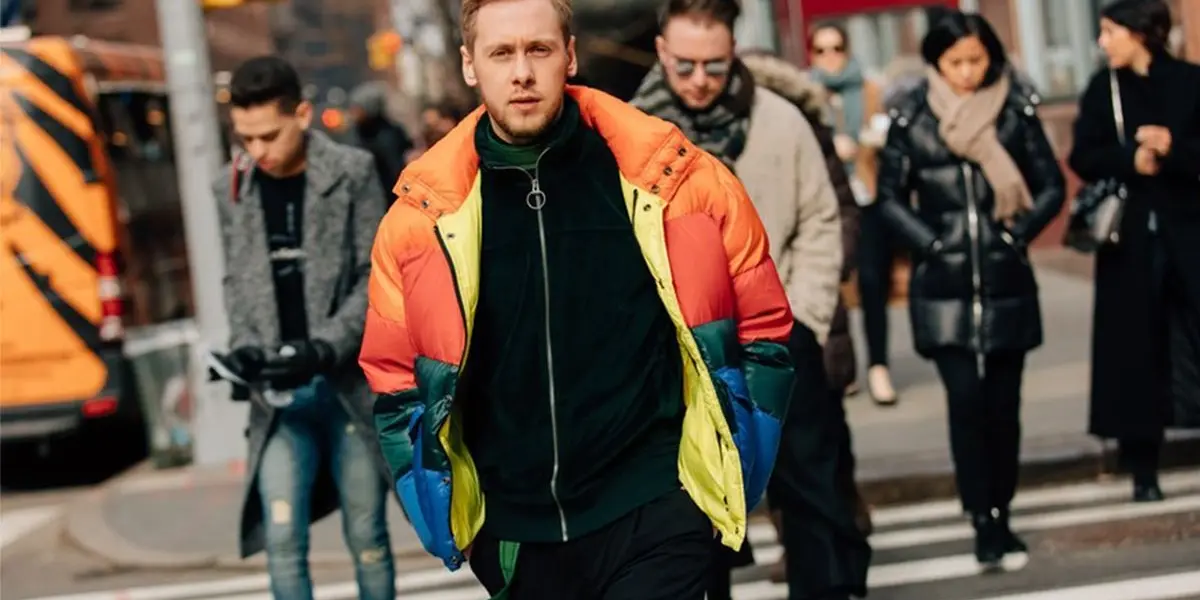
Luxury streetwear sits between two worlds that once seemed separate: the casual, culture-driven language of streetwear and the craftsmanship, exclusivity, and positioning associated with luxury fashion.
But a high price tag alone does not make a hoodie, jacket, or pair of sneakers luxury. The stronger distinction comes from the combination of design, materials, construction, brand identity, cultural relevance, and sometimes limited production. Academic research describes luxury streetwear as a hybrid category that helped connect streetwear producers with the traditional high-fashion market.
If you’re trying to understand the category, or decide whether a luxury streetwear piece is actually worth its price, the most useful question isn’t simply “How expensive is it?” It’s “What am I getting for that premium?”
Key Takeaways
- Luxury streetwear combines streetwear’s casual silhouettes with elevated fashion positioning.
- Price is only one signal; materials, construction, design, scarcity, and brand identity also matter.
- Premium streetwear and luxury streetwear overlap, but they are not identical.
- A recognizable logo does not automatically mean better construction or materials.
- Some luxury pieces justify their price through design, craftsmanship, or exclusivity; others derive much of their value from brand equity.
- Brands such as Fear of God, Off-White, Rhude, Amiri, Gallery Dept., Palm Angels, and Chrome Hearts represent different approaches to the category.
- The best way to judge luxury streetwear is to evaluate the whole product, not just the label.
What Is Luxury Streetwear?

Luxury streetwear is streetwear that combines familiar casual silhouettes and street-culture influences with elevated materials, construction, design, exclusivity, and luxury-level brand positioning.
Think hoodies, graphic T-shirts, denim, cargo trousers, jackets, sneakers, and relaxed silhouettes, but produced and positioned closer to the designer or luxury-fashion end of the market.
The category developed as streetwear gained influence within high fashion. Research published in the Journal of Marketing describes luxury streetwear as a hybrid category that emerged between streetwear and high fashion, with the boundaries between the two becoming increasingly connected during the 2010s.
That history explains why luxury streetwear can feel different from traditional luxury clothing. It doesn’t necessarily try to make casual clothing formal. Instead, it brings luxury-level design and positioning into clothing people already wear casually.
Is luxury streetwear just expensive streetwear?
No.
Price is part of the equation, but it isn’t a sufficient definition. A very expensive hoodie can still have ordinary construction. Likewise, a smaller independent label can produce exceptionally well-made streetwear without having the brand positioning or cultural status normally associated with luxury.
A better way to think about the category is:
Streetwear silhouette + elevated execution + distinctive identity + luxury positioning
That combination is more meaningful than price alone.
What Makes Streetwear Luxury?
There is no single material, price threshold, or manufacturing technique that automatically turns streetwear into luxury.
Instead, several characteristics usually work together.
1. Materials and fabric quality
Materials are one of the easiest things to examine, but they’re also frequently oversimplified. Luxury does not simply mean “100% cotton” or “heavier fabric.” Different garments require different materials, and a heavier fabric is not automatically a better fabric.
Instead, look at:
- fiber quality
- fabric density and weight
- texture and hand feel
- durability
- how the material behaves after wear
- whether the material suits the garment’s purpose
A premium hoodie, for example, should feel intentional in its fabric choice rather than simply being thick for the sake of appearing expensive.
2. Construction and finishing
Construction is where a garment can reveal more than its logo.
Look at:
- seam consistency
- stitching
- hems
- hardware
- panels
- zippers
- pockets
- lining
- finishing details
A luxury garment should generally demonstrate deliberate execution throughout the piece.
That doesn’t mean every luxury garment must be handmade. In fact, the fashion industry itself increasingly distinguishes genuine artisanal production from products that merely use “handmade” as a marketing term.
3. Design identity
Luxury streetwear is not simply better-quality basics.
Strong brands usually have a recognizable design language. That might come through:
- silhouette
- graphics
- proportions
- fabric treatment
- color choices
- construction
- recurring design details
The goal is not necessarily to make the loudest garment. Some of the strongest luxury streetwear is relatively restrained. What matters is whether the design feels deliberate and identifiable rather than interchangeable.
4. Fit and silhouette
Fit is especially important in streetwear because the silhouette is often part of the design itself. Oversized, cropped, relaxed, structured, elongated, and layered proportions can all work. There is no single “luxury” fit.
The important question is whether the proportions appear intentional and work with the garment’s construction. A badly proportioned oversized hoodie doesn’t become luxury because it carries an expensive label.
5. Exclusivity and scarcity
Limited production can contribute to luxury positioning.
But scarcity deserves some skepticism. A genuinely limited production run can make a product more exclusive. On the other hand, simply producing fewer pieces, or creating artificial urgency, doesn’t automatically make the underlying garment better.
This is one reason not to confuse rarity with quality. Luxury brands themselves often treat controlled supply as part of preserving exclusivity, demonstrating that scarcity can have genuine strategic value beyond simple production constraints.
6. Brand identity and cultural relevance
This is where luxury streetwear differs from a simple premium garment. A brand’s value can come from its creative direction, cultural associations, collaborations, community, retail environment, and history.
Research on the development of luxury streetwear highlights cultural relevance as an important part of how streetwear producers entered the high-fashion category. That doesn’t mean cultural credibility can be measured with a simple score. It means the product exists within a larger fashion and cultural system.
Luxury vs Premium vs Traditional Streetwear

The three categories overlap, so the boundaries are not absolute. Still, this framework is useful when evaluating brands.
| Factor | Traditional Streetwear | Premium Streetwear | Luxury Streetwear |
| Main emphasis | Culture, comfort, identity | Quality and design | Quality, design and luxury positioning |
| Materials | Variable | Generally elevated | Often elevated or specialized |
| Construction | Variable | More refined | Strong emphasis on execution |
| Exclusivity | Varies | Moderate or high | Often an important element |
| Brand positioning | Street-focused | Premium/street-focused | Streetwear + luxury fashion |
| Price | Wide range | Mid to high | Generally high |
| Design | Can be graphic or functional | More developed | Strong, distinctive design language |
Where does designer streetwear fit?
Designer streetwear overlaps heavily with luxury streetwear, but the terms aren’t perfect synonyms. Designer streetwear generally emphasizes a designer’s creative direction and fashion positioning. Luxury streetwear describes a broader intersection between streetwear’s cultural codes and luxury-level fashion.
Some brands comfortably fit both descriptions.
Why Is Luxury Streetwear So Expensive?
The price of a luxury streetwear piece can reflect several different things.
Tangible factors
These can include:
- higher-quality materials
- specialized fabrics
- more complex construction
- better hardware
- smaller production runs
- design development
- specialized finishing
Intangible factors
The price can also reflect:
- brand recognition
- cultural relevance
- designer reputation
- exclusivity
- distribution
- collaborations
- marketing
- perceived status
This distinction matters because not every part of a luxury price is directly visible in the garment.
You might genuinely be paying for better construction. But you may also be paying for the brand’s identity and the cultural value attached to owning it. That isn’t necessarily deceptive. Brand value is a real part of fashion. The important thing is knowing that it exists.
Does a higher price always mean better quality?
No. Even current fashion coverage warns that expensive clothing isn’t automatically immune from compromises in materials or construction. If durability and construction are your priorities, compare the garment itself rather than assuming the most expensive option is the best-made.
Luxury Streetwear Brands Worth Knowing
There is no official master list of “luxury streetwear brands.” Different publications and fashion communities draw the category’s boundaries differently. Still, several names consistently appear in current luxury streetwear discussions.
Fear of God
Fear of God is known for an elevated, relatively restrained approach to American streetwear, using relaxed silhouettes and luxury-oriented positioning.
Off-White
Off-White became particularly influential in the crossover between streetwear and luxury fashion, combining recognizable streetwear codes with a highly developed designer identity.
Rhude
Rhude blends streetwear with Americana, motorsport, vintage references, and luxury-fashion presentation.
Amiri
Amiri is strongly associated with high-end denim, rock-inspired aesthetics, and a more overtly luxurious interpretation of streetwear.
Gallery Dept.
Gallery Dept. is recognized for an art-driven, distressed aesthetic that treats clothing as part of a broader creative identity.
Palm Angels
Palm Angels draws heavily from skate culture while presenting those influences through a luxury-fashion framework.
Chrome Hearts
Chrome Hearts occupies a distinctive position through its jewelry, leather goods, graphics, and highly recognizable identity. These examples aren’t a ranking. They represent different interpretations of what luxury streetwear can be, from minimalist fashion and Americana to skate influence, distressed design, and artisanal luxury. Current industry-facing brand guides similarly identify many of these labels as leading names in the category.
How to Evaluate Luxury Streetwear Before You Buy

You don’t need to be a fashion expert to evaluate a luxury streetwear piece. Start with these questions.
1. What is the garment made from?
Check the fiber composition and consider whether the material suits the product. Don’t assume “premium” means better simply because the description says so.
2. How well is it constructed?
Inspect seams, stitching, hems, hardware, pockets, zippers, and other finishing details. The goal is consistency.
3. Is the design doing something distinctive?
Ask whether the garment has a recognizable point of view beyond a visible logo. A strong design can remain interesting even when branding is subtle.
4. Does the fit look intentional?
Try to understand what the designer intended with the proportions. A deliberately oversized garment should still have controlled proportions.
5. How much of the price is product, and how much is brand?
This is perhaps the most important question. You’re allowed to value a brand, its cultural significance, or its design identity. But understand that these are different forms of value from fabric quality or construction.
6. Would you still want it without the logo?
This isn’t a perfect test, but it’s a useful one.
If you remove the branding mentally, do you still like:
- the fit?
- the material?
- the color?
- the construction?
- the design?
If the answer is yes, you’re probably evaluating the garment rather than just the label.
Is Luxury Streetwear Worth the Price?
There is no universal answer. It can be worth it if you value distinctive design, brand identity, exclusivity, craftsmanship, or the cultural meaning attached to a particular label.
It may be less worthwhile if your only priority is basic durability, fabric quality, or everyday functionality. In those cases, smaller premium brands can sometimes offer strong construction without the same luxury-brand premium.
The key is to decide what you actually value before you buy. If you want the craftsmanship, design, and brand experience, luxury streetwear may justify the expense. If you simply want a heavyweight hoodie that lasts, paying several times more for a luxury logo may not provide proportional practical value.
Common Misconceptions About Luxury Streetwear
“Expensive means luxury.”
Not necessarily. Price is one signal, not the entire definition.
“Luxury streetwear needs a large logo.”
No. Strong design can be subtle, and many luxury pieces rely more on silhouette, materials, and construction than obvious branding.
“Luxury streetwear is just designer clothing with a hoodie.”
It’s broader than that. The category reflects a genuine intersection between streetwear culture and high-fashion positioning. Research describes this as a hybrid category rather than simply a change in pricing.
“Limited means high quality.”
Scarcity can increase exclusivity, but it doesn’t guarantee good materials, construction, or design.
“Premium and luxury mean the same thing.”
They overlap, but luxury usually adds a stronger element of fashion-house positioning, cultural status, exclusivity, and brand equity.
Final Thoughts
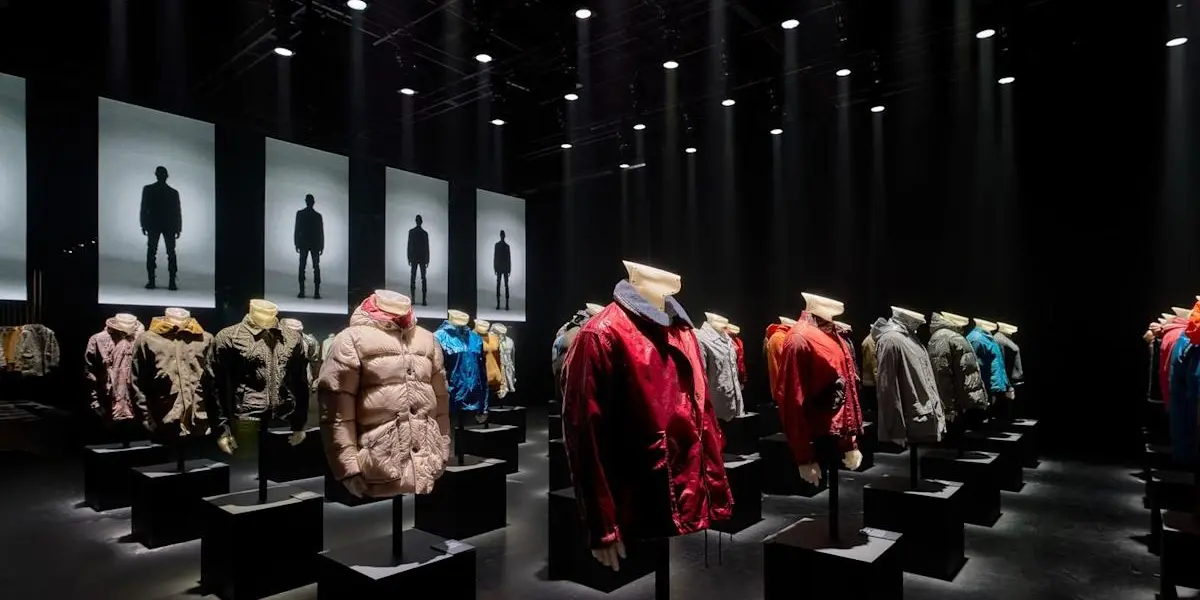
Luxury streetwear is best understood as more than expensive casual clothing. It is a meeting point between streetwear’s cultural language and the design, craftsmanship, exclusivity, and positioning associated with luxury fashion.
The most useful way to evaluate it is to look at the whole product. Check the material, construction, fit, design, brand identity, scarcity, and price, and then decide which of those actually matter to you.
A luxury label can add genuine cultural and design value, but it doesn’t remove the need to judge the garment itself. The smartest luxury streetwear purchase isn’t necessarily the most expensive one; it’s the one where the product and its value make sense to you.
Frequently Asked Questions
What is luxury streetwear?
Luxury streetwear combines the casual silhouettes and cultural influences of streetwear with elevated materials, construction, design, exclusivity, and luxury-fashion positioning.
What makes streetwear luxury?
There is no single requirement. Materials, construction, design identity, fit, finishing, scarcity, cultural relevance, and brand positioning can all contribute.
Is luxury streetwear the same as designer streetwear?
Not exactly. The terms overlap, but designer streetwear emphasizes designer-led fashion while luxury streetwear describes the broader intersection between street culture and luxury fashion.
What is the difference between premium and luxury streetwear?
Premium streetwear generally emphasizes better materials, construction, and design. Luxury streetwear adds stronger luxury positioning, exclusivity, cultural status, and often higher brand value.
Why is luxury streetwear so expensive?
Prices can reflect materials, construction, smaller production volumes, design, distribution, brand equity, exclusivity, marketing, and cultural positioning. The exact mix varies by brand and product.
Are luxury streetwear brands worth the money?
They can be, depending on what you value. If you care about design, craftsmanship, exclusivity, and brand identity, the premium may make sense. If you mainly want durability and everyday function, a premium but non-luxury brand may offer better practical value.
What are some well-known luxury streetwear brands?
Examples commonly associated with the category include Fear of God, Off-White, Rhude, Amiri, Gallery Dept., Palm Angels, and Chrome Hearts. The boundaries of the category vary, so this should be viewed as a representative selection rather than an official ranking.
How can you tell if luxury streetwear is high quality?
Look beyond the logo. Examine the materials, construction, stitching, finishing, hardware, fit, design, and overall consistency. Then consider whether the product justifies its price for your particular priorities.