


What if the most expensive thing in the room had no logo on it at all? That is the whole idea behind quiet luxury, the style of dressing that lets fabric, cut, and fit do the talking. It picked up mainstream momentum around 2023, largely through HBO’s Succession, where the Roy family’s wardrobes said everything their mouths never did. By the spring/summer 2027 shows, the look had stopped being a trend and started being a wardrobe standard. London runways tracked the aesthetic’s share climbing from 0.16% in S/S 2026 to 0.79% in S/S 2027, according to F-trend’s London Fashion Week analysis.
So which labels actually earn a place in a 2027 closet? Here is a working shortlist, what each one does best, where each one falls short, and how to tell real quality from a good photograph.
The 2027 shortlist at a glance
| Brand | Base | Best known for | Suits | Main limitation |
|---|---|---|---|---|
| Hermès | Paris | Leather goods, silk, tailoring | Buyers who want one piece to keep for decades | Highest entry price; limited availability |
| Loro Piana | Italy | Cashmere and fine fibers | Anyone building a fabric-first wardrobe | Very high prices; little visual drama |
| The Row | New York | Minimal tailoring, the Margaux bag | Fans of clean, logo-free silhouettes | Sizing runs small; premium pricing |
| Brunello Cucinelli | Italy | Soft tailoring, knitwear | Relaxed, tonal dressing | Cuts can read oversized on smaller frames |
| Toteme | Stockholm | Scarf coats, denim, monochrome | Everyday wear with a polished edge | Fewer formal options |
| Khaite | New York | Structured knits and denim | Modern wardrobes with sharp lines | Trend-adjacent pieces date faster |
| Max Mara | Italy | Coats, especially camel hair | One investment coat | Some seasonal pieces lean classic rather than current |
| Jil Sander | Germany | Precise, architectural minimalism | People who like clean lines | Sparse color range |
| Celine | Paris | Sharp tailoring and leather | A polished, slightly edgy look | Design direction shifts between seasons |
| By Malene Birger | Denmark | Scandi minimalism, prints | Creative offices | Prints can feel less timeless |
| COS | London | Accessible minimal basics | First quiet-luxury wardrobe | Fabric quality below specialist houses |
Hermès: the original stealth-luxe house
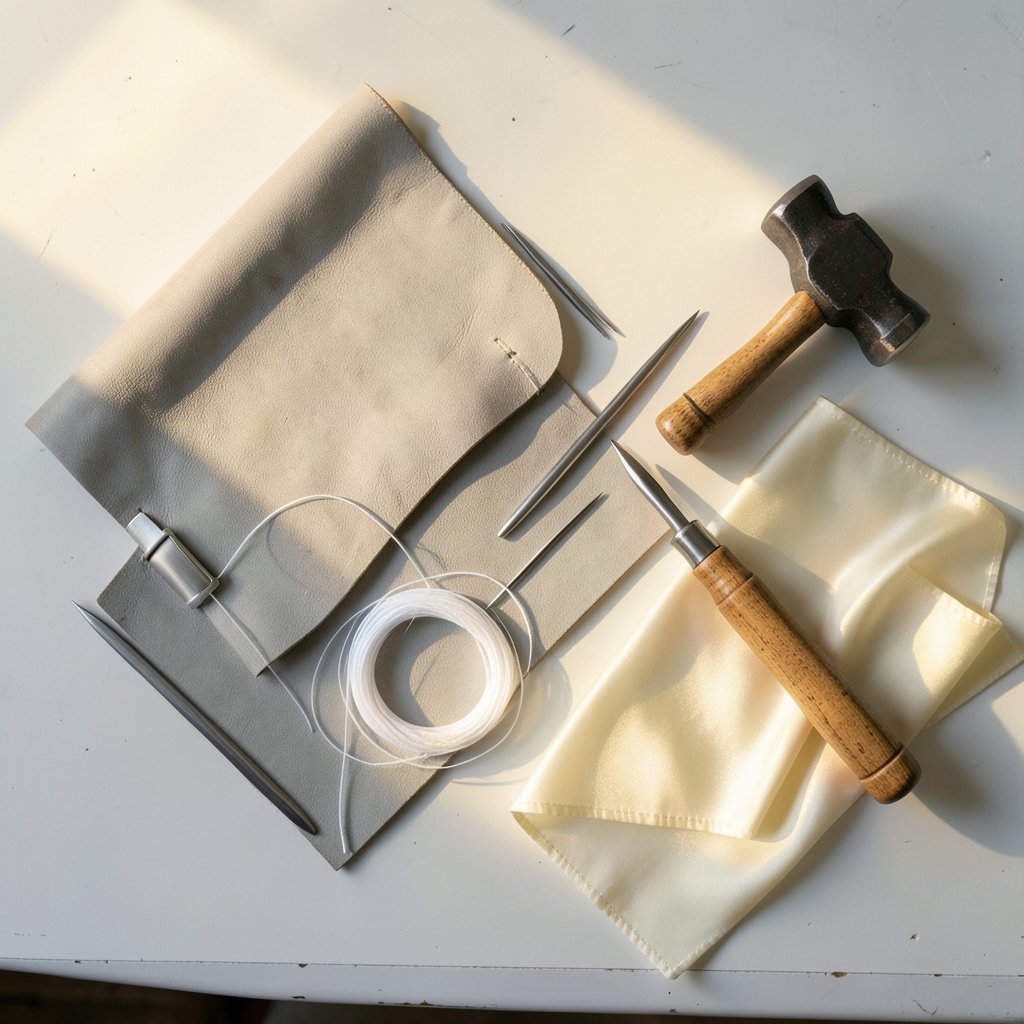
Long before quiet luxury entered the fashion lexicon, Hermès had already mastered its codes. The house was named best stealth luxe in a 2026 style roundup, praised for craftsmanship and restraint rather than logos or spectacle. Its spring/summer 2027 menswear collection, made by the in-house studio during the handover from Véronique Nichanian to Grace Wales Bonner, kept that conviction intact.
Who it suits: buyers who want one piece that outlives every trend. A silk scarf, a leather bag, a well-cut jacket.
What it does well: materiality. According to Robb Report India’s look at silent luxury, the aesthetic is fashion that communicates through material and construction rather than branding, and Hermès is the clearest example.
The limitation: price and access. Bags are not simply bought off a shelf, and ready-to-wear sits at the top of the market.
Loro Piana: the fabric-first choice
If one label sums up the idea of quiet luxury, it is Loro Piana. The Italian house is built on cashmere and fine fibers, and its clothes rarely carry a visible name.
Who it suits: anyone who wants to feel the quality before seeing it. Think summer cashmere, unstructured jackets, and knitwear in oat, cream, and grey.
What it does well: fiber sourcing and hand-feel. This is the brand other designers reference when they talk about fabric.
The limitation: it is expensive and deliberately plain. A first-time buyer expecting visible luxury may feel underwhelmed by a plain crewneck until they touch it. That is the point, but it is worth knowing before you spend.
The Row: minimal tailoring with a cult following
Founded in 2006 by Mary-Kate and Ashley Olsen, The Row has become the reference point for logo-free dressing. Its Margaux bag and cashmere knits are the pieces most often named in quiet-luxury guides. For spring/summer 2027, the label pushed the idea further, styling necklaces hidden under clothing as a new symbol of discreet luxury, per Vogue Polska’s trend report.
Who it suits: people who want clean silhouettes, excellent fabric, and nothing that shouts.
What it does well: tailoring and knitwear that photograph plainly and look expensive in person.
The limitation: sizing can run small and prices are steep for pieces that look simple on a hanger.
Brunello Cucinelli: soft tailoring and tonal dressing
The Italian house is a staple of quiet-luxury lists for good reason. Its knitwear, unstructured jackets, and tonal layering define the relaxed end of the aesthetic.
Who it suits: anyone who prefers softness over sharpness. It works especially well for travel wardrobes and creative offices.
What it does well: color harmony. Pieces from different seasons layer together without clashing.
The limitation: the cut can read oversized. Shorter or smaller frames should try before buying, since the house’s proportions favor a loose drape.
Toteme: Scandinavian restraint for every day
Stockholm-based Toteme, founded in 2014, built its reputation on the scarf coat, monochrome dressing, and well-cut denim. It appears on nearly every quiet-luxury roundup for a reason: it makes the aesthetic wearable on a Tuesday.
Who it suits: people who want polished everyday clothes rather than occasion pieces.
What it does well: coats and denim that look considered without looking fussy.
The limitation: the range skews casual. If you need evening or formal wear, look elsewhere.
Khaite: structure and sharp lines
New York label Khaite, founded in 2016, brings a sharper edge to the category. Structured knits, clean denim, and precise tailoring give it a modern feel.
Who it suits: buyers who want quiet luxury with a little tension in the silhouette.
What it does well: knitwear and denim with real shape.
The limitation: some pieces sit close to trend territory, which means they may date faster than a Loro Piana knit. Choose the core pieces, not the seasonal experiments.
Max Mara: the investment coat
Max Mara is the name most often attached to one specific purchase: the camel coat. The Italian house has built decades of goodwill on outerwear that looks the same in year ten as in year one.
Who it suits: anyone buying a single anchor piece for winter.
What it does well: coats in neutral tones that work over everything.
The limitation: the broader collection can lean conservative. Treat it as a outerwear destination first.
Jil Sander: architectural minimalism
The German house founded by Jil Sander is the most strictly minimal name on this list. Clean lines, restrained color, and precise construction define it.
Who it suits: people who want their clothes to look engineered rather than relaxed.
What it does well: tailoring and shirting with exact proportions.
The limitation: the palette is narrow. If you love color, this is not your house.
Celine: sharp tailoring with an edge
Celine appears across several quiet-luxury lists, and for good reason: its tailoring and leather goods carry the polished, logo-light look the aesthetic rewards. It was among the houses honored in a 2026 best-of-style roundup alongside Hermès, Dior, and Louis Vuitton.
Who it suits: buyers who want a slightly edgier take on restraint.
The limitation: design direction shifts between creative leads, so a silhouette you love this season may not return. Buy the piece, not the moment.
By Malene Birger and COS: the accessible end
Danish label By Malene Birger brings Scandinavian minimalism with occasional prints, which makes it a good fit for creative workplaces. COS, the London-based high-street retailer, appears in quiet-luxury discussions precisely because restraint is available at every budget.
Who they suit: anyone testing the aesthetic before committing to a specialist house, or building a first capsule wardrobe.
The limitation: fabric quality sits below the specialist houses. A COS blazer will not drape like a The Row jacket, and that is fine if you know it going in.
If you are building a travel wardrobe around this look, the same logic applies to hotel choice: restraint over spectacle. The thinking behind Miami luxury hotels with connecting rooms for families follows the same principle, and so does the guidance on Houston luxury hotels with connecting rooms.
How to choose a quiet luxury brand
Start with the piece, not the label. A useful order of operations:
- Decide what you actually need. One coat, one knit, one bag. Quiet luxury rewards fewer, better purchases.
- Touch the fabric first. If you can visit a store, do. Cashmere weight, wool drape, and seam finishing are invisible in photos.
- Check the construction. Look at lining, buttonholes, and how the shoulder sits. These are the details that justify the price.
- Ignore the logo test. As ELLE’s guide to the style notes, the label is not the deciding factor. What matters is how a garment is made, how it fits, and how it combines with the rest of your wardrobe.
- Buy the neutral first. Cream, grey, navy, camel. Color comes later.
A common mistake is buying a full outfit from one house at once. It rarely looks as good as pieces collected over time. Another is assuming a high price guarantees quality. It does not. CEOWORLD magazine’s buyer’s guide makes the point plainly: quiet luxury asks buyers to judge value through fabric, cut, and fit, with little help from a logo, so product knowledge matters at the point of purchase.
The broader quiet luxury tag is a useful place to keep reading, and the same restrained instinct shows up in other categories, from quiet luxury brands to the design language of new superyacht concepts redefining luxury.
What the 2027 shows say
The runway evidence backs the shortlist. London’s S/S 2027 season saw the “modern heritage” theme, which aligns with quiet luxury, grow its share for three consecutive cycles. Key collections included Burberry and M&S Talia Byre, per F-trend. Meanwhile, Financial Express’s roundup of labels only old money knows frames the shift well: quiet luxury is not about spending more, it is about spending differently. And Claudia’s profile of lesser-known luxury houses makes the same case from Brazil, noting that quiet luxury puts value in discretion, materials, and detail rather than ostentation.
Conclusion
The quiet luxury brands worth knowing in 2027 are not the loudest names in the mall. They are the houses that have spent decades perfecting fabric and fit: Hermès, Loro Piana, The Row, Brunello Cucinelli, Toteme, Khaite, Max Mara, Jil Sander, Celine, and, at the accessible end, By Malene Birger and COS. Pick two or three that match how you actually dress, buy the neutral pieces first, and judge everything by touch rather than by tag. The reward is a wardrobe that looks better in year five than it did on day one.
FAQ
What does quiet luxury mean?
Quiet luxury, also called silent luxury or stealth wealth, is fashion that communicates through material and construction rather than branding. No logos, no monograms, neutral colors, and precise cuts. The look gained mainstream attention around 2023 and has since become a wardrobe standard rather than a passing trend.
Which quiet luxury brand is best for a first purchase?
It depends on the piece. For a coat, Max Mara is the safest starting point. For knitwear, Loro Piana and Brunello Cucinelli lead. For a bag or silk accessory, Hermès. For everyday wear at a lower entry price, Toteme and COS are sensible first steps.
Are quiet luxury brands worth the price?
Often, yes, but not automatically. The premium buys fabric, construction, and fit that you can feel rather than see. Check lining, seams, and shoulder construction before buying, and try pieces on when you can. A high price tag alone does not guarantee quality.
Is The Row part of quiet luxury?
Yes. Founded in 2006 by Mary-Kate and Ashley Olsen, The Row is one of the most cited names in the category, known for minimal tailoring, cashmere, and the Margaux bag. Its spring/summer 2027 collection pushed the idea further with jewelry styled to be hidden under clothing.
What is the difference between quiet luxury and old money style?
They overlap heavily. Quiet luxury describes the aesthetic itself: restrained branding and exceptional materials. Old money style is more about the cultural signal, dressing as if wealth is inherited rather than announced. In practice, the two look nearly identical.
How can I spot real quiet luxury quality without a logo?
Look at four things: the fabric’s weight and drape, the finishing inside the garment, how the shoulder and sleeve sit, and whether the color matches across pieces from different seasons. If a garment fails those checks, the absence of a logo is not saving it.






