Key Takeaways
-
- A luxury lifestyle is broader than owning expensive products.
- Modern luxury puts more weight on experience, quality, personalization, and privacy.
- Time, convenience, wellness, and access can be forms of luxury too.
- Luxury lifestyle brands increasingly sell a complete experience, not just one product.
- Travel is becoming more experience-focused, with personalization and wellness playing bigger roles.
- In 2026, luxury is moving toward meaning and quality over simple display.
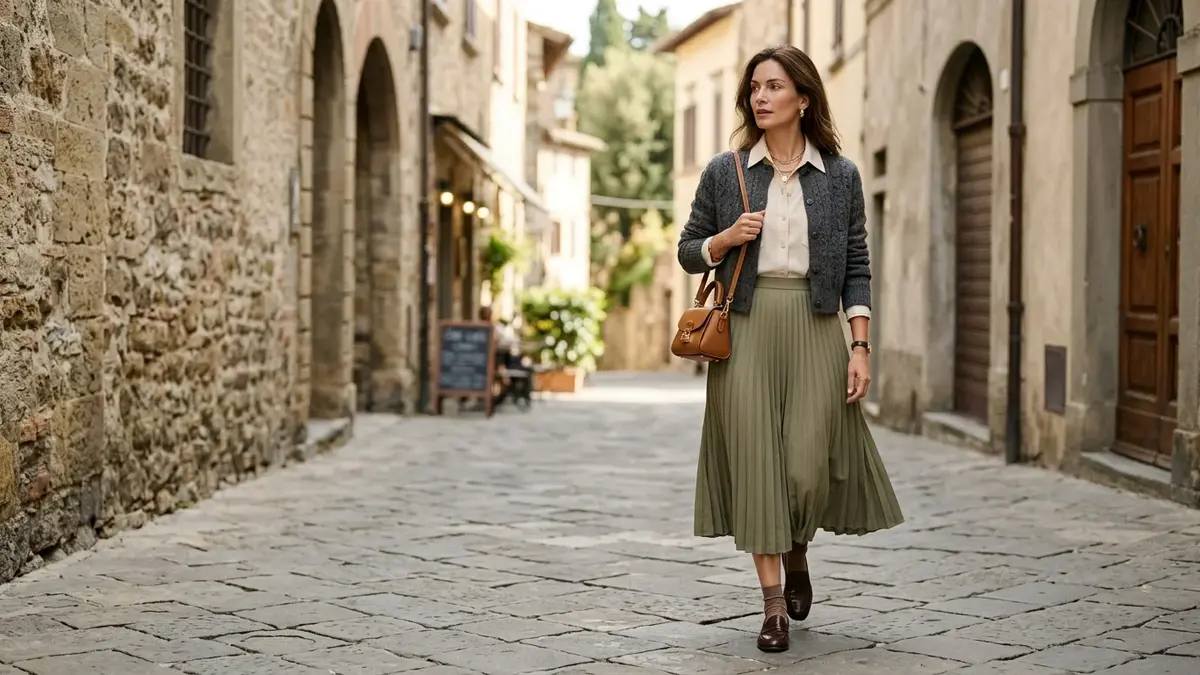
A friend of mine spent two years saving for a particular watch. The week she finally bought it, she texted me a photo from an airport lounge not of the watch, but of the empty seat beside her and a four-hour layover with nowhere to be. “This is the actual luxury,” she wrote. “Nobody needs anything from me right now.”
That’s the shift this article is really about. A luxury lifestyle is not simply a life filled with expensive things. In 2026, luxury living is increasingly about exceptional quality, personal comfort, privacy, time, access, and memorable experiences.
What Is a Luxury Lifestyle?
At its simplest, a luxury lifestyle means having access to a level of quality, comfort, service, or experience that goes beyond what most people normally have. That might mean a beautifully designed home, a handcrafted watch, a private travel experience, a personal service, an exceptional meal, or simply having enough control over your time that everyday life feels less rushed.
But there is an important point here.
Luxury and wealth are not exactly the same thing.
Wealth gives someone the financial ability to buy things. A luxury lifestyle is about how that money, time, and access are used. Someone can own an expensive car and still have a stressful, uncomfortable life. Another person may place more value on privacy, free time, wellness, excellent food, and meaningful travel.
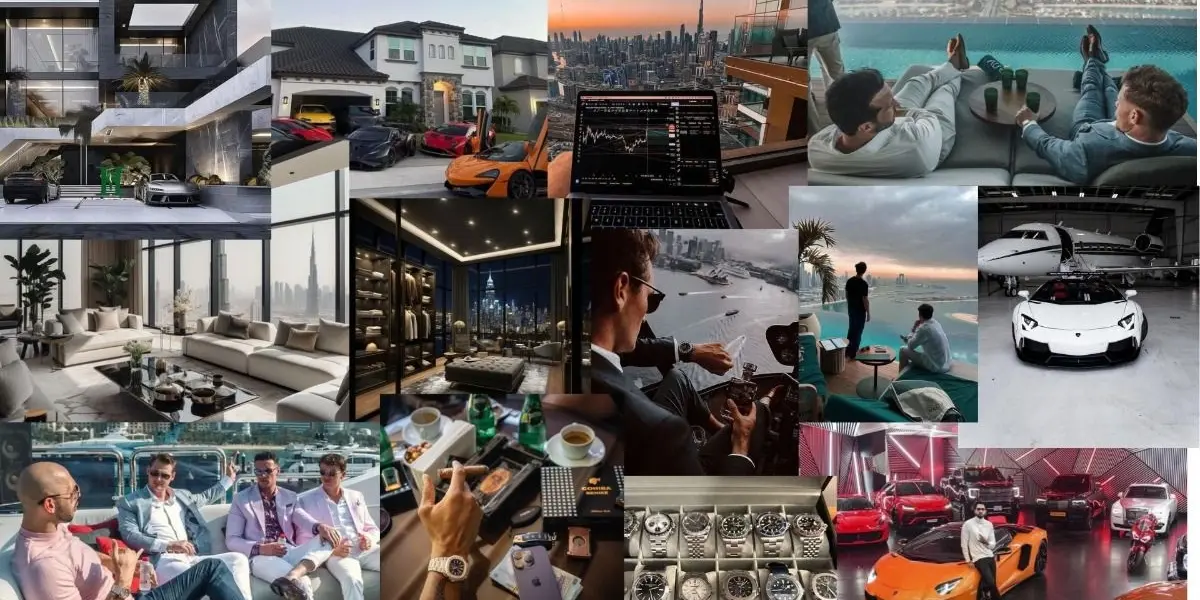
That difference explains why the meaning of luxury is changing. Recent research from Bain & Company shows that consumers are increasingly moving toward experiences, wellness, connection, and self-reward rather than relying only on traditional conspicuous consumption.
What Does Luxury Living Mean?
Luxury living means having a high level of comfort, quality, choice, and personalized service in the parts of life that matter most to you. It can show up in obvious places, such as fashion, cars, jewelry, homes, and hotels. But it can also be quieter.
Think about a hotel remembering your preferences without being asked. Think about a home designed around how you actually live. Think about a trip planned around one particular interest rather than a standard tourist itinerary.
The common thread is not simply price.
It is attention to the person’s experience.
What Makes Something Truly Luxurious?
This is where things get more interesting. A high price can be part of luxury, but price alone does not make something luxurious. A product or experience usually feels luxurious because several qualities come together.
Quality and Craftsmanship
Luxury has traditionally been connected to excellent materials and skilled craftsmanship, and that has not disappeared.
A well-made leather bag, hand-finished piece of furniture, mechanical watch, or tailored garment can justify a premium because the value is connected to how it was made, not just the name printed on it.
This idea is becoming even more relevant in 2026 as luxury brands emphasize human creativity and craftsmanship in response to an increasingly AI-driven world. Vogue recently reported on luxury and fashion brands highlighting labor-intensive, handcrafted work as a signal of authenticity and human creativity.
Personalization and Service
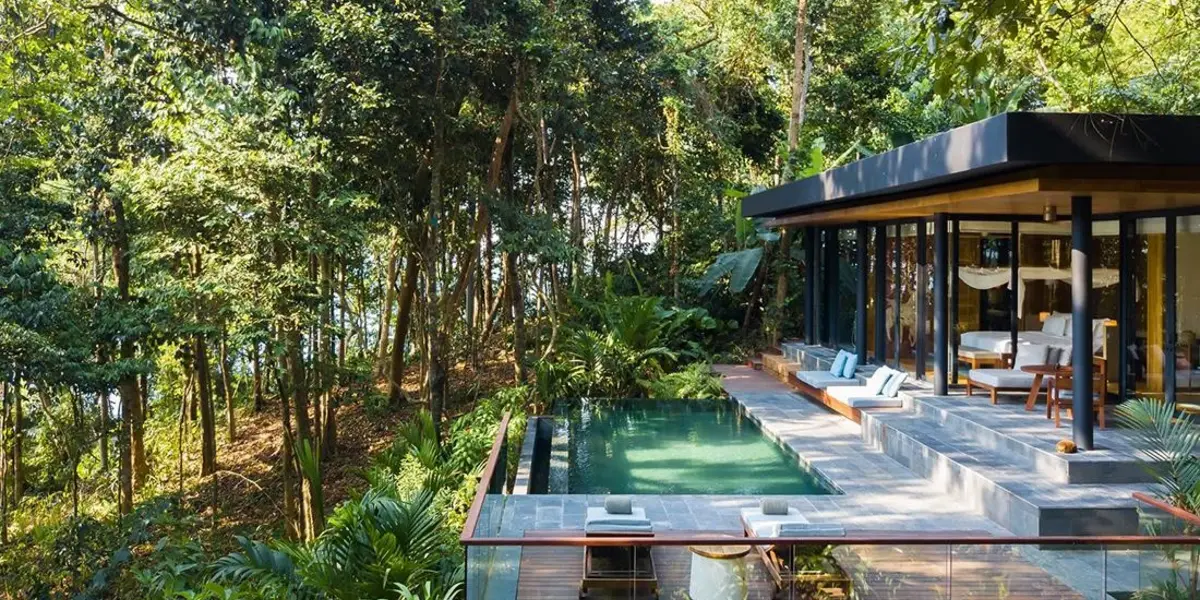
A luxury experience often feels different because it is adapted to the person.
That could be a hotel remembering a guest’s preferences, a tailor creating something specifically for one customer, or a travel planner building an itinerary around someone’s interests.
Deloitte’s 2026 research on luxury marketing points to rising expectations for experiences that feel more personalized, transparent, and culturally relevant.
Exclusivity and Access
Scarcity has always played a role in luxury. Limited production, private events, difficult-to-access locations, and special services can all create a feeling of exclusivity.
But exclusivity by itself is not enough. If something is difficult to obtain but poorly made or badly serviced, it may be rare, but that does not automatically make it luxurious.
Privacy, Comfort, and Convenience
This is one of the clearest changes in modern luxury. Privacy is becoming valuable in a world where almost everything is connected and shared.
In 2026, Vogue examined privacy as an emerging form of luxury, particularly as personalization and AI increasingly depend on collecting personal data.
That creates an interesting contradiction: technology can make services more personal, but people may also value having fewer people, screens, notifications, and interruptions around them.
For some people, that quiet is the luxury.
Experience and Emotional Value
A luxury purchase does not have to be something you keep. It can be something you remember.
A private dinner in an unusual location, a peaceful retreat, a meaningful cultural experience, or a trip planned around a personal passion can have more emotional value than another physical possession. That is one reason the luxury industry is paying increasing attention to experiences.
Traditional Luxury vs. Modern Luxury
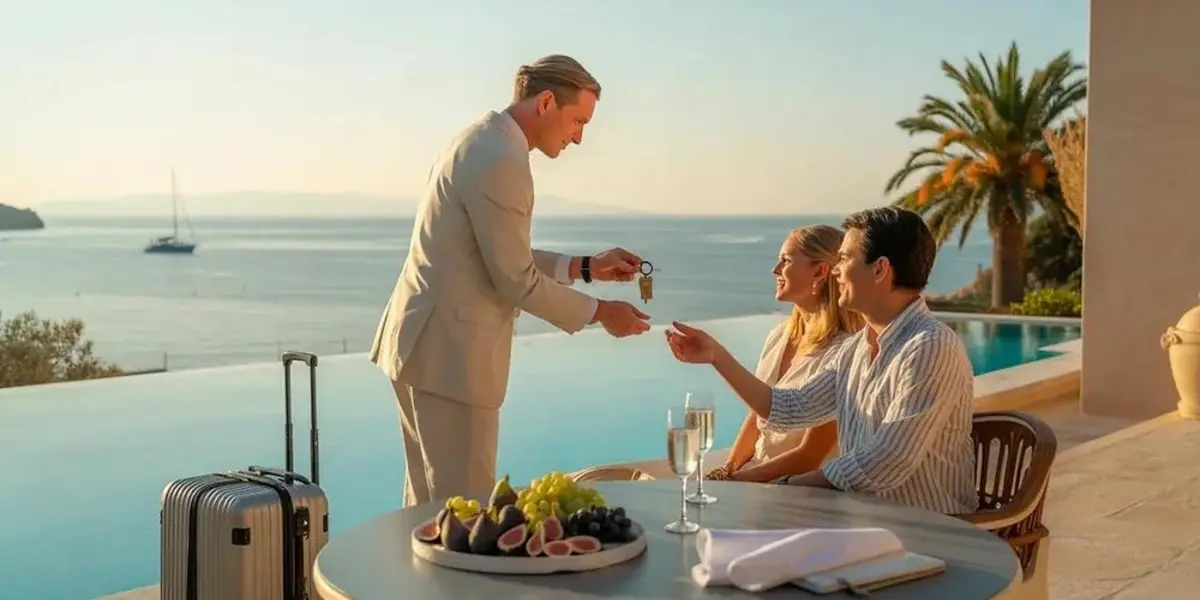
The easiest way to understand the change is to compare the old idea of luxury with the newer one.
| Traditional luxury | Modern luxury |
| Visible status | Personal meaning |
| Expensive possessions | Curated possessions and experiences |
| Logos and recognition | Craftsmanship and authenticity |
| Material abundance | Quality and intention |
| Public display | Privacy |
| Standard exclusivity | Personalization |
| More possessions | Better experiences |
| Status symbols | Time, access, and freedom |
This does not mean traditional luxury has disappeared. People still care about watches, jewelry, fashion, cars, design, and other luxury goods. The change is in what those things are expected to provide. A luxury product increasingly needs to have a reason to matter beyond its price.
Why Is Luxury Changing?
Part of the answer is simple: people’s idea of a good life changes as their needs change. Deloitte’s 2026 Global Powers of Luxury report describes the current market as a period of greater selectivity and significance, with executives increasingly focused on value and brand desirability rather than simply volume.
Bain’s 2026 research also identifies experiences as continuing to outperform tangible goods and points to changing meanings of luxury as a major force reshaping the sector.
So the shift is not just a marketing slogan. The industry itself is responding to changing consumer priorities.
Luxury Lifestyle Brands: More Than Expensive Products
A luxury lifestyle brand does more than sell a premium object.
It tries to create a world around that object. Think about how a strong luxury brand can connect its products with fashion, hospitality, design, restaurants, travel, events, art, or other experiences.
The customer is no longer buying only a handbag, watch, car, or hotel room. The brand is also selling an identity, a particular taste, and a certain way of experiencing the world.
Deloitte describes luxury as a cultural language built around aspiration, belonging, storytelling, heritage, and exclusivity, not merely craftsmanship or scarcity.
That helps explain why the strongest luxury brands spend so much time on their surroundings, stores, events, customer service, collaborations, and storytelling.
The product is important. But the world around the product can be just as important.
Luxury Lifestyle Products: What Makes a Product Feel Luxurious?
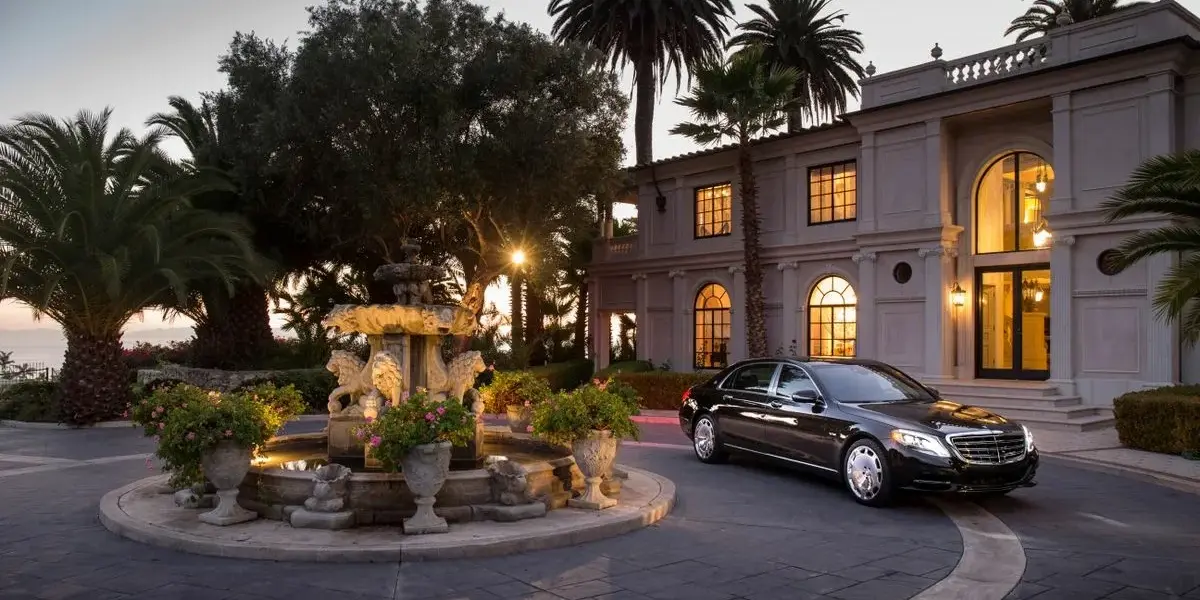
Luxury lifestyle products can include clothing, watches, jewelry, furniture, cars, technology, beauty products, and many other categories.
But there is a useful test before calling something luxury:
What does the customer get beyond the basic function?
A luxury product may offer:
-
- better materials
- superior craftsmanship
- distinctive design
- greater personalization
- rarity
- strong heritage
- exceptional service
- longer-lasting construction
- emotional or cultural value
Price is still part of the equation, but it is only one part.
A $5,000 item is not automatically more luxurious than a $1,000 item simply because the number is bigger.
This is where buyers sometimes get confused.
Expensive tells you what something costs. Luxury tries to explain why the experience or object is worth caring about. That distinction is useful whether you are looking at fashion, watches, furniture, cars, or anything else.
Luxury Lifestyle Travel: Why Experiences Matter More
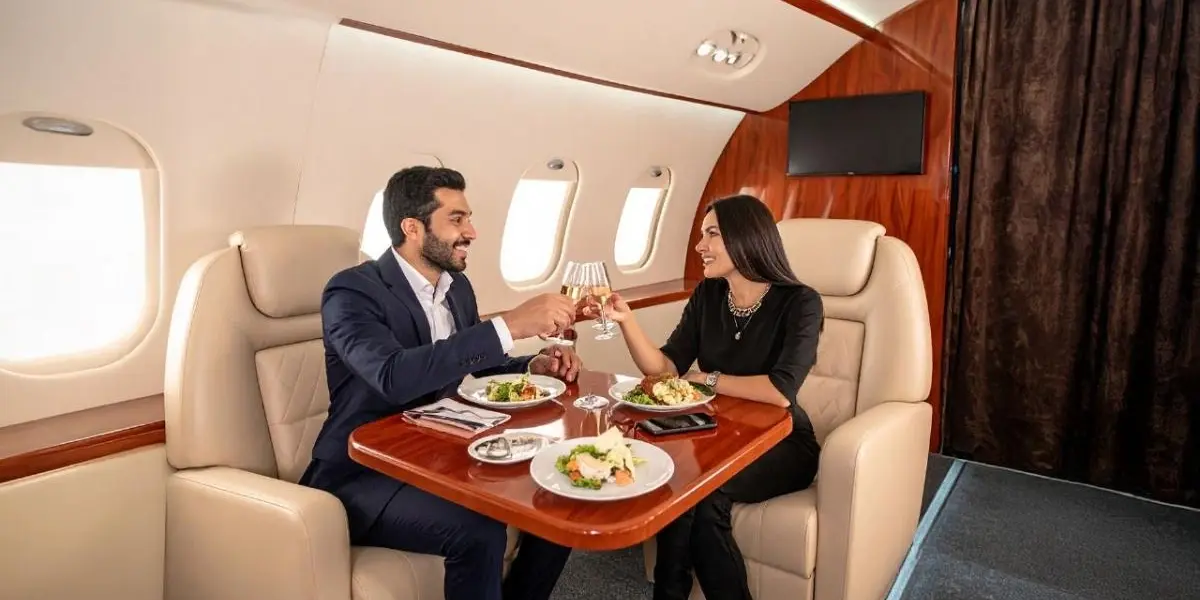
Travel is one of the clearest examples of how luxury is changing.
Traditional luxury travel might have been described mainly through five-star hotels, expensive suites, private jets, champagne, and famous destinations.
Those things still exist.
But today’s luxury lifestyle travel is increasingly about what happens during the trip.
Travelers are looking for:
-
- personalized itineraries
- privacy
- exceptional service
- cultural access
- wellness
- food experiences
- nature
- meaningful activities
- unusual or hard-to-access experiences
Expedia Group’s 2026 luxury travel outlook highlights personalization as a major part of prestige, with luxury travelers increasingly looking for experiences built around their individual interests rather than generic high-end packages.
Wellness is another major part of the shift. Current luxury travel research points toward sleep, recovery, nature, fitness, mental wellbeing, and personal renewal becoming more important parts of high-end travel.
So a luxury trip does not necessarily have to be the most expensive trip available. It needs to feel thoughtfully designed for the person taking it.
Luxury Lifestyle Trends in 2026
The biggest luxury lifestyle trends in 2026 are not all about buying more.
In many cases, they are about choosing better.
Experiences Over Possessions
One of the clearest changes is the growing importance of experiences.
Bain’s 2026 luxury market research says experiences continue to outpace tangible goods and identifies a broader shift in how consumers understand luxury.
That could mean travel, hospitality, fine dining, wellness, cultural experiences, or simply spending meaningful time somewhere special.
Wellness and Longevity
Wellness has moved far beyond the traditional spa visit.
It now includes sleep, fitness, nutrition, recovery, mental wellbeing, nature, and increasingly, longevity.
The Global Wellness Institute data cited by Forbes shows how large the broader wellness economy has become, while luxury real estate research in 2026 also points to wellbeing, privacy, time, and emotional comfort becoming more important in high-end homes.
Personalization
People increasingly want luxury to feel made for them.
That applies to travel, fashion, hospitality, beauty, dining, homes, and services.
The expectation is moving from:
“Give me the most expensive option.”
to:
“Understand what I actually want.”
That is a major difference.
Privacy
Privacy keeps showing up across luxury categories in 2026 not as a new idea, but as a more urgently valued one. It’s less about hiding and more about choosing who gets access to your time.
Technology That Stays Out of the Way
Luxury technology is increasingly about making life easier without demanding attention. Smart homes, AI-assisted services, personalized recommendations, digital concierge systems, and connected travel services can remove small annoyances from daily life.
But there is a limit. Technology becomes less luxurious when it creates more complexity than it removes.
That is why privacy and human service are becoming important counterweights to digital convenience. Bain and Comité Colbert reported in 2026 that AI is becoming a major strategic priority for luxury houses, while consumers are also increasingly using AI during purchase journeys.
Craftsmanship and Human Touch
There is also a growing premium on things that clearly show human effort. That may sound old-fashioned, but it makes sense. When digital tools can produce polished content instantly, something carefully made by a skilled person can feel more distinctive. This is one reason craftsmanship, provenance, originality, and authentic storytelling remain important in luxury.
More Intentional Consumption
Modern luxury does not necessarily mean owning everything. It can mean owning fewer things that are better suited to your taste and using them for longer. That idea overlaps with the broader movement toward quiet, considered, and more personal consumption.
It is less about saying, “Look what I can afford.”
It is more about saying, “This is exactly what I want.”
Luxury Lifestyle Magazine: How the Industry Talks About Luxury
A luxury lifestyle magazine usually covers much more than expensive products.
Look at the modern luxury publishing model and you will find a mixture of travel, hotels, fashion, design, food, wellness, homes, automobiles, culture, and experiences. LUXURIA, for example, currently combines travel reviews, dining, private aviation, resorts, products, and lifestyle features.
LUXlife’s 2026 coverage similarly brings together luxury travel, wellness, architecture, design, events, and premium products.
hat tells us something useful. The luxury lifestyle itself is not one category. It is an ecosystem of products, places, services, interests, and experiences.
What Does Luxury Living Look Like in Everyday Life?
This is where the idea becomes more practical. Luxury living does not have to look like a mansion or a private jet.
At Home
It might mean:
-
- a quiet space
- excellent materials
- thoughtful interior design
- privacy
- good lighting
- comfortable furniture
- technology that makes daily tasks easier
- a home designed around the owner’s actual habits
Recent luxury real estate research specifically highlights privacy, wellbeing, emotional comfort, time, and personalized spaces as increasingly important parts of luxury homes.
At Work
For some people, luxury is having control over their schedule. Being able to work from somewhere comfortable, avoid unnecessary commuting, or have enough flexibility to spend time with family can be more valuable than another physical possession.
In Travel
It can mean having an itinerary that feels personal rather than following the same tourist route as everyone else.
In Wellness
It can mean having time to sleep properly, exercise, recover, eat well, and take care of yourself. That may not look glamorous on Instagram. It can still be luxury.
Luxury vs. Expensive: What’s the Difference?
This is probably the simplest way to avoid misunderstanding the whole subject.
| Expensive | Luxury |
| Mainly describes price | Describes a broader experience |
| Can be ordinary but costly | Usually offers differentiation |
| Price may be the main selling point | Quality, service, access, or meaning matter |
| Can be mass-produced | May involve craftsmanship or scarcity |
| High cost does not guarantee satisfaction | The experience is part of the value |
A luxury item can be expensive.
But not everything expensive is luxury.
That distinction matters because modern consumers have more information than ever. They can compare prices, read reviews, inspect materials, look at alternatives, and even use AI during the buying process. Bain and Comité Colbert reported that 82% of top-tier luxury customers surveyed had used AI during recent purchase journeys.
The old assumption that a high price automatically creates desire is becoming less convincing.
Common Misconceptions About Luxury Living
Luxury means showing wealth
Not necessarily. Privacy, discretion, craftsmanship, and personal experiences can be just as important as visible status.
Luxury always means the most expensive option
No. The better question is whether the additional cost creates meaningful additional value.
Luxury is only about products
It isn’t.
Travel, hospitality, wellness, dining, service, time, access, and privacy are all part of the modern luxury conversation.
Everyone has the same idea of luxury
Definitely not.
For one person, luxury might be a rare watch. For another, it might be a quiet home near nature. For someone else, it might be taking three weeks away from work with no urgent responsibilities. That is why modern luxury is becoming more personal.
Final Takeaway: What Luxury Really Means in 2026
The meaning of luxury has not completely changed. Quality, craftsmanship, rarity, design, heritage, and exceptional service still matter. What has changed is the balance. Luxury is becoming less about simply having more and more about having the right things, the right experiences, and greater control over how you spend your time.
That is why privacy can feel luxurious. So can a quiet home, a personalized trip, excellent service, good health, meaningful time with family, or a product made with extraordinary care.
So, if you want one simple definition of luxury lifestyle in 2026, use this: Luxury is not just the ability to buy expensive things. It is the ability to shape your life around quality, comfort, choice, time, experience, and what genuinely matters to you.
And that may be the biggest change in luxury living today: the most valuable luxury is increasingly the one that makes life feel better, not merely more expensive.
People Also Ask About Luxury Lifestyle
What is a luxury lifestyle?
A luxury lifestyle is a way of living that emphasizes exceptional quality, comfort, access, service, personalization, and experiences. It can include luxury products, travel, homes, wellness, dining, and other premium experiences, but it is not defined by price alone.
What does luxury living mean?
Luxury living means having a high level of comfort, choice, quality, and convenience in the areas that matter most to you. In 2026, it increasingly includes privacy, wellness, time, personalization, and meaningful experiences.
What are the biggest luxury lifestyle trends in 2026?
The major trends include experience-led luxury, personalization, wellness and longevity, privacy, craftsmanship, selective consumption, and technology-assisted services. Current luxury industry research also points to changing consumer expectations and a stronger focus on value and meaning.
Is a luxury lifestyle only for wealthy people?
The traditional version of luxury is strongly connected to wealth because many luxury goods and services are expensive. But the broader idea of luxury is not limited to possessions. Quality, time, privacy, comfort, and personal experiences can all be forms of luxury.
What makes a product a luxury product?
A luxury product usually combines some mix of exceptional quality, craftsmanship, design, scarcity, heritage, personalization, service, and emotional value. A high price alone does not make a product luxurious.
Why is travel part of a luxury lifestyle?
Travel is a major part of luxury because it can combine comfort, privacy, personalized service, access, culture, food, wellness, and memorable experiences. In 2026, luxury travel is increasingly focused on what the traveler experiences rather than simply the hotel or transportation they purchase.