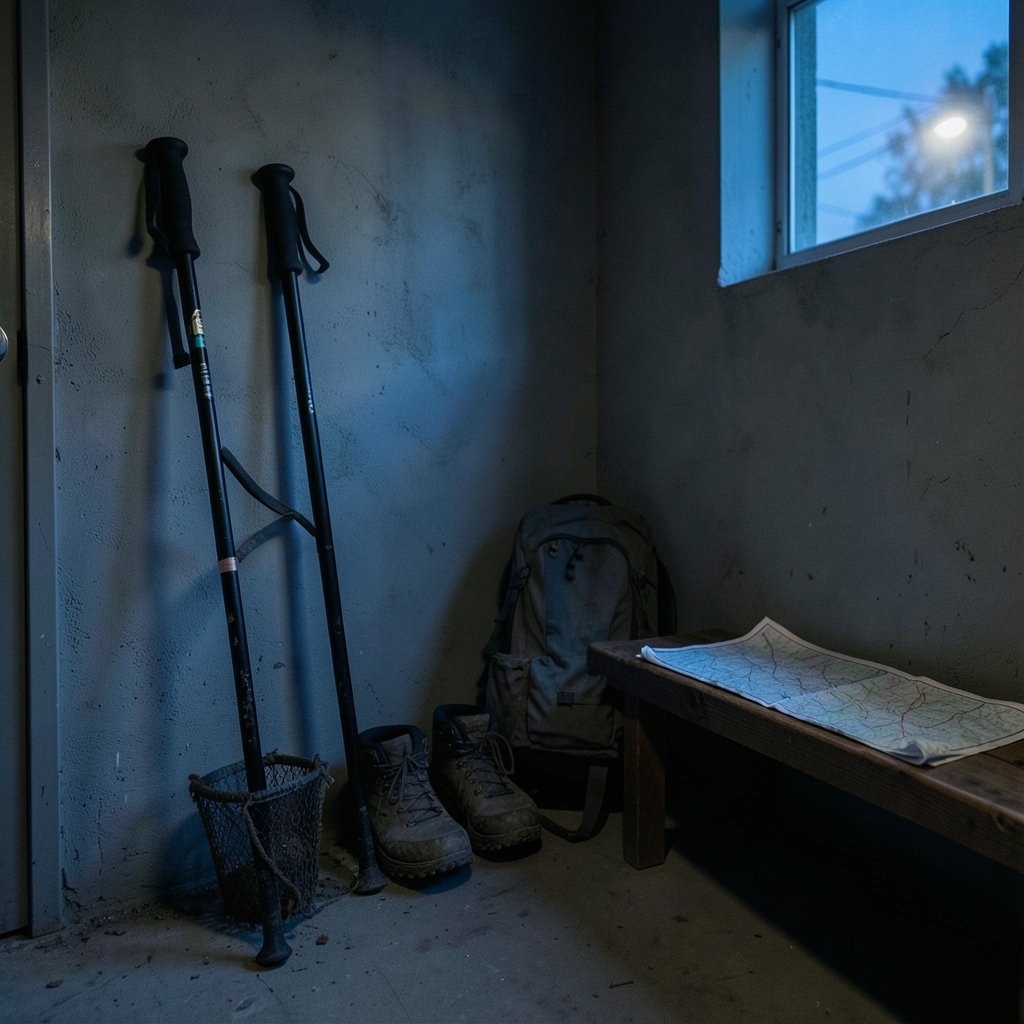
What if the cheapest piece of gear in your pack did more for your knees than the expensive boots on your feet? That is the strange promise of hiking poles. They look simple: a stick, a grip, a tip. Yet the right pair can take real load off your legs on long descents, and the wrong pair can wobble, slip, and end up strapped to your pack by lunchtime. This guide cuts through the marketing and explains what actually matters when buying the best hiking poles for your body, your terrain, and your budget. (Hiking shoes when trail runners beat boots trail)
Why Hiking Poles Are Worth Carrying
Older hikers and people with bad knees are not the only users of poles. A peer-reviewed review of trekking pole biomechanics found that poles can reduce lower-limb muscle activity and perceived exertion, especially on descents. That matters because downhill walking is where the quads take a beating and where many hikers feel soreness the next day.
One honest caveat: the science is not unanimous. Some studies find poles slightly raise energy cost on flat ground, while others find no meaningful difference. Evidence that poles improve balance in healthy hikers is also mixed. Where the case is strongest is load carriage and knee stress, particularly for hikers carrying heavy packs or managing knee osteoarthritis. If you hike rolling flats with a light pack, poles are optional. If you climb and descend thousands of feet with weight on your back, they earn their place.
The Two Materials That Matter
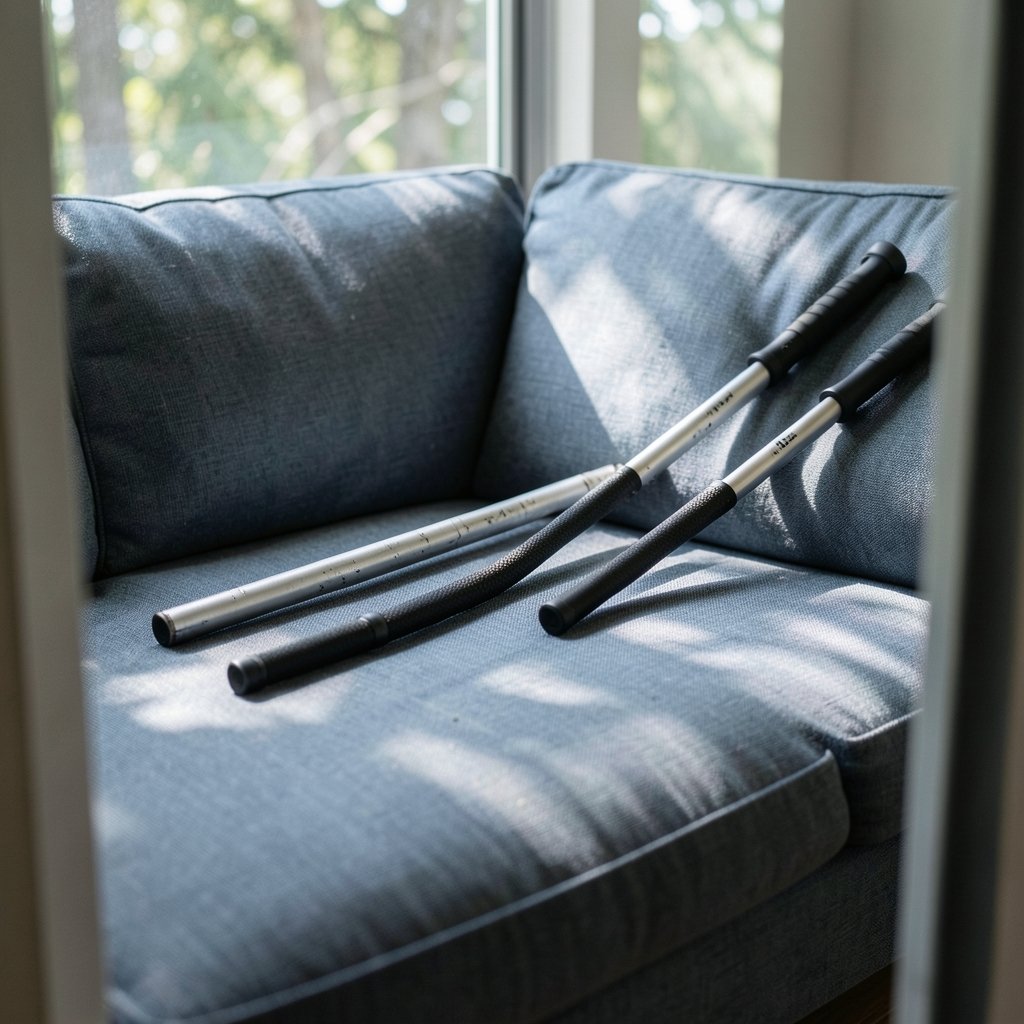
Almost every pole shaft is made from one of two materials, and the choice shapes everything else.
Aluminum alloys (commonly 7075) are the workhorse option. They are slightly heavier, but when overloaded they bend rather than shatter. A bent pole can often be straightened enough to finish the hike. They are also cheaper, which makes them a smart first pair.
Carbon fiber is lighter and dampens vibration nicely. The trade-off is failure mode: carbon can snap suddenly rather than bend. That does not make carbon unsafe, but it does mean inspecting shafts for cracks and dings before every trip. Ultralight backpackers and fast hikers usually accept the trade. Casual weekend walkers rarely need it.
| Feature | Aluminum | Carbon Fiber |
|---|---|---|
| Weight | Moderate | Light |
| Failure style | Bends | Can snap |
| Vibration damping | Lower | Higher |
| Price | Lower | Higher |
| Best for | Beginners, rocky terrain, heavy loads | Ultralight trips, long distance |
A hybrid design, with carbon upper sections and an aluminum lower section, tries to split the difference. It is a reasonable compromise if you want light swing weight without a fully brittle shaft.
Locking Mechanisms: Where Cheap Poles Fail
The lock is the part that decides whether a pole feels solid or noodles under your weight. There are two main systems.
Lever locks (also called flip locks) use an external clamp. You flip a lever, slide the section, and snap it shut. They are easy to adjust with gloves on and easy to see when they are open. Most guides and rental fleets prefer them for good reason.
Twist locks use an internal expander that tightens when you rotate the sections. They are sleek and snag-free, but they can slip if under-tightened, and they are fussier to adjust in cold weather with numb fingers.
Whatever the system, test it in the shop. Extend the pole fully, lock it, and press down hard. A lock that creeps even a millimeter under hand pressure will collapse on a steep descent. This is the single most common mistake buyers make: they check weight and grip color but never stress the lock.
Sizing: The Rule of Thumb and When to Break It
Stand on flat ground with the pole tip on the floor and your hand on the grip. With your arm relaxed at your side and elbow bent about 90 degrees, the grip should sit near hip height. A common shortcut is roughly 0.66 to 0.68 times your body height for flat terrain. Treat that as a starting point, not gospel.
Adjust shorter for uphill, where you want to push down and back. Adjust longer for downhill, where you want to reach ahead and brake. This is why adjustable poles beat fixed-length ones for most hikers. Fixed-length poles are lighter and have one fewer failure point, which suits runners and ultralight purists who always hike the same kind of terrain.
If you are between sizes or sharing poles with a partner, favor a model with a wide adjustment range. The same logic applies to other gear that has to fit a body rather than a shelf, like choosing between a cal king vs king dimensions room fit which suits you when a bedroom has to work for two people. Fit beats spec sheets every time. (King comforter)
Grips, Straps, and the Technique Nobody Teaches
Grip material is a comfort decision with real consequences. Cork molds to your hand, handles sweat well, and gets grippier with age. Foam is light and soft but wears faster. Rubber is durable and secure in wet conditions but can feel slick when sweaty.
The strap matters more than most people think. Used properly, the strap carries the load through your palm so your fingers can stay relaxed. Slide your hand up through the loop from below, then grip the strap and handle together. Hikers who clutch the grip like a hammer and ignore the strap tire out their forearms fast.
Technique is where poles quietly win or lose. Plant the pole as your opposite foot lands, so the pole and foot alternate. On flats, a light tap keeps rhythm. On descents, reach ahead and let the pole take weight before your knee does. On steep climbs, choke down on the grip or shorten the pole and push. If your poles swing uselessly at your sides, you are carrying weight for nothing. This same principle of matching gear to the actual job applies across the outdoors, whether you are picking poles, choosing between hiking shoes when trail runners beat boots on trail, or deciding what to wear on your head with the best hiking hats for sun, rain, and cold protection.
Tips, Baskets, and Terrain-Specific Choices
The tip is your contact point with the world, and swapping it changes how a pole behaves.
- Carbide tips bite into dirt, rock, and ice. They are the default for most hiking.
- Rubber tips protect trails, quiet the click on pavement, and grip slick rock better. Many hikers carry a pair for road walks and scrambles.
- Baskets stop the pole from sinking into snow, mud, or scree. Small baskets suit summer trails; wide powder baskets suit winter.
If you hike a lot of snow or mud, baskets are not optional. If you mostly walk maintained trails, a small basket or none at all is fine. And check local rules before you go: some parks and wilderness areas restrict or discourage pole use to protect fragile soils and historic trails. Land-manager rules vary, so confirm with the specific park or forest you are visiting.
Folding vs. Telescoping Poles
Telescoping poles collapse in two or three sections and adjust to almost any length. They are the standard choice for hikers who want one pair to cover uphill, downhill, and flat.
Folding poles break into three or four short segments joined by an internal cord, then tension with a small lever near the grip. They pack tiny, which makes them popular with runners and travelers who need to stow poles in a daypack or suitcase. The catch is limited length adjustment and a more complex assembly. If you want maximum packability, fold. If you want maximum adjustability, telescope.
What to Check Before You Buy
A few practical checks separate a good pair from a frustrating one.
- Extend each section fully and lock it. Press down hard. Listen for creaks and watch for slipping.
- Weigh the pair in your hand. Swing weight matters more than total weight because it affects fatigue over thousands of steps.
- Grip the handle with a glove on. Check that the strap adjusts and that the grip shape suits your hand.
- Look at the tip and basket compatibility. Can you replace the tip when it wears down?
- Check the warranty and whether spare parts, like tips, baskets, and locks, are sold separately.
Common mistakes show up again and again. Buyers chase the lightest pole and ignore durability. They skip the lock stress test. They buy a fixed length that fits flat ground but not the mountains they actually hike. And they never learn to use the strap, so the pole becomes dead weight. A mid-priced aluminum pair with lever locks and replaceable tips will outperform a fragile ultralight pair for most people.
Budget Reality
You do not need to spend a fortune. Entry-level aluminum poles with lever locks cover most day hiking. Mid-range poles add better grips, lighter shafts, and more reliable locks. Premium carbon poles shave grams and add damping for long-distance hikers who count every ounce.
Spend your money in this order: reliable locks first, comfortable grips second, light weight third. A pole that slips is worse than a pole that is 50 grams heavier. And if you are building a full kit, the same logic of prioritizing function over flash applies to big purchases like a luxury bedroom comforter or a kaabo warrior king gtr max electric scooter that buyers should research carefully before committing. Gear that fits your actual use beats gear that looks impressive in a spec sheet.
Caring for Your Poles So They Last
Small maintenance habits stretch a pole’s life by years. After wet trips, pull the sections apart and dry them, because grit and moisture inside the shaft are what seize twist locks. Wipe down the locks and check the tension screw on lever clamps. Replace worn carbide tips before they round off, since a dull tip skates on rock. Store poles fully collapsed and dry, not jammed in a hot car with grit inside. If a section starts slipping mid-hike, clean the lock surfaces and re-tighten rather than forcing it.
Conclusion
The best hiking poles are not the lightest or the most expensive. They are the pair whose locks hold under pressure, whose grips fit your hands, and whose length adjusts to the terrain you actually walk. Aluminum with lever locks is the safe, sensible starting point for most hikers. Carbon and folding designs make sense once you know your habits. Learn to use the strap, plant the pole opposite your foot, and adjust length as the trail changes. Do that, and a modest pair of poles will quietly save your knees on every descent, which is exactly what good gear should do.
Frequently Asked Questions
Are hiking poles actually good for your knees?
Yes, especially on descents. Research on trekking pole biomechanics shows poles can reduce lower-limb muscle activity and perceived exertion, which lowers the load your knees absorb step after step. The benefit is clearest for hikers carrying heavy packs or managing knee osteoarthritis.
Should I choose aluminum or carbon fiber poles?
Choose aluminum if you want durability, a lower price, and a shaft that bends rather than snaps. Choose carbon fiber if you want the lightest swing weight and do not mind inspecting the shafts for cracks. Most casual and intermediate hikers are happier with aluminum.
How do I know what length hiking pole to buy?
Stand with the tip on the floor and your elbow bent about 90 degrees; the grip should sit near hip height. A rough shortcut is 0.66 to 0.68 times your height for flat ground. Go shorter for climbs and longer for descents, which is why adjustable poles suit most hikers.
Are lever locks better than twist locks?
For most hikers, yes. Lever locks are easier to adjust with gloves, easier to see when open, and less prone to slipping when set correctly. Twist locks are sleeker but fussier in cold weather. Whatever the type, stress-test the lock before you buy.
Do I need rubber tips or baskets?
Carry rubber tips if you walk roads, paved paths, or slick rock, since they protect trails and improve grip there. Use baskets in snow, mud, or loose scree so the pole does not sink. Check local land-manager rules, because some parks restrict pole use to protect fragile ground.
Can hiking poles help with balance?
The evidence is mixed for healthy hikers, so do not count on poles as a fall-prevention device. They are more clearly useful for load carriage and reducing knee stress. Practice your technique on easy ground first so the poles support you rather than trip you up.