

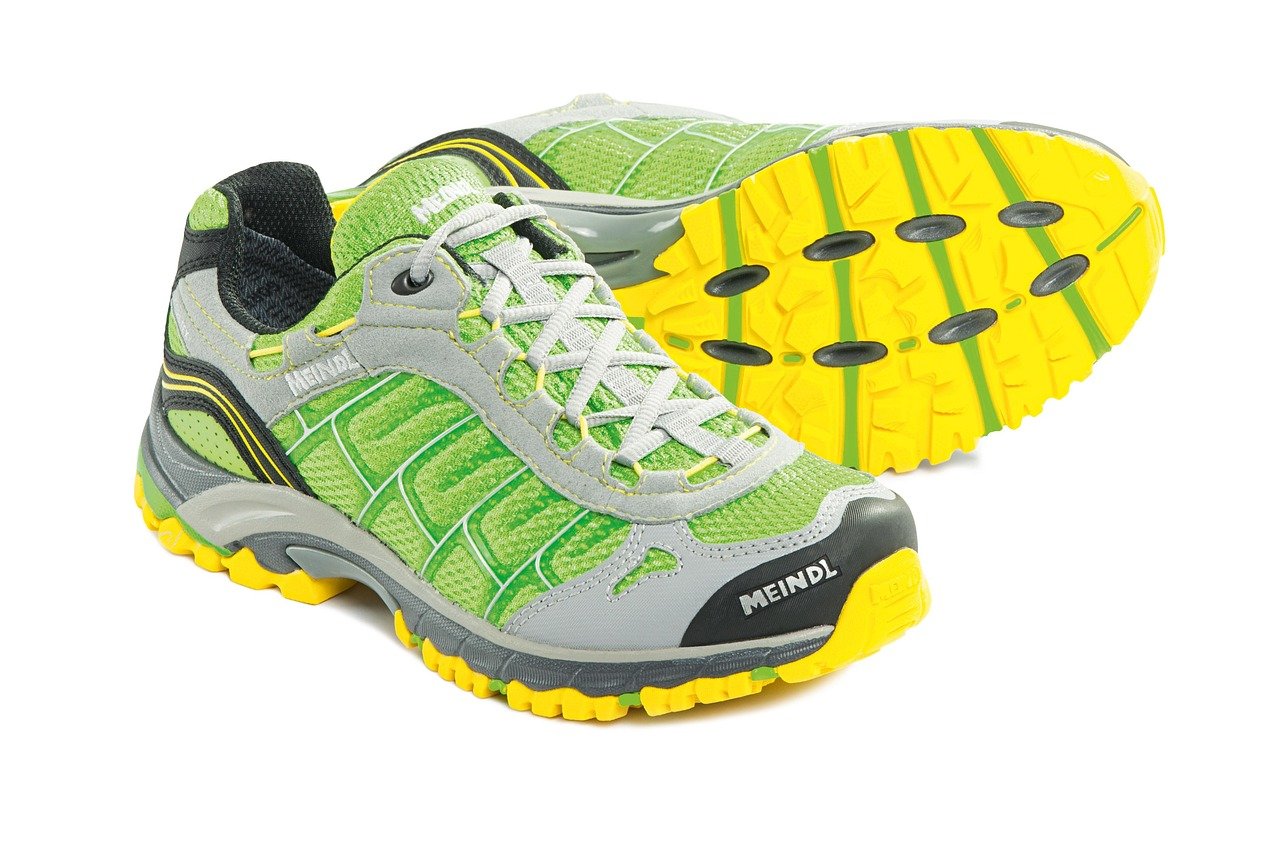

What if the heaviest thing on your hiking trip isn’t your pack, but your feet? That question underlies one of the most heated debates in outdoor culture. For generations, the default answer was a stiff, high-cut leather boot. Today, a growing number of hikers pull on low-cut trail running shoes, approach shoes, or lightweight hiking sneakers and never look back. Hiking in shoes is no longer a fringe choice. It is a real strategy with real trade-offs, and whether it works for you depends on terrain, load, ankle history, and how honest you are about your own balance.
What “Hiking in Shoes” Actually Means
The phrase gets used loosely, so it helps to pin it down. Hiking in shoes means walking and backpacking in low-cut footwear that stops below the ankle, rather than in traditional hiking boots with a tall collar and a stiff, often heavy sole. The category covers several distinct types:
- Trail running shoes: Lightweight, flexible, aggressive tread, minimal ankle coverage.
- Hiking sneakers: A middle ground with slightly sturdier uppers and moderate cushioning.
- Approach shoes: Sticky rubber soles and a firmer edge for scrambling on rock.
- Minimalist and zero-drop shoes: Thin soles and little heel-to-toe offset, favored by a subset of experienced hikers.
The key distinctions are ankle coverage and sole stiffness, not whether the object is technically a “shoe.” A burly low-cut hiker and a featherweight trail runner both count as shoes in this debate, even though they behave very differently underfoot.
Why the Shift Away From Boots Happened

The move toward lighter footwear tracks the rise of ultralight backpacking, a philosophy that spread through the outdoor community from the late 1990s into the 2000s. The logic is simple: every ounce on your foot takes more effort to lift than an ounce on your back, so trimming footwear weight pays outsized dividends over a long day. Hikers who cut their base weight also found they no longer needed a heavy boot to support a heavy pack.
There is a second driver. Trail running shoes improved dramatically. Modern foams, rock plates, and grippy rubber compounds gave low-cut shoes much of the underfoot protection that once justified a boot. The gap between “trail shoe” and “light hiker” narrowed to the point where many hikers stopped seeing a reason to buy both. If you have ever compared a plush king comforter to a budget hotel blanket, you already understand the principle: the same job, radically different materials and weight. Footwear went through the same evolution.
The Real Advantages of Low-Cut Footwear
Hikers who switch to shoes tend to cite a consistent set of benefits. These are practical observations rather than laboratory claims, but they show up again and again in trip reports and trail conversations.
Less weight, less fatigue
Lighter shoes reduce the effort of every step. Over thousands of steps, that adds up. Hikers often report feeling fresher at the end of a long day, especially on rolling terrain where the foot flexes constantly.
Better ground feel and proprioception
A flexible shoe lets your foot read the trail. You feel rocks, roots, and slope angle through the sole, and your body adjusts before a problem develops. Many hikers describe this as feeling more connected and more agile, particularly on uneven ground.
Faster drainage and drying
Low-cut shoes with mesh uppers drain quickly after a stream crossing and dry far faster than a leather boot. Wet feet are a leading cause of blisters, so quick drying matters more than most beginners expect.
Less break-in friction
Stiff boots can take weeks to soften. Most trail shoes feel ready out of the box, which reduces the chance of a trip-ruining hot spot on day one.
Where Shoes Fall Short
A balanced look has to acknowledge the costs. Hiking in shoes is not a free upgrade, and pretending otherwise gets people hurt.
Weaker ankle protection
The most obvious trade-off is ankle support. A high collar and stiff upper limit how far the ankle can roll. Low-cut shoes do not. Whether that matters depends heavily on the individual: ankle strength, balance, prior sprain history, and load all play a role. Hikers with a history of repeated sprains should think hard before ditching the boot, or at least consider a brace.
Less underfoot protection on rough ground
Sharp scree, talus fields, and long stretches of jagged rock punish thin soles. A flexible shoe transmits more of that texture to the foot. On sustained rough terrain, many hikers want a rock plate or a stiffer midsole, which pushes them back toward a beefier shoe or a light boot.
Faster wear
Lightweight materials wear out faster. A trail shoe may last a fraction of the mileage a sturdy leather boot delivers, which changes the true cost of ownership. Budget-minded hikers should factor replacement into the math rather than comparing sticker prices alone.
Load carrying limits
Traditional boots pair with heavy packs. If you are carrying a substantial load, a flexible shoe can feel overwhelmed, and the added strain lands on your feet and ankles. Most hikers who go light on footwear also go light on gear.
Shoes vs. Boots: A Side-by-Side Look
| Factor | Low-cut shoes | Traditional boots |
|---|---|---|
| Weight | Light | Heavy |
| Ankle support | Minimal | High collar, stiffer |
| Ground feel | High | Low |
| Break-in time | Short | Often long |
| Water drainage | Fast | Slow |
| Underfoot protection | Varies, often less | Usually more |
| Durability | Lower mileage | Higher mileage |
| Best for | Light loads, smooth to moderate trails | Heavy loads, rough or technical terrain |
Neither column wins outright. The table simply shows that footwear is a set of trade-offs, and the right answer depends on which trade-offs fit your trip. The same logic applies when people compare luxury bedroom comforter styles across queen and king sizes: bigger is not automatically better, and the fit has to match the use.
How to Decide for Yourself
Rather than picking a side, work through a few honest questions.
- How heavy is your pack? Under roughly 20 to 25 pounds, shoes become far more viable. Above that, boots or a sturdier shoe earn their weight.
- What is the terrain? Smooth trails, forest paths, and well-graded routes favor shoes. Loose scree, steep off-trail travel, and snow favor boots.
- What is your ankle history? Repeated sprains are a signal to be conservative or to add support.
- How strong and balanced are you? Foot and ankle strength built over time makes low-cut footwear safer.
- How long are your days? Long days reward light footwear, but only if your feet can handle the reduced protection.
A sensible middle path is to own one pair of each and match the shoe to the trip. Many experienced hikers keep a light trail shoe for fast summer day hikes and a sturdier option for loaded alpine trips.
Practical Tips That Actually Work
Advice from the trail tends to converge on a few habits that separate happy shoe hikers from miserable ones.
Size up for long descents. Feet swell and slide forward on downhills. A roomier toe box prevents blackened toenails, one of the most common complaints from new converts.
Invest in socks before shoes. Moisture management drives blister risk more than almost anything else. Wool or synthetic blends beat cotton every time. The same principle that makes 4c hair care depend on moisture balance applies to feet: manage water, and the rest gets easier.
Break in your feet as well as your shoes. If you are new to low-cut footwear, build up gradually. Short hikes first, then longer ones. Let your calves and ankles adapt to the different demands.
Tape hot spots early. The moment you feel warmth or friction, stop and deal with it. A small piece of tape now beats a blister that ends your trip.
Carry a light ankle brace if you are prone to rolls. It weighs almost nothing and adds a layer of confidence on rough ground.
Common Mistakes to Avoid
The most frequent error is switching to minimalist shoes and immediately attempting a long, loaded trip. That is a recipe for sore feet and frustration. Another is choosing shoes purely on weight, ignoring fit and toe box shape. A featherweight shoe that pinches is worse than a heavier one that fits. A third mistake is assuming ankle support is optional for everyone. For some hikers it genuinely is; for others it is not. Finally, many people underestimate how quickly lightweight shoes wear out and get caught on a long trip with a collapsing midsole.
Conclusion
Hiking in shoes is neither a fad nor a universal upgrade. It is a legitimate approach that trades ankle support and durability for weight savings, ground feel, and comfort on moderate terrain. The hikers who thrive in low-cut footwear tend to carry lighter packs, build foot and ankle strength over time, and match their shoe to the trip rather than to a trend. The hikers who struggle usually jumped in too fast or ignored their own injury history. The best move is not to pick a side in the boots-versus-shoes argument, but to understand the trade-offs well enough to choose deliberately. Try a short hike in lighter footwear. See how your feet, ankles, and legs respond. Then let your own body, not the internet, make the call.
Frequently Asked Questions
Is hiking in trail running shoes safe?
For many hikers on moderate terrain with light packs, yes. Trail running shoes offer good traction and cushioning. The main risk is reduced ankle support, so hikers with a history of sprains should be cautious or add a brace. Safety depends far more on terrain, load, and individual strength than on the shoe category alone.
How much pack weight is too much for hiking shoes?
There is no universal cutoff, but many hikers find that low-cut shoes work best with packs under roughly 20 to 25 pounds. Above that, a sturdier shoe or boot tends to feel more stable and protects the feet better on long days. Your own strength and experience shift that number.
Do I need ankle support when hiking?
Not everyone does. Ankle support helps most for people with prior sprains, weak ankles, or heavy loads on rough ground. Hikers with strong, stable ankles often do fine without it. If you are unsure, test low-cut shoes on shorter hikes before committing to a long trip.
How long do hiking shoes last compared to boots?
Lightweight trail shoes generally wear out faster than traditional leather boots. Expect fewer miles before the midsole compresses or the upper breaks down. That shorter lifespan is part of the real cost, so factor replacements into your budget rather than comparing purchase prices alone.
Can beginners start hiking in shoes instead of boots?
Yes, as long as they start gradually. Beginners should choose shoes with a comfortable fit and a roomy toe box, keep packs light, and build up mileage slowly. Breaking in feet and ankles matters as much as breaking in footwear, and short practice hikes reveal problems before a big trip does.
What is the biggest mistake when switching to hiking shoes?
The most common mistake is jumping straight from boots to minimalist shoes on a long, loaded trip. That gives feet and ankles no time to adapt. A better approach is a gradual transition: shorter hikes first, then longer ones, with attention to fit, socks, and early hot-spot treatment.









