


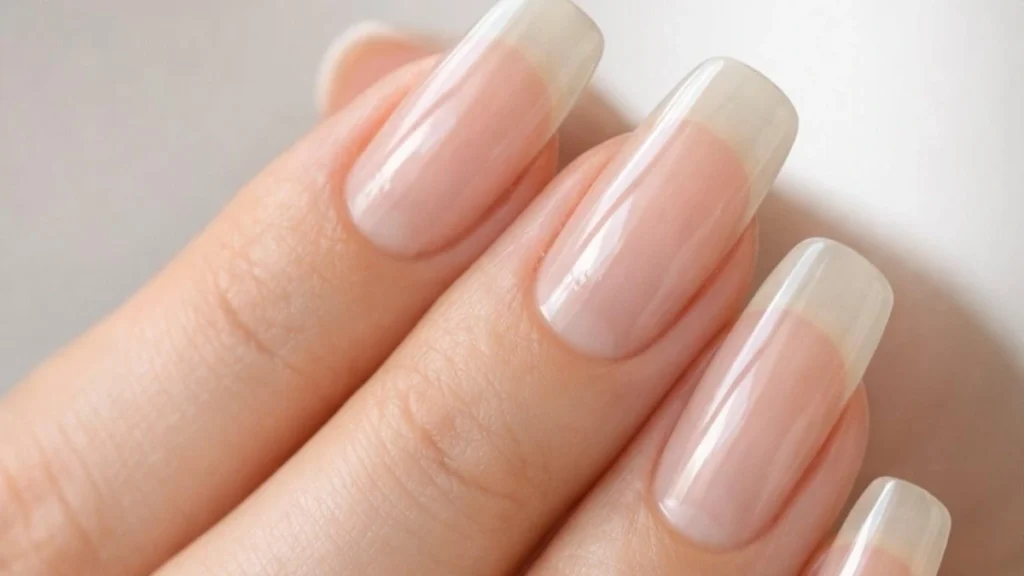
Long nails are easier to maintain when you focus on preventing breakage rather than trying to speed up growth. Fingernails grow about 3.5 mm per month on average, so reaching a longer length takes time. Daily moisture, careful filing, gloves during wet work, and choosing a practical shape help you keep the length you grow.
This guide explains how to grow long natural nails, build a routine that protects them, choose a shape that suits your hands, and compare natural growth with salon enhancements.
Key Takeaways
- Fingernails grow about 3.5 mm per month on average.
- Protecting new length matters more than trying to force faster growth.
- Daily moisturizer, gloves during wet work, and gentle filing help reduce breakage.
- Never use long nails to pry, scrape, or open hard objects.
- Gel, dip, acrylic, and press-ons each have different maintenance and removal risks.
- Persistent discoloration, pain, swelling, or nail lifting should be checked rather than covered.
How Fast Do Fingernails Grow?

Fingernails grow about 3.5 mm per month on average. This figure comes from a study of healthy young adults, so your own growth rate may be faster or slower.
A few factors can affect how quickly your nails grow:
- Age: Nail growth often slows with age.
- Health: Illness and some health conditions can affect growth.
- Nutrition: A balanced diet supports normal nail development.
- Season: Nail growth may be faster during warmer months.
- Injury: Damage near the nail root can affect how a nail grows.
There is no proven oil, cream, or home remedy that makes nails grow dramatically faster. The more useful goal is to prevent peeling, splitting, and breakage.
For example, if your nails grow normally but keep snapping at the same length, faster growth is not the main problem. You need to protect the length you already have.
How to Grow Long Natural Nails
Growing long natural nails takes patience and a routine you can repeat. These six habits help protect the nail plate and reduce everyday damage.
1. Apply Cuticle Oil and Hand Cream Daily
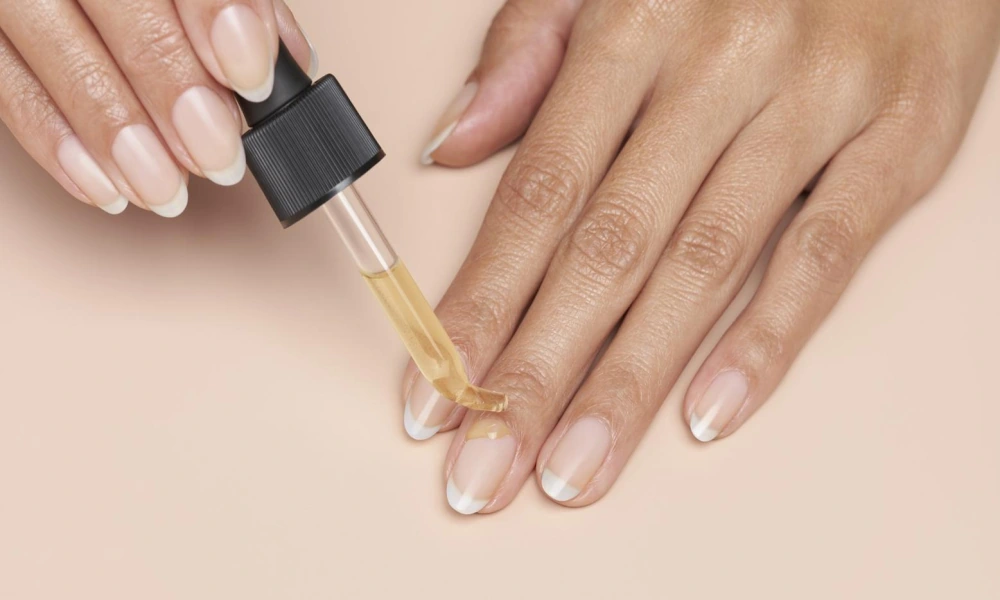
Dry nails can become more prone to splitting and breakage. Apply cuticle oil around the nail edges and massage it gently into the surrounding skin. Use hand cream after washing your hands, too. You do not need an expensive product. A simple moisturizer that you use regularly is more useful than a product you apply once and forget.
Try keeping a small bottle of cuticle oil near your desk or bedside table. That makes daily use easier.
For more advice on keeping your natural nails healthy, read our guide to natural nails care.
2. Wear Gloves During Cleaning and Washing

Repeated contact with water, detergents, and cleaning products can weaken nails. Water exposure can make the nail plate swell and shrink, which may contribute to splitting over time.
Wear rubber or vinyl gloves when:
- Washing dishes
- Cleaning bathrooms
- Using household cleaning products
- Gardening
- Handling harsh chemicals
Dry your hands properly after washing them. If the gloves make your hands sweaty, take them off when the task is finished and let your hands dry.
3. File Your Nails Gently
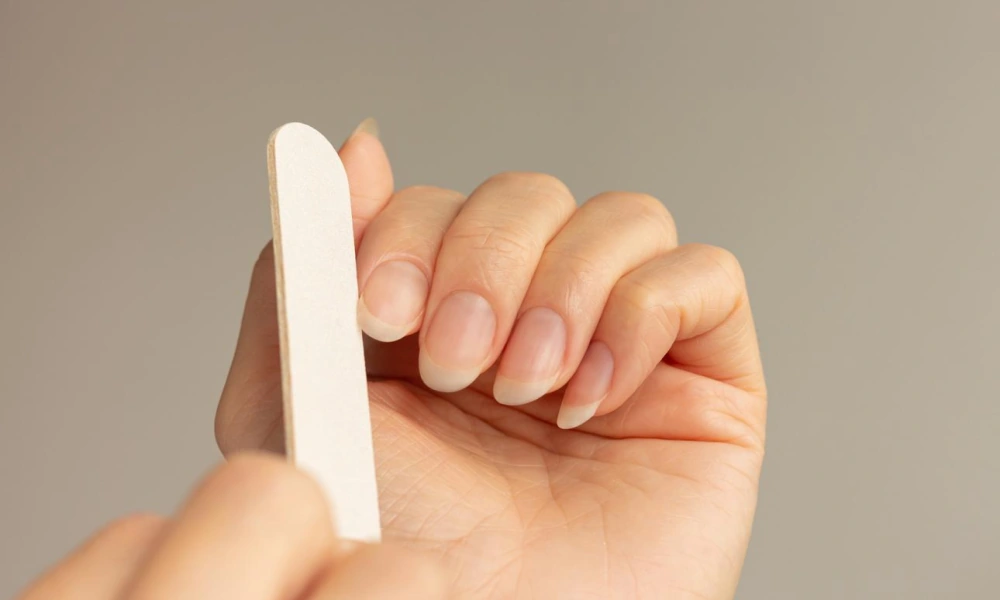
A rough edge can catch on clothing, hair, and other surfaces. One small snag can turn into a larger split if you pull at it. Use a fine-grit nail file to smooth the free edge. Work with gentle strokes instead of pressing hard or filing aggressively back and forth.
Keep these points in mind:
- File dry nails rather than shaping them after a long soak.
- Smooth sharp corners before they catch on something.
- Avoid filing deeply into the sides.
- Do not thin the top surface of your natural nails.
- Keep a small file in your bag for unexpected snags.
If one nail develops a crack, shorten it before the damage travels farther.
4. Stop Using Your Nails as Tools
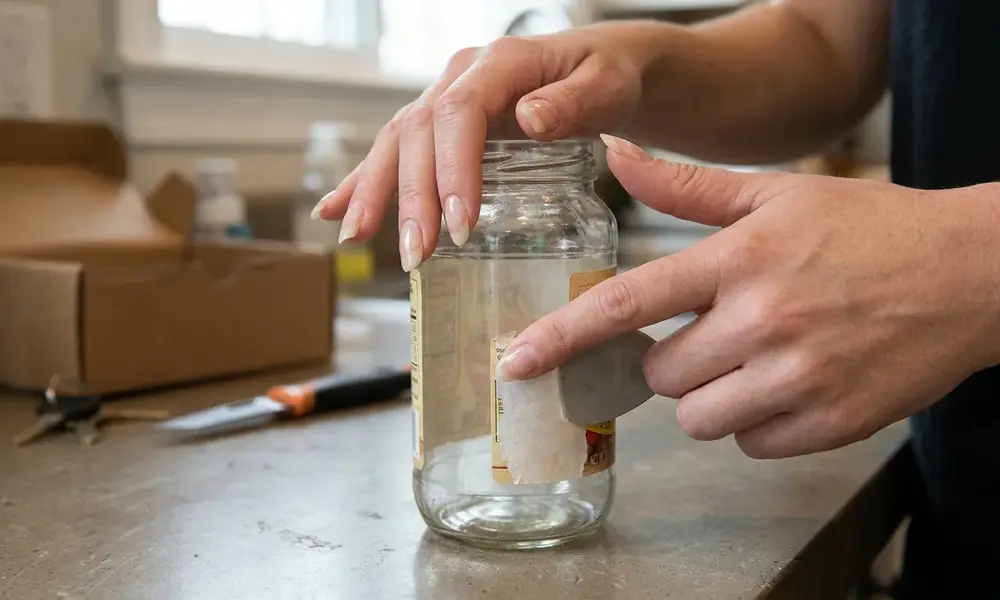
Long nails can make ordinary tasks less convenient. The biggest mistake is using the nail tip to do work that should be done with your fingers or a tool.
Avoid using your nails to:
- Open cans or packages
- Scrape labels
- Remove stickers
- Press hard buttons
- Pry open lids
- Scratch or scrape hard surfaces
Use the pads of your fingers where possible. For packages, keys, and other small tasks, use the proper tool instead. This habit matters because a long free edge creates more leverage when it hits a hard surface. Even a healthy nail can crack if enough force reaches the tip.
5. Keep Your Cuticles Intact
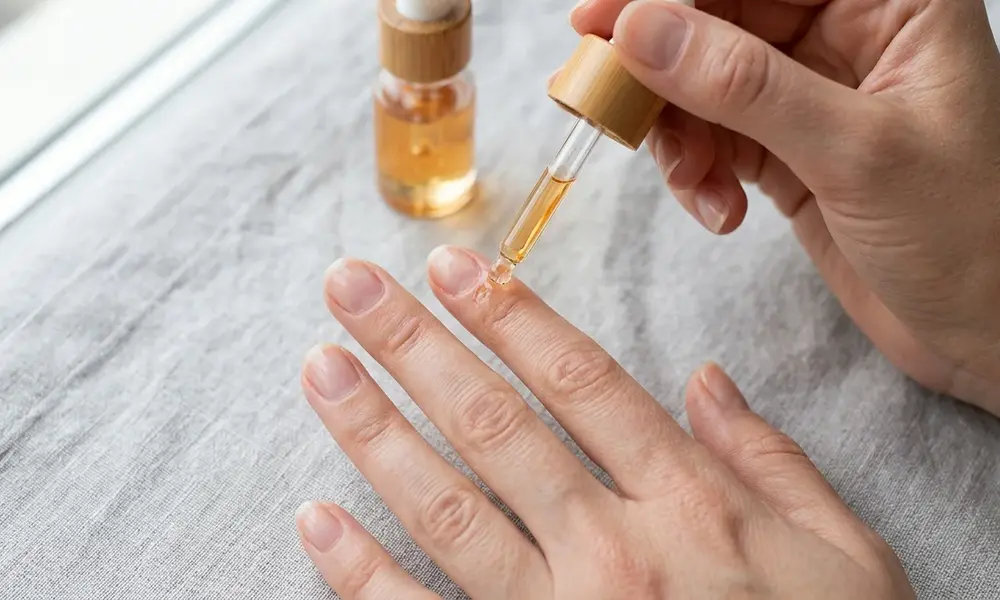
The cuticle area helps protect the growing nail from germs and irritation. Cutting or aggressively pushing back this skin can increase the risk of infection.
Instead:
- Apply cuticle oil or moisturizer.
- Do not bite or pick at the skin.
- Avoid cutting living cuticle tissue.
- Leave painful or inflamed areas alone.
- Ask your nail technician not to cut your cuticles.
The American Academy of Dermatology’s healthy nail tips also recommend avoiding cuticle damage and protecting nails from repeated water exposure.
6. Eat a Balanced Diet

Nails are made mainly of keratin, a protein. Your body needs a balanced supply of nutrients to support normal nail growth.
Include a variety of foods in your meals, such as:
- Eggs, fish, chicken, and beans for protein
- Lentils and leafy vegetables for iron
- Nuts and seeds for several minerals
- Fruits and vegetables for a range of vitamins
Taking extra supplements will not automatically make your nails grow faster. If your nails are unusually brittle or your diet is limited, speak with a healthcare professional before starting supplements.
How Long Does It Take to Grow Long Nails?
The time depends on how much length you want and how well your nails hold on to it.
A fingernail grows around 3.5 mm per month on average. That means a few millimeters of new free edge may take a couple of months. A noticeably longer set can take several months, especially if you have to remove damaged length along the way.
Use this as a general guide rather than a guaranteed timeline:
| Goal | What to expect |
|---|---|
| A small free edge | Often a few weeks to a couple of months |
| Noticeably longer nails | Usually several months |
| Extra-long natural nails | May take many months, depending on growth and breakage |
The important difference is between growth and retained length. Your nails may grow at a normal rate, but repeated breaks can stop them from getting longer. Take a photo once a month instead of checking them every day. It is easier to notice progress when you compare pictures taken several weeks apart.
Choosing the Best Length for Your Lifestyle
Long nails look different on everyone, and the longest option is not always the most practical. Your daily routine should help decide how much free edge to keep.
| Length | Appearance | Everyday maintenance |
|---|---|---|
| Short | Natural and simple | Usually easiest to manage |
| Medium | Clearly extends beyond the fingertips | A practical balance of length and comfort |
| Long | More noticeable and suitable for detailed shapes | Needs regular filing and careful handling |
| Extra-long | Dramatic and highly visible | Requires more adjustment during daily tasks |
If you type all day, work with your hands, play sports, or care for young children, medium or long nails may be easier to manage than an extra-long set.
Start with a manageable length. You can increase it gradually as you learn how your nails handle your routine.
Best Nail Shapes for Long Nails
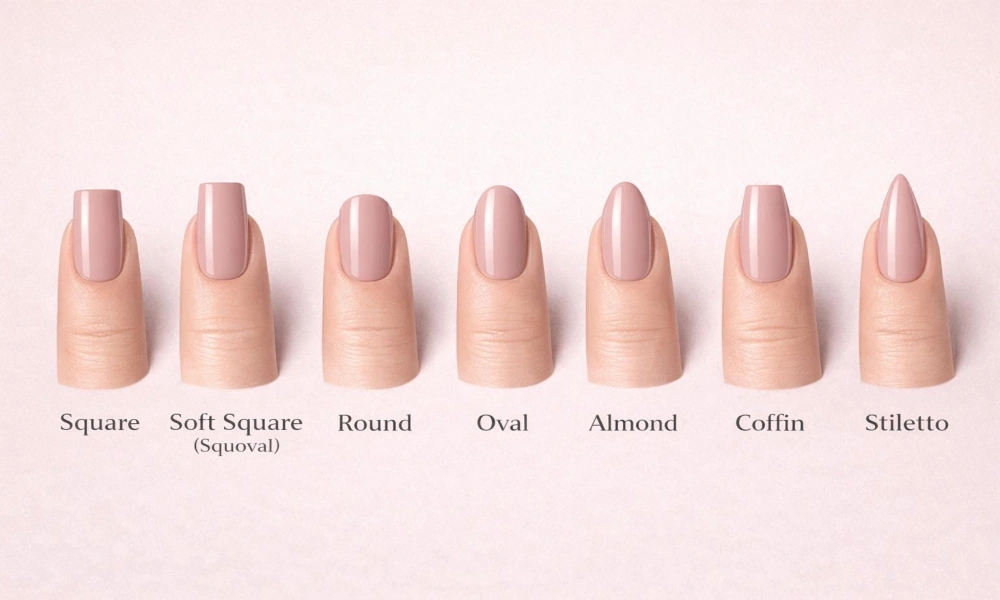
The right shape depends on your natural nail width, the length you want, and how you use your hands.
Almond Nails
Almond nails taper along both sides and finish with a soft, rounded point. They create an elongated look, but the sides need enough length to form the shape.
This can be a good option if you prefer a softer pointed appearance.
Coffin or Ballerina Nails
Coffin nails taper toward the tip and finish with a flat edge. They are popular on longer natural nails and extensions. The flat tip can catch on objects, so keep the edges smooth and avoid choosing more length than you can comfortably manage.
Stiletto Nails
Stiletto nails have sharply tapered sides and a pointed tip. They create a dramatic look, but the point can be vulnerable to knocks and everyday pressure. If you like this shape, explore our stiletto nails guide before choosing your length.
Square Nails
Square nails have straight sides and a flat tip. They can look neat and balanced, especially at short or medium lengths. Long square nails may need more attention to their corners because sharp edges can catch on clothing and other surfaces.
A useful rule: Choose a shape you can maintain without changing how you use your hands throughout the day.
How to Live Comfortably With Long Nails

Growing long nails is only half the job. You also need to adjust a few daily habits so the length does not become a problem.
Typing and Using a Phone
Use your finger pads instead of striking keys with the nail tips. If your nails are very long, you may need to change your hand position slightly. For phone screens, use the soft part of your finger rather than pressing with the nail edge.
Opening Packages and Containers
Do not use your nail tips to lift tabs, open cans, or pull apart packaging. Use scissors, a package opener, or another suitable tool. This is especially important when one nail already has a small crack.
Washing and Cleaning
Wear gloves during dishwashing and household cleaning. Afterward, dry your hands and apply moisturizer. Long nails can collect dirt underneath, so clean them gently with soap and water. A soft nail brush can help remove visible buildup. Do not scrape aggressively under the free edge.
Sleeping and Getting Dressed
Check for rough edges before bed. A snag can catch on bedding, clothing, or hair. If a nail catches repeatedly, smooth the edge rather than pulling at it.
Working and Exercising
Some jobs and sports are not suited to very long nails. Gloves, equipment, and repeated hand contact can put pressure on the free edge. If your work involves food preparation, healthcare, or frequent hand contact, check the hygiene and nail-length rules that apply to your workplace.
Natural Long Nails or Nail Enhancements?

Natural growth is the simplest route if you want to avoid enhancement products and removal appointments. However, it takes patience, and your natural nails may not reach your preferred length without breaking.
Enhancements can give you length or a more protected surface sooner. They also come with extra upkeep and possible damage.
| Option | What it does | Main trade-off |
|---|---|---|
| Natural nails | Uses your own nail length | Takes time and needs consistent care |
| Gel overlay | Adds a coating over your natural nails | Removal and repeated use can cause brittleness or peeling |
| Dip powder | Adds a hard powder-and-resin coating | Removal requires care and may thin the nail |
| Acrylic | Builds length and structure | Requires regular maintenance and careful removal |
| Press-on nails | Adds temporary length with ready-made tips | Poor application or forced removal can damage nails |
Gel Overlay
A gel overlay adds a coating to your natural nail. It can help protect the visible surface while you grow your own length, but it does not make the nail grow faster. Gel products can cause brittleness, peeling, or cracking, especially when they are picked off or removed roughly. Ask for a soak-off system and follow proper removal instructions.
Read more about gel nails if you want to understand this option.
Dip Powder Nails
Dip powder uses a bonding product and colored powder to create a firm coating. The American Academy of Dermatology says dip manicures can remain chip-free for up to four weeks, although actual wear varies.
The removal process can be tough on natural nails because it often involves acetone. Ask the salon not to dip your fingers into a shared powder container. The technician can use a separate disposable container or sprinkle the powder onto your nails instead.
The AAD also recommends checking your bare nails between manicures and giving them time to recover if you notice changes.
Acrylic Nails
Acrylic can create length that your natural nails may not be able to support yet. However, the application and removal process can be hard on the natural nail. Acrylics often need maintenance appointments every two to three weeks as the natural nail grows. Repeated filing, fills, and removal can leave nails thin or brittle.
If you choose acrylics, use a qualified technician and never pull or force the product off.
Press-On Nails
Press-ons are a temporary way to add length without committing to a salon enhancement. Some use adhesive tabs, while others use nail glue. They are not automatically damage-free. Poor fit, trapped moisture, glue reactions, and rough removal can cause problems. Choose the correct size, follow the product instructions, and remove each nail gently. Never rip a press-on away from your natural nail.
When Should You Get a Nail Problem Checked?
A broken nail is usually a simple grooming issue. However, persistent changes should not be hidden under polish or an enhancement.
Pay attention to:
- Nail lifting or separation from the skin underneath
- Persistent white, yellow, green, or dark discoloration
- Swelling or redness around the nail
- Pain, tenderness, or discharge
- Repeated splitting in the same area
- Unusual thickening or changes in nail shape
If you notice persistent white spots on nails, discoloration, or lifting alongside breakage, consider seeing a dermatologist. These changes can have different causes, so it is better to identify the problem than cover it up.
Expert Tips for Growing Long Nails
Growth is slow, so every habit that prevents a break has real value.
- Photograph your nails monthly: Daily changes are difficult to notice. Monthly pictures make progress easier to track.
- Keep a file nearby: Store one in your bag and another at your desk. Smooth a snag before it turns into a split.
- Shorten the set when one nail breaks: If one nail loses a lot of length, consider filing the others to a more balanced shape.
- Check your bare nails between manicures: Look for discoloration, lifting, thinning, or changes before applying another product.
- Choose a realistic length: Pick the longest length your normal week can support, not the length you could manage only on a quiet week.
Frequently Asked Questions
How long does it take to grow long nails?
Fingernails grow about 3.5 mm per month on average. A small amount of new free edge may take a few weeks, while noticeably long natural nails can take several months. Your results depend on your growth rate and how often your nails break.
What is the best nail shape for long nails?
Almond and coffin shapes are popular for longer nails. Stiletto creates a sharper, more dramatic look, while square nails offer a straight tip. The best choice depends on your nail width, preferred appearance, and daily activities.
Do press-ons damage natural nails?
They can cause damage if they are poorly fitted, left on when moisture gets trapped, or removed by force. Apply them according to the instructions and loosen them gently before removal. Stop using them if you notice pain, swelling, or a skin reaction.
Why do my nails break at a certain length?
Your nails may reach a point where everyday pressure causes the free edge to crack. Typing, cleaning, opening packages, and repeated water exposure can all contribute. Smooth the edges, wear gloves during wet work, and avoid using your nails as tools.
How often should I trim long nails?
You do not need to cut them every week if you want to keep the length. Check the edges regularly and file away snags when they appear. If you want to shorten them, reduce the length gradually instead of making one large cut.
Does cuticle oil make nails grow faster?
No. Cuticle oil does not directly speed up nail growth. It helps moisturize the nail edges and surrounding skin, which can support a more consistent nail-care routine.
Can I keep long nails if I work with my hands?
Yes, but you may need to choose a shorter length. Wear suitable gloves for cleaning and manual work, use tools instead of nail tips, and shorten any nail that repeatedly catches or cracks.
Final Thoughts
Choose a length that fits your daily routine, then pay attention to where your nails usually take damage. Start with cuticle oil, wear gloves during wet work, and keep a file nearby. These small habits can help you hold on to more of the length your nails naturally grow.
If you want extra length for an event, compare enhancement options before booking. Ask how the product is applied, how it will be removed, and what aftercare it needs. Long nails should fit your life, not make ordinary tasks harder.
Disclaimer: This article is for general educational purposes and is not a substitute for medical advice. If you notice persistent nail discoloration, pain, swelling, lifting, or unusual changes, consult a qualified healthcare professional.








