



Small white spots on nails are often harmless. They commonly appear after minor nail injuries, such as bumping a finger, biting your nails, or having an aggressive manicure. These marks usually grow out as the nail grows.
However, not every white nail change has the same cause. Nail products, allergic reactions, fungal infections, and certain medical conditions can also change nail color. The shape, location, and number of white marks can help explain what may be happening.
This guide covers the common causes, what actually helps, how long the spots take to disappear, and when to see a dermatologist.
Key Takeaways
- Small white spots on nails are usually caused by minor trauma.
- The medical name for these spots is punctate leukonychia.
- Calcium deficiency is not a well-supported explanation for ordinary white dots.
- Nail products, allergic reactions, and fungal infections can also cause white changes.
- Most trauma-related spots grow out naturally over several months.
- Gentle manicures, proper product removal, and avoiding nail picking help prevent further damage.
- Widespread whitening, persistent lines, or other nail changes should be checked by a dermatologist.
What Are White Spots on Nails Called?
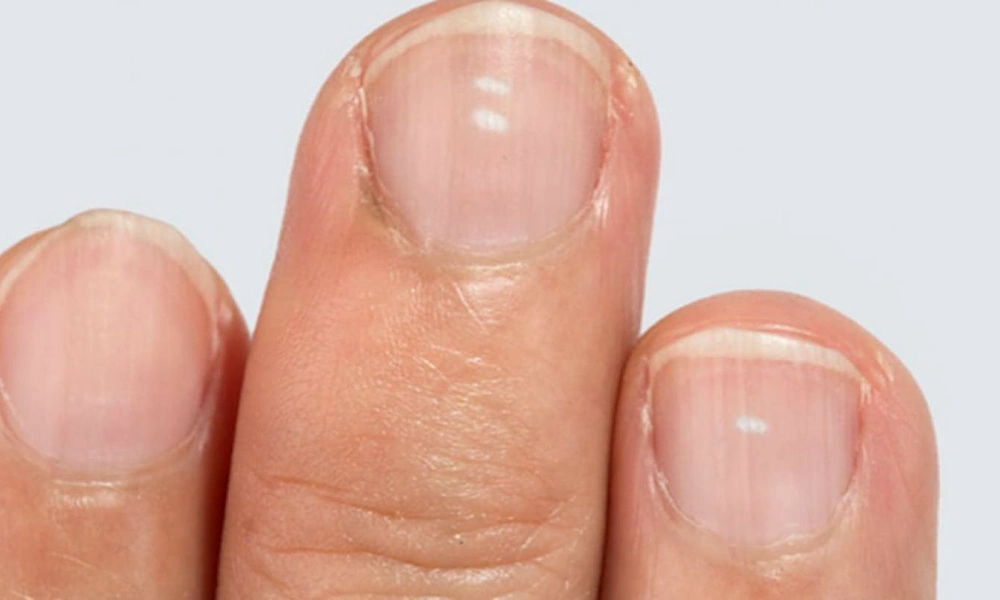
The medical term for white spots or white areas on nails is leukonychia. The name covers several types of nail whitening. The most common form is punctate leukonychia, which appears as small white dots on one or more nails.
These dots often develop after an injury to the nail matrix. The nail matrix is the area under the skin near the base of your nail where new nail cells form. A small injury can affect how part of the nail develops, leaving a white mark as that section grows forward.
Other forms can look different. Some appear as white lines, while others affect a large part or even the entire nail. Their causes may also be different.
What Causes White Spots on Nails?
The cause depends on the appearance of the marks and what happened before they appeared. These are some of the main possibilities.
1. Minor Nail Injuries
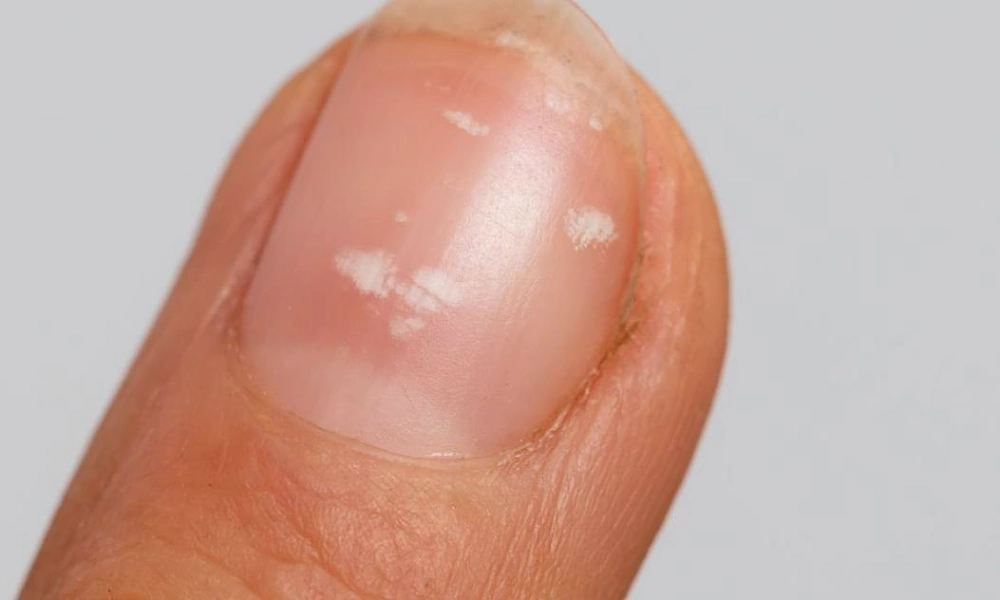
Minor trauma is one of the most common causes of small white dots. You may not remember the injury because it can be very small. Everyday activities can create enough pressure to affect the nail matrix.
Common examples include:
- Hitting your nail against a hard surface.
- Biting or picking your nails.
- Pressing your nails against objects repeatedly.
- Cutting or pushing back cuticles too aggressively.
- Filing or buffing the nail with too much pressure.
- Wearing shoes that press against your toenails.
The white mark may not appear immediately. It can become visible later as the affected part of the nail grows out.
2. Nail Polish and Artificial Nail Products

Frequent manicures can sometimes damage the surface of your nails. Aggressive filing, repeated buffing, strong removers, and rough removal of artificial nails can affect the outer nail layers. This may create white, dry-looking patches rather than the small white dots caused by an injury to the nail matrix.
Some nail products can also trigger allergic reactions. Nail polish, hardeners, artificial nail materials, and adhesives may be involved.
If you regularly wear extensions, read our fake nails guide to understand the different types of artificial nails and their care needs.
3. Fungal Nail Infections
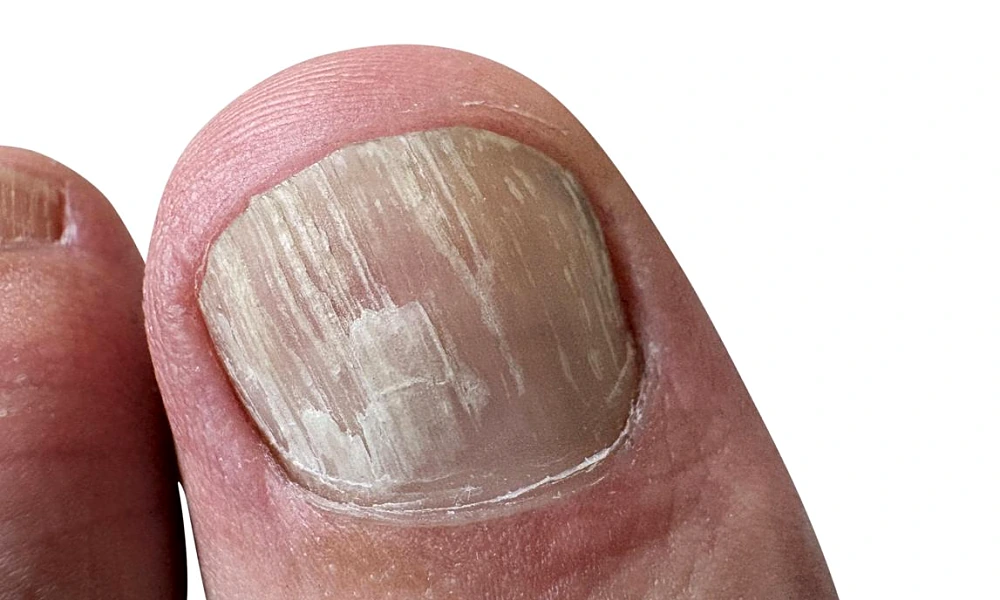
Some fungal infections can create white patches on the nail surface. One type is called superficial white onychomycosis. Unlike a single small dot from an injury, fungal changes may spread across the nail. The affected area can become rough, powdery, flaky, or crumbly.
Other signs can include:
- White patches that gradually become larger.
- A rough or uneven nail surface.
- Nail thickening.
- Changes in nail shape.
- Crumbling or separation from the nail bed.
A fungal infection needs the correct diagnosis and treatment. Do not assume every white patch is fungus or start using antifungal products without checking the cause.
4. Allergic Reactions to Nail Products
Some people develop reactions to ingredients in nail products, including artificial nail materials and adhesives. An allergic reaction may affect the skin around the nails. You might notice itching, redness, swelling, irritation, or nail changes. If a new product seems to trigger a reaction, stop using it and seek medical advice. Avoid testing the same product again to see whether the reaction returns.
5. Certain Medicines and Medical Conditions
Less commonly, white nail changes can be linked to medicines or health conditions.
For example, some chemotherapy medicines and certain antibiotics have been associated with white nail lines. Some medical conditions can also cause changes that affect large parts of the nail or create horizontal bands.
These patterns are different from the usual isolated white dots. If several nails develop unusual white lines or widespread whitening, a healthcare professional should assess them.
Are White Spots on Nails a Sign of Calcium or Zinc Deficiency?
Usually, no.
The common belief that small white nail dots mean you need more calcium is not supported by strong evidence. Research on leukonychia explains that the usual small spots are more commonly linked to minor trauma than reduced calcium or iron levels.
Zinc deficiency is also not a proven explanation for ordinary isolated white dots.
This does not mean nutrition is unimportant for nail health. It means that a few white spots alone cannot tell you whether you have a nutrient deficiency.
Avoid taking calcium, zinc, or other supplements just to remove white spots. If you have other symptoms or concerns about your diet, speak with a healthcare professional before starting supplements.
How Long Do White Spots on Nails Take to Go Away?
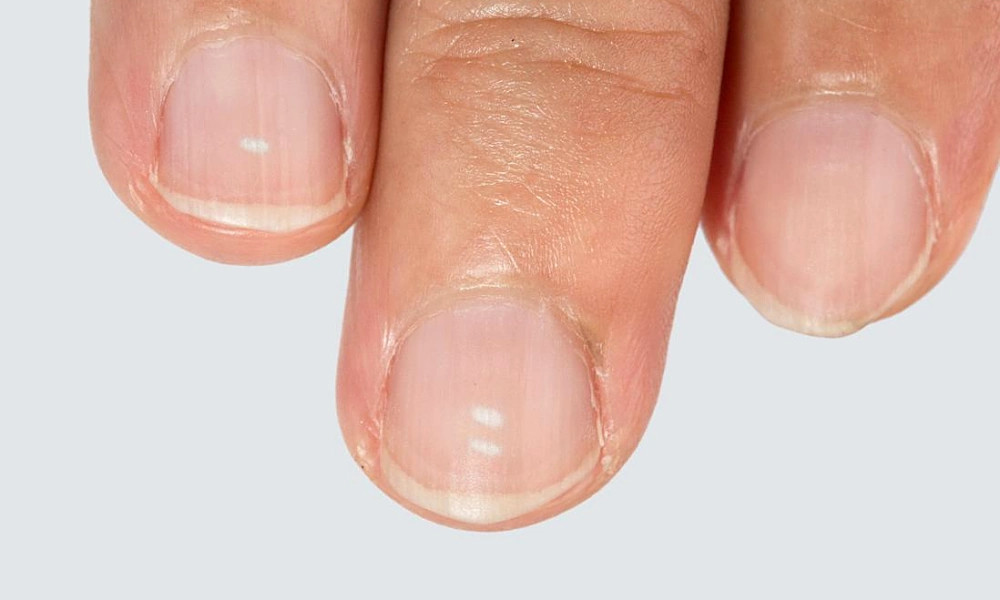
White spots caused by minor trauma usually disappear as the affected nail grows forward. There is no cream or polish that can make the mark disappear immediately. Fingernails typically take around six to nine months to grow out fully. Toenails grow more slowly and may take around 12 to 18 months.
The position of the spot affects how long you notice it. A mark close to the tip may disappear sooner when you trim your nail. A spot near the base may take longer to reach the free edge. You can track its progress by checking whether it gradually moves toward the tip as the nail grows.
What Helps White Spots on Nails?
The right approach depends on the cause. If the spots come from minor trauma, patience and gentle nail care are usually enough.
1. Let the Spots Grow Out
Do not scrape, peel, or aggressively buff the white area. The mark is part of the nail plate, and trying to remove it can make the surface thinner or more damaged. Keep your nails at a comfortable length and trim the affected section when it reaches the edge.
2. Take a Break from Nail Products
If the spots appeared after repeated manicures or artificial nail removal, consider taking a break from polish, extensions, and other products. This gives you time to observe the natural nail surface without repeated filing or product exposure.
If you suspect an allergic reaction, simply taking a short break may not be enough. Stop the suspected product and get medical advice.
3. Moisturize Your Nails and Cuticles
Use a hand cream or nail moisturizer regularly. Cuticle oil can also help keep the surrounding skin comfortable. Moisturizing does not erase existing white spots, but it supports a gentler nail-care routine and can help reduce dryness.
For more everyday care advice, see our natural nails guide.
4. Cover the Spots Only If You Want To
You can use regular nail polish to cover small white marks if you prefer a more even appearance. A neutral shade, such as a soft nude or sheer pink, can make the nail look more uniform. However, polish is only cosmetic. It does not treat the cause.
Avoid covering nails that look infected, painful, or unusually damaged without first getting them checked.
5. Treat the Actual Cause
If a fungal infection is responsible, a healthcare professional can recommend the right antifungal treatment. If an allergic reaction is involved, you may need to stop the product causing it. If a medicine or medical condition is suspected, your healthcare professional can review your symptoms and treatment history.
The important point is to treat the cause rather than trying random nail remedies.
Prevention Habits That Actually Help
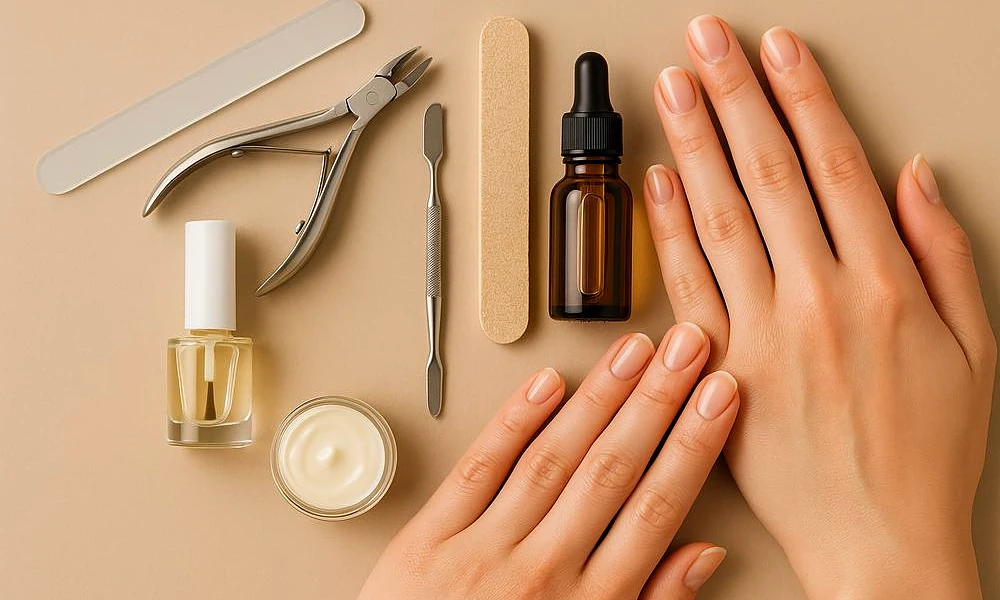
Preventing white spots is mostly about avoiding unnecessary pressure and damage.
- File gently: Use a nail file instead of sawing aggressively back and forth.
- Avoid aggressive cuticle work: Do not cut or forcefully push back the cuticles. Ask your nail technician to use a gentle approach.
- Stop biting and picking: These habits can repeatedly injure the nail plate and the area where the nail grows.
- Use gloves for cleaning: Cleaning products and prolonged contact with water can irritate or dry the skin around your nails.
- Remove enhancements properly: Do not peel off gel, acrylic, or other artificial nail products. Follow the correct removal method. Our guide explains how to remove acrylic nails safely.
- Avoid excessive buffing: Repeatedly thinning the nail surface can create additional damage.
- Keep nails at a practical length: Shorter nails may be easier to protect from everyday knocks and pressure.
A base coat can help prevent some polish-related discoloration, but it does not prevent every type of white spot. Gentle application and removal matter more.
Expert Tips: Keeping Nails Healthy
A few small habits can make your nail-care routine gentler.
- Moisturize daily: Apply hand cream and cuticle moisturizer to reduce dryness.
- Choose gentle manicures: Tell your nail technician that you do not want aggressive filing, drilling, or cuticle cutting.
- Avoid picking at white marks: The spots usually grow out. Scraping them can create more damage.
- Use protective gloves: Wear gloves when handling cleaning products or doing tasks that expose your hands to harsh substances.
- Give damaged nails a break: If your nails feel thin, rough, or sore after enhancements, pause artificial nail services until they recover.
When Should You See a Dermatologist?
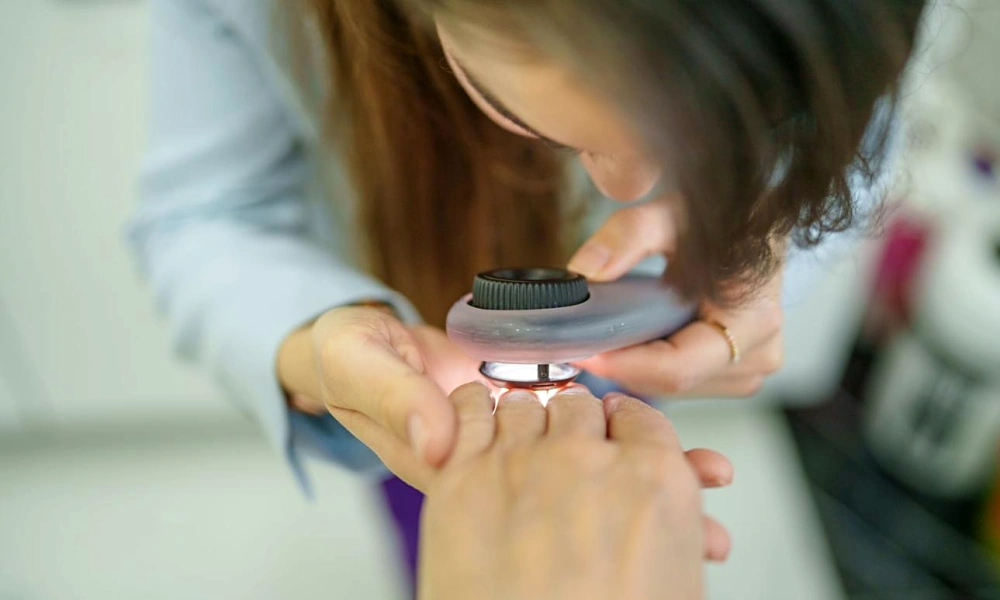
A few small white dots after a minor knock usually do not require urgent treatment. However, some nail changes deserve professional attention.
Arrange an appointment with a dermatologist if:
- Most or all of a nail turns white.
- White lines appear across several nails.
- White areas keep spreading or returning without a clear reason.
- The nail becomes thick, rough, crumbly, or detached.
- You notice pain, swelling, redness, or irritation around the nail.
- Several nails change color or texture at the same time.
- You also have other unexplained symptoms.
Some patterns of nail whitening can be associated with medical conditions or medication effects. A dermatologist can examine the nail and decide whether further tests are needed.
The American Academy of Dermatology’s guide to nail changes explains which changes deserve a professional examination.
Frequently Asked Questions
What causes white spots on nails?
Small white dots most often follow minor trauma to the nail matrix. Bumps, nail biting, picking, and aggressive manicures can cause them. Nail products, allergies, and fungal infections can also create white areas.
Are white spots on nails a sign of calcium deficiency?
Usually not. The common small white dots are not strongly linked to calcium deficiency. Minor nail trauma is a much more common explanation.
How long do white spots take to disappear?
Trauma-related spots grow out with the nail. Fingernails may take around six to nine months to grow out fully, while toenails can take around 12 to 18 months.
Can gel manicures cause white spots?
They can contribute to nail changes through aggressive filing, product removal, or allergic reactions. Peeling off gel or other enhancements can also damage the nail surface. Proper application and removal help reduce these risks.
Can I remove white spots with nail polish?
No. Polish can cover the marks, but it cannot remove them or treat their cause. Trauma-related spots disappear as the nail grows.
Should I take supplements for white spots on nails?
Not unless a healthcare professional identifies a deficiency or recommends a supplement for another reason. Isolated white dots do not prove that you lack calcium, zinc, or another nutrient.
Final Thoughts
White spots on nails usually need patience rather than a special treatment. Small dots often follow minor injuries and gradually move toward the nail tip as the nail grows.
Focus on gentle filing, careful manicure habits, and proper removal of artificial nail products. Avoid taking supplements just because you notice a few white marks.
If the whitening spreads, affects most of the nail, or appears with other changes, arrange a medical examination. A dermatologist can help identify the cause and recommend the right treatment.
Disclaimer: This article is for general information and does not replace medical advice, diagnosis, or treatment. Nail changes can have different causes. Consult a qualified healthcare professional if you have persistent, spreading, painful, or unusual nail changes.








