What if the hardest part of finding great sopa de maní near you has nothing to do with the soup at all? It’s the search itself. You type “sopa de maní near me” into a map app, get a shrug of unrelated results, and end up at a generic Latin American spot serving something that tastes like peanut butter thinned with broth. The dish deserves better, and so do you.
Sopa de maní is a Bolivian peanut soup, closely tied to Cochabamba, built on ground roasted peanuts, potato, beef or chicken, noodles or rice, and often peas and carrot. It is hearty, nutty, faintly sweet, and deeply savory all at once. Outside Bolivia it is niche, which means finding a good bowl takes a little strategy. This guide walks through the search tactics that actually work, the menu clues that separate a real version from a shortcut, and the mistakes that send people to the wrong restaurant.
Why “Near Me” Searches Fail for This Dish
The first problem is language. “Maní” is Spanish for peanut, so the dish name is Spanish. English-language searches for it mostly return Spanish-language pages, translated menu scraps, and recipe blogs, not local restaurant listings. Search engines also struggle with accents and diacritics, so “mani” and “maní” can return different results entirely.
The second problem is scale. Because the dish is niche outside Bolivia, a generic “near me” query has very little local inventory to draw from. The search engine fills the gap with whatever is nearby and loosely related: taco shops, pupuserías, maybe a Peruvian restaurant. None of those are wrong to eat at, but none of them are a reliable source of sopa de maní.
The fix is to stop searching for the dish and start searching for the community that cooks it. Bolivian restaurants exist in several large cities outside Bolivia, including in the United States, Spain, and Argentina, and those are the most likely places to find the dish abroad. Search for “Bolivian restaurant” plus your city, and you’ll get a far more useful list than any “near me” query will produce.
The Search Strategy That Actually Works
Search in Spanish, Then in English
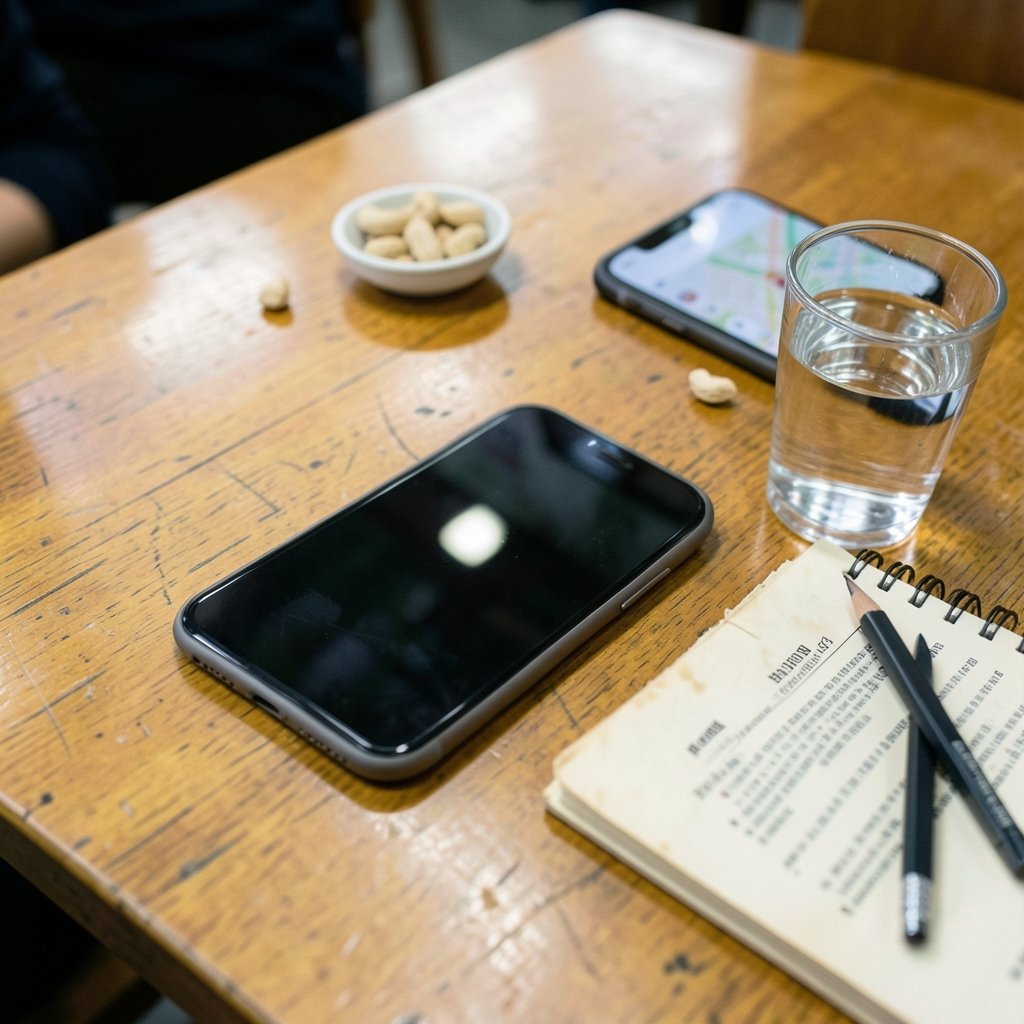
Try “sopa de maní cerca de mí” first. Then try “restaurante boliviano” plus your neighborhood or city name. Spanish-language queries reach the businesses that describe themselves in Spanish, which is most of them. Follow up with English queries to catch places that market to a broader audience. Running both takes two minutes and roughly doubles your coverage.
Use Cuisine Tags, Not Dish Names
Most mapping apps let you filter by cuisine. “Bolivian” is the tag you want. If that returns nothing, widen to “South American” and “Latin American,” then check each menu by hand for the dish. This is slower than a single search, but it’s the difference between a real lead and a dead end.
Check the Menu, Not the Photos
A restaurant’s own menu page is the most reliable signal. Look for the exact phrase “sopa de maní” or “sopa de mani.” If it appears, you’ve found a candidate. If the menu only lists “peanut soup” in English, treat it as a maybe until you read the description. Photos help, but a thick brown soup in a bowl could be a dozen different dishes. If you research before you commit, apply the same discipline you’d use when figuring out how to choose a clinic for laser hair removal near me: verify the provider, not the listing alone.
Call Ahead and Ask One Question
A phone call resolves more uncertainty than any review. Ask a single, specific question: “Do you serve sopa de maní, and is it available today?” Soups are often daily specials, so availability changes. Asking also tells you whether the staff know the dish by name, which is a good sign in itself.
What a Good Bowl Should Taste Like
A proper sopa de maní is not a peanut sauce. It’s a soup, and the peanut is the backbone, not the whole story. Here’s what to expect and what to watch for.
| Element | What Good Looks Like | Warning Sign |
|---|---|---|
| Base | Ground roasted peanuts, savory and toasted | Raw or sweet peanut-butter flavor |
| Body | Thick but spoonable, sometimes blended smooth | Gluey, pasty, or watery and thin |
| Protein | Beef or chicken, tender and shredded or cubed | Rubbery or barely present |
| Starch | Potato, plus noodles or rice | Overloaded with filler, light on peanut |
| Vegetables | Peas and carrot, sometimes added late | Grey, overcooked, mushy vegetables |
| Heat | Optional locoto or chili on the side | Aggressive heat masking the peanut |
| Garnish | Fresh herbs, sometimes a lime wedge | Nothing fresh at all |
Recipes vary by region and household. Some versions are thin broths, others thick and blended. Some include locoto, a Bolivian chili, or papas in different forms. That variation is real, so don’t reject a bowl just because it looks different from the last one you had. Judge it on balance: toasted peanut flavor, savory depth, and a texture that holds together on the spoon.
Common Mistakes People Make
Searching only in English. This is the single biggest mistake. The dish name is Spanish, and the businesses that serve it often describe themselves in Spanish. Skipping Spanish queries cuts your candidate list roughly in half.
Trusting a photo over a menu. A brown soup in a bowl proves nothing. Menus name dishes; photos only suggest them. Always confirm the name in writing or by phone.
Assuming every Latin American restaurant serves it. Bolivian, Peruvian, Argentine, and Mexican cuisines are distinct. A Peruvian restaurant may serve wonderful food and still not have sopa de maní on the menu. Check the cuisine first.
Ignoring the daily special board. Soup is often a lunch special rather than a permanent menu item. A restaurant that “doesn’t have it” at 7 p.m. may serve it every day at noon. Ask about the lunch schedule.
Overlooking bakeries and markets. Bolivian bakeries and Latin American groceries sometimes run small hot-food counters. These are easy to miss in map searches because they aren’t tagged as restaurants. If you’re already hunting for specialty food shops, the same approach that helps you find a good Chinese restaurant fast applies: look past the obvious listings and check the smaller, community-facing spots.
Not asking about peanuts. This one matters most. Peanuts are a major food allergen, and anyone with a peanut allergy should avoid the dish entirely. If you’re dining with someone who has an allergy, call ahead and ask how the kitchen handles cross-contact. A good restaurant will answer clearly. A vague answer is your answer.
How to Judge a Restaurant Before You Go
Reviews are useful, but only if you read them for the right signals. Search the review text for the dish name. A single mention of “sopa de maní” from a reviewer who clearly knows Bolivian food is worth more than fifty generic five-star ratings. Look for reviews that mention specific dishes, lunch specials, or a home-style menu.
Also check the hours. Many Bolivian restaurants keep lunch-focused schedules, closing mid-afternoon and reopening for a shorter dinner service. Showing up at 4 p.m. to an empty dining room tells you nothing about the food.
Finally, look at how long the place has been open and whether the menu has changed. A stable menu with a stable dish is a better bet than a rotating concept that lists sopa de maní one month and drops it the next. If the restaurant has a social media page, scroll back a few months and look for the soup. Regular posts about it are a strong signal.
If You Can’t Find It, Cook It
Sometimes the nearest good bowl is your own kitchen. The dish is forgiving, and the ingredient list is short. Ground roasted peanuts do most of the work. Beef or chicken, potato, noodles or rice, peas, carrot, onion, garlic, cumin, and a good stock will get you most of the way there.
A few practical notes from the kitchen side. Use roasted, unsalted peanuts and grind them finely, but stop before they turn into paste. Toast the ground peanuts briefly in the pot before adding liquid; this deepens the flavor and removes the raw edge. Add the starch late so it doesn’t disintegrate. And keep locoto or another chili on the side rather than in the pot, so each person can adjust the heat.
Ingredient sourcing is the real hurdle. Ground roasted peanuts, ají amarillo or locoto, and chuño in some versions may require a Latin American grocery. Substitution guidance varies by recipe, so pick one recipe and follow it before improvising. If you enjoy the ritual of a well-planned outing, treat the shopping trip the way you’d plan a beauty appointment: a little research on where to go pays off. The same instinct behind browsing manicure ideas before a salon visit, or comparing a deluxe manicure against a premium manicure, applies to sourcing specialty ingredients. Know what you want, then find the place that does it well.
A Quick Checklist for Your Search
Before you leave the house, run through this list:
- Search “restaurante boliviano” plus your city in Spanish.
- Repeat in English with “Bolivian restaurant near me.”
- Filter map results by Bolivian or South American cuisine.
- Open each candidate’s menu and search for the exact dish name.
- Read two or three reviews that mention specific dishes.
- Call and confirm availability, especially at lunch.
- Ask about peanut handling if anyone in your group has an allergy.
That sequence takes about fifteen minutes and will save you a wasted evening. It also works when you travel. The dish is niche, so the same handful of signals point to the same handful of good kitchens in almost any city with a Bolivian community.
Conclusion
Finding the best sopa de maní near you is less about luck and more about searching like someone who knows the dish. Search in Spanish, filter by Bolivian cuisine, read menus instead of photos, and call ahead to confirm. Judge the bowl on toasted peanut flavor, savory depth, and texture, not on how photogenic it looks. And take peanut allergies seriously, every time. Do those things and the “near me” problem mostly solves itself. The soup has been around for generations in Cochabamba; the least we can do is search for it properly.
Frequently Asked Questions
What is sopa de maní?
Sopa de maní is a Bolivian peanut soup, most associated with Cochabamba. It’s made from ground roasted peanuts, potato, beef or chicken, noodles or rice, and often peas and carrot. The flavor is nutty, savory, and slightly sweet, with a thick, spoonable texture.
Why can’t I find sopa de maní near me?
The dish is niche outside Bolivia, so local search results are thin. The name is Spanish, so English-only searches miss most listings. Search in Spanish for “sopa de maní cerca de mí,” look for Bolivian restaurants by cuisine tag, and check lunch specials, where the soup often appears.
Is sopa de maní safe for people with peanut allergies?
No. Peanuts are a major food allergen, and anyone with a peanut allergy should avoid the dish. If you’re dining with someone who has an allergy, call the restaurant ahead and ask how the kitchen handles cross-contact, and take any vague answer as a reason to choose somewhere else.
What does a good sopa de maní taste like?
It should taste like toasted peanuts, not peanut butter. Expect a savory, slightly sweet base with tender meat, soft potato, and noodles or rice. Recipes vary by region and household, so some bowls are thin broths and others are thick and blended. Judge it on balance and texture.
Can I make sopa de maní at home?
Yes. The ingredient list is short: ground roasted peanuts, beef or chicken, potato, noodles or rice, peas, carrot, onion, garlic, cumin, and stock. Toast the ground peanuts briefly before adding liquid, add the starch late, and serve chili on the side. Specialty ingredients may require a Latin American grocery.
How do I know if a restaurant serves real sopa de maní?
Check the menu for the exact dish name rather than relying on photos. Read reviews that mention specific dishes, confirm availability by phone, and look for a stable menu. A restaurant that knows the dish by name and serves it regularly is a better bet than one that lists it vaguely.