

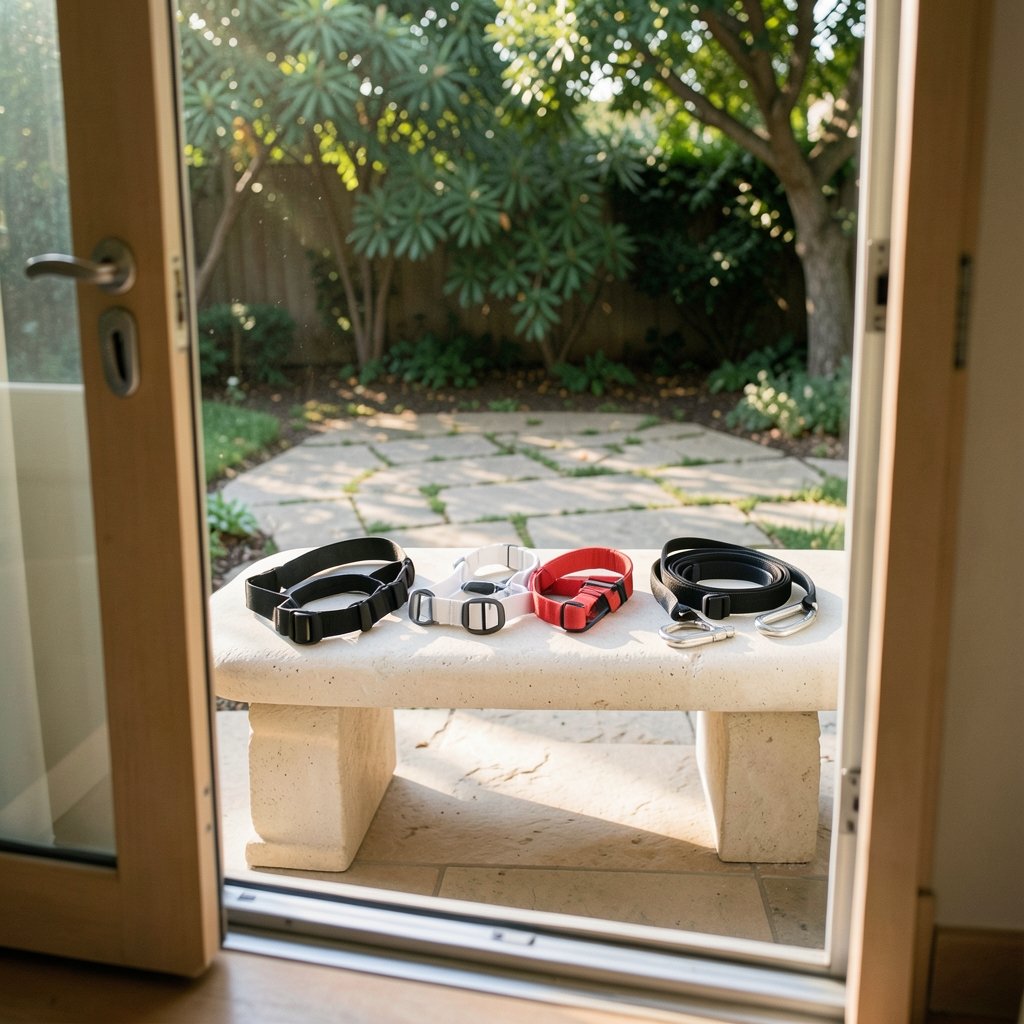
What if the most important piece of gear you buy for your dog is also the one most people get wrong? Walk through any park and you will see body straps that slide sideways, rub behind the front legs, or hang so loose the dog could back right out of them. The product itself is rarely the problem. The problem is matching the design to the dog and the job. Gear for hiking is not gear for car travel, and a no-pull design is not built for a senior dog with sore joints. The sections below break down what separates a good walking rig from a bad one, which features matter for which dogs, and the mistakes that show up again and again. (Spot treat dehydrated dog before it turns serious)
Why a Chest-Strap Walking Rig Beats a Collar for Most Dogs
A collar puts pressure on the neck. That is fine for a calm dog carrying an ID tag, but it becomes a real concern for a dog that pulls. Pressure on the throat and neck is linked to eye and throat injuries in dogs that lunge against a lead, which is why veterinary and behavior organizations generally steer owners toward body harnesses for strong pullers. (Can dogs eat raspberries safe feeding guide dog owners)
A chest-strap walking rig spreads force across the chest and shoulders instead. That distribution is the whole point. It also means the product has to sit correctly, because a poorly fitted one simply moves the pressure to a different bad spot, usually the armpit or the point of the shoulder.
There is a second reason chest-strap walking gear has become the default: it is harder to slip. A dog that panics can back out of a collar in seconds. A well-fitted rig with a belly strap makes that escape far more difficult.
The Four Main Types of Dog Walking Gear
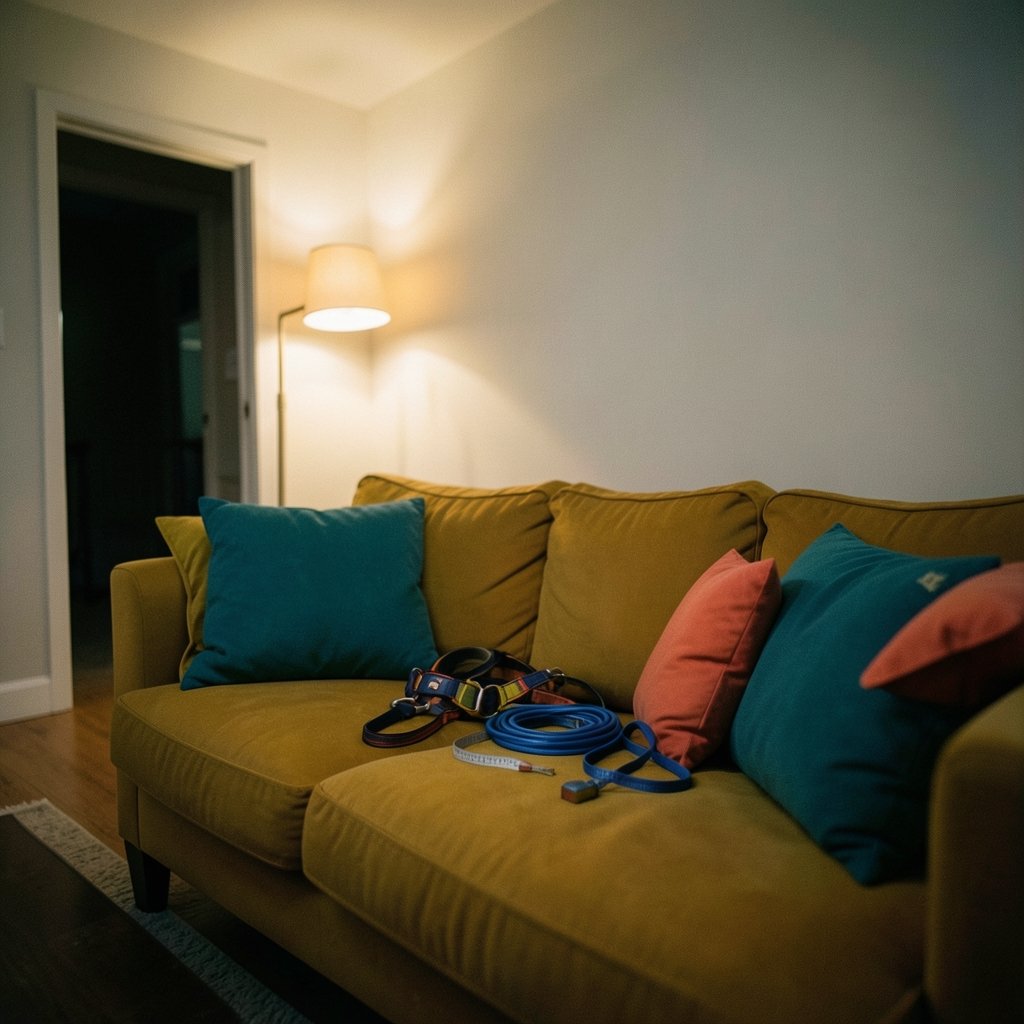
Most harnesses on the market fall into one of four categories. Each solves a different problem, and buying the wrong category is the single most common mistake owners make.
| Type | Best for | Main weakness |
|---|---|---|
| Back-clip (standard) | Calm dogs, casual walks, small breeds | Encourages pulling in strong dogs |
| Front-clip (no-pull) | Dogs that lunge or pull hard | Can twist sideways without a snug fit |
| Step-in / vest | Small dogs, dogs that dislike overhead straps | Less control over strong pullers |
| Car / crash-tested | Travel and restraint in vehicles | Not designed for everyday walking comfort |
Back-Clip Harnesses
The classic design. The leash attaches on the dog’s back, between the shoulders. These are comfortable and easy to put on, and they work well for dogs that already walk politely. For a determined puller, though, a back clip gives the dog something to lean into, and pulling can actually get worse. (Tosa inu japanese fighting dog that baffles most owners)
Front-Clip No-Pull Harnesses
The leash attaches at the chest. When the dog surges forward, the handler’s pressure turns the dog gently back toward the walker instead of pulling against the throat. This is redirection, not punishment, which is why trainers favor it over choke or prong collars. The catch is fit: a front-clip model that is too loose will slide around the chest and rub. It needs to sit snug and high on the chest, never down over the shoulder joint.
Step-In and Vest Harnesses
These are shaped like a small vest with holes for the front legs. They suit small breeds, dogs that panic when a walking rig goes over their head, and owners who want something quick to put on. The trade-off is usually less adjustment range, so sizing has to be precise.
Car and Crash-Tested Harnesses
Car restraint is a separate job with a separate standard. There is no single universal federal standard for pet car restraints in the United States, and independent crash testing is done by organizations rather than regulators. Walking gear is not a crash-tested car restraint, no matter how sturdy it feels. If a dog rides in the car regularly, that deserves its own product decision.
How to Measure a Dog for Walking Gear
Chest girth is the number that matters most. Wrap a soft tape measure around the widest part of the dog’s ribcage, just behind the front legs. That measurement, not weight or breed, is what most sizing charts use. Neck circumference is secondary and mostly relevant for step-in styles.
A few practical notes from people who fit harnesses for a living:
- Measure a standing dog, not a sitting one, and keep the tape snug but not tight.
- Measure twice. A half-inch error is enough to land between sizes.
- Weigh the dog’s coat. A thick winter coat can push a dog up a size, and a summer clip can drop it back down.
- Re-measure senior dogs every few months, since muscle loss along the spine changes the fit.
When a dog lands between two sizes, most manufacturers advise sizing up and using the adjustment straps, but check the specific brand’s guidance, because some run large.
Fit Checks That Catch Problems Early
Two fingers should slide under every strap without force. That is the baseline test, but it is not the whole picture. Run through these checks before the tags come off:
- Shoulder clearance. The front strap should sit in front of or clear of the shoulder joint, not across it. Watch the dog walk and trot. If the shoulder blade’s motion is visibly restricted, the walking rig is wrong.
- Armpit rub. Slide a hand under the chest strap at the armpit. Any bunching or folding of fabric there will turn into a sore within a few long walks.
- Escape test. With the dog on a leash in a safe enclosed space, apply gentle backward pressure. The gear should not slide over the head or slip off one shoulder.
- Range of motion. Watch for a shortened stride, a hitch in the gait, or a dog that suddenly refuses to trot. These are signs the rig is interfering with movement.
- Pressure points. Check the sternum and the base of the neck for redness after the first few wears.
Owners often make the mistake of judging fit while the dog stands still in the living room. Dogs move differently on a walk, and a walking rig that looks fine standing can rub badly at a trot. Do the real test outside.
Matching the Walking Gear to the Dog
Breed shape changes everything. A deep-chested dog like a sighthound needs a model with a long chest panel, or the front strap will cut across the shoulder. A barrel-chested breed needs a wider chest strap to spread load. Flat-faced breeds often do better with a step-in style that stays low on the body and away from the throat.
Age matters too. Puppies grow fast, so an adjustable rig with room to expand beats a perfect-fit model that lasts six weeks. Senior dogs with arthritis do better in a lightweight design with minimal strapping and a padded chest plate, and they may need help stepping into it.
Temperament is the third variable. A dog that is nervous about handling will tolerate a step-in style far better than one that has to be pulled over the head. A dog that is an escape artist needs a rig with a belly strap and at least four adjustment points.
Materials, Hardware, and the Details That Fail
Webbing quality varies more than the price tag suggests. Look for tightly woven nylon or polyester with clean, sealed edges. Loose, fuzzy webbing frays at the adjustment points first.
Hardware is where cheap harnesses fail. Plastic buckles are fine for small dogs, but large, strong dogs put serious load on side-release buckles during a lunge. Metal D-rings welded closed hold up better than split rings, which can bend open under load.
Padding sounds like a luxury until a dog wears walking gear for a three-hour hike. Padded chest plates and neoprene-lined straps reduce rub, but only if the padding sits where the pressure actually is. Padding in the wrong place just adds bulk.
One more detail worth checking: reflective stitching or trim. It costs little and makes a real difference on early morning and evening walks.
Waterproof and Adventure Harnesses
Dogs that swim, hike in wet climates, or work in mud need different materials. Nylon webbing soaks up water, gets heavy, and stays damp against the skin, which is a recipe for chafing. Waterproof coated webbing or bioThane-style straps shed water and wipe clean.
The same logic applies to leash choice, since the two work as a system. A waterproof leash paired with water-friendly walking gear makes cleanup a thirty-second job instead of an overnight drying session. If wet-weather gear is on the shopping list, it helps to know what you are actually buying before you commit.
Adventure harnesses also tend to add a handle over the back. That handle is genuinely useful for lifting a dog over a stile, into a boat, or out of trouble on rough ground.
When Gear Is Not the Whole Answer
A walking rig manages pulling. It does not train a dog to walk politely. Front-clip designs give the handler control while loose-leash skills are being taught, and trainers generally pair the two rather than relying on equipment alone.
Health issues can also masquerade as behavior problems. A dog that suddenly starts lagging, panting heavily, or refusing walks may have something going on beyond the walking gear. Dehydration is a common and easily missed cause of sluggishness on warm days, and it is worth knowing the early signs. Vomiting is another signal that deserves attention rather than a gear change, particularly when a dog brings up yellow bile, which can point to an empty stomach or an underlying issue that warrants a vet call.
Diet and body condition feed into fit as well. A dog carrying extra weight will measure larger and move differently, and the right food matters alongside the right walking rig. Owners researching nutrition often end up comparing formulas in detail, and it pays to know what is actually in the bag and who it suits.
Common Mistakes Owners Make
The same errors show up over and over:
- Buying by breed instead of measurement. Breed charts are a starting point, not a size.
- Leaving the walking rig on all day. This equipment is for walks. Constant wear causes rub spots, especially under the front legs.
- Skipping the break-in period. Short wears at home first, then longer walks, catches problems before they become sores.
- Ignoring washing instructions. Webbing can stretch or shrink in a hot wash, which quietly changes the fit.
- Assuming a snug rig is a cruel one. A model that shifts and twists is more uncomfortable than one that sits still.
- Retiring a rig too late. Frayed webbing, cracked buckles, and stretched straps are failure points. Inspect hardware monthly.
Conclusion
The best dog walking rig is not the most expensive one or the one with the most features. It is the one that matches the dog’s shape, age, temperament, and the job it is being asked to do, and then fits properly. Measure the chest, check shoulder clearance, test the fit while the dog is moving, and inspect the hardware regularly. Get those basics right and almost any well-made rig will do its job for years. Get them wrong and even a premium model becomes a source of rubs, escapes, and frustrating walks.
Frequently Asked Questions
How do I know if my dog’s walking rig fits properly?
Two fingers should fit under every strap, the front strap should clear the shoulder joint, and the dog should move with a full stride. Test it during a walk or trot, not while the dog is standing still, and check the armpits for redness after the first few wears.
Is a front-clip or back-clip design better?
It depends on the dog. Back-clip harnesses suit calm dogs and casual walks. Front-clip harnesses redirect forward motion and give the handler more control over dogs that pull, which is why trainers often recommend them during loose-leash training.
Can a dog wear a walking rig all day?
Most harnesses are designed for walks and outings, not constant wear. Leaving one on for hours increases the risk of rubbing and pressure sores, particularly under the front legs. Take it off when the dog is resting at home.
Are harnesses safer than collars for dogs that pull?
Generally, yes. A collar concentrates force on the neck and throat, while a chest-strap walking rig spreads it across the chest and shoulders. That is the main reason veterinary and behavior organizations favor this gear for dogs that lunge or pull against a leash.
How often should I replace a dog walking rig?
Inspect the rig monthly for frayed webbing, cracked buckles, and stretched straps, and replace it at the first sign of wear. Hardware and stitching are the usual failure points, and a walking rig that has survived a strong dog’s lunge deserves a close look.
Can I use regular walking gear in the car?
No. Walking harnesses are not built or tested for crash restraint, and car safety is a separate standard from walking comfort. Dogs that travel regularly should use a restraint designed and tested for vehicle use.














