



Quick Answer: Can dogs eat raspberries?
Yes. Dogs can eat raspberries in small amounts, and most healthy pups handle a few washed berries without any trouble. Plain fresh or frozen raspberries work as an occasional treat, and you can also mash them into a meal topper or freeze them for a cool snack.
Skip anything sweetened, canned in syrup, or baked into jam, since those versions often carry added sugar or artificial sweeteners that are far riskier than the fruit itself. Don’t confuse raspberries with grapes or raisins, which are genuinely dangerous for dogs.
Before feeding, check the portion size for your dog’s weight, whether the berries are washed and stem-free, any added ingredients, and your dog’s history of stomach sensitivity.
Why This Little Berry Gets So Much Attention
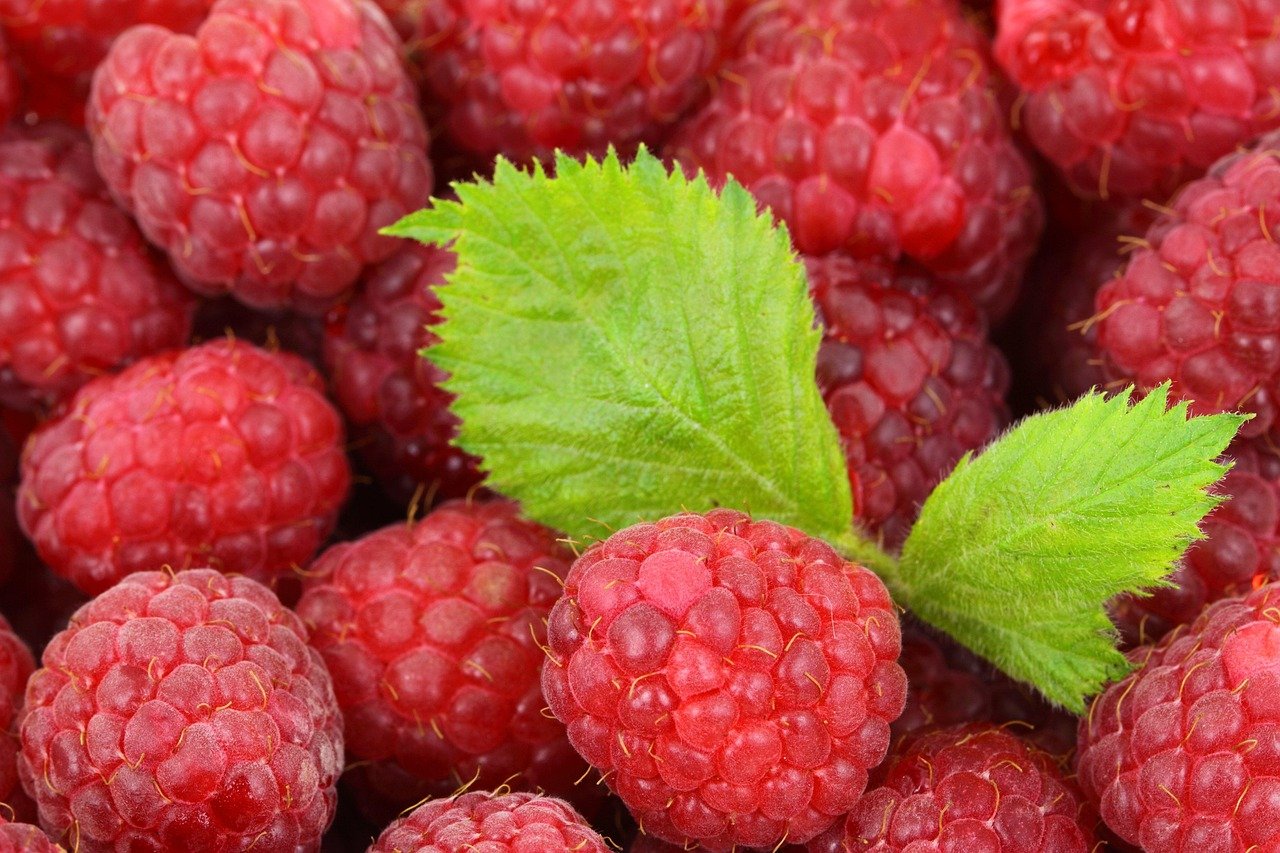
Picture this: you’re rinsing a punnet of raspberries at the kitchen counter, and a wet nose appears at your elbow. Those big eyes follow every berry. So you pause and wonder, can a dog really eat this?
It’s a fair question. Dog owners have become cautious about fruit, and rightly so. Some fruits are genuinely dangerous, and the internet has a habit of lumping every berry into one vague warning. Raspberries, though, sit firmly on the safe side of the line, provided they’re served plainly and in sensible amounts.
This guide walks through the real risks, the actual benefits, the preparation mistakes people make, and the exact situations where you should call a vet instead of guessing. There’s a lot of nuance hiding behind that simple yes.
The Short Answer, With Caveats
Raspberries are not toxic to dogs. They don’t appear on the standard lists of foods to avoid, and veterinary sources routinely include them among fruits dogs can eat in moderation.
That said, “safe” doesn’t mean “free-for-all.” The word that matters here is moderation. There’s no official daily allowance for raspberries in a dog’s diet, and no veterinary body has issued a recommended serving size. The guidance is general: small amounts, occasionally, as a treat rather than a food group.
It also helps to understand what a treat should represent. Professional nutrition guidance holds that treats, including fruit, should make up no more than about 10 percent of a dog’s daily calories. The other 90 percent should come from a complete, balanced diet. That single rule reframes everything. A raspberry isn’t a snack in the human sense. It’s a tiny, occasional bonus.
What’s Actually Inside a Raspberry
Raspberries are mostly water, which makes them refreshing and relatively low in calories. They also bring a few things that dogs can genuinely use:
- Dietary fiber, which supports digestion in appropriate amounts
- Vitamin C, an antioxidant nutrient
- Anthocyanins, the pigments that give berries their color and act as antioxidants
Antioxidants are the headline claim in most human nutrition writing, and it’s tempting to translate that directly to dogs. Here’s the honest version: a few berries won’t transform a dog’s health, and no one should feed raspberries expecting a medicinal effect. They’re a pleasant, mildly nutritious treat. That’s the whole pitch.
Raspberries contain little protein or fat, so they can’t replace any part of a balanced meal. Think of them as a garnish with benefits, not a supplement.
The Real Risks, Ranked by Likelihood
Most raspberry problems are mundane rather than dramatic. Here’s what actually happens in practice.
Choking and Whole-Berry Hazards
A whole raspberry is small, round, and squishy, which makes it a low choking risk for most dogs. Small breeds and enthusiastic gulpers are the exception. A tiny dog that inhales food without chewing can swallow a berry whole. The bigger practical concern is the leaves and stems, which sometimes cling to the fruit and can cause stomach irritation.
Digestive Upset From Overfeeding
This is by far the most common issue. Raspberries are fiber-rich, and a dog that eats a whole punnet will likely end up with loose stool or an upset stomach. Natural sugars add to the effect. A dog who has never eaten berries before is especially likely to react, so start with one or two and see how things go.
Added Ingredients in Processed Raspberry Products
This is where things get genuinely serious. Raspberry jam, syrup, canned raspberries in heavy syrup, raspberry-flavored baked goods, and sugar-free products can all contain things dogs shouldn’t have. The standout danger is xylitol, a sugar substitute found in sugar-free gum, some baked goods, and certain nut butters and sweets. Xylitol is seriously toxic to dogs and can cause a dangerous drop in blood sugar and liver injury.
Whole raspberries contain only trace amounts of naturally occurring xylitol, which is not considered a concern. Concentrated xylitol in processed products is a completely different matter. The distinction matters enormously, and it’s the single most important thing to understand about this topic.
The Grape Confusion
Owners sometimes hear “berries are dangerous” and assume raspberries belong in the same category as grapes and raisins. They don’t. Grapes and raisins are linked to kidney failure in dogs and are firmly on the avoid list. Raspberries are botanically and toxicologically unrelated. The confusion is understandable but worth clearing up, because it leads some owners to avoid a perfectly safe fruit while overlooking the genuinely dangerous one sitting in the fruit bowl.
How to Prepare Raspberries for Your Dog
Preparation is where most well-meaning owners slip up. Here’s a straightforward process that works.
- Rinse the berries under cool running water to remove dirt and pesticide residue.
- Remove leaves and stems, which are the parts most likely to cause irritation.
- Cut berries in half or quarters for small dogs, puppies, and any dog that eats too fast.
- Serve plain. No sugar, no cream, no yogurt with sweeteners, no jam.
- Start with one or two berries and watch for any reaction over the next day.
- Keep the portion small, roughly a tablespoon or less for a medium dog, adjusted to body size.
Frozen raspberries work well too, and many dogs enjoy them as a cold treat in warm weather. Just thaw them slightly for small dogs to reduce the risk of them going down whole. Mashed raspberries stirred into a regular meal are another easy option, though picky eaters may notice the intrusion.
One mistake worth flagging: people often assume that because fruit is healthy for humans, a larger portion is better for dogs. It isn’t. A dog’s digestive system isn’t built for large volumes of fruit, and the fiber load catches up quickly. Restraint is the whole game.
How Many Raspberries Is Too Many?
There’s no official number, so any figure here is a practical estimate rather than a rule. A sensible approach is to treat raspberries like any other treat and keep them within that 10 percent treat budget. In practice, that means a small handful at most for a large dog and a couple of berries for a small one.
| Dog Size | Rough Guide per Serving | Frequency |
|---|---|---|
| Toy and small breeds | 1 to 3 berries | A few times a week |
| Medium breeds | 4 to 6 berries | A few times a week |
| Large and giant breeds | 6 to 10 berries | A few times a week |
Treat this table as a starting point, not a prescription. A dog with a sensitive stomach, a history of pancreatitis, or a weight-management plan may need a stricter limit. When in doubt, smaller is always safer.
Which Dogs Should Skip Raspberries Entirely
Most dogs can enjoy raspberries, but a few groups should hold off or check with a vet first.
Dogs with diabetes need careful carbohydrate management, and fruit sugars count. Dogs with a history of pancreatitis or other digestive conditions may react badly to new foods. Puppies have delicate systems and should stick to their regular diet while they grow. Dogs on a prescription diet shouldn’t receive extras that could unbalance their nutrition.
There’s also a separate question about raspberry leaf, which appears in some herbal supplements. The safety of raspberry leaf for dogs is not well established, and it shouldn’t be confused with the fruit. Feeding a berry and giving a concentrated leaf supplement are entirely different propositions. Stick to the fruit and leave the leaf products alone unless a vet specifically recommends one.
When to Call a Vet
Call a veterinarian if a dog eats a large quantity of raspberries and shows signs of illness, or if the dog has eaten any raspberry product containing xylitol, added sweeteners, or chocolate. Signs worth taking seriously include repeated vomiting, diarrhea that doesn’t settle, lethargy, or loss of appetite.
Pet poison helplines exist for exactly these moments, and they can advise on whether a trip to the clinic is needed. Fees may apply, but the guidance is worth it. For xylitol specifically, don’t wait for symptoms. Call immediately, because the timeline matters.
A Note on Berry Variety
Raspberries aren’t the only berry in the bowl. Blackberries are similar in safety and nutrition. Blueberries are widely recommended as a dog-friendly treat. Strawberries are generally fine in small amounts. The pattern holds across most berries: plain, washed, small quantities, no added sugar.
If your dog has a coat type that needs regular grooming, you may already be thinking about diet and skin health. Antioxidant-rich treats like berries get mentioned in those conversations, though the evidence for visible coat benefits is thin. For owners researching coat care, resources on 4c hair and 2b hair cover the human side of that topic, while dog coat health comes down mostly to genetics, grooming, and a balanced diet. And if you’re working through a list of dog-safe foods row by row, the row of common kitchen items is a useful reminder that safety varies wildly from one food to the next.
Conclusion
So, can dogs eat raspberries? Yes, and most dogs will be delighted by the answer. A few plain, washed berries make a low-calorie, fiber-rich treat that fits neatly into the 10 percent treat allowance. The rules are simple: keep portions small, remove stems and leaves, skip anything processed or sweetened, and never confuse raspberries with grapes or raisins.
The bigger lesson is about proportion and preparation. Almost every raspberry problem traces back to quantity or added ingredients, not the berry itself. Feed them plain, feed them sparingly, and watch how your dog responds the first few times. If something seems off, call a vet rather than waiting it out.
Frequently Asked Questions
Can puppies eat raspberries?
Puppies can eat a small amount of plain, washed raspberry, but their digestive systems are still developing, so it’s best to keep new foods minimal. Cut berries into small pieces to reduce choking risk, and introduce them one at a time. A puppy’s main diet should remain a complete puppy food, with treats kept to a tiny fraction of daily intake.
Are frozen raspberries safe for dogs?
Yes, plain frozen raspberries are safe and make a popular cold treat. Check the bag label carefully, though. Some frozen berry blends include added sugar or sweetened yogurt pieces, which should be avoided. Thaw slightly for small dogs so the berries aren’t a choking hazard.
What happens if a dog eats too many raspberries?
The most likely outcome is digestive upset, including loose stool, gas, or mild stomach discomfort, largely from the fiber and natural sugars. Most cases settle on their own within a day. If a dog eats a very large quantity or shows repeated vomiting, lethargy, or ongoing diarrhea, contact a veterinarian.
Can dogs eat raspberry jam or raspberry-flavored treats?
No. Jam and most raspberry-flavored products contain added sugar, and some sugar-free versions contain xylitol, which is highly toxic to dogs. Baked goods may also contain chocolate, raisins, or other dangerous ingredients. Keep all processed raspberry products away from dogs and stick to plain fruit.
Are raspberry leaves safe for dogs?
The safety of raspberry leaf for dogs is not well established, and it shouldn’t be treated the same as the fruit. Raspberry leaf appears in some herbal supplements intended for humans, but that doesn’t make it appropriate for dogs. Avoid giving leaf products unless a veterinarian specifically recommends them.
Do raspberries count toward a dog’s daily calories?
Yes. Any treat, including fruit, adds calories, and treats should generally stay under about 10 percent of a dog’s daily calorie intake. For a small dog, a few berries can be a noticeable share of that budget, so adjust portions accordingly and reduce other treats on days when raspberries are on the menu.














