

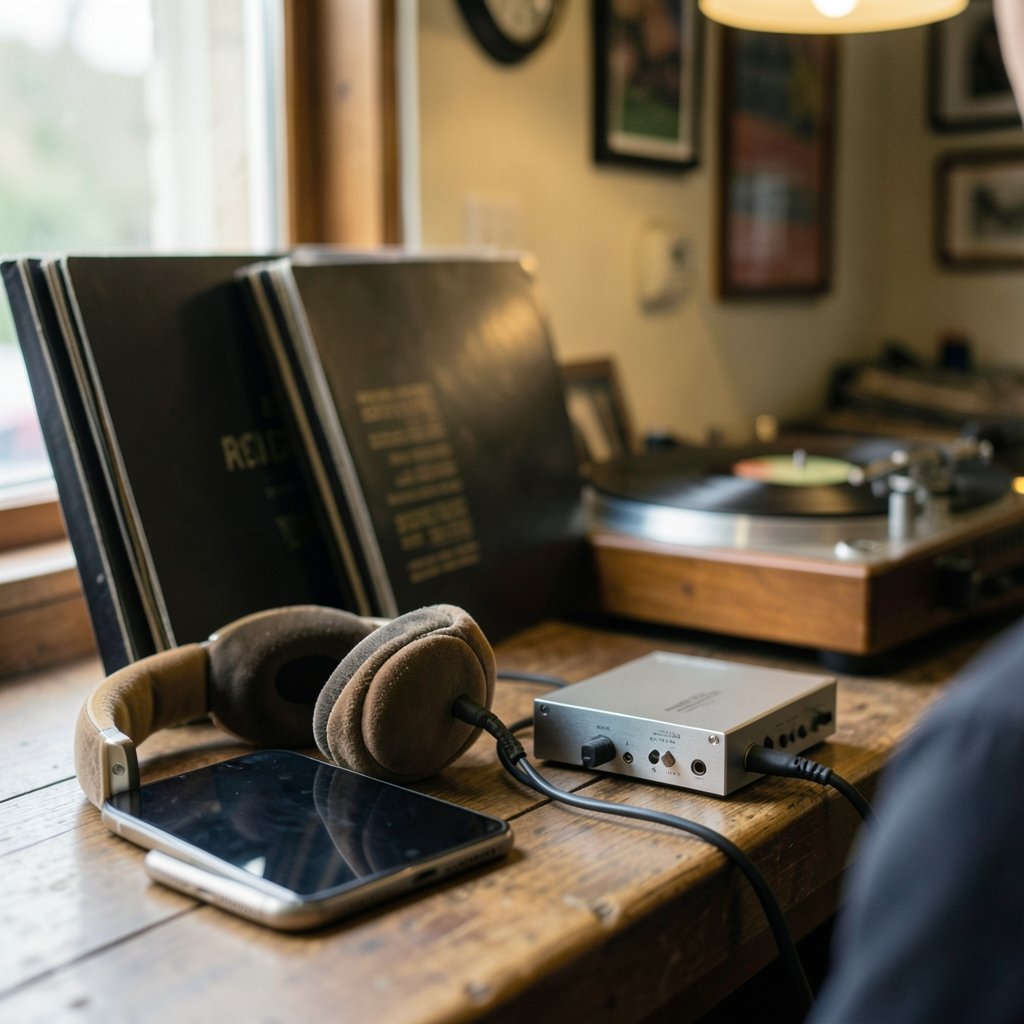
What if the app you use to play music matters as much as the music itself? Think about it. Two people can pay roughly the same monthly fee, open two different apps, and have completely different experiences. One gets a radio station that seems to read their mind. The other gets a library that feels like a well-organized record shop. Same songs, different worlds.
That is the thing about picking the best music apps: there is no single winner. There is only the app that matches your habits. Do you stream on a commute, collect albums, hunt for live sets, or chase high-resolution audio through good headphones? Each answer points somewhere different.
This guide walks through the real contenders, what each one does well, where each one stumbles, and the mistakes people make when they switch.
Why the “Best” Music App Depends on How You Listen
Most “best of” lists rank apps by subscriber count and call it a day. That is lazy. Subscriber numbers tell you which app is biggest, not which app is right for you.
A few criteria actually matter:
- Catalogue depth. Mainstream pop is everywhere. Deep cuts, regional music, and live recordings are not.
- Audio quality. Mainstream services stream in AAC or Ogg Vorbis at up to roughly 320 kbps. Lossless tiers use FLAC or ALAC.
- Discovery tools. Recommendation algorithms, built on collaborative filtering and content-based filtering, are now the main differentiator between apps.
- Artist economics. How much of your subscription reaches the people who made the music.
- Device fit. Whether the app works with your phone, speakers, car, and voice assistant.
Get honest about which two or three of those you care about most. The shortlist writes itself after that.
The Main Contenders at a Glance
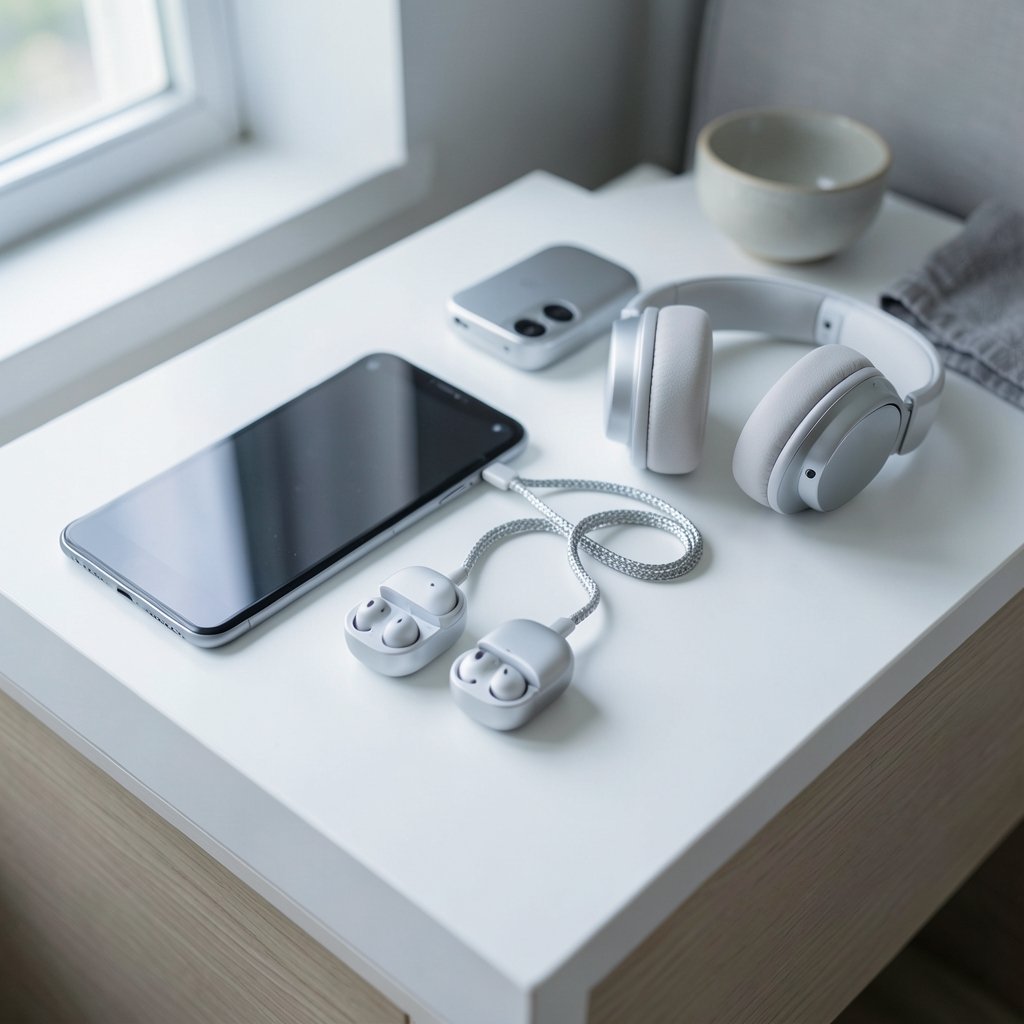
Here is the quick comparison before the detail:
| App | Launched | Best For | Weak Spot |
|---|---|---|---|
| Spotify | 2008 | Discovery and playlists | No lossless on the base tier |
| Apple Music | 2015 | iPhone and Apple device users | Clunky outside Apple devices |
| YouTube Music | 2011 (as Google Play Music) | Live sets, covers, rare uploads | Messy library organization |
| Amazon Music | 2014 (Prime Music) | Alexa households and Prime members | Interface feels bolted on |
| Tidal | 2014 | Lossless sound and artist payouts | Higher price, smaller catalogue gaps |
| Qobuz | 2007 | High-resolution audio purists | Niche catalogue, limited social features |
| Deezer | 2007 | Mainstream streaming with a strong free tier | Overshadowed in the US |
| SoundCloud | 2007 | Independent artists and DJ mixes | Weak on mainstream catalogue |
| Bandcamp | 2008 | Buying music directly from artists | Not a streaming subscription |
Spotify: Still the Default for Discovery
Spotify launched in Sweden in 2008 and grew into the largest subscription streaming service by paying subscribers. Its grip on the market comes from one thing: it is exceptionally good at guessing what you want to hear next.
Discover Weekly, launched in 2015, became the template every rival copied. The algorithm blends collaborative filtering (what listeners like you play) with content-based filtering (what the track itself sounds like). In practice, that means the app gets sharper the more you use it, and it gets noticeably worse when you skip constantly without saving anything.
Where Spotify stumbles is audio quality. The base tier does not offer lossless streaming, so if you have invested in good headphones or a proper DAC, you are leaving performance on the table. If sound hardware is your priority, it is worth reading up on how to pick a music streamer that actually sounds good before you commit to a service that caps your bitrate.
Practical tip: spend two weeks actively liking and saving tracks, and resist the urge to skip. The recommendations improve dramatically. Most people who complain that Spotify “doesn’t get them” never gave it clean signal.
Apple Music: Built Around Apple Devices
Apple Music arrived on 30 June 2015, following Apple’s 2014 acquisition of Beats Electronics. It bundles tightly with Apple devices and hooks into Siri, which makes it the path of least resistance for anyone living inside the Apple world.
Its strengths are curation by real humans, lossless and spatial audio at no extra charge, and a catalogue that rivals Spotify’s. Its weakness is everything outside the walled garden. The desktop experience and the Android app both feel like afterthoughts compared with the polish on an iPhone.
Common mistake: people switch to Apple Music expecting the same discovery engine as Spotify and come away disappointed. Apple leans on editorial playlists and radio-style programming. If you want an algorithm to feed you, Spotify is the better fit. If you want a curator to guide you, Apple is.
YouTube Music: The Live and Rare Recording Winner
YouTube Music grew out of Google Play Music, which launched in 2011 and shut down in 2020 when users were migrated across. Its distinguishing feature is not the licensed catalogue, which is solid, but the enormous library of user-uploaded content sitting alongside it.
That means live sets, covers, remixes, obscure B-sides, and full concert recordings that simply do not exist on other platforms. For anyone who grew up falling down rabbit holes, it is a genuine advantage. The trade-off is organization. Your library can end up a tangle of official releases, fan uploads, and duplicate entries.
If your taste runs toward scenes built on live recordings and independent releases, the same instinct that sends you digging through punk rock groups from CBGB and the global scenes they inspired will make YouTube Music feel like home.
Amazon Music: The Accidental Household Standard
Amazon Music started as Prime Music in 2014 and now splits into a bundled tier for Prime members and the fuller Music Unlimited service. Its killer feature is Alexa integration, which makes it the default in millions of homes with smart speakers. (Ben baller bio from music executive celebrity jeweler)
For casual listening around the house, that is genuinely convenient. Ask for an artist, get an artist. Where it struggles is the interface, which feels like a feature bolted onto a shopping platform rather than a product designed around music. Serious listeners tend to keep it as a secondary app rather than a primary one.
Tidal and Qobuz: For People Who Care About Sound
Tidal launched in 2014 and was relaunched by Jay-Z in 2015, built around lossless and HiFi audio. Qobuz, founded in France in 2007, is the niche competitor focused squarely on high-resolution audio.
Both are worth considering if you own revealing headphones or a decent home setup. But a word of caution: whether listeners can actually hear the difference between 320 kbps and lossless is genuinely contested in controlled listening tests. Plenty of people pay for lossless and cannot tell. Before upgrading, test yourself honestly with the same track on both tiers. If you cannot hear it, spend the money elsewhere.
Tidal also markets artist-friendly payouts, which matters to some listeners. Just be careful with payout-per-stream figures you see quoted online. Reported numbers vary wildly by source and methodology, and they change over time. Treat any single figure with suspicion.
Deezer, SoundCloud, and Bandcamp: The Specialists
Deezer (France, 2007) is a mainstream streaming service with a solid free tier and strong presence in parts of Europe and Latin America. It is competent and often overlooked in US-centric coverage.
SoundCloud (Germany, 2007) occupies a different niche entirely. It is the platform where independent and emerging artists post tracks and DJs post mixes. If your taste runs ahead of the mainstream, this is where you find it first.
Bandcamp (founded 2008) is not a streaming subscription at all. It lets artists sell music and merchandise directly, with a revenue-share model that is often cited as the most artist-friendly option available. Epic Games acquired Bandcamp in 2022 and sold it to Songtradr in 2023. Many listeners now use it as a complement: stream on one app, buy the albums they love on Bandcamp so more of the money reaches the artist.
How to Choose Without Wasting a Month
Switching apps is a commitment. Here is a sequence that works better than guessing:
- Write down your top three listening situations. Commute, gym, home speakers, work focus. Be specific.
- Trial two apps, not five. Free trials are short. Splitting attention across five services teaches you nothing.
- Rebuild one playlist by hand in each. This forces you to learn the interface and reveals how painful library management really is.
- Test the thing you actually care about. Lossless tier, live recordings, voice control, offline downloads on a plane.
- Check the cancellation terms before you commit. Some trials convert silently to full price.
The most common mistake is choosing based on a headline feature you will use twice. Spatial audio sounds incredible in a demo and goes untouched after a month. Meanwhile, a small annoyance like clumsy queue management will irritate you every single day.
The Cross-App Habits That Actually Improve Listening
Whichever app you land on, a few habits make any of them better:
- Rate tracks. Thumbs up and down are signal. Silence is not.
- Keep one “reset” playlist. A hand-built list of songs you never skip. When the algorithm drifts, play it to recalibrate.
- Download for offline listening. Streaming in a tunnel is how playlists get corrupted and sessions get lost.
- Use one app for discovery, another for collecting. Many listeners stream on Spotify and buy on Bandcamp. That combination is hard to beat.
- Audit your subscription yearly. Prices and tiers change. So does your listening.
And if your interests stretch beyond audio, the same “pick the tool that matches the job” logic applies elsewhere. The best apps for interior design work the same way: the winner is the one that fits your workflow, not the one with the longest feature list. Browse a few room design apps and you will see the pattern immediately. (Top 10 yacht charter apps updated 2027 actually changed)
Conclusion
No single music app is the right answer for everyone. The choice depends on how a service’s strengths match your habits. Spotify is the strongest option for discovery. Apple Music fits best with Apple devices. YouTube Music has the edge on live and rare recordings. Amazon Music is the practical pick for Alexa households. Tidal and Qobuz serve listeners who hear the difference, and Bandcamp is the ethical complement worth keeping in the mix.
Pick two, trial them properly, and judge them on the thing you care about most. Then stop shopping and start listening. That is where the value was all along.
Frequently Asked Questions
Which music app has the best sound quality?
Tidal and Qobuz both offer lossless and high-resolution tiers using FLAC or ALAC, which makes them the technical leaders. That said, whether you can hear the difference over a 320 kbps stream is contested in listening tests. Test yourself before paying extra.
Is Spotify still the biggest music streaming app?
Spotify, launched in 2008, is the largest subscription streaming service by paying subscribers. Subscriber leadership claims should be re-checked periodically, since the market shifts, but Spotify has held the top spot for years.
What is the best free music app?
Deezer offers a strong free tier, and YouTube Music’s free version gives access to an enormous catalogue of user-uploaded content including live sets and covers. Free tiers generally come with ads and limited offline features.
Can I hear the difference between lossless and 320 kbps?
Some listeners can, many cannot, and it depends heavily on your headphones, your source, and the specific recording. The honest answer is to run a blind comparison yourself rather than trusting marketing claims.
Which app pays artists the most?
Bandcamp is widely cited as the most artist-friendly option because artists sell directly and keep a larger share. Payout-per-stream figures for streaming services vary widely by source and methodology, so avoid trusting any single quoted number.
Do I need more than one music app?
Many listeners use two: one for everyday streaming and discovery, another for buying music directly from artists or accessing live and rare recordings. It is a practical combination rather than a sign of indecision.














