


What if the gadget on your wrist is quietly working against you, buzzing with notifications while you try to focus on a run? That question drives the fitness tracker search. A tracker should measure steps, workouts, sleep, and recovery without becoming a distraction. The market now splits into clear lanes: screenless bands, smart rings, budget bands, and full smartwatches. The shortlist below covers each lane, with who it suits, what it does well, and where it falls short. (Demi lovato fitness her workouts really say about health)
| Tracker | Best for | Standout strength | Main limitation | Price note |
|---|---|---|---|---|
| Whoop 5.0 | Recovery-focused athletes | Over 140 tracked metrics, up to two weeks battery | Premium subscription required | Subscription-based |
| Fitbit Edge | All-round testing winner | GPS and EKG onboard | Needs a smartphone to set up | Not stated |
| Fitbit Inspire 3 | Budget beginners | Color touchscreen, up to 10 days battery | No built-in GPS | Under $100 |
| Apple Watch Series 12 | iPhone users who want safety features | Daytime health alerts, fall and crash detection | Frequent charging | $399 starting |
| Apple Watch SE 3 | Budget Apple fans | Nearly two days of battery, always-on display | Missing blood oxygen, ECG, hypertension sensors | $249 |
| Google Pixel Watch 5 | Android users | Fast, proactive Gemini AI | Less durable than rivals | Not stated |
| Xiaomi Smart Band 10 | Style on a tight budget | Premium case materials, large AMOLED screen | Basic app and device support | Budget tier |
| Garmin Vivoactive | Music on the wrist | Onboard music storage | Not stated | Not stated |
Whoop 5.0: The Recovery Obsessive’s Pick
Whoop 5.0 takes the screenless approach seriously. There is no display to glance at, which means no pings from apps that have nothing to do with training. It tracks real-time fitness, workout, and recovery goals, and the companion app digs into more than 140 metrics for a full picture of your body and health. It is light enough to wear for long hours, and battery life reaches up to two weeks on a single charge. (Iconoclast fitness contrarian training trend gets right)
The catch is the business model. A premium subscription is required, so the true cost keeps running month after month. If you love data depth and hate screens, this is the one. If you want to pay once and forget it, look elsewhere. The same logic of paying for depth applies to any subscription service you adopt, whether it is a tracker or the startup tools founders actually need to track growth.
Fitbit Edge: The Lab-Tested All-Rounder
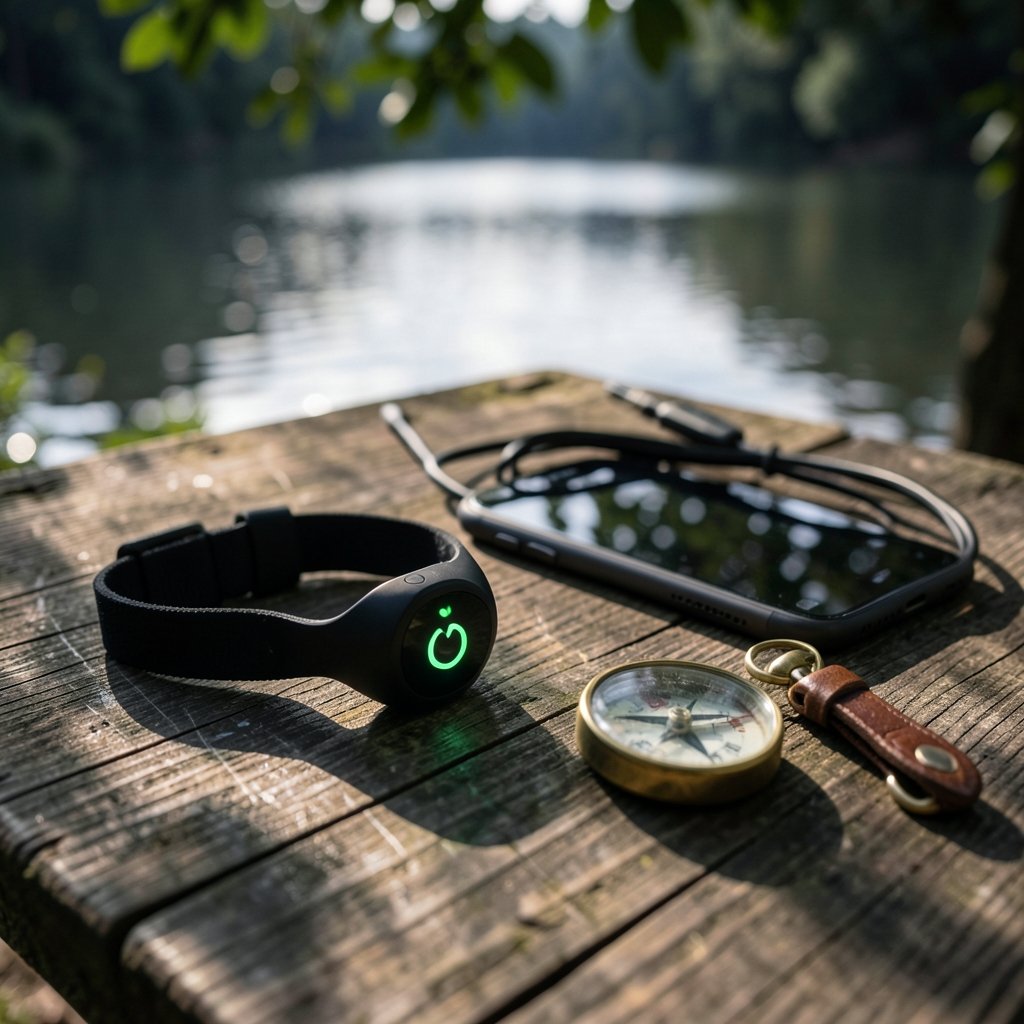
The Fitbit Edge came out on top in independent lab and real-world testing, and the reasons are practical. Its heart rate readings matched a reference device, even at rest. It brings back an altimeter for elevation data, detects workouts automatically, and logs routes via GPS. Most distinctive of all, it includes an EKG, a feature most rivals in this class still lack.
The limitation is not about the hardware. Fitness trackers in general depend on a smartphone, and setup does not work without one. Budget for that reality before you buy. If you want the details behind that test result, the full ranking of the best fitness trackers is worth a read. (Trek fx 1 stepover gen 4 practical buyers guide fitness bike)
Fitbit Inspire 3: The Sub-$100 Starter
The Inspire 3 is the cheapest model in Fitbit’s current lineup, which makes it the natural entry point into tracking. It pairs a color touchscreen with 24/7 heart rate monitoring, SpO2 data, and sleep tracking. Battery life runs up to 10 days, though that drops if you leave the always-on display running.
Two honest caveats. There is no built-in GPS, so you will carry your phone for route tracking. The paid Premium tier is needed to see the full data picture. For someone testing whether tracking sticks as a habit, though, it is the best fitness tracker you can get for under $100, and this roundup covering sport, training, and sleep makes a good case for it as a beginner’s device.
Apple Watch Series 12: Safety Features First
The Series 12 keeps the $399 starting price and adds value in two places. First, health sensing: new sensors enable more frequent heart rate and HRV readings, and the Vitals app can update during the day if it detects increased stress or signs of illness. Second, safety: the watch can alert you to high or low heart rate, irregular heart rhythm, and loud sounds, and it supports Emergency SOS, international emergency calling, and automatic calls for help after a hard fall or car crash. The Dynamic Readiness score adapts as your body recovers through the day.
The trade-offs are real. Battery life still trails longer-lasting competitors, so frequent charging is part of the deal. Audio Intelligence features are still missing, with privacy questions hanging over them. Sound Recognition produced frequent false alerts in testing. And the Readiness score needs seven nights of sleep and consistent, round-the-clock wear before it means anything. Owners of a Series 11 will find little reason to upgrade on looks alone.
Apple Watch SE 3: Nearly Two Days, Half the Price
At $249, the SE 3 delivers a sharp always-on display, the same processor as the Series 11, 5G support, and gesture controls, all with nearly two days of battery life. That battery figure is the headline: it doubles what the flagship manages in many real-world days.
The cuts are in sensors. There is no blood oxygen, ECG, or hypertension sensing, the bezels are large, and there is no QWERTY keyboard for typing. For iPhone owners who want Apple device integration without flagship pricing, it is a strong, budget-friendly alternative.
Google Pixel Watch 5: The Android Companion
The Pixel Watch 5 changes little from its predecessor, but faster performance and deeply integrated, proactive Gemini AI make it the best smartwatch for Android users. Exercise and sleep tracking are accurate, AI assistance is speedy, and the touch and gesture controls respond well.
Two limitations stand out. It is less durable than competitors, which matters if you train hard outdoors. And some fitness advice sits behind a paywall. Android owners who want a smartwatch first and a tracker second will still find plenty to like.
Xiaomi Smart Band 10: Budget Band, Premium Feel
The Smart Band 10 is the cheap option that does not look cheap. Xiaomi dropped the plastic shell long ago, and buyers now choose between aluminum or a ceramic-look finish, with TPU or fluoroelastomer straps that swap out for metal or knitted bands. A pendant accessory even lets you wear it around your neck instead of your wrist. The 1.72-inch AMOLED display sits in a slimmer frame, and the whole package feels far more expensive than its price suggests.
The limitation is app and device depth. It covers the basics well, but it will not match the app maturity of Fitbit or Apple. If you are not a fan of wearing a piece of plastic on your wrist, this band is the budget answer.
Garmin Vivoactive: Music Without Your Phone
For runners and gym-goers who want onboard music storage, the Garmin Vivoactive is the pick. Leaving the phone behind while still having playlists is a small luxury that changes how a workout feels. Garmin’s broader appeal is durability and battery stamina, which is why the brand keeps appearing on expert review lists.
The trade-off is complexity. Garmin’s interface rewards patience, and casual users may find the feature set overwhelming. If you want a simple step counter, this is more machine than you need.
How to Choose After the Shortlist
Start with the phone in your pocket. Apple Watches pair only with iOS, while Pixel Watch and most Fitbit models work across both platforms. Compatibility narrows the field faster than any spec sheet.
Next, decide whether you want a screen. Screenless trackers like the Whoop 5.0 and smart rings keep notifications out of your day. Screen-equipped bands and watches put data on your wrist but invite distraction.
Then be honest about charging. Battery life across tested devices ranges from around 46 hours to more than 10 days. If you will not charge nightly, buy for endurance.
Finally, count the subscription. Several trackers gate their best insights behind paid tiers, and the monthly cost can exceed the hardware within a year. Read the fine print before you commit.
One more thing worth knowing: reviews are not all equal. Some channels test devices properly, others just read the spec sheet. Learning to tell real testing from paid hype will save you more money than any single buying decision.
Conclusion
There is no single best fitness tracker, only the best one for your wrist, your phone, and your patience for charging cables. The Whoop 5.0 wins for recovery data, the Fitbit Edge for tested all-round accuracy, the Inspire 3 for first-time buyers, the Apple Watch Series 12 for safety features, the SE 3 for value, the Pixel Watch 5 for Android, the Smart Band 10 for budget style, and the Garmin Vivoactive for music on the move. Pick the lane that matches your habits, check the subscription terms, and let the device earn its place on your wrist.
FAQ
Which fitness tracker is best overall?
The Fitbit Edge took the top spot in independent lab and real-world testing, thanks to accurate heart rate readings, GPS, an altimeter, automatic workout detection, and an EKG. The Whoop 5.0 is a strong alternative if you prioritize recovery metrics and can accept a subscription.
Do I need a subscription to use a fitness tracker?
Not always, but often for the deepest insights. Whoop requires a premium subscription, Fitbit’s Premium tier provides full data, and some smartwatch fitness advice is paywalled. Basic step, sleep, and heart rate tracking usually works without paying.
Is a screenless tracker better than a smartwatch?
It depends on your goal. Screenless trackers like the Whoop 5.0 keep you focused because they do not push notifications. Smartwatches show data instantly and add safety features, but they demand more frequent charging and invite distraction.
How long does fitness tracker battery life last?
Tested devices range widely. Some smartwatches run around 46 to 56 hours, the Apple Watch SE 3 reaches nearly two days, the Fitbit Inspire 3 lasts up to 10 days, and the Whoop 5.0 goes up to two weeks. Always-on displays shorten these figures.
Which tracker works best with an Android phone?
The Google Pixel Watch 5 is the strongest Android match, with accurate exercise and sleep tracking and fast, proactive Gemini AI. Fitbit models also work across Android and iOS, and the Xiaomi Smart Band 10 is a budget-friendly option.
Are cheap fitness trackers worth buying?
Yes, if you match expectations to price. The Fitbit Inspire 3 delivers a color touchscreen and up to 10 days of battery for under $100, and the Xiaomi Smart Band 10 offers premium materials at a budget price. Expect fewer sensors and shallower app ecosystems.
The pattern across every price point is the same: the hardware is rarely the weak link. Sensors have become accurate and affordable, and the differences between devices now come down to software maturity, subscription terms, and how much charging friction you will tolerate. Buy for the habit you actually have, not the athlete you plan to become. A tracker that survives a month on your wrist and syncs without fuss will teach you more than a flagship that sits in a drawer. Start with the phone, set a charging budget, read the subscription fine print, and choose the device that fits the life you already live.






