

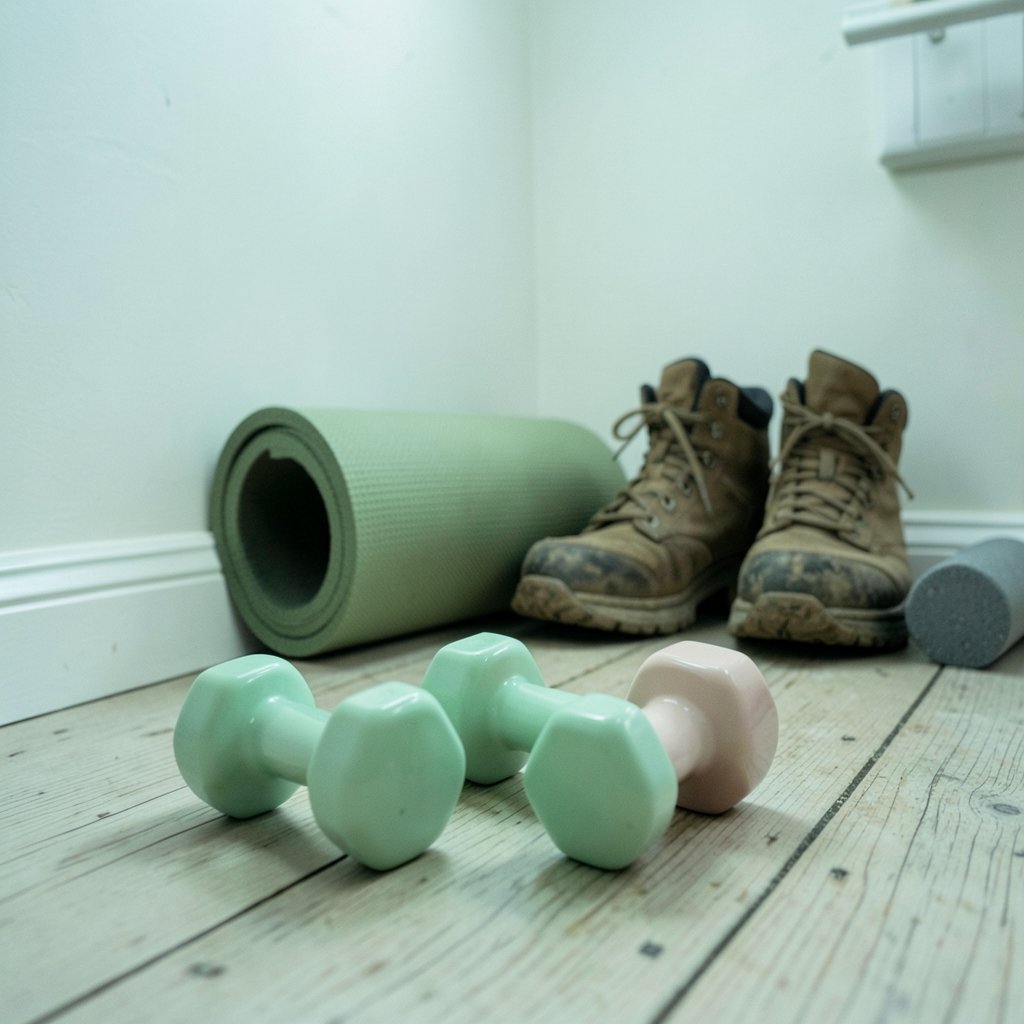
Can a celebrity workout plan be useful if the celebrity has publicly said exercise is not about weight loss at all? That question frames the Demi Lovato fitness conversation, and it is more interesting than the usual “how did she get in shape” framing. Lovato has spent more than a decade in the public eye, and her relationship with movement, food, and her own body has changed in ways that make the standard celebrity fitness story feel thin. Below is a direct look at what she has actually said about training, what her routine seems to include, and how to borrow the useful parts without copying the harmful ones. (Demi permanent hair dye)
Why the Demi Lovato Fitness Story Is Different
Most celebrity fitness coverage follows a predictable arc: a star gets lean for a role, shares the plan, and sells the transformation. Lovato’s arc runs the other way. She has been open about an eating disorder and self-harm dating back to her 2010–2011 treatment period, and she has said those struggles with food and body image started before fame ever entered the picture. That disclosure changes how any responsible reader should interpret her workouts.
When someone with that history talks about exercise, the framing matters more than the exercises. Lovato has generally presented training as a tool for mental health and strength rather than a route to a smaller body. She has also pushed back publicly on body-shaming and on the “before and after” weight narrative that dominates fitness media. For readers who have ever felt their own workout routine slide into punishment, that stance is worth more than any specific rep scheme.
What Her Actual Routine Looks Like
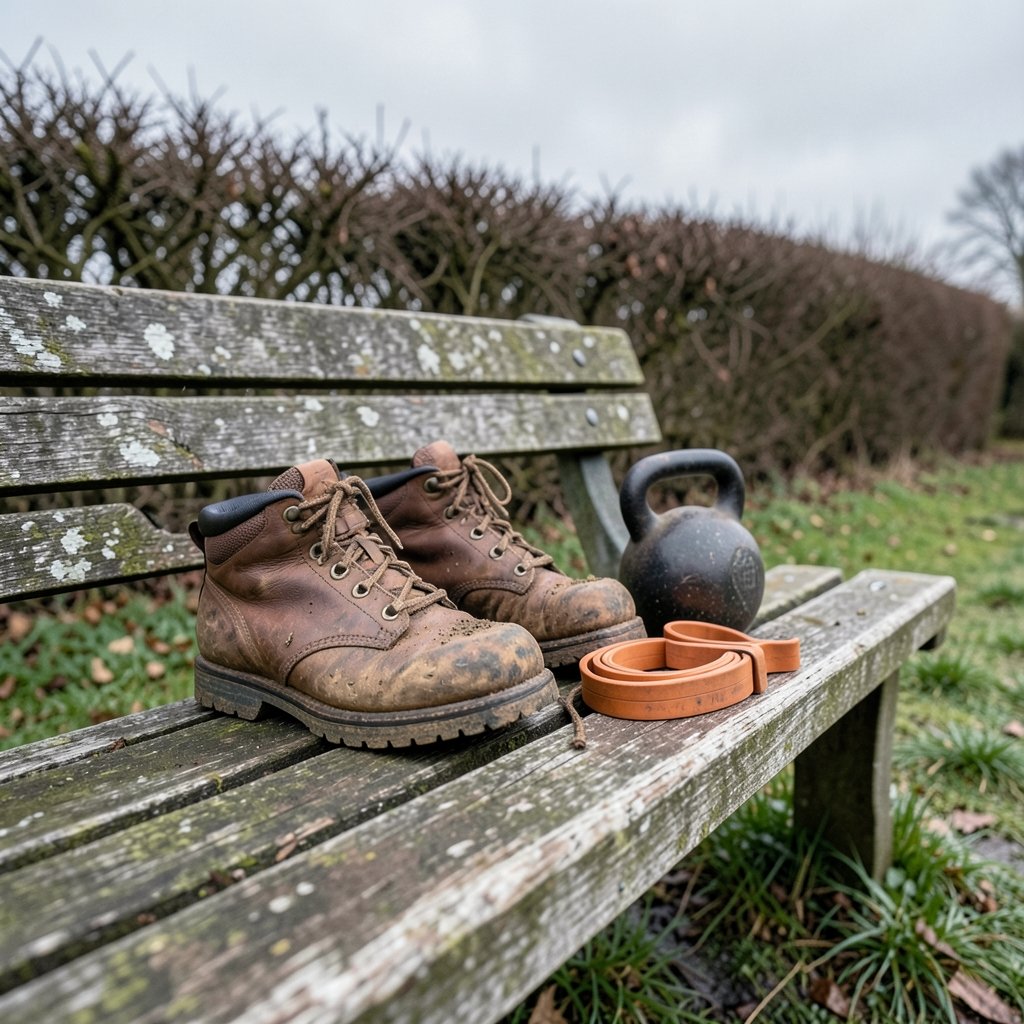
Lovato has posted about and discussed several kinds of movement over the years. The pattern is varied rather than rigid, which is itself a useful signal.
Strength training
Resistance work appears repeatedly in her public posts. That tracks with what most trainers recommend for anyone building a sustainable routine: muscle and bone density matter at every age, and lifting is one of the few activities that improves daily function while also supporting mental health. Her strength sessions have generally been framed as building capability, not chasing a number on a scale.
Hiking and the outdoors
Hiking shows up often in her content, and it is one of the more accessible forms of cardio a person can adopt. It requires almost no equipment, scales to any fitness level, and tends to feel like recreation rather than punishment. If you are borrowing anything from her approach, this is the easiest piece to steal.
Yoga and mobility
Yoga and mobility work round out the picture. For anyone recovering from a period of disordered eating or compulsive exercise, gentle movement that emphasizes breath and sensation rather than calorie burn can be a useful bridge back to a healthier relationship with training.
What is not part of the plan
There is no Lovato-owned fitness program or app. Content labeled “Demi Lovato workout plan” online is generally third-party guesswork built from paparazzi photos and tabloid sourcing. That is worth knowing before you pay for anything. The same caution applies to coverage of her 2020 engagement and later relationship, where fitness angles were largely tabloid-driven and thinly sourced. (Nuna double stroller demi grow really delivers two kids)
The Sobriety Timeline Matters for Fitness Advice
Her recovery story and her fitness story are tangled together, and the timeline is easy to garble. After a 2018 overdose, Lovato released the song “Sober” in June 2018, which referenced relapse. In 2021 she described herself as “California sober,” a moderation approach rather than total abstinence, and later said she had returned to full abstinence. Her 2021 docuseries Dancing with the Devil, released that March, covers the overdose, the eating disorder, and her recovery in detail.
Why does this belong in a fitness article? Because recovery, training, and body image are not separate systems in a person’s life. Anyone building a routine while managing addiction or an eating disorder needs the plan to support stability, not compete with it. The practical takeaway is simple: if your workout is making recovery harder, the workout is the problem, not your willpower.
What You Can Actually Learn From Her Approach
Strip away the celebrity gloss and a few transferable principles remain. None of them require a trainer, a meal-delivery service, or a gym membership.
| Principle | What it looks like in practice | Common mistake |
|---|---|---|
| Training for function, not appearance | Setting strength and stamina goals instead of weight goals | Tracking only pounds lost |
| Variety over rigidity | Mixing lifting, hiking, and yoga across the week | Doing one type of workout to exhaustion |
| Movement as mood support | Noticing how a session affects sleep and stress | Pushing through when the session makes you feel worse |
| Boundaries around body talk | Skipping “before and after” content entirely | Following accounts that rank bodies |
Set performance goals, not weight goals
Pick a target you can measure without a scale: a heavier squat, a longer hike, a steadier yoga hold. Performance goals give you something to chase that does not depend on shrinking. If you want a rough model for how to evaluate a piece of fitness equipment before you commit, a practical buyer’s guide approach works well: identify the goal first, then buy the tool that serves it rather than the one with the best marketing.
Build a weekly rhythm you can keep
Three strength sessions, two walks or hikes, and one mobility day is a reasonable skeleton for a beginner. The exact split matters far less than whether you can repeat it in a bad week. A routine that only works when life is calm is not a routine; it is a fair-weather hobby.
Watch the recovery signals
Sleep quality, resting mood, and appetite are better indicators of whether your training load is right than any wearable score. If two of those three trend downward for a week, cut volume. This is standard coaching advice, and it is especially important for anyone with a history of overexercising.
Common Mistakes People Make With Celebrity Fitness Content
The biggest error is treating a famous person’s routine as a prescription. It is not. A few specific traps come up again and again.
- Copying the volume, not the context. A celebrity may train with a coach, a chef, and a physiotherapist behind the scenes. You are seeing the session, not the support system.
- Assuming visible change equals health. Lovato’s own public stance pushes against this. Bodies change for many reasons, and appearance is a poor proxy for fitness or wellbeing.
- Ignoring the person’s stated boundaries. If someone says their training is not about weight loss, building a weight-loss plan around their posts is a misreading, not a shortcut.
- Buying gear before building the habit. A home gym assembled in week one often becomes a coat rack by month three. Start with shoes and a water bottle.
- Skipping professional help. For anyone with a history of disordered eating, a physician or registered dietitian should be part of the plan. Public-health organizations publish general guidance on eating disorders and treatment, and that guidance is a better starting point than any influencer’s routine.
How to Adapt the Approach for Real Life
If you want to take the spirit of the Demi Lovato fitness approach and make it work in an ordinary week, the adaptation is mostly about removing pressure and adding structure.
- Choose one strength day and one outdoor day for week one. Nothing more. Prove you can show up twice before adding a third session.
- Write down a non-scale goal. “Hike the long loop without stopping” beats “lose ten pounds” because it survives a bad week on the scale.
- Audit your feed. Unfollow anyone whose content makes you compare bodies. This is the single highest-return change most people can make.
- Schedule recovery like a workout. Put the rest day in the calendar so it does not get quietly overwritten.
- Reassess every four weeks. Keep what you actually did, drop what you skipped twice in a row, and do not rebuild the whole plan from scratch.
The same logic applies to gear purchases and even to unrelated life admin: match the tool to a stated goal. If you have ever waded through a niche buying decision, whether a bike or a stroller, you already know that the specification sheet matters less than whether the thing fits how you actually live. A stepover fitness bike guide and a double stroller review both hinge on the same question: does this solve my real problem? Fitness works the same way. The best routine is the one that fits your life, not the one that photographs well.
Where Fitness Advice Needs a Warning Label
There is a real difference between a workout that challenges you and one that quietly becomes a symptom. Warning signs include training through injury, feeling anxious on rest days, exercising to “earn” food, and measuring self-worth in session minutes. Anyone noticing those patterns should talk to a doctor or a mental-health professional rather than tweak their program.
Lovato’s public history is a useful reminder that these issues do not disappear with money, fame, or access to elite trainers. They are managed, not cured, and management usually involves professional support. Readers who want to understand eating disorders in more depth, or who are worried about someone they know, should look to established medical and nonprofit resources rather than fitness content.
Conclusion
The Demi Lovato fitness story is less a workout plan than a case study in reframing what exercise is for. Her public routine leans on strength training, hiking, and yoga, and her public messaging leans on mental health, strength, and a firm rejection of body-shaming. There is no official program to buy, and the tabloid versions are unreliable. What is genuinely useful is the underlying philosophy: train for capability, keep variety in the week, protect recovery, and treat professional support as part of the plan rather than a last resort. Borrow that framework and you will get something more durable than a celebrity routine. You will get a habit that survives the weeks when motivation does not show up.
Frequently Asked Questions
What is Demi Lovato’s workout routine?
Her publicly shared training has centered on strength training, hiking, and yoga or mobility work. She has generally framed exercise as support for mental health and physical capability rather than as a weight-loss tool. There is no official Lovato fitness program or app, so any detailed “plan” circulating online is third-party content built from interviews, social posts, and tabloid reporting.
Did Demi Lovato have an eating disorder?
Yes. Lovato has spoken publicly about an eating disorder and self-harm connected to her 2010–2011 treatment period, and she has said her struggles with food and body image began before she became famous. Her 2021 docuseries Dancing with the Devil addresses the eating disorder, her 2018 overdose, and her recovery.
Is Demi Lovato sober?
Her public statements have changed over time, which is why dates matter. After her 2018 overdose she released the song “Sober” in June 2018, referencing relapse. In 2021 she described herself as “California sober,” meaning moderation rather than total abstinence, and she later said she had returned to full abstinence. Any single quote should be checked against the date it was given.
Can I follow a celebrity workout if I have a history of disordered eating?
It depends heavily on the framing. A routine built around performance, strength, and enjoyment is usually fine with medical clearance. A routine built around appearance, calorie burn, or “earning” food is risky. Anyone with a history of disordered eating should talk to a physician or mental-health professional before starting a structured program, and should avoid before-and-after content entirely.
Does Demi Lovato sell a fitness program?
No. There is no Lovato-owned fitness program, app, or equipment line that this reporting could identify. Content marketed as her official plan is generally unofficial. If you encounter a paid product using her name, treat the sourcing with skepticism and check whether any official announcement exists.
What can I learn from her approach even if I am not a fan?
Three things transfer well. First, set goals you can measure without a scale, such as a heavier lift or a longer hike. Second, keep variety in the week so no single session becomes an obsession. Third, treat recovery and professional support as part of the plan. Those principles work regardless of whose routine inspired them.









