


Does Sephora even run a Cyber Week sale, or is it just Black Friday wearing a different name? That question sends a lot of shoppers digging through old screenshots and half-remembered promo emails every November. The honest answer is that Sephora’s late-November event is real, but it rarely looks like the doorbuster chaos people expect. It is spread across several days, gated by loyalty status, and shaped as much by gift sets and samples as by straight discounts. Understanding that structure is the difference between saving real money and buying things you never wanted.
What Cyber Week Means in the Sephora Calendar
Cyber Week is the retail stretch that begins around Black Friday and runs through Cyber Monday, often spilling a few days past it. For Sephora, that window sits at the end of a busy promotional season. The retailer typically warms up with early holiday offers in the first half of November, moves into Black Friday territory, and then carries momentum into the cyber-focused days that follow.
What makes Sephora different from a big-box electronics store is that the event is not built around one dramatic price cut. Instead, it is a layered program: daily rotating offers, category-specific deals, gift-with-purchase thresholds, and loyalty perks. Shoppers who check in once and leave often miss the better days. Shoppers who plan a short list in advance tend to do well. (Short sale two very different deals one name)
It also helps to think of the sale as part of a longer promotional rhythm rather than a single event. Retail calendars repeat, and the patterns from one year usually hint at the next. If you want a sense of how retailers stretch a “week” far beyond seven days, the real answer behind the 52 week rule is a useful read, because it explains why promotional windows keep expanding.
How the Sale Is Structured
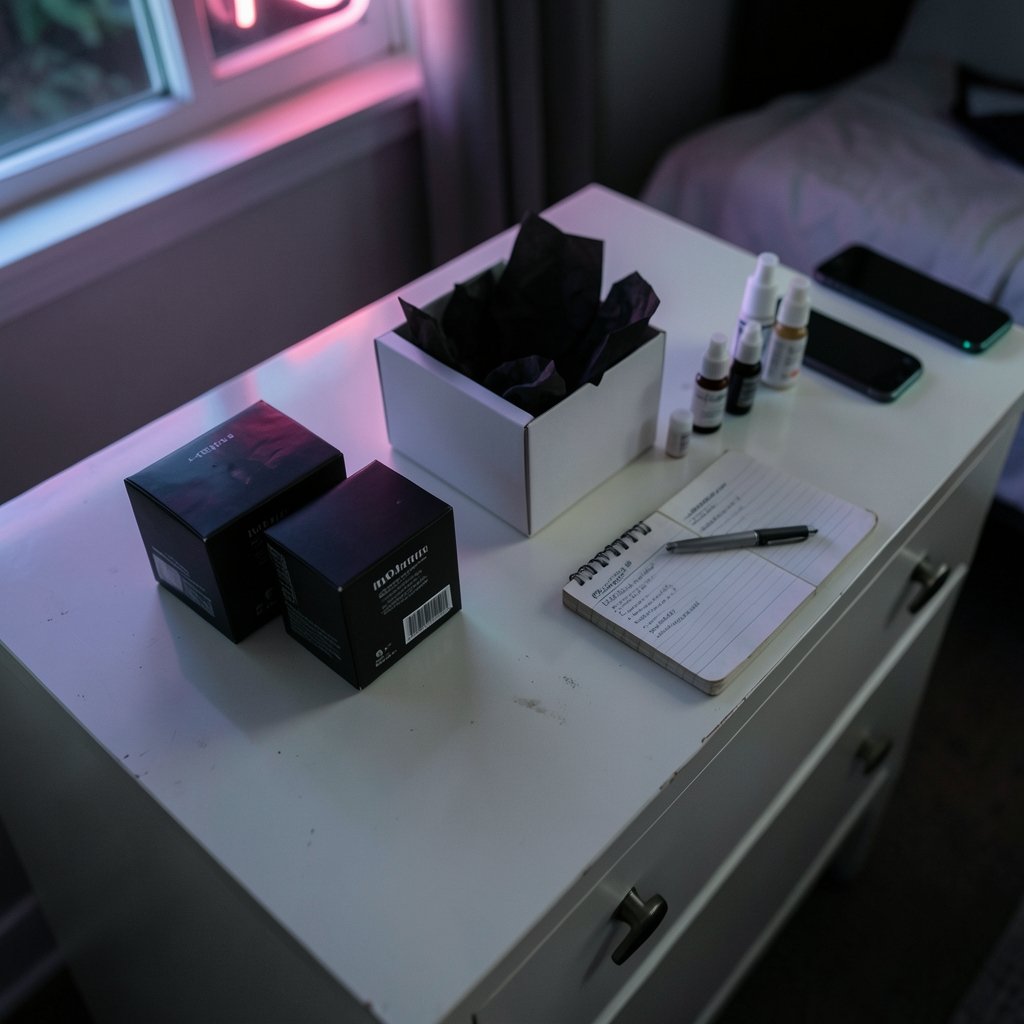
Sephora’s Cyber Week offers generally fall into a handful of recognizable buckets. Knowing them helps you judge whether a given day is worth your attention.
| Offer type | What it usually looks like | Best for |
|---|---|---|
| Rotating daily deals | A changing set of discounted items each day | Shoppers who check in daily |
| Gift sets and value kits | Bundled products at a lower combined price | Holiday gifting |
| Gift with purchase | A free item or sample bag above a spend threshold | Stocking up on staples |
| Loyalty-only access | Early or exclusive offers for program members | Frequent shoppers |
| App and email exclusives | Codes or previews sent to subscribers | Deal hunters who plan ahead |
The daily rotation is the part that trips people up. A product discounted on Tuesday may be full price by Thursday. That is not a trick; it is the format. The practical takeaway is to keep a wishlist and check it against each day’s offers rather than scrolling the whole site from scratch.
Gift sets deserve special attention during this window. Bundles often deliver more value per ounce than individual products, and they double as ready-made presents. The catch is that popular sets sell out early, sometimes before the deepest discounts appear.
Loyalty Status Changes Everything
Sephora’s Beauty Insider program is the single biggest factor in what you can actually buy during Cyber Week. Members typically get earlier access, and higher tiers sometimes see offers that never appear publicly. If you are not a member, signing up before the event costs nothing and usually gives you at least a preview.
There is a second, quieter benefit: points. Purchases during the holiday window still earn points, and those points can be redeemed later for rewards. A shopper who buys during Cyber Week and again in January is effectively stacking two rounds of value.
The mistake here is assuming that everyone sees the same store. They do not. Two people can open the same app on the same day and see different banners, different thresholds, and different freebies. If a friend mentions a deal you cannot find, check whether it is tier-specific or app-only before assuming it sold out.
Timing: When the Best Offers Usually Land
Timing is where most shoppers lose money. The instinct is to buy on the first day something looks discounted. The better instinct is to know which days matter.
Black Friday itself tends to bring broad offers and strong gift-set value. The weekend between Black Friday and Cyber Monday often features rotating deals that change daily. Cyber Monday frequently closes out the event with online-focused offers, sometimes with free shipping thresholds lowered to capture last-minute buyers.
A few practical rules hold up year after year:
- Buy essentials you already use when the price is right, not because a countdown timer says so.
- Wait on new-to-you products unless the discount is unusually deep.
- Screenshot the price you saw so you can compare it later.
- Check the return window before checkout, since holiday policies sometimes differ.
- Set a budget before the event starts and treat it as a hard ceiling.
That last point matters more than it sounds. Beauty sales are designed to encourage adding one more small item to reach a free-shipping threshold. Those add-ons are where budgets quietly disappear.
Common Mistakes That Cost Shoppers Money
A few errors show up again and again during Cyber Week.
Buying before checking the daily rotation. If a deal runs all week, waiting a day costs nothing. If it is a one-day offer, you will know quickly.
Ignoring value kits in favor of single products. A set that includes a full-size hero product plus travel sizes often beats a modest percentage off one item.
Forgetting about samples and freebies. These are not the main event, but they add real value, especially on replenishment orders. The same logic applies to packaging and presentation if you are assembling gifts for other people, which is why bulk options like luxury gift bags wholesale come up in holiday planning conversations. Presentation is part of the gift, and the cost of nice packaging adds up fast if you buy it piece by piece.
Chasing thresholds. Spending forty dollars to get a ten-dollar freebie is not a saving. It is a purchase you did not plan.
Assuming the lowest price is on Cyber Monday. Sometimes it is. Sometimes Black Friday wins. Sometimes a midweek rotation beats both. There is no universal rule, which is why a short list and a quick daily check outperform a single big shopping session.
What Actually Works in Practice
The shoppers who come out ahead tend to follow a simple routine. They build a wishlist in the weeks before the event. They note the regular price of each item so they can recognize a genuine discount. They check the app once in the morning and once in the evening during the promotional window. And they buy gifts early, because the best sets disappear first.
It also pays to separate two kinds of purchases. Restocking a cleanser or mascara you already love is a low-risk buy at almost any discount. Trying a new serum, foundation shade, or fragrance is a higher-risk buy, because shade matching and skin compatibility do not improve with a sale. For anything you have never tested, a sample or a travel size is usually the smarter move, even if the full size is discounted.
Another underrated tactic is reading the fine print on multi-day offers. Some promotions apply only to specific categories, some exclude value sets, and some require a minimum spend before the discount applies. Skimming those details takes thirty seconds and prevents most checkout surprises.
If you enjoy following retail discount patterns more broadly, the way brands stagger markdowns across seasons is worth studying. The same staged-release thinking shows up in fashion promotions, and a look at Aritzia sale dates illustrates how a single retailer can run several distinct promotional phases in one season.
How Sephora’s Event Compares to Other Retailers
Sephora’s Cyber Week is less aggressive on headline discounts than some competitors, but it compensates with loyalty perks, gift sets, and beauty-specific value. A shopper comparing it to a general retailer should weigh three things: whether the brand is excluded from the sale, whether the freebie is something they will actually use, and whether the loyalty tier includes a better version of the same offer.
The comparison also depends on what you are buying. Fragrance and prestige skincare rarely see deep cuts, so a modest discount plus a gift with purchase can be the realistic ceiling. Mass-market categories sometimes see steeper markdowns, but the base prices are already lower. Judging a sale by percentage alone can be misleading.
One more comparison point: shipping. Free-shipping thresholds often shift during Cyber Week, and the difference between a thirty-five-dollar and a fifty-dollar minimum changes how you build your cart. Checking that number before you shop is a small habit with an outsized effect.
A Realistic Plan for the Week
Here is a plan that fits how the event actually unfolds.
Before the event: join the loyalty program, download the app, enable notifications, and write a list of five to ten items with their regular prices.
Black Friday: focus on gift sets and anything on your list that is genuinely discounted. Do not buy filler to hit a threshold.
The weekend: check the daily rotation each morning. Buy only items from your list.
Cyber Monday: use this as a cleanup day for anything still on your list, and confirm the return policy before checkout.
After the event: note what you paid so next year’s planning starts from real numbers instead of memory.
That last step is the one almost nobody does, and it is the one that compounds. A simple note in your phone about what you bought, what you paid, and whether it was worth it turns next year’s Cyber Week from a scramble into a checklist.
Conclusion
Sephora’s Cyber Week sale is not a single dramatic event. It is a layered, status-sensitive, day-by-day program where the best outcomes go to shoppers who plan a short list, know their prices, and resist the pull of thresholds and countdown timers. The discounts are real, but they reward attention more than urgency. Treat the week as a series of small decisions rather than one big splurge, and the savings tend to take care of themselves.
Frequently Asked Questions
Does Sephora have a Cyber Week sale every year?
Sephora typically runs holiday promotions that span Black Friday through Cyber Monday, and the event usually extends into the days surrounding them. The exact format, discount depth, and daily schedule change from year to year, so shoppers should confirm the current offers in the app rather than relying on prior years.
Do I need to be a Beauty Insider to get the best deals?
Membership is free and generally improves access. Members often see early previews, app-only offers, and tier-specific promotions that non-members do not. Higher tiers sometimes get additional rewards, so joining before the event starts is a low-effort way to widen your options.
Are the daily deals the same for everyone?
No. Offers can vary by loyalty tier, by whether you are shopping in the app or on the website, and by region. If a deal you heard about is not visible on your account, it may be gated rather than sold out.
Is Cyber Monday better than Black Friday at Sephora?
It depends on what you want. Black Friday tends to favor gift sets and broad holiday offers, while Cyber Monday often emphasizes online-focused deals and shipping incentives. Because daily rotations change, the better approach is to track your specific list across both days instead of assuming one is always stronger.
Do gift sets sell out during Cyber Week?
Popular sets often do, especially bundles featuring well-known products. If a specific set is on your list for gifting, buying earlier in the window is usually safer than waiting for a deeper discount that may never come.
How can I avoid overspending during the sale?
Set a budget and a short list before the event begins, note the regular price of each item, and treat free-shipping thresholds as a reason to remove items rather than add them. Checking the app twice a day is enough to catch rotating deals without turning the week into a full-time scrolling habit.









