


What if the difference between a great outdoor weekend and a forgettable one came down to a single gadget that fits in your palm? Portable Bluetooth speakers have quietly become one of the most competitive corners of consumer audio, and that’s good news for buyers. Prices have dropped, batteries have stretched, and rugged waterproofing has trickled down to budget models. But the sheer number of options also makes choosing harder than it should be.
This roundup cuts through the noise with specific, named speakers that reviewers have actually tested. Each pick below covers who it suits, what it does well, and one honest limitation. Prices appear only where published reviews stated them, so treat them as a starting reference rather than a promise.
Quick Comparison of the Top Picks
| Speaker | Best for | Key strength | Watch out for | Stated price |
|---|---|---|---|---|
| JBL Flip 7 | All-around outdoor use | Detailed sound, IP68, Auracast | No USB-C cable in box | $150 / £130 |
| JBL Go 5 | Tight budgets and pockets | Tiny, app EQ, stereo pairing | Limited battery life | $49.95 |
| Bose SoundLink Flex (2nd Gen) | Balanced portable sound | IP67, compact design | No longer a top-tier pick for some reviewers | $149 |
| JBL Charge 6 | Longer trips | Detachable handle, power-bank style charging | Bulkier than a pocket speaker | Not stated in results |
| Anker Soundcore Boom 2 | Bass lovers on a budget | Strong bass, app EQ, IPX7 | No dust rating | $129.99 |
| Sonos Roam | Smart-home fans | Wi-Fi plus Bluetooth, sleek design | Battery trails rivals | $179 |
| JBL Clip 5 | Hiking and clipping on | IP67, multipoint, EQ app | Small driver means modest bass | $79.95 |
| Tribit small speaker | Shower and desk use | LED halo, 7-hour battery, IP67 | Controls hard to see in some spots | Not stated in results |
JBL Flip 7: The Best All-Around Portable Speaker
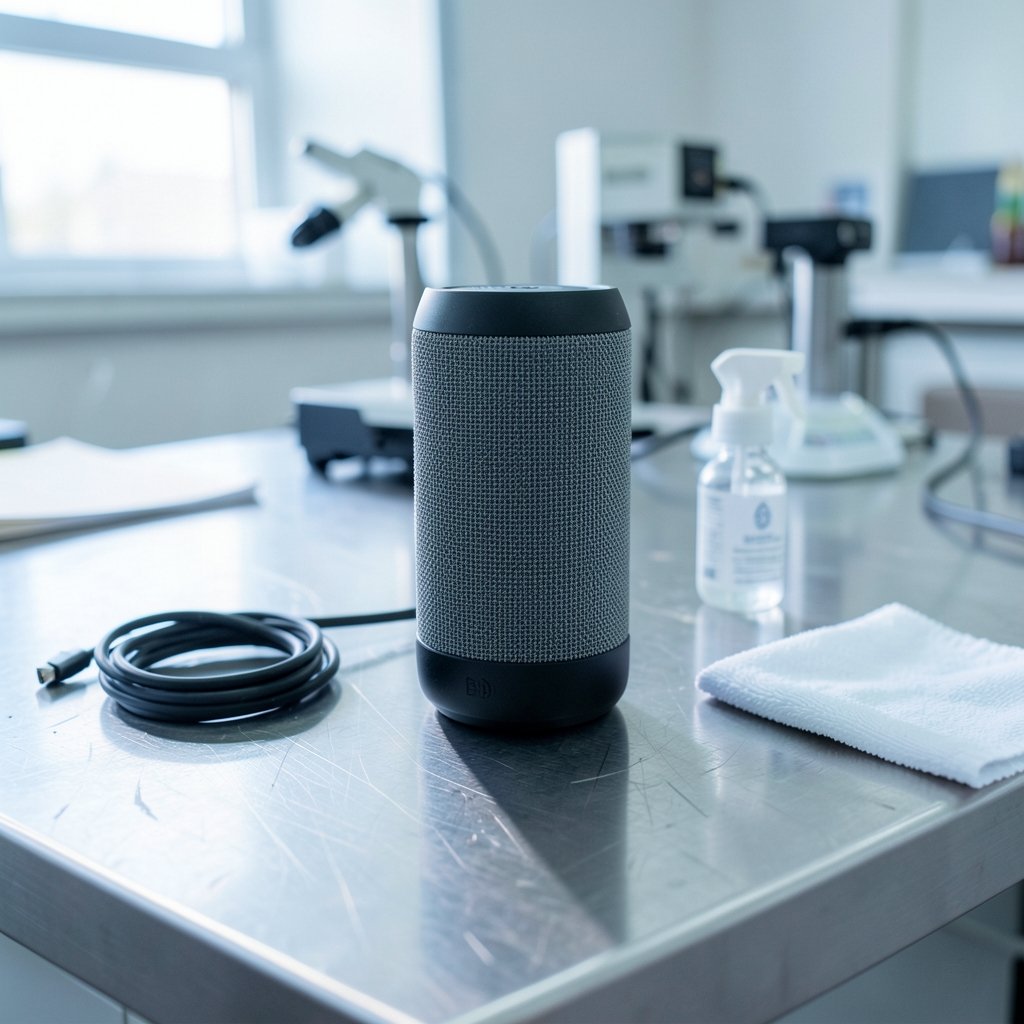
The JBL Flip 7 is the pick most people should start with. Testers describe its sound as more detailed, livelier and rhythmically satisfying than any Flip before it, and it adds wired USB-C playback with 24-bit/96kHz support, a first for the range. Auracast lets you link compatible speakers for bigger sound, and battery life stretches to 16 hours with Playtime Boost.
It suits campers, tailgaters, and anyone who wants one speaker for kitchen, patio, and trail. The IP68 rating means dust and water are non-issues. The limitation stings a little: there’s no USB-C cable in the box, which feels stingy at this price. At $150/£130, though, it earns its spot. If you’re building a car setup around your phone, the same pairing logic applies to best bluetooth car adapters that actually work in real cars.
JBL Go 5: Best Cheap Speaker That Still Sounds Good
The JBL Go 5 is the “throw it in a bag and forget it” option. Reviewers call it an accomplished upgrade over the already excellent Go 4, with the JBL companion app offering EQ adjustment and stereo pairing via Auracast. PlaytimeBoost adds a few extra hours when you need them.
It suits students, commuters, and anyone who wants sound without spending real money. The bass won’t boom like the brand’s bigger models, and battery life is fairly limited, so it’s a short-session speaker rather than a weekend workhorse. At $49.95, it’s an easy entry point.
Bose SoundLink Flex (2nd Gen): Best for Balanced Sound
Bose’s SoundLink Flex (2nd Gen) remains a good portable option even though it’s no longer a main pick for every reviewer. Its compact design and IP67 rating make it well suited to outdoor listening, and the sound is balanced rather than bass-heavy.
It suits listeners who value clarity over thump, and people who want a speaker that looks at home on a shelf. The catch is competitive pressure: at $149, newer rivals offer more features for similar money. If you’re weighing portable gear beyond audio, the same “specs versus real-world use” tension shows up when you pick the best portable air conditioner for a hot room.
JBL Charge 6: Best for Long Trips and Bigger Spaces
The JBL Charge 6 keeps roughly the same portable form factor as its predecessor, but JBL added a detachable handle and redesigned the body. Reviewers still rate the older Charge 5 highly and note that discounts on it are worth considering now that the newer model is out.
This is the pick for people who want volume, stamina, and the ability to top up a phone from the speaker’s battery. The trade-off is size: it’s not a pocket speaker, and it costs more than the Flip line. If you’re packing for a trip, the same space-planning thinking applies to best portable travel exercises that actually fit in a carry-on.
Anker Soundcore Boom 2: Best Bass for the Money
The Anker Soundcore Boom 2 is the value bass champion. Reviewers highlight its strong bass performance, IPX7 waterproofing, and a companion app with customizable EQ, all at $129.99. It competes well against more expensive boomboxes.
It suits party hosts, garage tinkerers, and bass lovers who don’t want to spend Bose money. The limitation: there’s no dust-resistance rating, so it’s a pool speaker rather than a beach-and-desert one. Its bigger sibling, the Boom 2 Plus, adds LED lighting and a charge-out port but costs considerably more.
Sonos Roam: Best for Smart-Home Households
The Sonos Roam is the smallest and most affordable Sonos speaker, available in white or black at $179. It combines Bluetooth with Wi-Fi and supports the Sonos app, which reviewers note is no longer required for Bluetooth connection.
It suits people already invested in a Sonos home system who want one speaker that travels. The limitation is battery life, which trails several competing portables. It’s also a premium price for its size. If you want a bigger screen setup while traveling, see how to choose the best portable monitor for work and play.
JBL Clip 5: Best for Hiking and Clipping On
The JBL Clip 5 is built around its carabiner-style clip, making it the natural choice for backpack straps, bike handlebars, and shower hooks. It carries IP67 protection, multipoint connection, and a companion app with EQ options at $79.95.
It suits hikers, cyclists, and shower singers. The honest limitation is physics: a driver this small won’t deliver deep bass, so don’t expect party volume. For bigger adventures, pair it with a reliable power source, much like you’d choose a portable power station for real-world backup.
Tribit’s Small Speaker: Best Budget Shower Companion
Tribit’s compact model weighs just 0.4 pounds, comes in nine colors, and pairs 7 hours of rated battery life with IP67 waterproofing and multi-speaker pairing. Reviewers praise the LED halo on top, which cycles through colors in two modes.
It suits shower users and desk listeners who want a bit of personality. The limitation is visibility: the halo is slightly recessed, so you won’t see it if the speaker sits at eye level or higher, and the front volume and play/pause buttons aren’t illuminated. For road trips where the speaker tags along, a portable tire inflator from tested picks is the other glovebox essential.
How to Choose a Portable Bluetooth Speaker
Start with where the speaker will live. A shower or pool speaker needs at least IPX7; a beach or trail speaker benefits from IP67 or IP68, which adds dust protection. Then match size to use: pocket speakers trade bass for portability, while boomboxes trade portability for volume.
Check the connection details. USB-C charging is now standard, and some speakers offer USB-C audio playback or charge-out ports for your phone. Auracast and stereo pairing let you add a second speaker later. Finally, look at the app: EQ control can transform a budget speaker’s sound.
Common mistakes worth avoiding:
- Buying for peak volume instead of the volume you’ll actually use.
- Ignoring dust ratings if you’ll take it to the beach.
- Assuming a waterproof speaker floats. Not all do.
- Forgetting that box contents vary. Some models ship without a charging cable.
- Skipping the app, which often hides the best sound settings.
If your trips involve gear beyond audio, the same practical checklist approach helps when you pick the best bluetooth speaker without overpaying and when you pick portable car jump starters from tested picks for a dead battery.
Conclusion
The portable Bluetooth speaker market rewards a little homework. The JBL Flip 7 is the safest all-around buy for most people, the JBL Go 5 wins on price, the Soundcore Boom 2 delivers bass for less, and the Sonos Roam makes sense if your home already runs on Sonos. Match the rating to your environment, check what’s in the box, and download the companion app before you judge the sound. Do that, and you’ll end up with a speaker you actually use instead of one that collects dust.
Frequently Asked Questions
What is the best portable Bluetooth speaker overall?
The JBL Flip 7 is the strongest all-around choice for most buyers. Reviewers praise its detailed, lively sound, IP68 dust and water protection, Auracast linking, and up to 16 hours of battery with Playtime Boost. It costs $150/£130, and it doesn’t include a USB-C cable in the box.
Is IP67 or IP68 better for a portable speaker?
IP68 is the higher protection level because it certifies dust-tightness plus water immersion beyond what IP67 covers. IP67 still handles dust and short immersion, which is plenty for pools and rain. IPX7 covers water only, with no dust rating, so it’s a weaker fit for beaches and trails.
Do cheap Bluetooth speakers sound bad?
Not necessarily. The JBL Go 5 at $49.95 earns praise for energetic sound and app-based EQ, and the Soundcore Select 4 Go at $34.99 offers IP67 protection and EQ options. Budget speakers give up bass depth and battery life rather than basic listenability.
Can I connect two portable speakers together?
Yes, if both support the same pairing standard. JBL’s Auracast lets compatible speakers link for bigger sound, and the Tribit model supports multi-speaker pairing. Check compatibility before buying, since older JBL speakers aren’t supported by Auracast.
How long should a portable speaker’s battery last?
Expect roughly 7 hours from tiny budget models and up to 16 hours from mid-size speakers with battery-saving modes. Boombox-style models can reach around 14 hours. Real-world runtime drops at high volume, so plan for less than the rated figure.
Is a Wi-Fi speaker better than a Bluetooth one?
Wi-Fi adds multi-room audio and voice assistants, while Bluetooth travels anywhere without a network. The Sonos Roam offers both, which suits smart-home users. For pure outdoor use, Bluetooth alone keeps things simple and battery-friendly.
One last practical note: prices move, and several of these models are frequently discounted, so check current listings before committing. The Flip 7 and Charge 6 are the most likely to see seasonal cuts, while the Go 5 and Soundcore Select 4 Go hover near impulse-buy territory year-round. Whichever you choose, test it at moderate volume first, confirm the app connects cleanly, and keep the box and receipt until you’re satisfied. A speaker that fits your routine beats a spec-sheet winner every time.
That final advice matters most for the Flip 7 and Charge 6, since both sit close enough in price that a modest markdown can flip the decision. If you’re torn between them, let the handle and charge-out port settle it: the Charge 6 earns its extra bulk on longer trips, while the Flip 7 stays the easier carry for daily use. Either way, register the speaker with the manufacturer, note the warranty period, and recheck the app after the first firmware update, which sometimes resets a custom EQ profile. Buy for the trips you actually take, and the right speaker will keep earning its place in your bag for years.






