


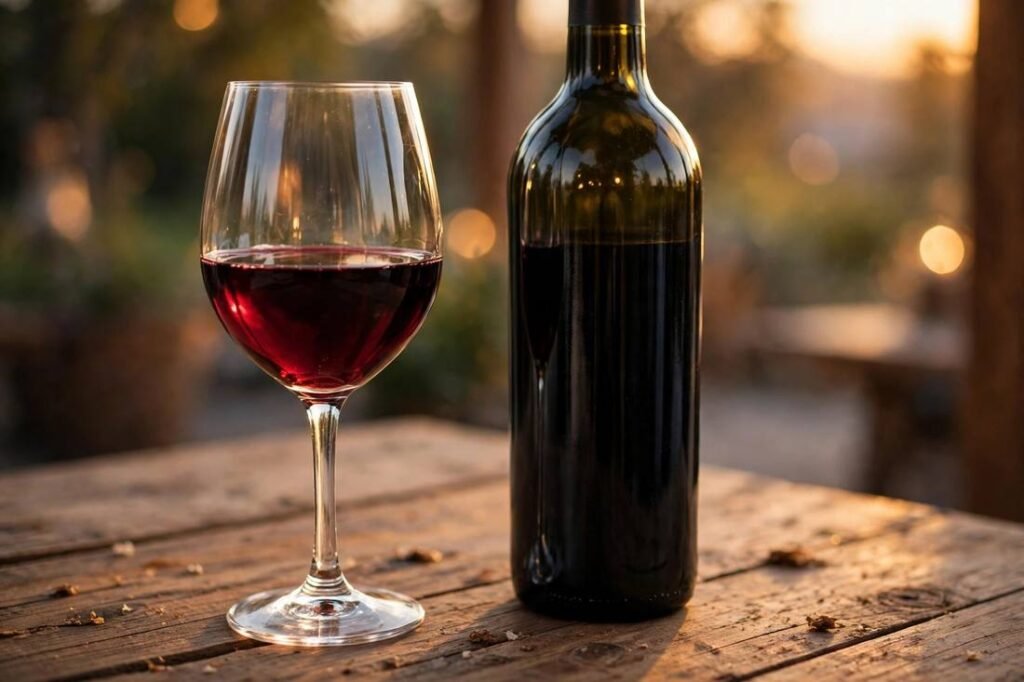
The best Pinot Noir in 2027 is the bottle that rewards patience, and that is why choosing one can feel harder than it should. Pinot Noir is the red wine that wine lovers talk about most, yet two bottles with the same grape on the label can taste completely different. One is pale, silky and fragrant with red cherry; the other is darker, earthier and built for the cellar.
So which Pinot Noir should you buy? For most drinkers, a Pinot Noir from Oregon’s Willamette Valley is the safest choice: silky, fragrant and food-friendly, with red cherry and a gentle earthiness. If you want the classic, a Burgundy from France offers more finesse, while Central Otago in New Zealand brings riper fruit. This guide compares ten styles, so you can find the one that fits your table, your food and your taste.
Key takeaways:
- Pinot Noir is a thin-skinned red grape that makes pale, silky wines with red cherry, raspberry and earthy, floral notes.
- An Oregon Willamette Valley Pinot Noir is the best all-round choice for most drinkers, balancing fruit, freshness and food-friendliness.
- Burgundy in France, Sonoma in California, and Central Otago and Marlborough in New Zealand all make distinctive versions worth trying.
- Serve Pinot Noir slightly cool, and drink most bottles within a few years.
What makes a great Pinot Noir?
A great Pinot Noir starts with perfume. The wine should smell inviting from the first swirl, with notes of red cherry, raspberry, rose and a hint of forest floor. Pinot Noir is a thin-skinned grape, so the wine is paler than most reds and lighter in tannin, the drying grip you feel in a big Cabernet. That lightness is the point.
Balance matters just as much as perfume. The best bottles pair bright acidity with silky tannins and enough fruit to carry the structure, without any single element shouting over the rest. Cooler sites give more finesse and red fruit, while warmer sites give darker fruit and a little more weight. Oak should support the wine, adding a touch of spice, rather than drowning it. A little whole-bunch fermentation can add spice and structure too. When the balance is right, the wine feels effortless.
Where does the best Pinot Noir come from?
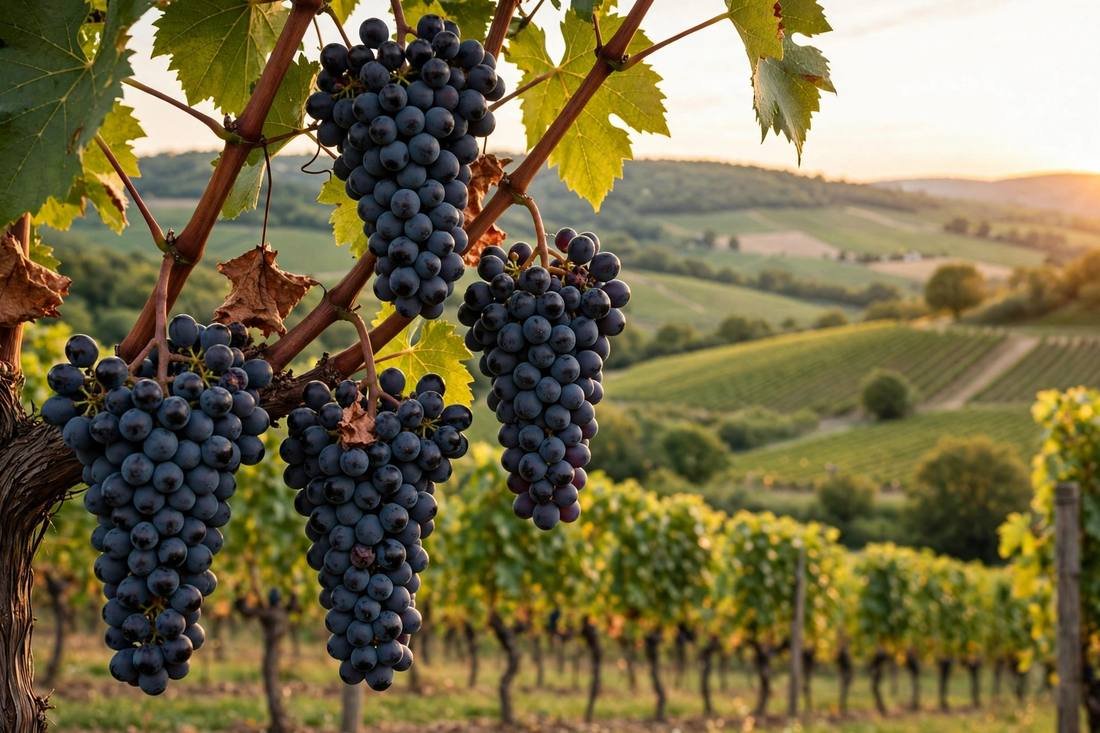
Burgundy, in eastern France, is the home of Pinot Noir. The grape has grown there for centuries, and the region’s limestone soils and cool climate produce wines of great finesse, with red cherry, rose, earth and a savoury depth that rewards patience. The finest Burgundies are among the most sought-after wines in the world,
Beyond France, Oregon’s Willamette Valley is the most celebrated New World home of the grape, with a cool climate that suits it well. California’s Sonoma Coast and Russian River Valley make riper, plusher styles, while New Zealand’s Central Otago and Marlborough offer bright fruit and a fresh, herbal edge. Australia’s Yarra Valley and Tasmania, Chile’s coastal valleys and Germany, where the grape is called Spätburgunder, all make fine Pinot Noir too.
The 10 best Pinot Noir styles in 2027
These ten styles cover the full range of Pinot Noir, from the palest, most delicate Burgundies to the ripest New World wines. Use them as a map for the wine shelf, whatever is in stock.
1. Burgundy Pinot Noir
The classic Burgundy style is the benchmark: pale ruby, silky and fragrant, with red cherry, rose and an earthy, savoury depth.
Best for: drinkers who want the classic, most refined style.
2. Willamette Valley Pinot Noir
Oregon’s Willamette Valley makes Pinot Noir with a balance of fruit and freshness: red cherry, raspberry and a gentle earthiness.
Best for: most buyers who want a silky, food-friendly red.
3. Sonoma Coast Pinot Noir
Sonoma Coast Pinot Noir is riper and plusher than the Burgundy style, with dark cherry, plum and a touch of spice.
Best for: drinkers who like a richer, fruit-forward red.
4. Central Otago Pinot Noir
Central Otago, in New Zealand’s South Island, makes Pinot Noir with ripe dark cherry, a hint of thyme and a firm, structured feel.
Best for: a structured, dark-fruited Pinot Noir.
5. Marlborough Pinot Noir
Marlborough Pinot Noir is bright and aromatic, with red cherry, raspberry and a fresh herbal note.
Best for: a bright, aromatic red for everyday drinking.
6. Yarra Valley Pinot Noir
The Yarra Valley, near Melbourne, makes elegant Pinot Noir with red cherry, strawberry and a savoury, forest-floor note.
Best for: elegant, savoury Pinot Noir with food.
7. Tasmanian Pinot Noir
Tasmania’s cool climate suits Pinot Noir well, producing pale, fragrant wines with red cherry, rose and a crisp acidity.
Best for: lovers of delicate, fragrant reds.
8. Chilean Coastal Pinot Noir
Chile’s coastal valleys make Pinot Noir with ripe red fruit, a touch of spice and a soft, approachable character.
Best for: a soft, approachable Pinot Noir at a fair price.
9. German Spätburgunder
Spätburgunder is the German name for Pinot Noir: pale, fresh and food-friendly wines with red cherry, a hint of smoke and a fine, silky texture.
Best for: a fresh, food-friendly red from Germany.
10. Martinborough Pinot Noir
Martinborough, in New Zealand’s North Island, makes Pinot Noir with dark cherry, plum and a savoury, spicy edge.
Best for: a structured Pinot Noir to cellar briefly.
How do the best Pinot Noir styles compare?
| Style | Region | Body | Key flavours | Best for |
|---|---|---|---|---|
| Burgundy | Burgundy, France | Light to medium | Red cherry, rose | Classic finesse |
| Willamette Valley | Oregon, USA | Medium | Red cherry, raspberry | Everyday drinking |
| Sonoma Coast | California, USA | Medium to full | Dark cherry, plum | Richer reds |
| Central Otago | New Zealand | Medium to full | Dark cherry, thyme | Structured reds |
| Marlborough | New Zealand | Light to medium | Red cherry, herbal | Aromatic reds |
| Yarra Valley | Australia | Light to medium | Red cherry, savoury | Food pairing |
| Tasmania | Australia | Light | Red cherry, rose | Delicate reds |
| Chilean Coastal | Chile | Medium | Red fruit, spice | Casual drinking |
| German Spätburgunder | Germany | Light to medium | Red cherry, smoke | Food pairing |
| Martinborough | New Zealand | Medium | Dark cherry, spice | Cellaring |
If you want finesse, look to Burgundy, Tasmania or the Yarra Valley. If you want richness, look to Sonoma or Central Otago. A fuller red such as Cabernet Sauvignon suits a different kind of meal entirely.
How to serve Pinot Noir
Serve Pinot Noir slightly cool, around cellar temperature, in a large-bowled glass that lets the aromas gather. A wide bowl suits the grape’s perfume, and a gentle swirl releases the cherry and rose notes. A decanter is not needed for most bottles, though older wines benefit from a gentle pour.
Most Pinot Noir is best drunk within a few years of the vintage, while the fruit is fresh and the perfume is at its brightest. The finest Burgundies and the most structured New World wines can age longer. Store bottles lying down in a cool, dark place, and once opened, keep the bottle corked and finish it within a day or two.
What food pairs best with Pinot Noir?
Pinot Noir is one of the most versatile red wines with food, because its acidity and silky tannins flatter a wide range of dishes. Roast chicken, duck and pork all sit happily beside it, and it is the classic partner for salmon, the rare red wine that suits oily fish. It is also a fine partner for a simple roast pork. Mushroom dishes are another natural match.
The wine also works with lighter fare: a mushroom burger with melted cheese, charcuterie, soft cheeses such as Brie, and even a tuna steak. Our guide to the best cheese for burgers will help if you are building the meal around a burger night. For a festive table, a glass of sparkling wine for mimosas is a different kind of pleasure, but Pinot Noir holds its own at brunch too, beside eggs and smoked salmon. Avoid very spicy food, which can fight with the wine’s delicacy.
Pinot Noir buying checklist
Use this checklist before you buy, and you will avoid the most common mistakes.
- Decide on the style first: pale and delicate, or dark and structured.
- Check the region: Burgundy for classic finesse, Willamette Valley for balance, Central Otago for dark fruit, Marlborough for brightness.
- Look at the vintage and buy the most recent one for lighter styles, which are best drunk while the fruit is fresh.
- Read the back label for clues about body and character, and ask the shop staff if the description is unclear.
- Match the bottle to the food: salmon, duck and mushroom dishes suit Pinot Noir, while a big steak needs a firmer red.
- Serve the wine slightly cool, in a large-bowled glass, and give it a gentle swirl before the first sip.
- Buy from a shop that stores its wine away from heat and bright light, and avoid bottles that have been sitting in a sunny window.
Frequently asked questions
Is Pinot Noir a light or full-bodied wine?
Pinot Noir is generally light to medium-bodied, paler and softer than most red wines. It has lighter tannins and a silkier texture than Cabernet Sauvignon or Syrah, which is why it feels elegant rather than powerful.
What does Pinot Noir taste like?
Pinot Noir tastes of red cherry, raspberry and strawberry, often with floral notes of rose and violet, and an earthy, savoury character that wine lovers call forest floor. Cooler regions give more red fruit and perfume, while warmer regions give darker fruit and a touch of spice.
What is the best Pinot Noir for beginners?
A Willamette Valley Pinot Noir from Oregon is the best starting point, because it is silky, fragrant and easy to drink, with familiar flavours of red cherry and raspberry. Once you know you enjoy that style, try a Burgundy for more finesse, or a Central Otago for more structure.
How long does an open bottle of Pinot Noir last?
An open bottle of Pinot Noir keeps for a day or two, sealed with its cork or a wine stopper and kept in a cool place. Lighter styles fade fastest, while more structured styles hold up a little longer. If the wine smells flat or vinegary, it has gone past its best.
Can Pinot Noir be aged?
Most Pinot Noir is made to be drunk within a few years of the vintage, while the fruit is fresh. The finest Burgundies and the most structured New World wines can age well. For everyday bottles, buy the current vintage and enjoy it soon.
What glass should I use for Pinot Noir?
Use a large-bowled red wine glass, which gives the wine room to breathe and lets the aromas gather. Pour less at a time, so the wine stays at the right temperature in the glass.
Sources
Decanter, Wine Spectator, Wine Enthusiast, The Wine Society, Jancis Robinson, Hugh Johnson’s Pocket Wine Book, Oz Clarke’s Wine Atlas.
The final pour
Pinot Noir is the grape that turns drinkers into collectors, and that is part of its charm. It never shouts, yet a good bottle quietly makes a meal better and an evening more memorable. The ten styles in this guide are a starting point, not a finish line, and the best way to find your favourite is to taste your way through them, one bottle at a time.
Start with a Willamette Valley bottle, then try a Burgundy for finesse and a Central Otago for structure. Then buy a bottle of it, serve it slightly cool, and pour it beside something simple and good.
Please enjoy Pinot Noir responsibly. Drink in moderation, never drink and drive, and follow the drinking guidelines in your country. If you are pregnant or under the legal drinking age, do not drink at all.






