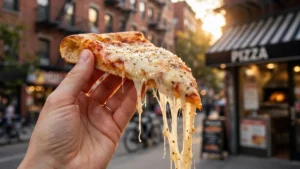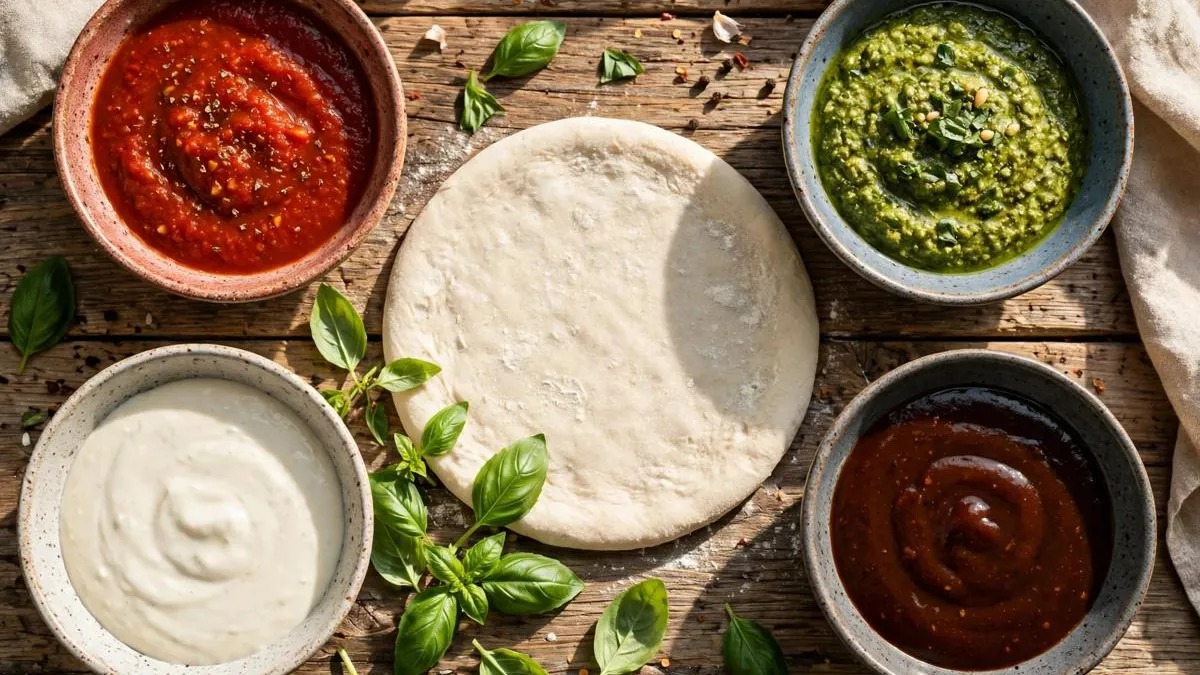

The best pizza sauce is the one that makes the crust taste better, not the one that shouts loudest. A great sauce brings the whole pizza together: it moistens the base, carries the seasoning and gives the cheese and toppings something to lean on.
So which sauce should you spread on your pizza? A simple tomato sauce is the right answer for most pizzas, a white sauce suits a rich topping, and the best choice depends on what is going on top. This guide ranks the ten best pizza sauces in 2027, from the classic tomato to the ones worth trying when you want a change.
Key takeaways:
- A simple tomato sauce is the best all-rounder: bright, balanced and kind to almost any topping.
- Keep the sauce thick and spread it thinly, or the base will turn soggy in the middle.
- Match the sauce to the topping: white sauce for rich toppings, pesto for vegetables, barbecue for chicken and bacon.
- Season with salt, a pinch of sugar and dried oregano, and taste as you go.
What makes a good pizza sauce?

A good pizza sauce needs three things: a flavour that suits the toppings, a thickness that stays put on the base, and a seasoning that lifts the whole pizza. The flavour matters most, because the sauce is the first thing you taste after the crust.
Thickness is the simplest guide to how a sauce will behave in the oven. A sauce that is too thin runs to the edges and soaks into the dough, leaving a soft middle. A sauce that is too thick sits in a heavy layer and tastes pasty. The right sauce spreads in a thin, even coat and stays where you put it.
Seasoning is the third test. Tomatoes need salt to taste of themselves, and a pinch of sugar takes the sharp edge off a sour tin. Dried oregano and a little garlic give a classic pizzeria flavour, while fresh basil is best added at the end, so its scent survives the heat. Taste the sauce cold before it goes on the pizza.
How much sauce should you use?
Most pizzas need less sauce than you think: about three to four tablespoons for a standard 30-centimetre base. Spread it in a spiral from the centre, leaving a border of about two centimetres for the crust. You should still be able to see the dough through the sauce in places.
The 10 best pizza sauces in 2027
1. Classic tomato sauce
Classic tomato sauce is the default pizza sauce for a reason. It is made from crushed or passata tomatoes, garlic, olive oil, salt and a little oregano, and it tastes bright, sweet and savoury all at once. It suits almost every topping, from a plain Margherita to a loaded pepperoni.
Keep it simple and let the tomatoes do the work. A short simmer thickens the sauce, and a pinch of sugar balances a sharp tin. Our guide to the best cheese for pizza pairs well with it, because mozzarella and tomato are the classic partners.
Best for: almost any pizza.
2. Marinara sauce
Marinara is the lighter, fresher cousin of the classic tomato sauce. It is usually uncooked or only briefly simmered, with tomatoes, garlic, olive oil and oregano, and it tastes brighter and more herbal than a long-cooked sauce. That freshness makes it the sauce of a Neapolitan-style pizza, where the topping is simple.
Use it on a pizza with few toppings and a hot oven, so the sauce keeps its brightness. It also suits seafood or fresh mozzarella, where a heavy sauce would get in the way.
Best for: a Neapolitan-style pizza.
3. San Marzano tomato sauce
San Marzano tomatoes are grown in the volcanic soil near Naples, and they are prized for pizza because they are naturally sweet, low in acid and low in seeds. A sauce made from them tastes richer and smoother than one made from ordinary tinned tomatoes.
Crush the tomatoes by hand, add salt, a little olive oil and a torn basil leaf, and leave it uncooked. Cooking it for too long dulls the sweetness that makes these tomatoes worth buying.
Best for: a Margherita where the tomato is the star.
4. White sauce
White sauce is the best choice when there is no tomato on the pizza at all. It is usually a simple béchamel made from butter, flour and milk, sometimes enriched with cream or garlic, and it tastes mild, creamy and rich. It gives the base a soft layer that suits toppings a tomato sauce would overwhelm.
Spread it thinly, because a thick layer can turn heavy in the oven. It pairs beautifully with mushrooms, spinach, chicken and cured ham, and it is the sauce for a four-cheese pizza.
Best for: a rich, creamy pizza.
5. Pesto sauce
Pesto brings a completely different flavour to a pizza: fresh basil, garlic, pine nuts, Parmesan and olive oil, blended into a vivid green sauce. It is herbal, salty and nutty, and it turns a plain pizza into something that tastes of summer.
Use it sparingly, because pesto is intense and a little goes a long way. It suits courgette, cherry tomatoes and roasted peppers, and it pairs well with mozzarella and goat’s cheese. Add it after baking if you want the basil to stay bright.
Best for: a vegetable pizza.
6. Barbecue sauce
Barbecue sauce is the sauce for an American-style pizza. It is sweet, smoky and tangy, usually made from tomatoes, brown sugar, vinegar and smoked paprika, and it turns a pizza into a hearty meal. It is the natural partner for chicken, bacon, red onion and sweetcorn.
Spread it thinly, because barbecue sauce is sweeter and stickier than tomato sauce and can easily dominate. Smoked Gouda or cheddar works better than mozzarella here, because their flavours stand up to the sweetness. A sturdy base matters too, as our guide to the best deep-dish pizza in Chicago shows.
Best for: a barbecue chicken pizza.
7. Arrabbiata sauce
Arrabbiata is a tomato sauce with a kick, made with garlic, tomatoes and dried chilli. It tastes like a classic tomato sauce with a warm, slow heat that builds as you eat. The chilli lifts the whole pizza without changing what it is.
Use a light hand with the chilli, because the heat grows in the oven. It pairs well with pepperoni, sausage and roasted peppers, and it suits a pizza whose toppings are mild and need a lift.
Best for: a spicy pepperoni pizza.
8. Garlic and olive oil
Garlic and olive oil is the simplest sauce on this list, and sometimes the best. A thin layer of good olive oil brushed over the base, with finely chopped garlic and a pinch of salt, gives the pizza a warm, savoury flavour without any tomato at all.
Keep the garlic fine and the layer thin, because garlic burns easily and tastes bitter when it does. It suits a white pizza with mushrooms, spinach or clams, and it is the classic base for a pizza with no cheese.
Best for: a simple white pizza.
9. Vodka sauce
Vodka sauce is a pink, creamy tomato sauce made with tomatoes, cream and a splash of vodka, which helps the flavours blend and gives the sauce a silky texture. It tastes rich and gently tangy, with the brightness of tomato and the comfort of cream.
Simmer the sauce until it thickens, because a thin vodka sauce will soak the base. It pairs beautifully with fresh mozzarella and basil, and it is the sauce to try when a plain tomato sauce feels familiar.
Best for: a creamy tomato pizza.
10. Buffalo sauce
Buffalo sauce is the boldest sauce on this list. It is made from hot sauce and melted butter, and it tastes tangy, buttery and spicy all at once. It is the sauce for a chicken pizza, where it brings the flavour of buffalo wings to a pizza base.
Use it in a thin layer and let the chicken carry the heat, because a thick layer can overwhelm the crust. A drizzle of ranch or a scattering of blue cheese on top cools the heat.
Best for: a buffalo chicken pizza.
How do the best pizza sauces compare?
| Sauce | Flavour | Richness | Best with |
|---|---|---|---|
| Classic tomato | Bright and savoury | Light | Almost any pizza |
| Marinara | Fresh and herbal | Light | A Neapolitan pizza |
| San Marzano | Sweet and smooth | Light | A Margherita |
| White sauce | Mild and creamy | Rich | Mushrooms and ham |
| Pesto | Herbal and nutty | Medium | Vegetables |
| Barbecue | Sweet and smoky | Medium | Chicken and bacon |
| Arrabbiata | Tomato with heat | Light | Pepperoni |
| Garlic and olive oil | Warm and savoury | Light | A white pizza |
| Vodka sauce | Creamy and tangy | Rich | Mozzarella and basil |
| Buffalo | Tangy and spicy | Medium | Buffalo chicken |
Your pizza sauce checklist
Work through this list before the sauce goes on the base, and the pizza will behave itself.
- Start with tomato: a simple tomato sauce is the most reliable choice and the hardest to get wrong.
- Keep it thick: the sauce should coat a spoon, not run off it, or the base will turn soggy.
- Spread it thinly: three to four tablespoons is enough for a standard pizza, with a clear border for the crust.
- Season and taste: salt, a pinch of sugar and dried oregano, tasted cold before it goes on the pizza.
- Match the sauce to the topping: white sauce for rich toppings, pesto for vegetables, barbecue for chicken.
- Do not overload the base: too much sauce makes the middle soft and the cheese slide.
- Make it ahead: a sauce made the day before tastes better, and it keeps in the fridge for five days.
Frequently asked questions
What is the best sauce for a homemade pizza?
A simple tomato sauce made from crushed tomatoes, garlic, olive oil and salt is the best choice for most homemade pizzas. It is bright, balanced and forgiving.
Should pizza sauce be cooked before it goes on the pizza?
It depends on the sauce. A classic tomato sauce benefits from a short simmer to thicken it, while a marinara or a San Marzano sauce is often left raw so the tomato stays bright.
Why is my pizza soggy in the middle?
The usual cause is too much sauce, or a sauce that is too thin. Use three to four tablespoons, spread it thinly, and simmer the sauce until it coats a spoon.
Can I use pasta sauce on a pizza?
Yes, and a simple marinara-style pasta sauce works well, because it is already seasoned and thick enough to spread. Avoid a very sweet or watery one, and drain off any excess liquid first.
How long does homemade pizza sauce keep?
A tomato-based sauce keeps in the fridge for up to five days in a sealed container, and it freezes well for up to three months. Cool it quickly after cooking.
The bottom line
The best pizza sauce is the one that suits the pizza in front of you. A simple tomato sauce is the safest all-rounder, a San Marzano sauce is the choice when the tomato is the star, and the rest of the list is about matching flavour to mood: white sauce for richness, pesto for vegetables, barbecue for chicken, arrabbiata for heat.
Your next step is simple: make a classic tomato sauce, spread it thinly, and taste it before it goes on the base. If you want to go further, our guide to the best cheese for pizza covers the melt that turns a good sauce into a great pizza. A quick food-safety note: cool leftover sauce quickly, keep it in the fridge, and use it within five days.