Dry, cracked lips are one of the most common beauty complaints, and one of the easiest to misjudge. A lip balm that feels good for ten minutes is not the same as a lip balm that actually repairs the lip barrier. Many balms rely on wax and fragrance to create a pleasant first impression, then wear off quickly and leave lips drier than before. The result is a cycle of constant reapplying, and lips that never really recover.
The difference comes down to ingredients and staying power. A genuinely hydrating lip balm combines humectants that draw moisture in, emollients that soften, and occlusives that seal moisture in place. It should feel comfortable, not sticky or waxy, and it should still be working an hour after you apply it. Price is a poor guide on its own. Some of the most effective lip balms cost very little, and some of the most expensive are mostly packaging.
Below are nine lip balms worth considering in 2027, from a classic pharmacy staple to a cult-favourite overnight mask. Each one is described by what it is good at, what to watch for, and who it suits best, so you can choose with your lips in mind, not just a bestseller list.
Key takeaways
- A good lip balm combines humectants, emollients and occlusives, so it hydrates and seals moisture in, rather than just coating the lips.
- Fragrance, flavour and menthol can feel pleasant at first but often irritate dry or cracked lips, so fragrance-free formulas are the safer starting point.
- Petrolatum, shea butter, ceramides and hyaluronic acid are among the most reliable ingredients for dry, chapped lips.
- Apply lip balm before bed, before lipstick, and before going out in cold or windy weather, and reapply after eating and drinking.
- No lip balm heals deeply cracked, bleeding or persistently peeling lips on its own, and lips that do not improve within two weeks deserve a closer look.
What a hydrating lip balm actually does
Lips are different from the rest of your skin. They have no oil glands of their own, and the skin on them is thinner than on your face. That is why they dry out faster, why cold wind and central heating hit them first, and why a face moisturiser is rarely enough on its own. A lip balm works by replacing what lips cannot produce for themselves: a barrier that slows water loss and gives the skin underneath time to repair.
That barrier needs three kinds of ingredients to work well. Humectants such as hyaluronic acid and glycerin draw water into the skin. Emollients such as shea butter and squalane soften and smooth the surface. Occlusives such as petrolatum and beeswax sit on top and stop moisture escaping. A balm that has only one of the three will feel incomplete. A wax-only balm coats without hydrating. A humectant-only balm can feel wet and then dry out faster. The best formulas balance all three.
What a lip balm does not do is work instantly. Chapped lips improve over days of consistent use, not hours. If your lips are flaking, resist the urge to peel the flakes, which tears healthy skin and restarts the cycle. Gentle exfoliation once a week, followed by a thick layer of balm, is kinder and more effective than picking. And if your lips sting every time you apply a balm, the formula is probably the problem, not your lips.
How we chose these lip balms and what to look for
Look first at the ingredient list. Petrolatum is the single most effective occlusive for lips, which is why it appears in so many of the best formulas, including the simplest pharmacy options. Shea butter and ceramides add softness and barrier support. Hyaluronic acid and glycerin add hydration. A short, recognisable ingredient list is usually a good sign. A long list of fragrances, flavourings and essential oils is usually not, especially for sensitive lips.
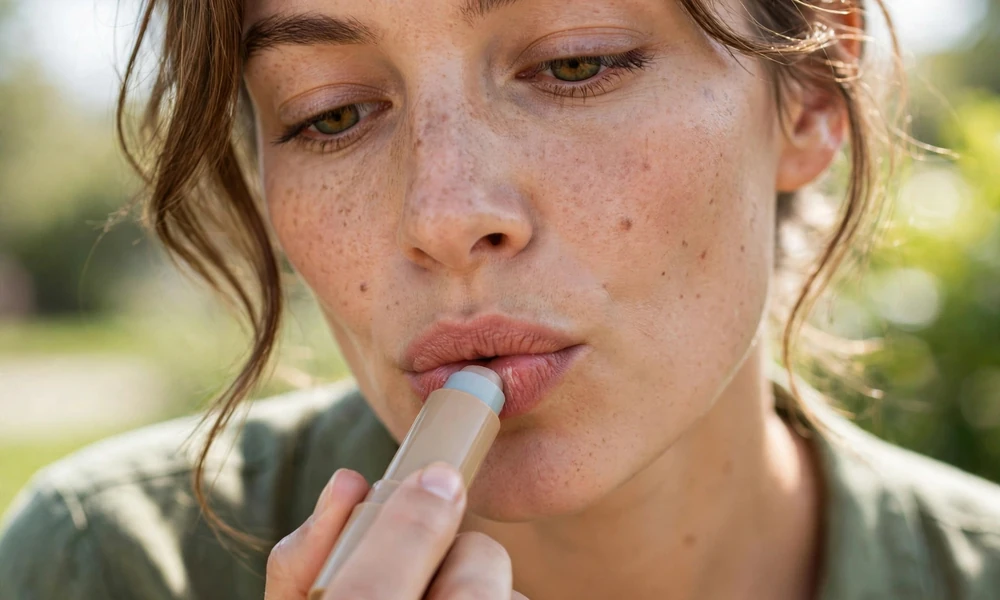
Look next at the texture and the finish. A balm you enjoy using will be used far more often than one you tolerate, and frequency matters more than any single ingredient. A smooth, non-sticky texture that layers well under lipstick is ideal for daytime. A thicker, richer ointment is better for overnight repair. A balm with a slight shine is fine. A balm that feels gritty, waxy or greasy usually is not worth the effort.
Finally, look at the format and the size. A tube is more hygienic than a pot, and easier to use on the move. A pot gives you more control over how much you apply, and is a good choice for a thick overnight layer. A small tube that fits in a pocket or handbag will be used daily. A large pot that stays at home will not. Our guide to the best lipsticks of 2027 explains why a smooth, hydrated base matters, because even the best lipstick looks uneven on dry, flaking lips.
The 9 best hydrating lip balms of 2027
Laneige Lip Sleeping Mask
What we like: A rich overnight mask with shea butter, vitamin C and a berry fruit complex, designed to soften lips while you sleep, with a smooth, non-sticky texture and a light, pleasant scent.
What to consider: Premium price for a lip product, and the pot format is less hygienic than a tube. Key ingredients: Shea butter, vitamin C, berry fruit complex. Skin type: Dry, normal, combination. Size: 20 g. Cruelty-free: No.
This is the overnight treatment other balms are measured against. Apply a thick layer before bed and wake up to noticeably softer lips. It is best as a night step, with a lighter balm for daytime.
Aquaphor Lip Repair
What we like: A fragrance-free, petrolatum-based formula with shea butter and chamomile essence, designed to repair severely dry lips, with a smooth texture and no flavour or scent.
What to consider: The texture is slightly thick, and it has no SPF. Key ingredients: Petrolatum, shea butter, chamomile essence. Skin type: Dry, sensitive, cracked. Size: 10 ml. Cruelty-free: No.
A practical, no-nonsense choice for lips that are already chapped. It is one of the most reliable options when other balms sting, because it has nothing in it to irritate.
CeraVe Healing Ointment Lip Balm
What we like: A ceramide-rich ointment with hyaluronic acid and petrolatum, fragrance-free, designed to support the lip barrier while it heals, with a smooth, non-greasy feel.
What to consider: A modest tube size, and the ointment texture is thicker than a standard balm. Key ingredients: Ceramides, hyaluronic acid, petrolatum. Skin type: Dry, sensitive, eczema-prone. Size: 10 ml. Cruelty-free: No.
A sensible pharmacy choice, especially if your lips are sensitive or your skin barrier is easily upset. The ceramides help it feel comfortable rather than simply coating.
Burt’s Bees 100% Natural Moisturizing Lip Balm
What we like: A classic beeswax-based balm with shea butter and vitamin E, affordable, widely available, with a light, natural texture and a subtle peppermint tingle.
What to consider: The peppermint can irritate very sensitive or cracked lips, and it is less occlusive than a petrolatum balm. Key ingredients: Beeswax, shea butter, vitamin E, peppermint oil. Skin type: Normal, dry. Size: 4.25 g. Cruelty-free: Yes.
The everyday staple for people who want a simple, natural-feeling balm and do not have severely chapped lips. Keep one in a coat pocket and one by the bed.
Summer Fridays Lip Butter Balm
What we like: A buttery, cushiony balm with shea butter, murumuru seed butter and vegan waxes, available in sheer tints, with a smooth finish that layers well under lipstick.
What to consider: Premium price, and the tinted shades are subtle rather than a replacement for lipstick. Key ingredients: Shea butter, murumuru seed butter, vegan waxes. Skin type: Dry, normal. Size: 15 g. Cruelty-free: Yes.
A good choice if you want a balm that feels like a treat and looks like a sheer gloss. The texture is genuinely comfortable, and the tube is easy to carry.
La Roche-Posay Cicaplast Lips
What we like: A repairing balm with shea butter, glycerin and panthenol, fragrance-free, designed for very dry and damaged lips, with a smooth, non-sticky texture.
What to consider: A small tube, and the texture is richer than a light daytime balm. Key ingredients: Shea butter, glycerin, panthenol. Skin type: Dry, sensitive, damaged. Size: 7.5 ml. Cruelty-free: No.
For lips that are cracked, sore or recovering from cold weather, this is one of the most soothing options. Panthenol helps calm irritation while the shea butter rebuilds softness.
Vaseline Lip Therapy Original
What we like: Pure petroleum jelly in a small, portable tin or tube, the most effective occlusive available, fragrance-free, and extremely affordable.
What to consider: It seals moisture in but does not add hydration on its own, so it works best over a hydrating balm or on already damp lips. Key ingredients: Petrolatum. Skin type: All, including very sensitive. Size: 20 g. Cruelty-free: No.
The simplest option, and often the most effective. Apply it over a hydrating balm at night, or on its own before going out in wind and cold, and it will keep moisture locked in for hours.
Dior Addict Lip Glow Balm
What we like: A sheer, colour-adapting balm with cherry oil and shea butter, with a luxurious texture, a subtle tint that suits most skin tones, and a polished finish.
What to consider: Luxury price, and the hydration is lighter than a dedicated repair balm. Key ingredients: Cherry oil, shea butter. Skin type: Normal, dry. Size: 3.2 g. Cruelty-free: No.
This is the balm to choose when you want hydration and a hint of colour in one step. It is a daytime, everyday option rather than an overnight repair treatment.
Rhode Peptide Lip Treatment
What we like: A glossy treatment with shea butter, peptides and cupuacu butter, designed to plump and soften lips, with a smooth, non-sticky shine and a range of sheer shades.
What to consider: Premium price, and the gloss finish is not for everyone. Key ingredients: Shea butter, peptides, cupuacu butter. Skin type: Dry, normal. Size: 10 ml. Cruelty-free: Yes.
A modern, glossy balm that works well as a daily hydrator and a sheer lip colour in one. The peptides add a plumping effect, and the texture stays comfortable for hours.
Which lip balm is right for your lips
Severely chapped or cracked lips need a repair-first formula. Choose a fragrance-free, petrolatum-based balm such as Aquaphor or CeraVe, and use it generously, especially overnight. Avoid anything with menthol, camphor, fragrance or flavour until the cracks have healed, because those ingredients sting and slow repair. A moisturiser for dry skin can help the skin around your lips too, but it is not a substitute for a dedicated lip barrier.
Everyday dry lips are easier to manage. A shea butter balm such as Burt’s Bees or Summer Fridays, used two or three times a day, is usually enough. Keep one where you will actually use it, in a handbag, a coat pocket, and by the bed, because a balm that stays in a drawer does not help anyone. Apply before lipstick, and let it absorb for a minute first, so the colour sits smoothly.
Sensitive lips need the simplest formula you can find. Fragrance-free, flavour-free and menthol-free is the rule. Vaseline Lip Therapy and La Roche-Posay Cicaplast Lips are both good starting points. If your lips react to many products, patch-test on the corner of your mouth for two days before using a new balm across your lips, and stop immediately if redness or swelling appears.
The caveats that matter
Lip balm is well tolerated by most people, but it is not a cure-all. It will not heal lips that are cracked because of a vitamin deficiency, a medication side effect, or an allergic reaction, and it will not work if you keep licking your lips, which dries them out further. It can also become a habit. If you find yourself reapplying every ten minutes, the balm may be the problem, especially if it contains menthol or camphor, which create a cooling sensation that feels like relief but dries lips over time.
| Detail | What is known |
|---|---|
| Most effective occlusive | Petrolatum, found in Aquaphor, CeraVe and Vaseline Lip Therapy |
| Best for severely chapped lips | Fragrance-free, petrolatum-based balms used generously, especially overnight |
| Ingredients to avoid on cracked lips | Menthol, camphor, fragrance, flavour and essential oils, which sting and irritate |
| When to apply | Before bed, before lipstick, before going out in cold or wind, after eating and drinking |
| How long to see results | Softer lips in a few days; fully healed lips in one to two weeks of consistent use |
| What not to do | Do not peel flakes, lick your lips, or reapply a menthol balm every few minutes |
| SPF | Lips need sun protection too; use a balm with SPF 30 when outdoors in strong sun |
| When to seek advice | If lips stay cracked, bleeding or peeling for more than two weeks, or swell repeatedly |
If you are using prescription skincare, such as a retinoid or an acne treatment, your lips may dry out more than usual. In that case, apply lip balm before your treatment, and again in the morning. That simple barrier step prevents much of the flaking that makes prescription routines hard to stick with.
Checklist: choosing a hydrating lip balm honestly
Use these checks before you buy, and again after a week of use.
- Check the ingredients: petrolatum, shea butter, ceramides or hyaluronic acid, and no fragrance or menthol if your lips are cracked.
- Check the texture: smooth and comfortable, not gritty, waxy or sticky, and still working an hour after you apply it.
- Check the format: a tube for daytime and travel, a pot or thick ointment for overnight repair.
- Patch-test first: apply to the corner of your mouth for two days before using a new balm across your lips.
- Apply at the right times: before bed, before lipstick, before going out in cold or wind, and after eating and drinking.
- Protect from the sun: use a lip balm with SPF 30 outdoors in strong sun, because lips burn easily and heal slowly.
Frequently asked questions
How often should I apply lip balm?
Two to four times a day is enough for most people, plus before bed and before going out in cold weather. If you need to reapply every few minutes, the formula is probably drying your lips out, often because of menthol or camphor.
Can lip balm make lips drier?
Yes, if it contains menthol, camphor, fragrance or flavouring. These ingredients create a cooling or tingling feeling that seems like relief, but they irritate the skin and increase water loss over time. Switch to a fragrance-free, petrolatum-based balm.
Should I exfoliate my lips?
Gently, and only once a week. A soft toothbrush or a gentle sugar scrub removes flakes, but over-exfoliating tears healthy skin and makes lips worse. Always follow with a thick layer of balm. Our guide to lip exfoliation at home explains the safest way to do it.
Do I need a lip balm with SPF?
Yes, when you are outdoors in strong sun. Lips have very little melanin and burn easily. A lip balm with SPF 30 protects against sunburn and the darkening and fine lines that sun damage causes on the lips.
What is the best lip balm for overnight use?
A thick ointment or mask, such as Laneige Lip Sleeping Mask, Aquaphor Lip Repair or Vaseline Lip Therapy. Apply a generous layer before bed, so it has hours to work without being eaten, drunk or wiped away.
Can I wear lipstick over lip balm?
Yes. Apply the balm first, let it absorb for a minute, then blot lightly and apply lipstick. This gives a smoother finish and stops lipstick from settling into dry lines. Matte lipsticks especially benefit from a hydrated base.
The bottom line
The best hydrating lip balm in 2027 is not the most expensive or the most fashionable. It is the one with the right ingredients for your lips, that you will use several times a day, and that still feels comfortable an hour after you apply it. For severely chapped lips, a fragrance-free, petrolatum-based balm is the most reliable choice. For everyday dryness, a shea butter balm is usually enough. For overnight repair, a thick mask or ointment does the best work.
Choose one balm, use it consistently for two weeks, stop licking and peeling, and judge it on how your lips feel in the morning, not on how it feels in the first minute. That is the honest way to get soft, healthy lips, without the cycle of constant reapplying that makes dry lips worse.