Dry skin is not just a winter problem, and it is not solved by a heavier cream alone. It is skin that loses water faster than it can hold it, so it feels tight after washing, looks dull by midday, flakes around the nose and brows, and makes fine lines look deeper than they are. A good moisturiser does not just sit on top of that. It helps skin hold water, repairs the barrier that keeps water in, and leaves skin feeling comfortable for hours, not just for the ten minutes after you apply it.
The problem is that many moisturisers labelled for dry skin are either too light to last, too heavy to wear under makeup, or full of fragrance that irritates skin that is already dry and reactive. The best ones are simpler than they look: a mix of humectants that draw in water, emollients that soften skin, and occlusives that seal moisture in, in a texture you actually enjoy using twice a day.
Below are nine moisturisers worth considering in 2027, from affordable, fragrance-free creams to richer, luxury formulas for very dry and mature skin. Each one is described by what it is good at, what to watch for, and who it suits best, so you can choose by your skin, not just by the jar.
Key takeaways
- Dry skin needs a moisturiser with humectants, emollients and occlusives together, not just a rich texture on its own.
- Ceramides, hyaluronic acid, glycerin, squalane and shea butter are the ingredients most worth looking for in a dry-skin moisturiser.
- Apply moisturiser to slightly damp skin, morning and night, and use a pea-sized amount for the face, more for the neck.
- Fragrance-free formulas are usually the safest choice for dry, sensitive or easily irritated skin.
- No moisturiser can permanently cure very dry skin on its own, and persistent cracking, itching or redness should be checked by a dermatologist.
What dry skin actually needs from a moisturiser
Dry skin is usually a barrier problem as much as a moisture problem. The outer layer of skin is meant to act like a wall, keeping water in and irritants out. When that wall is damaged by cold weather, hot showers, harsh cleansers or over-exfoliation, water escapes, skin feels tight, and even gentle products can sting. A good moisturiser helps repair that wall while it adds moisture, which is why ceramides are so often mentioned in dry-skin formulas. They are lipids that occur naturally in skin, and replacing them helps the barrier work properly again.
Humectants are the second part of the picture. Hyaluronic acid and glycerin draw water into the upper layers of skin, which is why they help skin look plumper and feel less tight. On their own, in a very dry climate, they can sometimes leave skin feeling drier, because there is little moisture in the air to draw in. That is why a good dry-skin moisturiser pairs them with emollients, such as squalane and shea butter, which soften and smooth, and occlusives, such as petrolatum and dimethicone, which form a light seal and slow water loss.
Texture matters more than most people expect, because the best moisturiser is the one you will use twice a day. A thick cream is comforting at night and in winter, but it can feel heavy under sunscreen and makeup in the morning. A gel-cream is lighter and easier to layer, but it may not be enough on its own for very dry skin. Many people with dry skin end up using a lighter moisturiser in the morning and a richer one at night, and that is a sensible, practical split.
How we chose these moisturisers and what to look for
Look first at the ingredient list, not the marketing on the front of the jar. Ceramides, hyaluronic acid, glycerin, squalane, niacinamide and shea butter are all good signs. Petrolatum, often listed as petroleum jelly, is one of the most effective occlusives, and a formula that includes it is often more effective than a purely botanical cream, even if it sounds less luxurious. Fragrance-free is worth seeking out, because fragrance is a common irritant for dry, sensitive skin, and it adds nothing to how well a moisturiser works.
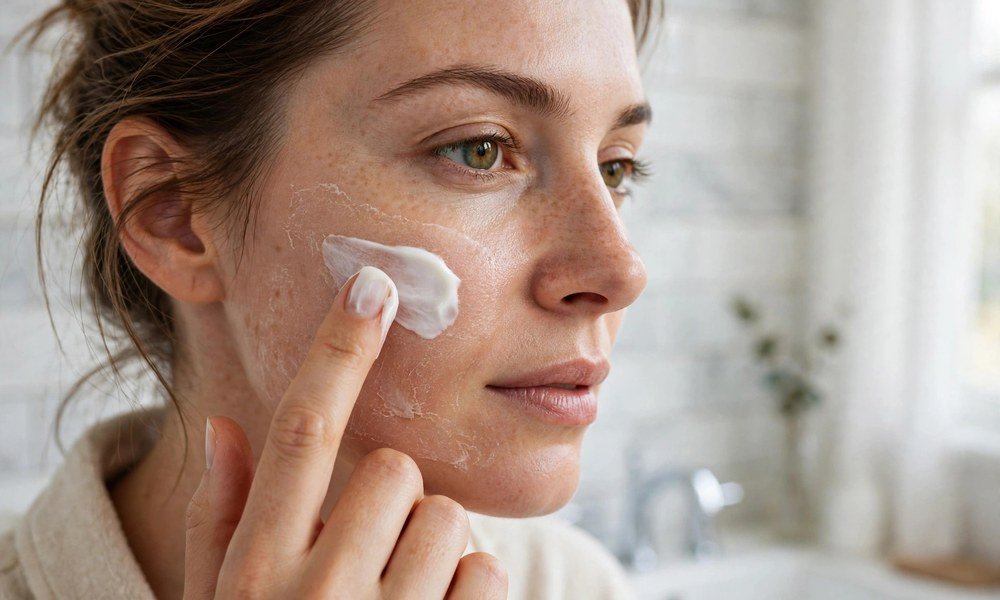
Look next at the texture and the finish. A good dry-skin moisturiser should absorb without leaving a sticky film, and skin should still feel comfortable four to six hours later, not tight again by lunchtime. If you wear makeup, test how it layers. A moisturiser that pills under foundation, or that makes sunscreen slide off, will not get used every morning, however good its ingredient list is. Our guide to the skin barrier explains why that comfort matters, because a moisturiser that supports the barrier is doing more than adding temporary softness, it is helping skin hold moisture on its own over time.
Finally, look at the size and the price per use. A large tub of a simple, effective cream is often better value than a small jar of a luxury cream, especially if you use moisturiser on your face and neck twice a day, and sometimes on your hands as well. Luxury formulas can be lovely, and some are genuinely better, but a high price does not automatically mean better hydration. Judge a moisturiser on how your skin feels at the end of the day, not on how the jar looks on a shelf.
The 9 best moisturisers for dry skin in 2027
CeraVe Moisturizing Cream
What we like: A rich, fragrance-free cream with three ceramides, hyaluronic acid and petrolatum, in a large, affordable tub that lasts for months.
What to consider: The texture is thick and plain, so it is not a luxury experience, and it can feel heavy under makeup if you use too much. Key ingredients: Ceramides, hyaluronic acid, petrolatum. Skin type: Dry, very dry, sensitive. Size: 340 g tub, also available in smaller sizes. Cruelty-free: No.
La Roche-Posay Lipikar AP+M Triple Repair Moisturizing Cream
What we like: A rich, fragrance-free cream with ceramides, shea butter, glycerin and niacinamide, designed for very dry, sensitive and eczema-prone skin.
What to consider: It is a body and face cream, so the texture is richer than a dedicated face cream, and the tub is large. Key ingredients: Ceramides, shea butter, glycerin, niacinamide. Skin type: Very dry, sensitive, eczema-prone. Size: 400 ml. Cruelty-free: No.
Vanicream Moisturizing Cream
What we like: A very plain, fragrance-free cream with ceramides and petrolatum, free from common irritants, and widely recommended for sensitive and allergy-prone skin.
What to consider: It is deliberately simple, so it has no anti-ageing actives or luxury texture, and the tub is large and plain. Key ingredients: Ceramides, petrolatum, glycerin. Skin type: Dry, very dry, sensitive. Size: 453 g tub. Cruelty-free: No.
Neutrogena Hydro Boost Gel-Cream
What we like: A light, fragrance-free gel-cream with hyaluronic acid that absorbs quickly, feels cooling, and layers well under sunscreen and makeup.
What to consider: It is lighter than a rich cream, so very dry skin may need a richer moisturiser on top, especially in winter. Key ingredients: Hyaluronic acid, glycerin, dimethicone. Skin type: Dry, normal, combination. Size: 50 ml. Cruelty-free: No.
Aveeno Eczema Therapy Daily Moisturizing Cream
What we like: A fragrance-free cream with colloidal oatmeal, ceramides and petrolatum, designed to soothe itchy, very dry skin and support the barrier.
What to consider: It is a treatment-style cream rather than a luxury one, and the oatmeal scent is plain, not perfumed. Key ingredients: Colloidal oatmeal, ceramides, petrolatum. Skin type: Very dry, sensitive, eczema-prone. Size: 311 g. Cruelty-free: No.
Eucerin Advanced Repair Cream
What we like: A rich, fragrance-free cream with ceramides, urea and natural moisturising factors, designed for very dry, rough skin on the face and body.
What to consider: The texture is thick, so use a small amount on the face, and it is best as a night or winter cream for many people. Key ingredients: Ceramides, urea, glycerin. Skin type: Very dry, rough, mature. Size: 454 g tub. Cruelty-free: No.
Kiehl’s Ultra Facial Cream
What we like: A classic, fragrance-free cream with squalane, glycerin and ceramides, with a smooth, comfortable texture that suits daily use and layers well.
What to consider: It is mid-priced, and very dry skin may still want a richer night cream in winter. Key ingredients: Squalane, glycerin, ceramides. Skin type: Dry, normal, sensitive. Size: 50 ml, also available in larger sizes. Cruelty-free: No.
Drunk Elephant Bora Barrier Rich Repair Cream
What we like: A rich, fragrance-free cream with ceramides, squalane, shea butter and niacinamide, designed to repair a damaged barrier and comfort very dry skin.
What to consider: Premium-priced, and the texture is rich, so it is best as a night cream or a winter cream for many people. Key ingredients: Ceramides, squalane, shea butter, niacinamide. Skin type: Dry, very dry, sensitive. Size: 50 ml. Cruelty-free: Yes.
Tatcha The Dewy Skin Cream
What we like: A rich, luxurious cream with hyaluronic acid, squalane, ceramides and Japanese purple rice, with a dewy, glowing finish that suits dry and mature skin.
What to consider: Luxury-priced, and the dewy finish is not for everyone, especially if you prefer a matte look under makeup. Key ingredients: Hyaluronic acid, squalane, ceramides, Japanese purple rice. Skin type: Dry, normal, mature. Size: 50 ml. Cruelty-free: No.
Which moisturiser is right for your skin type
Very dry skin usually needs a thick cream with ceramides and petrolatum, used morning and night, and sometimes a thin layer of a plain occlusive on top at night in winter. Very dry skin often absorbs it happily, and stays comfortable all day rather than tight by mid-afternoon.
Dry, sensitive skin needs the same richness, but without fragrance and without strong actives in the moisturiser itself. Keep the moisturiser plain, and put any active, such as vitamin C in the morning, in a separate, gentle step. Our guide to the best vitamin C serums is useful here, because a gentle vitamin C serum can brighten dry, dull skin, but only if the moisturiser underneath is keeping the barrier calm and comfortable.
Dry, mature skin often benefits from a richer cream with squalane, ceramides and niacinamide, and from using a lighter moisturiser in the morning and a richer one at night. Fine lines look deeper when skin is dry, so consistent moisturising can make skin look smoother within days.
The caveats that matter
A moisturiser cannot fix every cause of dryness. Hot showers, harsh cleansers, over-exfoliation and low humidity strip moisture faster than a cream can replace it. Lukewarm water, a gentle cleanser, and a moisturiser applied to damp skin are often more effective together than a more expensive cream used on its own.
Dry skin can also be a sign of something else. Eczema, psoriasis, and other skin conditions cause dryness, itching and flaking that a regular moisturiser can soothe but not treat. If your skin cracks, bleeds, itches constantly, or does not improve after a few weeks of gentle care, speak to a dermatologist rather than trying stronger and stronger creams.
| Detail | What is known |
|---|---|
| Best ingredients to look for | Ceramides, hyaluronic acid, glycerin, squalane, shea butter, petrolatum |
| When to apply it | Morning and night, on slightly damp skin, after serum and before sunscreen in the morning |
| How much to use | A pea-sized amount for the face, more for the neck, and a thin layer at night if skin is very dry |
| Who should choose fragrance-free | Dry, sensitive, reactive or eczema-prone skin, and anyone whose skin stings easily |
| What to avoid | Harsh foaming cleansers, hot showers, strong exfoliants, and fragrance in a daily moisturiser |
| How long to see results | Comfort and softness in days; a stronger barrier and less flaking in two to four weeks |
| When to see a dermatologist | If skin cracks, bleeds, itches constantly, or does not improve after a few weeks of gentle care |
| What it does not do | It does not cure eczema or psoriasis, remove deep wrinkles alone, or replace sunscreen |
If you use prescription skincare or have a skin condition that flares easily, check with your dermatologist before changing your moisturiser.
Checklist: choosing a moisturiser for dry skin honestly
Use these checks before you buy, and again after two weeks of use.
- Check the ingredients: ceramides, hyaluronic acid, glycerin, squalane or shea butter should be on the list.
- Check for fragrance: choose fragrance-free if your skin is dry, sensitive or easily irritated.
- Check the texture: it should absorb without a sticky film, and skin should still feel comfortable four to six hours later.
- Patch-test first: apply to your jawline or inner arm for two to three days before full-face use, especially if your skin is reactive.
- Apply to damp skin: moisturise after washing, while skin is still slightly damp, to help lock in water.
- Protect the result: use sunscreen every morning, and avoid hot showers and harsh cleansers that strip moisture.
Frequently asked questions
How often should I moisturise dry skin?
Twice a day, morning and night, is enough for most people. Apply to slightly damp skin after washing, and use a richer cream at night if your skin still feels tight by the evening.
Can I use a body moisturiser on my face?
Sometimes, yes, especially if it is fragrance-free and rich in ceramides, as many body creams are. It can feel heavy under makeup, so many people use a lighter face cream in the morning and a richer body-style cream at night.
Why does my skin still feel dry after moisturising?
It may be that the moisturiser is too light, that you are applying it to completely dry skin, or that a harsh cleanser, hot water or over-exfoliation is stripping moisture faster than the cream can replace it. Try a richer cream, apply to damp skin, and simplify the rest of your routine.
Is hyaluronic acid enough for dry skin on its own?
Usually not. Hyaluronic acid draws water into skin, but it needs an emollient and an occlusive, such as squalane, shea butter or petrolatum, to keep that water from evaporating. A serum with hyaluronic acid works best under a moisturiser, not instead of one.
Can dry skin be sensitive too?
Yes, very often. Dry skin has a weaker barrier, so it is more easily irritated by fragrance, strong actives and harsh cleansers. Choose fragrance-free formulas, introduce one active at a time, and keep the routine simple. If your skin is red as well as dry, our guide to rosacea may help you tell the difference between simple dryness and a condition that needs a dermatologist.
Do I still need sunscreen if my skin is dry?
Yes, every day. Sun damage dries skin further and makes fine lines look deeper, and it undoes the work of a good moisturiser. Choose a sunscreen that feels comfortable on dry skin, and apply moisturiser first, then sunscreen.
The bottom line
The best moisturiser for dry skin in 2027 is not the most expensive or the richest on the shelf. It is the one with ceramides, hyaluronic acid and a good occlusive, in a fragrance-free texture you enjoy using twice a day, that leaves your skin comfortable for hours, not just for a few minutes. For very dry skin, that usually means a thick, plain cream. For dry skin that is not extremely reactive, a rich, comfortable cream with squalane and niacinamide can be just as effective, and more pleasant to use.
Choose one moisturiser, use it morning and night on slightly damp skin, simplify the rest of your routine, and judge it after two to four weeks on how your skin feels at the end of the day. That is the honest way to find a moisturiser that actually helps dry skin, rather than one that just feels good for an hour.