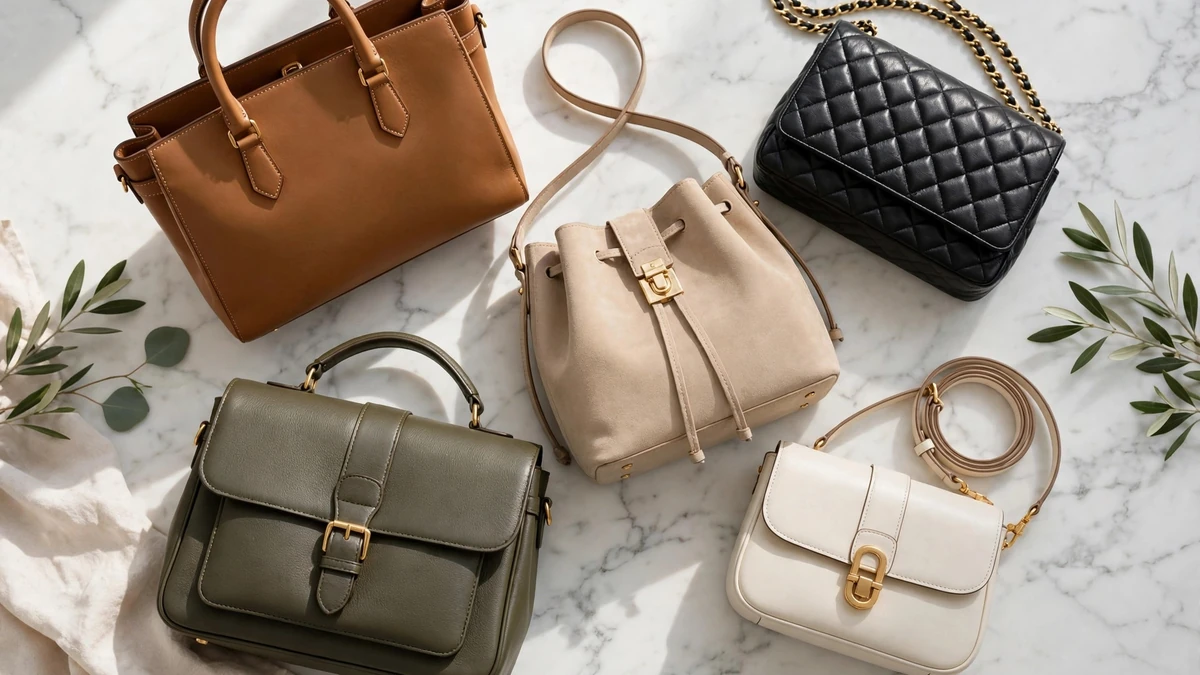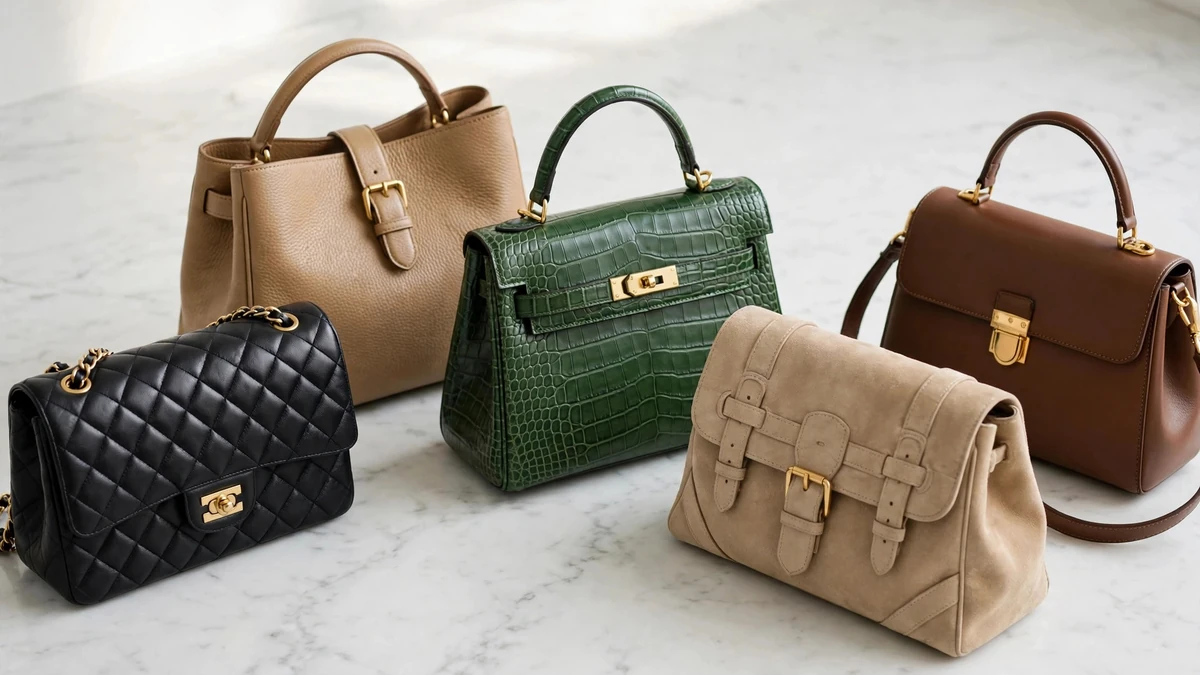

An investment bag is not simply an expensive bag. It is a bag that holds its value, and sometimes gains value, long after you buy it. Most handbags lose a large share of their price the moment they leave the shop. A small group does the opposite: their resale prices stay close to, or above, the original retail price, because demand outstrips supply, the craftsmanship is hard to reproduce, and the design has not changed in decades.
That combination is rare, and it rests on three things: scarcity, desirability, and durability. Scarcity comes from limited production and waiting lists. Desirability comes from a design that has stayed relevant for years. Durability comes from materials and construction that survive daily use and can be repaired by the brand. When all three are present, the resale market does the rest.
Below are nine bags worth considering in 2027, from the Birkin to the Speedy. Each one is described by what it does well, what to watch for, and who it suits best, so you can choose with your wardrobe and budget in mind.
Key takeaways
- The bags that hold their value best combine scarcity, lasting desirability, and durable construction.
- Classic, neutral colours in the most popular sizes resell best, while seasonal colours and unusual sizes are harder to sell.
- Condition, full packaging, and proof of purchase can make a difference of hundreds or thousands.
- Buying from the brand or an authorised retailer is the safest route, because the most valuable bags are the most counterfeited.
- No bag is a guaranteed financial investment, and resale values can fall as well as rise.
What makes a bag an investment bag
An investment bag earns its name on the resale market, not on the shop floor. Resale platforms publish data on which bags sell for the highest percentage of their original price, and the same names appear year after year. Hermès leads by a wide margin, with the Birkin and Kelly reselling above retail.
What these bags share is controlled supply. Hermès makes the Birkin in limited numbers and allocates it to clients with a purchase history. Chanel raises its prices regularly. Louis Vuitton and Dior keep their iconic styles in production for decades.
The other shared quality is repair. A house that will restore, re-stitch, and re-edge a bag after years of use protects its value in a way no other feature can. A bag that can be sent back to the atelier and returned looking close to new is one a second buyer will pay for with confidence. That is why keeping the box, dust bag, receipt, and authenticity card is part of the investment.
How we chose these bags and what to look for
Look first at resale data, not at marketing. The bags on this list consistently appear at the top of resale-value reports, holding the highest percentage of their retail price over several years.

Look next at size and colour. The most popular sizes resell best: the Birkin 25 and 30, the Classic Flap medium and large, the Neverfull medium. Neutral colours are the safest choices, because they appeal to the most buyers. A bright seasonal colour narrows the resale market sharply.
Finally, look at how you will actually use the bag. An investment bag you never carry is a missed opportunity, and a bag you carry every day will show wear. The right choice is the one that fits your life: a structured top-handle for work, a shoulder bag for daily errands, a tote for travel. Our guide to the handbag trends of 2027 shows which shapes have the staying power to still look right in five years.
The 9 best investment bags of 2027
Hermès Birkin
What we like: The strongest resale record of any bag, regularly selling above retail, handmade by a single craftsperson. What to consider: Extremely hard to buy at retail, with allocation based on purchase history, and resale prices can be several times retail. Founded: Hermès, 1837; the Birkin was created in 1984. Best for: Collectors and anyone seeking the strongest value retention. Price range: From around $10,000 at retail, often far higher at resale. Signature: The structured shape, lock and keys, saddle stitching.
The Birkin is the benchmark every other investment bag is measured against. Designed for Jane Birkin in 1984, it has barely changed since. The 25 and 30 sizes in Togo or Clemence leather, in black, gold, or etoupe, are the most liquid on the resale market.
Hermès Kelly
What we like: Nearly as strong as the Birkin at resale, more formal and structured, with a single top handle and a shoulder strap. What to consider: Equally hard to buy at retail, and the structured shape carries less than it looks like it should. Founded: Hermès, 1837; the Kelly dates to the 1930s and was renamed for Grace Kelly in 1956. Best for: Formal occasions, work, and collectors who prefer a structured silhouette. Price range: From around $10,000 at retail, often higher at resale. Signature: The single handle, the turnlock, the trapezoidal shape.
The Kelly is the Birkin’s more formal sibling, made for a tailored coat, a boardroom, and a wedding. The 28 and 32 sizes are the most popular, and the Sellier is the more structured version, while the Retourne is softer and slightly more casual.
Chanel Classic Flap
What we like: The most recognisable shoulder bag in the world, with regular price increases that support resale value, and a design unchanged in decades. What to consider: Prices have risen sharply, and caviar leather shows wear at the corners, so condition matters. Founded: Chanel, 1910; the 2.55 was created in 1955 and the Classic Flap followed in the 1980s. Best for: Everyday elegance, evening, and anyone who wants a bag that works with almost everything. Price range: From around $10,000 at retail. Signature: The quilted leather, the CC turnlock, the chain strap.
The Classic Flap is the bag most people picture when they think of a luxury handbag, and that recognition is part of its value. The medium size in black caviar leather with gold hardware is the safest choice at resale, and the most versatile to wear.
Chanel Boy Bag
What we like: A more modern, edgier alternative to the Classic Flap, with strong resale value and a structured shape. What to consider: The chunky chain is heavy, and the Boy is more fashion-led than the Classic Flap, so its value depends more on the season. Founded: Chanel, 1910; the Boy Bag was introduced in 2011. Best for: A modern wardrobe, day to evening, and anyone who finds the Classic Flap too traditional. Price range: From around $6,000 at retail. Signature: The chunky chain, the rectangular shape, the Boy clasp.
The Boy Bag was named for Boy Capel, Coco Chanel’s great love, and it was designed as a more androgynous, modern take on the house’s codes. The medium size in black with gold or ruthenium hardware is the most reliable at resale.
Louis Vuitton Neverfull
What we like: One of the most practical luxury bags ever made, lightweight and roomy, in the house’s most durable coated canvas, with strong resale value for its price. What to consider: It is an open-top tote, so it is not secure in crowds, and the vachetta handles darken with use. Founded: Louis Vuitton, 1854; the Neverfull was introduced in 2007. Best for: Work, travel, and everyday carrying. Price range: From around $2,000 at retail. Signature: The monogram or Damier canvas, the cinch straps, the vachetta trim.
The Neverfull is the most accessible bag on this list, and one of the most useful. It holds a laptop, a book, and a water bottle without complaint, and the coated canvas shrugs off rain and scuffs. The medium size in monogram is the best seller at resale.
Dior Lady Dior
What we like: A structured, ladylike bag with a long history and a loyal following, in the house’s signature cannage quilting, with good resale value in classic sizes and colours. What to consider: The structured shape limits what it holds, and seasonal versions in unusual materials are harder to resell. Founded: Dior, 1946; the Lady Dior was created in 1995 and renamed for Princess Diana. Best for: Formal occasions, work, and anyone who loves a structured top-handle. Price range: From around $6,000 at retail. Signature: The cannage quilting, the D.I.O.R. charms, the top handles.
The Lady Dior was given to Princess Diana in 1995, and she carried it so often that the house renamed it for her. The medium size in black lambskin with gold charms is the classic, and the one that resells best.
Hermès Constance
What we like: A compact shoulder bag with the iconic H clasp, strong resale value, and a shape that works from day to evening. What to consider: Very hard to buy at retail, and the 18 and 24 sizes hold value best, while smaller sizes are less liquid. Founded: Hermès, 1837; the Constance was designed in 1959 and named for the designer’s daughter. Best for: Evening, day-to-night dressing, and collectors. Price range: From around $8,000 at retail, often higher at resale. Signature: The H clasp, the compact shape, the adjustable strap.
The Constance is the Hermès bag for people who find the Birkin too large and the Kelly too formal. It sits neatly on the shoulder, and the H clasp is instantly recognisable without being loud. The 18 is the most sought-after size, and the hardest to find.
Goyard St. Louis
What we like: Feather-light, famously durable, and discreet, with no logos on the outside, and a loyal following that keeps resale values high. What to consider: The open top is not secure, the painted canvas can chip at the corners, and there is no internal organisation. Founded: Goyard, 1853; the St. Louis was introduced in its current form in the 2000s. Best for: Travel, beach, and anyone who wants luxury without logos. Price range: From around $2,000 at retail. Signature: The hand-painted chevron canvas, the lightness, the matching pouch.
The St. Louis is the quietest bag on this list, and that is exactly why its owners love it. It weighs almost nothing, folds flat for packing, and carries a remarkable amount. The PM size is the most popular, and the black colourways are the easiest to resell.
Louis Vuitton Speedy
What we like: A true icon, in production since 1930, lightweight and durable, at a price that makes it the most accessible investment bag on this list. What to consider: The handheld shape is less practical than a shoulder bag, and the vachetta trim darkens with sun and handling. Founded: Louis Vuitton, 1854; the Speedy was introduced in 1930. Best for: Travel, day trips, and anyone buying their first investment bag. Price range: From around $1,500 at retail. Signature: The cylindrical shape, the monogram canvas, the rolled handles.
The Speedy is the oldest bag on this list, and it has earned its place. Audrey Hepburn famously asked for a smaller version, which became the Speedy 25, and it has been a bestseller ever since. The Bandouliere version adds a shoulder strap that makes it far more practical.
Which investment bag is right for you
Start with your life, not with the resale chart. A Birkin is a remarkable store of value, but it is heavy and almost impossible to buy at retail without a long relationship with the house. A Neverfull is far less glamorous, but it is the bag you will reach for every morning.
Think about how you carry a bag. If you walk a lot, a shoulder strap matters, which points to the Classic Flap, the Constance, or the Speedy Bandouliere. If you drive everywhere and carry little, a top-handle like the Kelly or the Lady Dior is a pleasure. Our guide to the bags celebrities carry shows how these bags look on real shoulders.
Finally, think about colour and size as resale decisions. Black is the safest choice, followed by the house’s signature neutral. The most popular size is almost always the safest. A bold colour or an unusual size can be wonderful to own, but it narrows the market when you sell.
The caveats that matter
An investment bag is not a financial product, and it should never be bought as one. Resale values are set by fashion, by the economy, and by the brands themselves, and all three can change. A bag is a good store of value compared with other luxury purchases, but it is not a savings account.
| Detail | What is known |
|---|---|
| Strongest resale value | Hermès Birkin and Kelly, reselling at or above retail price |
| Best value retention at a lower price | Louis Vuitton Neverfull and Speedy, holding a high share of their price |
| Safest colours | Black, gold, etoupe, beige, and the house monogram or Damier canvas |
| Safest sizes | Birkin 25 and 30, Classic Flap medium, Neverfull medium |
| Biggest risk | Counterfeits, which are most common for the most valuable bags |
| What protects value most | Condition, full packaging, receipt, and authenticity card |
| What to avoid | Seasonal colours, unusual sizes, and bags in poor condition |
| What it does not do | It does not guarantee a profit; resale values can fall as well as rise |
Counterfeits are the other serious risk, and they are getting better every year. The most valuable bags are the most copied, and a convincing fake can fool even an experienced eye. Buy from the brand, an authorised retailer, or a platform that authenticates every bag in-house. If a deal looks too good to be true, it almost certainly is.
Checklist: buying an investment bag honestly
Use these checks before you buy.
- Check resale data: look at recent sold prices for the exact bag, size, and colour.
- Check the size and colour: the most popular size in a neutral colour is safest at resale.
- Check the seller: buy from the brand or a platform that authenticates in-house.
- Check the condition: inspect the corners, handles, hardware, and stitching.
- Keep everything: the box, dust bag, receipt, and card are part of the value.
- Carry it: a bag you love and use is a better purchase than one kept in a cupboard hoping it will appreciate.
Frequently asked questions
Which bag holds its value best?
The Hermès Birkin, reselling at or above its retail price. The Hermès Kelly and Constance follow, then the Chanel Classic Flap and Boy Bag. At a lower price, the Louis Vuitton Neverfull and Speedy hold a large share of their value.
Can I buy a Birkin at retail?
It is very difficult. Hermès allocates Birkins to clients with a purchase history, and there is no published price list or waiting list you can join. Most buyers start with smaller leather goods, build a relationship with a sales associate, or buy on the resale market at a premium.
Do Chanel price increases help resale value?
Yes, in general. When Chanel raises retail prices, resale prices of existing bags tend to rise with them, because the same bag costs more new.
Is a designer bag a good financial investment?
It can be a good store of value compared with other luxury purchases, but it is not a financial investment in the usual sense. Values can fall, tastes can change, and the costs of buying, insuring, and selling eat into any gain. Buy a bag you want to carry.
What affects a bag’s resale value most?
Condition first, then the exact model, size, and colour, then provenance. A bag in excellent condition, in a popular size and colour, with its box, dust bag, receipt, and authenticity card, will sell for far more than the same bag without them. Our guide to the best luxury fashion brands explains how the houses protect their value.
How do I spot a fake investment bag?
Check the stitching, which should be even and slightly slanted, the hardware, which should feel heavy, and the leather, which should smell and feel real. But the safest check is the seller: buy from the brand or a platform that authenticates every bag, and be wary of any price far below the market rate.
The bottom line
The best investment bag in 2027 is not necessarily the most expensive one. It is the one that combines a proven resale record, a design that has lasted for decades, and a shape and colour you will actually carry. For most people, that means a Classic Flap in black, a Neverfull in monogram, or a Speedy.
Buy from a trusted source, keep the packaging, carry the bag, and enjoy it. A bag that holds its value is a wonderful thing, but a bag you love wearing is worth more than any resale chart.