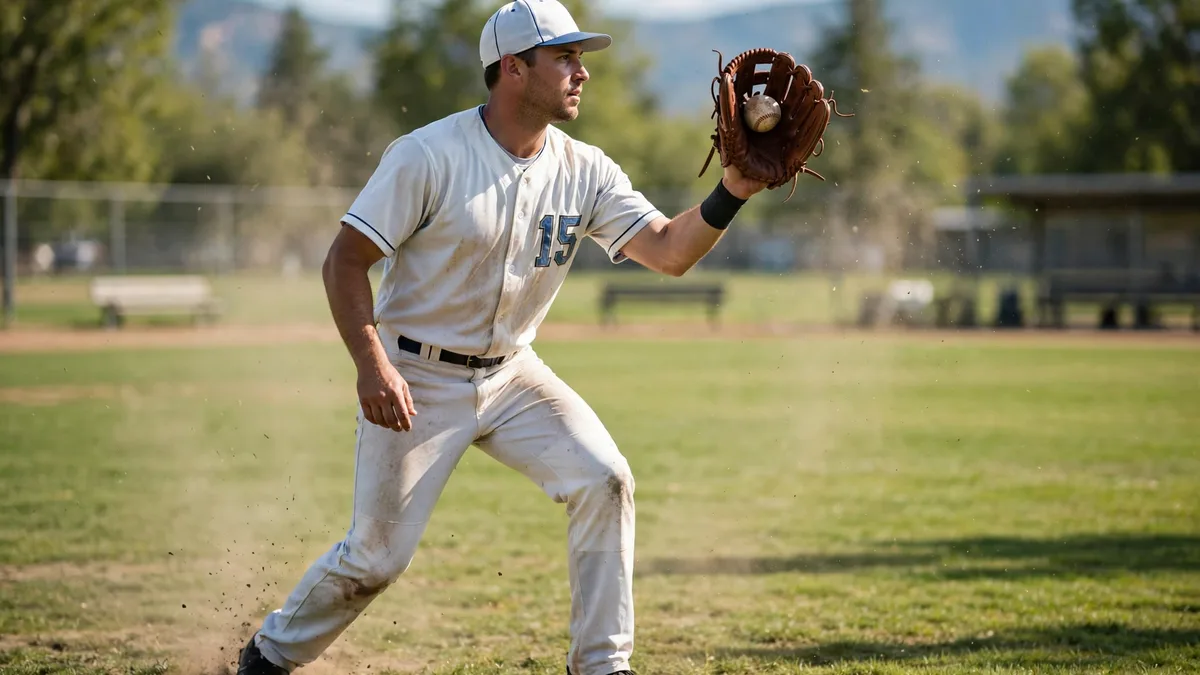
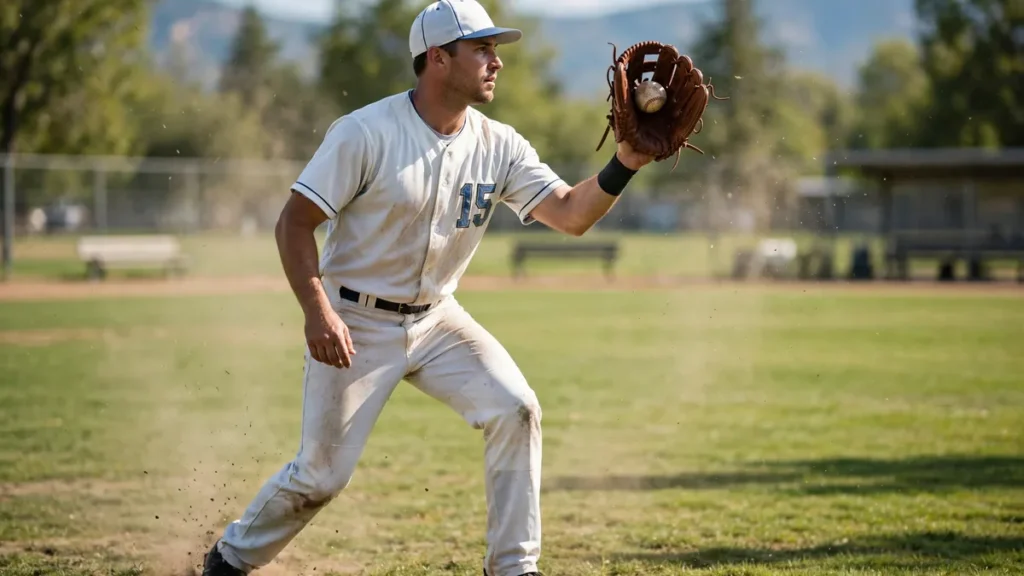
The best baseball gloves in 2027 reward players who match the glove to their position, and the Rawlings Heart of the Hide PRO200-2CB takes the top spot for most adult infielders. What is the best baseball gloves in 2027? For most adult players, the answer is a full-grain leather glove in the right size for their position, broken in properly and cared for between games.
A glove is the one piece of kit a fielder touches on every play, so the wrong shape costs catches the right one makes routine. This guide compares ten real gloves across infield, outfield, catcher, first base and youth play.
Key takeaways
- The Rawlings Heart of the Hide PRO200-2CB is the strongest all-round pick for adult infielders.
- Infielders need a smaller glove, outfielders need a longer one, and catchers and first basemen need mitts.
- Full-grain leather lasts longest but needs a longer break-in than softer kip leather.
- A glove that fits your hand beats a famous model in the wrong size.
- Oil the leather lightly, keep a ball in the pocket, and store the glove dry.
How to Choose a Baseball Glove
Start with your position, because it decides the size and shape before anything else. Infielders use gloves around 11 to 11.75 inches with a shallow pocket for quick transfers.
Catchers and first basemen use mitts rather than gloves, with no separate fingers and extra padding where the ball lands hardest. A catcher needs a mitt around 32.5 to 34 inches in circumference, while a first baseman needs a long, wide mitt that scoops throws out of the dirt.
Pitchers sit between the two worlds, and most choose an infield-sized glove with a closed web. A closed web hides the grip from the batter, which matters more than pocket depth on the mound.
Leather decides how a glove feels and how long it lasts. Full-grain steerhide is firm and slow to break in, but it holds its shape for seasons.
The web is the strip of leather between thumb and forefinger, and it shapes how the glove catches. An I-web suits infielders because it is light and open, letting the ball out fast. An H-web suits outfielders because it gives a deeper pocket.
Fit matters as much as leather, and it is the part most buyers skip. Your hand should slide in without forcing, your fingers should reach near the ends of the stalls, and the wrist strap should close snugly.
Break-in is the last thing to weigh, because a stiff glove is useless on game day. A full-grain glove can take weeks of catching and shaping before the pocket forms. If you need to play this weekend, choose a softer leather.
For a wider view of premium leather, our look at the best luxury baseball glove brands covers the makers behind the finest gloves.
The 10 Best Baseball Gloves in 2027
These ten gloves cover every spot on the diamond, from middle infield to the outfield fence, with a catcher mitt, a first base mitt and a youth option included.
1. Rawlings Heart of the Hide PRO200-2CB
The Heart of the Hide PRO200-2CB is the benchmark infield glove, an 11.5-inch classic 200 pattern with an I-web. Its full-grain steerhide shell starts firm and shapes itself around the hand.
The glove suits middle infielders who want a quick transfer and a firm pocket.
Best for: adult infielders who want a classic, long-lasting glove.
2. Wilson A2000 1786
The Wilson A2000 1786 is the most played infield glove in the professional game, an 11.5-inch model with an I-web and a shallow pocket.
The glove suits shortstops and second basemen who value a fast transfer above all else.
Best for: quick transfers at shortstop and second base.
3. Wilson A2K 1787
The Wilson A2K 1787 is the premium sibling of the A2000, built from Pro Stock Select leather that arrives softer and shapes faster. At 11.75 inches, it gives infielders a touch more reach.
The glove suits players who want A2000 quality with a shorter break-in.
Best for: infielders who want premium leather with a faster break-in.
4. Rawlings Pro Preferred PROS200-2CB
The Rawlings Pro Preferred PROS200-2CB is the softer rival to the Heart of the Hide, built from kip leather in the same 11.5-inch 200 pattern. It arrives noticeably more flexible, so the break-in takes days rather than weeks.
The glove suits players who want top-grade leather without the long wait, and it works well for pitchers too.
Best for: players who want kip leather and a short break-in.
5. Mizuno Pro Select GPS1-700DS
The Mizuno Pro Select GPS1-700DS is an 11.5-inch infield glove with a clean, deep pocket and a comfortable hand stall. Its steerhide shell holds its shape, while the lining keeps the hand dry.
The glove suits infielders who like a slightly deeper pocket than the classic American patterns offer.
Best for: infielders who want a deep pocket and a snug fit.
6. Nokona X2 Elite 12.75-Inch
The Nokona X2 Elite is an American-made outfield glove, cut at 12.75 inches with an H-web and a deep pocket for fly balls. Its thick steerhide takes time to break in, but it holds a true shape for years.
The glove suits outfielders who track balls over their shoulder and need the extra length to reach them.
Best for: outfielders who want a long, deep-pocketed American-made glove.
7. Marucci Capitol Series 12.75-Inch
The Marucci Capitol Series is a 12.75-inch outfield glove built from kip leather, which makes it lighter than most gloves its size. The H-web and deep pocket handle high fly balls.
The glove suits outfielders who want a light feel without giving up length or pocket depth.
Best for: outfielders who want a light, game-ready glove.
8. Rawlings Heart of the Hide PROCM33
The Rawlings Heart of the Hide PROCM33 is a 33-inch catcher’s mitt built from the same full-grain steerhide as the fielding gloves here. Its solid web and thick padding absorb fast pitches.
The mitt suits catchers who play regularly and want a mitt that keeps its shape behind the plate.
Best for: regular catchers who want a durable, deep-pocketed mitt.
9. Wilson A2000 2800 First Base Mitt
The Wilson A2000 2800 is a 12.5-inch first base mitt with a double-break heel that opens wide for scoops and closes fast on throws. Its wide pocket forgives throws that arrive low or wide.
The mitt suits first basemen who face a stream of throws from across the diamond and need to dig balls out of the dirt.
Best for: first basemen who need a wide, forgiving scooping mitt.
10. Franklin Field Master
The Franklin Field Master is the friendly starting point in this guide, a lightweight glove with a soft leather palm and a mesh back. It comes in youth and adult sizes.
The glove suits beginners and younger players who want comfort over a stiff professional break-in.
Best for: young players and beginners who want a soft, ready-to-play glove.
What a Good Baseball Glove Feels Like
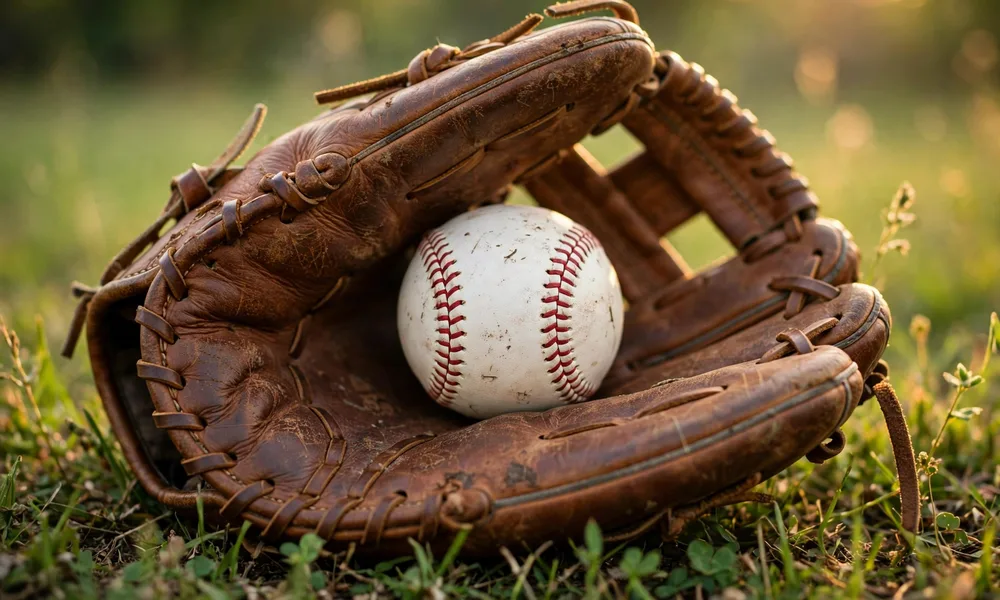
A good glove feels like an extension of the hand within the first few catches, even while the leather is still firm. The fingers close around the ball without a fight, and the pocket catches it with a soft thud.
On the field, the glove should open wide and close cleanly, with no gap at the heel where balls slip through.
After the game, the glove should keep its shape when you set it down, with the pocket still holding a ball if you leave one inside. A glove that flops flat overnight has lost its structure.
How Do the Best Baseball Gloves Compare?
The table lines up all ten gloves side by side, so begin with your position and then weigh the leather against your hand.
| Glove | Position | Leather | Best for |
|---|---|---|---|
| Rawlings Heart of the Hide PRO200-2CB | Infield | Full-grain steerhide | Classic infield play |
| Wilson A2000 1786 | Infield | Pro Stock leather | Quick transfers |
| Wilson A2K 1787 | Infield | Pro Stock Select leather | Premium feel |
| Rawlings Pro Preferred PROS200-2CB | Infield and pitcher | Kip leather | Short break-in |
| Mizuno Pro Select GPS1-700DS | Infield | Steerhide | Deep pocket |
| Nokona X2 Elite 12.75-Inch | Outfield | Steerhide | Long reach |
| Marucci Capitol Series 12.75-Inch | Outfield | Kip leather | Light feel |
| Rawlings Heart of the Hide PROCM33 | Catcher | Full-grain steerhide | Durable mitt |
| Wilson A2000 2800 | First base | Pro Stock leather | Scooping throws |
| Franklin Field Master | Youth and beginner | Leather and mesh | First glove |
Things to Check Before You Buy
Start by trying the glove on your catching hand, and close it around a ball if the shop allows it.
Check the web and the pocket next. Infielders need a shallow pocket and a light web, while outfielders need depth and length for balls caught on the move.
Then weigh the break-in against your calendar, and be honest about how soon you play. A steerhide glove bought the week before the season opens will still be stiff on opening day.
Finally, look at the rest of your kit. Our roundup of the best Asics running shoes for 2027 covers footwear that keeps you quick between the bases.
Your Baseball Glove Checklist
- Size matched to your position, not to the glove you grew up with
- Leather chosen for your break-in time, steerhide for patience and kip for speed
- Web suited to your position, open for infield and deep for outfield
- Fingers reaching near the ends of the stalls, wrist strap snug
- Pocket deep enough to hold a ball, shallow enough for a fast transfer
- Ball kept in the pocket and glove stored dry between games
Frequently Asked Questions
What size baseball glove should I buy?
Buy by position first: infielders usually take 11 to 11.75 inches, outfielders take 12.5 to 13 inches, and catchers and first basemen take mitts. Youth players should take a glove that fits their hand now.
How long does it take to break in a baseball glove?
A kip leather glove can be game-ready within a few sessions, while a full-grain steerhide glove can take several weeks of regular use. Oil it lightly and keep a ball wrapped in the pocket between sessions.
What is the difference between a glove and a mitt?
A glove has separate finger stalls, while a mitt has no separate fingers and more padding. Catchers and first basemen use mitts because they face the hardest balls, and the extra padding protects the hand.
Should I oil my baseball glove?
Yes, but lightly and rarely, using a small amount of glove oil worked into the leather. Too much oil softens the glove too far and adds weight, so a thin coat a few times a season is enough.
Can a beginner use a professional baseball glove?
A beginner can use one, but a stiff professional glove will frustrate a new player who needs to catch the ball now. A softer glove like the Franklin Field Master is a better first step.
The Bottom Line
The best baseball gloves in 2027 cover every spot on the diamond, from the Rawlings Heart of the Hide PRO200-2CB at shortstop to the Nokona X2 Elite in the outfield. The Heart of the Hide is the safest choice for most adult infielders.
Whatever glove ends up in your kit bag, the same three tests apply: size it to your position, pick leather you can break in, and try it with a ball in the pocket.
The right glove disappears on your hand, leaving your mind free for the play in front of you.