A bracelet is the most underrated piece of jewellery a man can wear. A watch gets all the attention, but a bracelet is what people notice when you roll up your sleeves, shake a hand, or reach for a glass. The problem is that most men’s bracelets are either too flashy to wear to work, or too flimsy to survive a week. A good one is neither. It is solid, comfortable, and quiet enough to wear every day.
That is why this guide is organised by how a bracelet actually wears, not just by how it looks in a photograph. A heavy steel chain can be a lifetime piece and a poor fit for a slim wrist. A leather bracelet can be the most comfortable thing you own and the first thing to look tired if it gets wet every day. Price is a poor guide on its own. Some of the most-loved men’s bracelets are mid-priced, and some of the most expensive are the hardest to wear every day.
Below are nine bracelets for men worth considering in 2027, from a classic silver chain to a leather cuff and a solid gold bangle. Each one is described by what it is good at, what to watch for, and who it suits best, so you can choose with your wrist in mind, not just a bestseller list.
Key takeaways
- A men’s bracelet should fit snugly enough to stay put but loosely enough to slide a finger underneath; too tight pinches, too loose catches and slides.
- Sterling silver, stainless steel and solid gold last longest, while plated finishes and cheap leather wear through quickly with daily use.
- One bracelet is usually enough: a single solid piece reads as intentional, while a crowded wrist reads as cluttered.
- Match the bracelet to your watch and your day, because a heavy chain beside a dress watch is a poor pairing.
- No bracelet suits every wrist, every outfit and every occasion, and a bracelet that tarnishes, pinches, or turns your skin green should be retired, not tolerated.
What a bracelet for men actually is
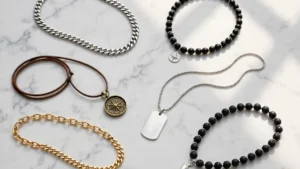
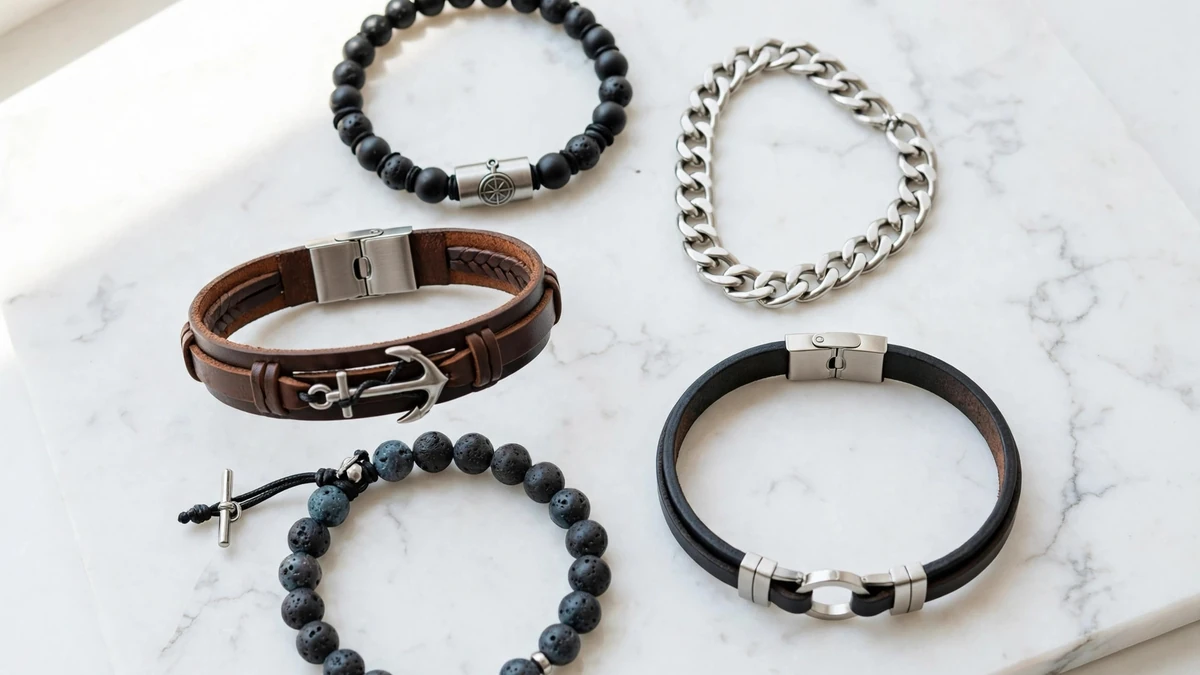
A bracelet is any band worn around the wrist, but the differences between types matter more than the name. A chain bracelet is a linked strand with a clasp, usually the most comfortable for all-day wear. A cuff is an open rigid band that can be squeezed to fit. A bangle is a rigid closed circle that slides over the hand. A beaded bracelet strings stones or wood on elastic, and a leather bracelet wraps a strap or a braid around the wrist with a clasp or a knot.
Each type wears differently. A chain bracelet adjusts with its clasp and usually fits most wrists, which is why it is the safest first bracelet. A cuff adjusts a little, but a cheap one springs back and loses its shape. A bangle does not adjust, so sizing is everything, and a bangle that is a fraction too small will not go over the hand at all. A beaded bracelet is easy to wear but stretches over time, and a leather bracelet is comfortable but suffers if it gets wet often.
The metal matters as much as the shape. Solid gold is the most durable and the most expensive, and it can be resized and repaired for decades. Sterling silver is softer and tarnishes, but it is affordable and easy to clean. Stainless steel is hard, cheap, and almost impossible to scratch through, which makes it a sensible daily choice. Leather is comfortable and casual, but it needs to stay dry and will darken with wear.
How we chose these bracelets and what to look for
Look first at fit and clasp. Measure your wrist snugly with a tape, then add half a centimetre for a comfortable fit. A chain bracelet should have a clasp you can fasten with one hand, and a safety chain or a double clasp is worth having on anything valuable. A luxury watch sets the tone for the wrist, so a bracelet should sit comfortably beside it rather than fighting it for space, and a slim chain usually pairs better with a dress watch than a wide cuff does.
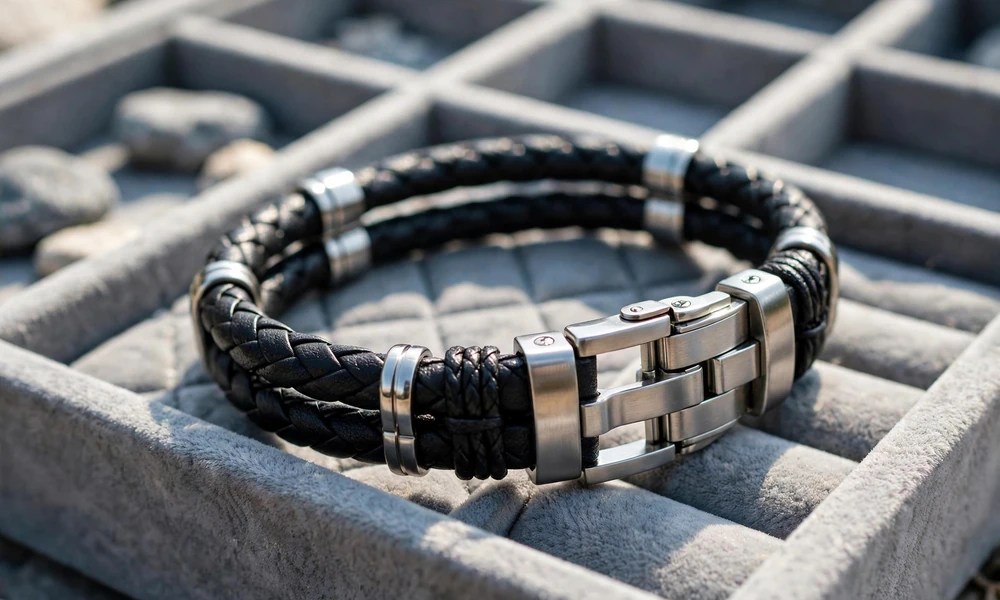
Look next at the metal and the material. Sterling silver and stainless steel are the safest choices for sensitive skin, because they rarely cause a reaction. Nickel in cheap alloys is the usual cause of a rash or a green mark on the wrist. Leather should be full-grain rather than bonded, because bonded leather peels and cracks within months, while full-grain leather ages well.
Finally, look at how the bracelet fits your life. A slim chain disappears under a shirt cuff and suits an office. A wide cuff makes a statement but knocks against a desk. A leather bracelet suits a weekend and a casual shirt, but it looks out of place with a suit. A bracelet you enjoy wearing every day is worth more than a bolder one you only wear twice a year.
The 9 best bracelets for men of 2027
David Yurman Curb Chain Bracelet in Sterling Silver
What we like: A solid curb chain with a secure clasp, comfortable for all-day wear, and a design that works with a watch or on its own. Metal: Sterling silver. Setting: Curb chain, push clasp. Best for: Everyday wear, work, and stacking with a watch. Price range: Premium, from around $500.
A practical, well-made chain that suits most wrists. The curb links hide small scratches, and the silver can be polished back to new with a cloth.
Cartier Juste un Clou Bracelet in 18k Yellow Gold
What we like: A solid gold nail-shaped bangle, a bold and instantly recognisable design, with a secure clasp and a weight that feels substantial on the wrist. Metal: Solid 18k gold. Setting: Solid gold bangle, hidden clasp. Best for: A lifetime piece, occasions, and statement styling. Price range: Luxury, from around $8,000.
This is the bracelet other men’s bracelets are measured against. It is not cheap, and it is not subtle, but for a piece that will outlast trends and hold its value, it remains a strong first choice.
John Hardy Classic Chain Bracelet in Sterling Silver
What we like: A hand-finished chain bracelet with a woven texture, light on the wrist, and a clasp that is easy to fasten one-handed. Metal: Sterling silver. Setting: Classic chain, push clasp. Best for: Everyday wear and casual styling. Price range: Premium, from around $400.
A good first fine bracelet for men, especially if you want silver without a logo shouting from the wrist. It is understated, it suits most wrists, and it ages well.
Miansai ID Cuff in Sterling Silver
What we like: A slim, polished cuff with an engraved plate, adjustable enough to fit most wrists, and a clean shape that suits a modern wardrobe. Metal: Sterling silver. Setting: Open cuff, adjustable. Best for: Everyday wear and a minimalist look. Price range: Mid-range, from around $200.
A sensible way into a silver cuff without a luxury price. Squeeze it gently to fit, and do not force it open and closed every day, because a cuff that is bent too often will snap.
Tom Ford Leather Bracelet in Black Calf Leather
What we like: A smooth black leather bracelet with a polished steel clasp, comfortable from the first wear, and quiet enough for a suit or a weekend shirt. Metal: Stainless steel clasp, full-grain leather. Setting: Leather strap, magnetic clasp. Best for: Everyday wear, work, and travel. Price range: Premium, from around $350.
For a leather bracelet that does not look like an afterthought, this is an easy choice. Keep it dry, and expect the leather to darken slightly with wear, which suits it.
Hermès Clic H Bracelet in Enamel and Palladium
What we like: A wide enamel bangle with the recognisable H clasp, a smooth fit, and a design that reads as jewellery rather than fashion. Metal: Palladium-plated brass with enamel. Setting: Rigid bangle, H clasp. Best for: Occasions, evenings, and statement styling. Price range: Luxury, from around $700.
This is a bracelet for people who want colour on the wrist without a stone. It is smooth, comfortable, and made to be worn for years, but it is a bangle, so size it carefully.
Tateossian Leather and Steel Bracelet
What we like: A braided leather bracelet with a steel clasp, a rugged look that suits casual wear, and a fit that stays comfortable all day. Metal: Stainless steel clasp, braided leather. Setting: Leather braid, push clasp. Best for: Weekends, casual shirts, and travel. Price range: Mid-range, from around $150.
A good everyday leather bracelet at a fair price. The braid hides wear well, and the steel clasp is more secure than a knot or a magnetic closure.
Louis Vuitton Keep It Bracelet in Monogram Leather
What we like: A leather bracelet with the monogram canvas and a steel clasp, light on the wrist, and a design that pairs well with a watch or a second bracelet. Metal: Stainless steel clasp, coated canvas and leather. Setting: Leather strap, engraved clasp. Best for: Everyday wear and casual luxury. Price range: Premium, from around $400.
This is a quiet way to wear a luxury logo. It is comfortable, it suits most wrists, and it works with a watch without competing with it.
Georg Jensen Torun Bracelet in Sterling Silver
What we like: A sculptural silver bracelet with a clean, modern shape, a secure clasp, and a design that has lasted for decades without looking dated. Metal: Sterling silver. Setting: Sculptural bangle, hidden clasp. Best for: Occasions, design lovers, and a minimalist wardrobe. Price range: Premium, from around $600.
A bracelet for people who value design over a logo. It is smooth, comfortable, and made to be worn for decades, and it pairs well with a simple watch.
Which bracelet is right for you
Start with your wrist size and your day. A slim wrist suits a fine chain or a narrow cuff, while a larger wrist carries a wide cuff or a heavy chain better. A keyboard-heavy job suits a slim chain that sits flat, while a bracelet that spins or knocks will distract you all day. Our guide to gold jewellery for everyday wear covers the same rule for metal choice, because a bracelet you wear daily lives a harder life than a piece you wear twice a week.
Think about what you already wear. If you wear a watch every day, a slim bracelet on the other wrist, or a fine chain beside the watch, usually works best. If you wear a dress watch, keep the bracelet slim and quiet. If you wear a steel sports watch, a steel or silver chain is the natural match.
Finally, think about how often you will wear it. A daily bracelet should be comfortable, secure, and easy to clean. An occasion bracelet can be bolder, heavier, and more delicate, because it does not need to survive a working week. Buy the daily one first, and add the occasion piece when you know what you actually reach for.
The caveats that matter
Bracelets are the most-lost piece of jewellery, because a clasp that opens on its own is easy to miss until the bracelet is gone. Check the clasp every time you put a bracelet on, and have a jeweller tighten it once a year. A bracelet that is too loose is also a risk, because it slides off the hand when you reach for something, so a snug fit is a practical choice, not just a comfortable one.
| Detail | What is known |
|---|---|
| Best fit | Snug enough to stay put, loose enough to slide a finger underneath |
| Most durable metal | Solid gold and stainless steel, then sterling silver; plating wears quickly |
| Most secure clasp | Box clasp with a safety chain, or a push clasp on a chain |
| Best for sensitive skin | Sterling silver, stainless steel or solid gold; avoid cheap alloys with nickel |
| Leather care | Keep it dry, avoid swimming and showering, and let it air dry if it gets wet |
| Cleaning | Warm soapy water and a soft cloth; polish silver with a silver cloth |
| When to have it checked | Once a year, or sooner if the clasp feels loose or a link moves |
| What it does not do | No bracelet suits every wrist, outfit and occasion, and no finish lasts forever |
If a bracelet leaves a rash or a green mark, stop wearing it and check the metal. Nickel is the usual cause, and sterling silver, stainless steel or solid gold is the safest replacement. If a link moves or a clasp feels loose, stop wearing the bracelet and have it checked, because a loose clasp is a lost bracelet.
Checklist: choosing a bracelet for men honestly
Use these checks before you buy, and again after a week of wear.
- Check the fit: measure your wrist, add half a centimetre, and make sure a bangle passes over your hand.
- Check the clasp: fasten it one-handed, tug it gently, and look for a safety chain on anything valuable.
- Check the metal: sterling silver, stainless steel or solid gold for daily wear, and full-grain leather, not bonded.
- Check the links: they should move smoothly, with no stiffness and no gaps where a link has stretched.
- Check your watch: a slim chain beside a dress watch, a steel chain beside a sports watch, and one bracelet at a time.
- Check the care: warm soapy water and a soft cloth, keep leather dry, and a jeweller’s check once a year.
Frequently asked questions
How tight should a bracelet fit?
Snugly enough to stay put, with room to slide one finger underneath. A bracelet that spins freely is too loose and will catch on things, while one that leaves a mark is too tight. A bangle needs to pass over the widest part of your hand, so measure that as well as your wrist.
Can I wear a bracelet with a watch?
Yes, and most men do. A slim chain or a fine cuff on the same wrist as a watch usually works, while a wide cuff can fight the watch for space. If the two pieces knock together, move the bracelet to the other wrist, or choose a slimmer design. Our guide to office bracelets covers which styles sit best beside a watch at work.
Is stainless steel good for everyday wear?
Yes, it is one of the best choices. It is hard, it resists scratches, it does not tarnish, and it rarely causes a skin reaction. It is also affordable, which makes it a sensible daily bracelet even if you own a solid gold piece for occasions.
How do I stop a leather bracelet from looking tired?
Keep it dry, store it flat in a box, and clean it with a dry cloth. Avoid swimming, showering and heavy sweating in it, because water and salt darken and stiffen leather. Full-grain leather ages well with wear, while bonded leather peels and cracks within months, so buy full-grain.
Can I wear a gold bracelet every day?
Yes, if it is solid gold and the clasp is secure. Solid gold is durable and can be polished back to new. Gold-plated and gold-filled bracelets wear through faster, so keep those for occasions. Check the clasp regularly, and have a jeweller check the piece once a year.
How many bracelets should I wear at once?
One is usually enough. A single solid bracelet reads as intentional, while a crowded wrist reads as cluttered. If you stack, keep it to two slim pieces in the same metal, and leave the watch on its own or pair it with one fine chain at most.
The bottom line
The best bracelet for men in 2027 is not the most expensive or the most noticeable. It is the one that fits your wrist, sits comfortably beside your watch, and that you will reach for without thinking. For a lifetime piece, solid gold or a heavy silver chain is the honest choice. For everyday wear, stainless steel or a well-made leather bracelet is a sensible place to start.
Choose one bracelet, wear it for a week, and judge it on comfort and fit, not on how it looked in the box. A bracelet that stays on, stays comfortable, and still looks good after a week of real life is the right one, and it will earn its place on your wrist far longer than a bolder piece that only comes out twice a year.