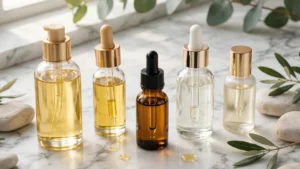
Acne-prone skin is hard to cleanse well. Wash too gently and oil, sunscreen, and makeup sit in the pores, feeding breakouts. Wash too harshly and the skin barrier weakens, oil production can rebound, and breakouts get worse rather than better. The right cleanser sits in the middle: it removes oil and congestion properly, treats blemishes gently, and leaves the barrier intact.
The ingredient matters more than the brand. Salicylic acid works inside the pore to loosen congestion, benzoyl peroxide kills acne-causing bacteria and reduces inflammation, and gentle, non-comedogenic formulas keep the barrier calm while they work. What matters most is matching the strength to your skin, because a 10 percent benzoyl peroxide wash used daily is far too much for most people, while a mild gel may be exactly right.
Below are nine cleansers worth considering for acne-prone skin in 2027, from a classic salicylic acid gel to a benzoyl peroxide wash and a gentle foaming cleanser for skin that breaks out and stings at the same time. Each one is described by what it is good at, what to watch for, and who it suits best.
Key takeaways
- Acne-prone skin needs a cleanser that removes oil and congestion without stripping the barrier, because a damaged barrier often makes breakouts worse.
- Salicylic acid suits blackheads and congestion, while benzoyl peroxide suits inflamed, red breakouts, and they can be alternated rather than used together.
- Most people should cleanse twice a day, morning and evening, and no more, because over-washing dries skin out and can increase oiliness.
- Follow every cleanse with a light, non-comedogenic moisturiser, and use sunscreen every morning.
- No cleanser clears acne overnight, and a wash that causes persistent redness, peeling, or burning is too strong, not more effective.
What a cleanser actually does for acne-prone skin
Acne starts when oil, dead skin cells, and bacteria build up inside a pore. A cleanser cannot reach deep into the pore the way a leave-on treatment can, but it can remove the surface oil, sunscreen, and makeup that add to the problem, and it can deliver a low dose of an active ingredient to the pore opening. That is why the right cleanser helps, and why it is also not a complete acne treatment on its own.
Salicylic acid is the most useful cleanser ingredient for blackheads and whiteheads, because it is oil-soluble and can get into the pore. Benzoyl peroxide is the most useful for inflamed, red spots, because it reduces acne-causing bacteria and calms inflammation, and bacteria do not develop resistance to it the way they can to antibiotics. A gentle, low-pH foaming cleanser matters too, because harsh, high-pH soaps can disrupt the skin barrier and make acne-prone skin more reactive.
How we chose these cleansers and what to look for
Look first at the active ingredient and its strength. For congestion and blackheads, salicylic acid at around 2 percent is a sensible choice. For inflamed breakouts, benzoyl peroxide at 2.5 to 5 percent is usually enough, and 10 percent is rarely needed and often too irritating. If your skin is both acne-prone and sensitive, a gentle, fragrance-free foaming cleanser with no strong active may be the best starting point, with treatment left to a separate product.

Look next at the base formula. Non-comedogenic matters, because a cleanser that leaves a heavy, pore-clogging residue behind defeats its own purpose. Ceramides, niacinamide, and glycerin help a treatment cleanser feel comfortable, and a fragrance-free formula is a safer bet for reactive skin. A dermatologist-approved routine by age is a useful frame here, because the right strength changes as skin changes, and a routine that worked at 18 may be too harsh, or too mild, at 35.
Finally, look at how the cleanser fits your whole routine. A cleanser is one step, not the whole treatment. If you are already using a leave-on salicylic acid or a prescription treatment, a gentle cleanser may be better than a strong active one, because doubling up on the same ingredient is how irritation starts. Introduce one active at a time, and give it four to six weeks before judging it.
The 9 best cleansers for acne-prone skin of 2027
La Roche-Posay Effaclar Medicated Gel Cleanser
What we like: Two percent salicylic acid with lipo-hydroxy acid in a foaming gel that targets blackheads, excess oil, and breakouts, with a clean-rinsing texture that suits daily use on oily skin.
What to consider: It can feel drying on drier areas, so it is best for oily and combination skin, and it may be too strong to pair with a leave-on salicylic acid. Key ingredients: Salicylic acid 2%, LHA. Skin type: Oily, combination, acne-prone. Size: 200 ml. Cruelty-free: No.
This is the focused, no-nonsense choice for oily skin that breaks out often. It feels properly cleansing without the harsh, squeaky finish that cheaper acne washes often leave behind.
CeraVe Foaming Facial Cleanser
What we like: A gentle foaming cleanser with ceramides, niacinamide, and hyaluronic acid that removes oil and makeup without stripping, fragrance-free, and kind enough for twice-daily use.
What to consider: It contains no acne-fighting active, so it is a supporting cleanser rather than a treatment, and it works best alongside a separate acne product. Key ingredients: Ceramides, niacinamide, hyaluronic acid. Skin type: Normal, oily, combination. Size: 236 ml. Cruelty-free: No.
If your skin breaks out but also stings easily, this is the safe base. It keeps the barrier calm while a leave-on treatment does the acne work, which is often the combination that actually clears skin.
PanOxyl Acne Foaming Wash 4%
What we like: Four percent benzoyl peroxide in a foaming wash that reduces acne-causing bacteria and calms inflamed breakouts, with a strength that is effective without being as harsh as the 10 percent version.
What to consider: Benzoyl peroxide can bleach towels and bedding, and it can dry skin out, so start with once a day and moisturise well. Key ingredients: Benzoyl peroxide 4%. Skin type: Oily, acne-prone, inflamed breakouts. Size: 156 g. Cruelty-free: No.
For red, inflamed spots rather than blackheads, this is the most direct option here. Use it consistently, keep it off your towels, and do not pair it with a strong retinol in the same week you start.
Neutrogena Oil-Free Acne Wash
What we like: Two percent salicylic acid in a widely available, affordable foaming wash that targets oil and congestion, with a light texture that rinses clean and suits daily use.
What to consider: It can feel drying if used twice a day on combination skin, so many people do better using it once a day, in the evening. Key ingredients: Salicylic acid 2%. Skin type: Oily, combination, acne-prone. Size: 175 ml. Cruelty-free: No.
A classic for a reason. It is easy to find, easy to afford, and effective for oily skin that gets congested quickly, as long as you do not overuse it.
Paula’s Choice Clear Pore Normalizing Cleanser
What we like: A low dose of salicylic acid in a gentle gel cleanser designed for daily use on acne-prone skin, fragrance-free, with a texture that layers well under treatment products.
What to consider: The exfoliation is mild, so it is a maintenance cleanser rather than a strong treatment, and it may not be enough on its own for stubborn breakouts. Key ingredients: Salicylic acid 0.5%, panthenol. Skin type: Oily, combination, acne-prone. Size: 177 ml. Cruelty-free: Yes.
This is the daily-driver option for people who want a little acne-fighting action every day rather than a strong treatment. It is calm, predictable, and easy to live with.
Differin Daily Deep Cleanser
What we like: Five percent benzoyl peroxide in a gentle, non-irritating base with glycerin, designed for daily use on acne-prone skin, including skin that is also using adapalene.
What to consider: Benzoyl peroxide can bleach fabric, and it can dry skin out at first, so moisturise well and start once a day. Key ingredients: Benzoyl peroxide 5%, glycerin. Skin type: Oily, combination, acne-prone. Size: 118 ml. Cruelty-free: No.
If you are already using adapalene or another acne treatment, this cleanser is designed to sit alongside it without adding extra irritation. That pairing is where it earns its place.
Cetaphil Pro Dermacontrol Oil Removing Foam Wash
What we like: A gentle foaming wash with zinc that removes excess oil without stripping, fragrance-free, and suitable for skin that is sensitive as well as acne-prone.
What to consider: It contains no strong acne active, so it is a supporting cleanser, and it works best with a separate treatment product for active breakouts. Key ingredients: Zinc, glycerin. Skin type: Oily, combination, sensitive. Size: 237 ml. Cruelty-free: No.
For skin that is both oily and reactive, this is a good middle ground. It controls shine and cleans properly without the dryness that makes sensitive, acne-prone skin flare up.
Bioderma Sébium Gel Moussant
What we like: A gentle foaming gel with zinc and copper that purifies without drying, soap-free, with a light texture that suits combination and oily skin and rinses completely clean.
What to consider: It is a mild cleanser with no strong active ingredient, so it will not treat breakouts on its own, and it is best paired with a targeted treatment. Key ingredients: Zinc, copper, glycerin. Skin type: Oily, combination, acne-prone. Size: 200 ml. Cruelty-free: No.
This is the gentle French pharmacy option. It is unglamorous and effective at what it does, which is clean oily skin properly without irritating it, and that is often exactly what acne-prone skin needs.
Aveeno Clear Complexion Foaming Cleanser
What we like: Salicylic acid with soy and oat extracts in a foaming cleanser that targets breakouts while feeling gentler than most acne washes, with a soothing base that suits reactive skin.
What to consider: The salicylic acid dose is modest, so results are gradual, and it may not be strong enough for severe or cystic breakouts on its own. Key ingredients: Salicylic acid, soy extract, oat. Skin type: Oily, combination, sensitive. Size: 180 ml. Cruelty-free: No.
For acne-prone skin that also gets red and irritated easily, this is a thoughtful compromise. It treats breakouts without the harshness that makes sensitive skin worse.
Which cleanser is right for your skin type
Oily, congestion-prone skin with blackheads usually does best with a 2 percent salicylic acid cleanser, used once or twice a day. If your skin is oily but also sensitive, start with once a day in the evening, and use a gentle cleanser in the morning. The goal is clean pores, not stripped skin.
Inflamed, red breakouts respond better to benzoyl peroxide. A 2.5 to 5 percent wash is usually enough, and it can be alternated with a salicylic acid cleanser on different days rather than used at the same time. Using both at full strength together is a common cause of the dryness and peeling that makes people stop treatment altogether.
Sensitive, acne-prone skin needs the gentlest approach of all. A fragrance-free foaming cleanser with ceramides or zinc, used twice a day, with a separate, targeted treatment applied afterwards, is often more effective than a strong active cleanser. A cleanser for oily skin is a useful comparison here, because the right choice depends far more on whether your breakouts are congested, inflamed, or both than on the brand name.
The caveats that matter
Acne treatment is slow, and that is the hardest part. A cleanser takes four to six weeks to show a real difference, and skin can look worse in the first two weeks as congestion surfaces. That is normal, but it is not the same as irritation. If your skin is persistently red, peeling, burning, or breaking out in new places, the product is too strong or the combination is too much, and you should simplify.
| Detail | What is known |
|---|---|
| Best active for blackheads | Salicylic acid, around 2 percent, once or twice a day |
| Best active for inflamed spots | Benzoyl peroxide, 2.5 to 5 percent, once a day to start |
| Best cleanser for sensitive acne-prone skin | A gentle, fragrance-free foaming cleanser with ceramides or zinc, no strong active |
| How long to see results | Four to six weeks of consistent use; skin may look worse before it improves |
| What to avoid pairing at first | Using a strong active cleanser and a leave-on treatment with the same ingredient together |
| How often to wash | Twice a day, morning and evening; over-washing dries skin and can increase oiliness |
| When to stop | Persistent redness, peeling, burning, or breakouts spreading to new areas |
| What it does not do | It does not clear acne overnight, treat cystic acne alone, or replace a leave-on treatment |
If your acne is severe, cystic, scarring, or not improving after eight weeks of consistent care, speak to a dermatologist. Prescription treatments exist for a reason, and starting them sooner rather than later can prevent scarring. If you are pregnant, breastfeeding, or using prescription skincare, check with your clinician before adding a new active cleanser.
Checklist: choosing a cleanser for acne-prone skin honestly
Use these checks before you buy, and again after four weeks of use.
- Check the active and its strength: salicylic acid for congestion, benzoyl peroxide for inflamed spots, at a moderate dose.
- Check the base formula: non-comedogenic, fragrance-free, and it should leave skin feeling clean, not tight.
- Check for doubling up: do not use an active cleanser and a leave-on treatment with the same ingredient at full strength together.
- Patch-test first: apply to your jawline for two to three days before full-face use.
- Moisturise after every cleanse with a light, non-comedogenic moisturiser, even if your skin is oily.
- Protect the result: use sunscreen every morning, because acne treatments make skin more sun-sensitive.
Frequently asked questions
How often should I wash acne-prone skin?
Twice a day, morning and evening, is enough. Washing more often dries skin out and can increase oiliness, which makes breakouts worse rather than better.
Can I use a salicylic acid cleanser and a benzoyl peroxide cleanser together?
It is better to alternate them on different days than to use both at full strength together, which often causes dryness and peeling. If your skin tolerates one well, you can add the other slowly.
Should I use a moisturiser if my skin is oily and acne-prone?
Yes. A light, non-comedogenic moisturiser protects the barrier and stops skin from over-producing oil to compensate for dryness. Skipping moisturiser is one of the most common reasons acne routines fail.
Can I use an acne cleanser with retinol?
Yes, but introduce one at a time, and do not start both in the same week. Many people use an acne cleanser in the morning and retinol in the evening, and stop one if irritation appears.
Why is my skin getting worse in the first two weeks?
Congestion can surface as breakouts when you start an active cleanser, and that usually settles within a few weeks. If breakouts spread to new areas, or your skin is red and peeling, the product is too strong and you should simplify. A vitamin C serum is not an acne treatment, but it can help later with the dark marks breakouts leave behind, once active spots have calmed.
Do I still need sunscreen if I use an acne cleanser?
Yes, every day. Acne treatments make skin more sun-sensitive, and sun exposure can darken the marks breakouts leave behind. Choose a light, oil-free, non-comedogenic sunscreen.
The bottom line
The best cleanser for acne-prone skin in 2027 is not the harshest one. It is the one that matches your type of breakout, that you will use twice a day without irritation, and that leaves your skin feeling clean and comfortable. For blackheads and congestion, a salicylic acid cleanser is the sensible first choice. For red, inflamed spots, a benzoyl peroxide wash at a moderate strength is the more direct option. For skin that is both acne-prone and sensitive, a gentle cleanser with a separate, targeted treatment is often the combination that actually works.
Choose one cleanser, use it consistently for six weeks, moisturise after every wash, protect it with sunscreen, and judge it on how your skin looks and feels, not on how strong it feels on day one. That is the honest way to get clearer skin without the irritation that makes people give up on treatment.