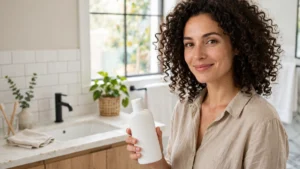
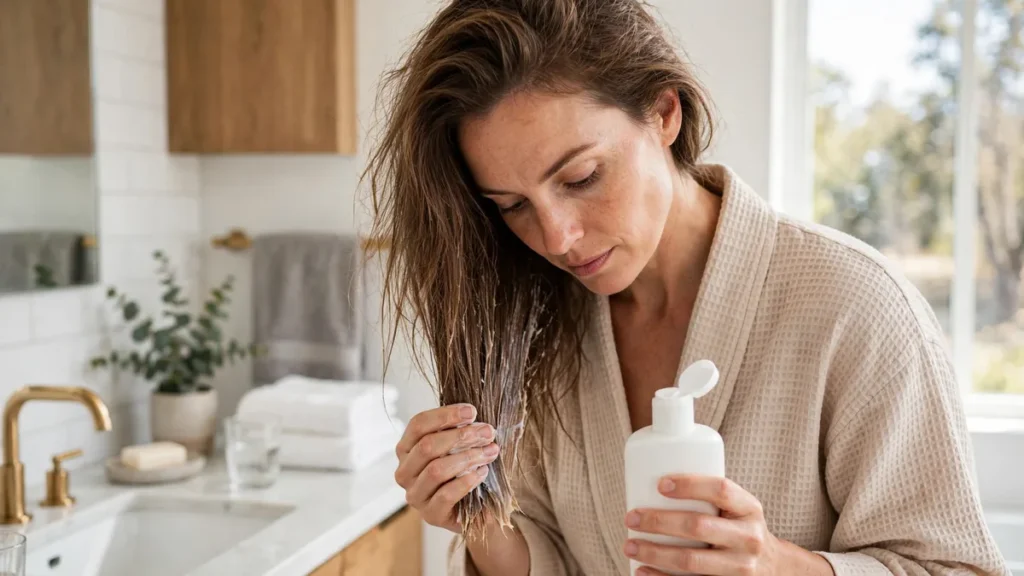
The best conditioner for dry hair in 2027 is a rich, moisture-focused rinse-out formula that softens the lengths without weighing them down. It should leave hair feeling supple after rinsing, easier to comb, and visibly less frizzy once dry. Our top pick is a shea-butter rinse-out conditioner, because it delivers deep moisture and a smooth finish.
Dry hair is not one problem with one fix. Some hair is dry because it is naturally coarse or curly, some because of heat styling, colour, or hard water, and some because the scalp simply produces less oil along the lengths. The right conditioner depends on which of those stories sounds like yours, so this guide explains the moisture science in plain terms before the ten picks.
Key takeaways
- Choose a rich, moisture-focused conditioner with emollients such as shea butter, ceramides, or plant oils.
- Apply conditioner mainly to the mid-lengths and ends, where dry hair needs it most.
- Leave it on for two to three minutes before rinsing so it can do its work.
- Fine dry hair needs a lighter formula, while thick or coarse dry hair suits a heavier mask-style conditioner.
- Pair your conditioner with a gentle shampoo and less heat for the best long-term results.
Why dry hair happens
Hair looks dry when the outer layer, the cuticle, is rough or lifted. A smooth cuticle reflects light and holds moisture inside the strand, while a lifted cuticle lets moisture escape and leaves hair dull, tangled, and prone to breakage. Heat, chemical treatments, sun, and rough brushing all lift the cuticle over time, and some hair simply grows drier.
Moisture and oil are not the same thing, and dry hair usually needs both. Water-based hydration softens the strand, while oils and butters seal that softness in and smooth the surface.
A conditioner works by depositing a thin layer of conditioning agents, fatty alcohols, and emollients onto the hair shaft. Those ingredients reduce friction between strands, which is why conditioned hair combs more easily and snaps less.
Your shampoo matters as well. A harsh cleanser can strip the natural oils that protect the lengths, leaving even a good conditioner fighting an uphill battle.
If you wash often, a gentle, sulphate-free wash pairs well with a rich conditioner, and our guide to the best sulphate-free shampoos explains which formulas are kindest to dry hair. A clarifying wash still has its place now and then, and our round-up of the best clarifying shampoo picks covers when to use one.
How to choose the best conditioner for dry hair
Start with your hair type, not the bottle. Fine hair needs moisture without weight, so look for a lightweight cream or a formula labelled for fine hair. Thick, coarse, or curly hair can handle richer butters and thicker creams.
If your hair is both dry and damaged, our guide to the best conditioner for damaged hair covers formulas built for repair as well as moisture.
Read the ingredients with a practical eye. Shea butter, ceramides, glycerin, panthenol, and plant oils such as argan or avocado are all useful signs of a genuinely moisturising formula.
Silicones can smooth the surface and add shine, and they suit many people. Fragrance is a matter of taste and sensitivity, so if your scalp is easily irritated, choose a fragrance-free option.
Think about how you actually wash your hair. If you shower daily, a mid-weight rinse-out conditioner you can use every time is more useful than an intensive mask you only reach for monthly.
If you wash twice a week, a richer formula makes sense, since each wash carries more weight. Curl patterns deserve special attention too, and our guide to the best conditioner for curly hair looks at moisture needs specific to curls and waves.
How to get the most out of your conditioner
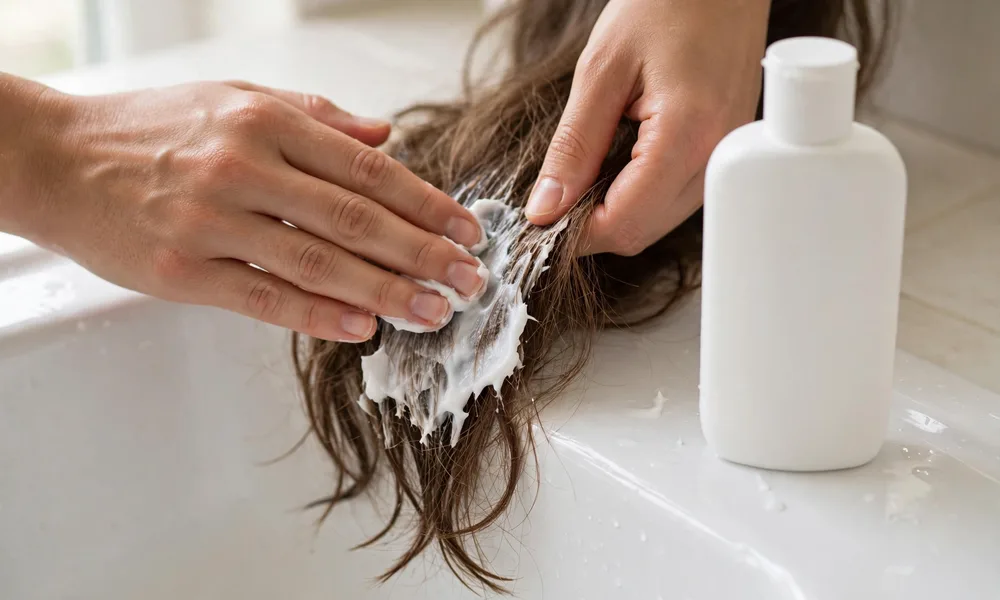
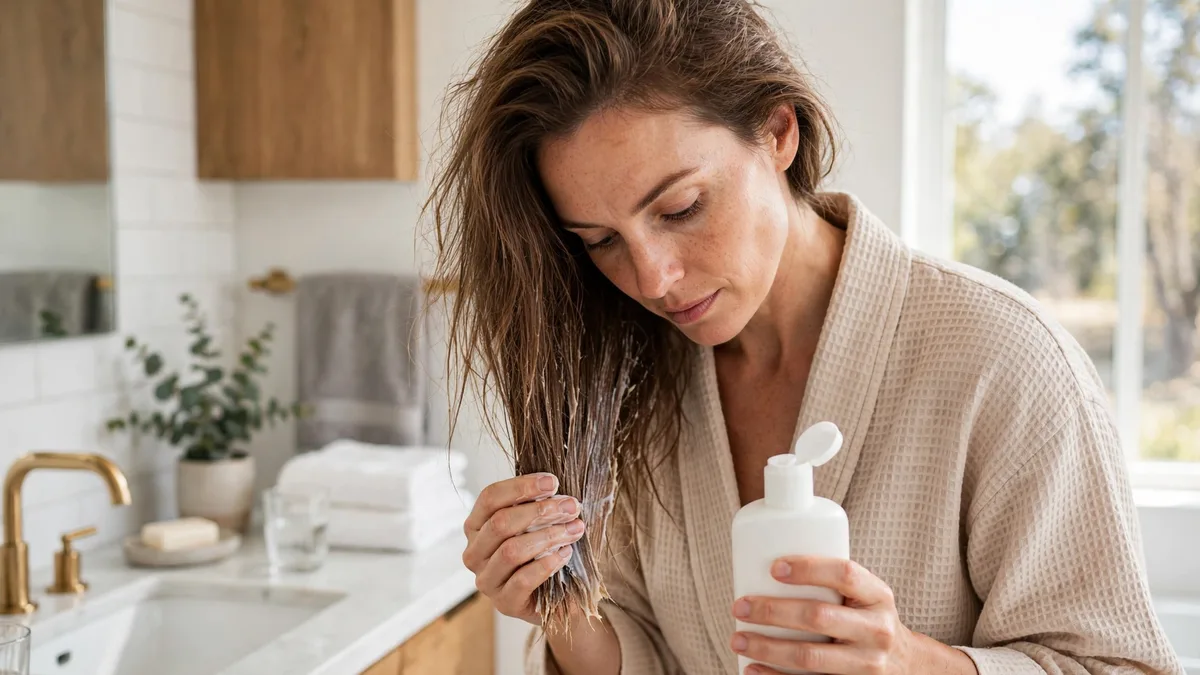
Technique matters as much as the product itself. Squeeze excess water from your hair before applying conditioner, since soaking-wet hair dilutes the formula before it can cling to the strands. Smooth it through the mid-lengths and ends with your fingers, and use a wide-tooth comb to distribute it evenly.
Leave it on for two to three minutes, then rinse with lukewarm water rather than hot.
For very dry ends, try conditioning as a mask once or twice a week. Apply a generous amount to damp hair, wrap it in a towel, and leave it for twenty minutes before rinsing.
Colour-treated hair needs extra care as well, and our guide to the best box hair dye includes aftercare tips that protect colour while you rebuild moisture. Small habits like these often matter more than switching brands.
The 10 best conditioners for dry hair in 2027
Each pick below suits a different kind of dry hair, from fine strands that fear weight to thick curls that drink up moisture. Read the “Best for” line first, then match it to your own hair.
1. Best overall: a rich shea-butter rinse-out conditioner
Best for: most dry hair types that need reliable, everyday moisture.
Shea butter is one of the most dependable moisturisers in hair care, and this style of conditioner uses it well. The texture is thick enough to coat the lengths properly, yet it rinses clean without leaving a heavy film.
2. Best for fine dry hair: a lightweight moisture conditioner
Best for: fine hair that feels dry but goes flat with heavy formulas.
Fine dry hair is a balancing act, since it needs moisture but punishes weight. This lighter conditioner uses glycerin and panthenol rather than heavy butters, so it hydrates without flattening the roots.
3. Best for thick or coarse dry hair: a heavy butter mask conditioner
Best for: thick, coarse, or very dry hair that needs intense moisture.
Coarse hair has more surface area to moisturise, and light formulas often disappear without making a difference. This mask-style conditioner is thick, rich, and designed to be left on longer than a standard rinse-out.
4. Best for curly dry hair: a curl-defining moisture conditioner
Best for: curls and waves that feel dry, frizzy, or undefined.
Curls dry out faster than straight hair because natural oils travel slowly around each bend in the strand. This conditioner is built for that problem, with a creamy texture that encourages clumps and definition. It reduces frizz without making curls crunchy, and it helps curls hold their shape as they dry.
5. Best for colour-treated dry hair: a colour-safe moisture conditioner
Best for: dyed or highlighted hair that feels dry and fades quickly.
Colour processing lifts the cuticle, which is why dyed hair often feels drier than virgin hair. This conditioner is formulated to be gentle on colour while still delivering serious moisture. It smooths the cuticle, which helps colour look richer and last longer between appointments.
6. Best for heat-damaged dry hair: a ceramide repair conditioner
Best for: hair dried out by straighteners, curling tools, or frequent blow-drying.
Ceramides are lipids that help patch the gaps in a damaged cuticle, and this conditioner leans on them heavily. It feels rich but not greasy, and it noticeably improves how damaged hair combs when wet.
7. Best budget pick: a classic moisturising conditioner
Best for: anyone who wants solid moisture without a premium price tag.
A good budget conditioner does the basics brilliantly: it softens, detangles, and smooths. This classic style of formula relies on proven conditioning agents and a simple, effective blend of moisturisers. It may lack exotic oils, but the day-to-day results are close.
8. Best for sensitive scalps: a fragrance-free moisture conditioner
Best for: dry hair paired with a scalp that reacts to fragrance or strong ingredients.
Dry hair and a sensitive scalp often arrive together, and heavily fragranced products can make the scalp itchy or flaky. This fragrance-free conditioner keeps the ingredient list short and gentle while still moisturising the lengths. It rinses clean and leaves no scent behind.
9. Best leave-in boost: a leave-in conditioning cream
Best for: very dry ends that need moisture between washes.
Some hair needs help after the shower as well as during it. A leave-in cream adds a light layer of moisture that stays on the hair all day, protecting the ends from friction and dry air. It also makes next-day hair easier to refresh, since the ends stay softer overnight.
10. Best for dry, frizzy hair: an anti-frizz smoothing conditioner
Best for: dry hair that turns frizzy in humidity or after blow-drying.
Frizz is what happens when dry hair grabs moisture from humid air unevenly, swelling some strands more than others. This smoothing conditioner coats the cuticle more thoroughly, which helps keep humidity out and the surface even. Hair dries smoother, with fewer flyaways and a neater finish.
Best conditioner for dry hair at a glance
| Pick | Best for | Star ingredients | Texture |
|---|---|---|---|
| Shea-butter rinse-out | Most dry hair types | Shea butter, glycerin | Rich cream |
| Lightweight moisture | Fine dry hair | Glycerin, panthenol | Light cream |
| Heavy butter mask | Thick or coarse hair | Shea butter, plant oils | Thick mask |
| Curl-defining moisture | Curly dry hair | Plant oils, panthenol | Creamy |
| Colour-safe moisture | Colour-treated hair | Ceramides, glycerin | Rich cream |
| Ceramide repair | Heat-damaged hair | Ceramides, fatty alcohols | Rich cream |
| Classic moisturising | Everyday value | Glycerin, conditioning agents | Medium cream |
| Fragrance-free moisture | Sensitive scalps | Glycerin, plant emollients | Light cream |
| Leave-in cream | Very dry ends | Plant oils, panthenol | Light cream |
| Anti-frizz smoothing | Dry, frizzy hair | Silicones, plant oils | Smoothing cream |
Your dry-hair conditioner checklist
- Match the formula weight to your hair thickness, not to the prettiest bottle.
- Check for moisturisers such as shea butter, ceramides, glycerin, or panthenol on the label.
- Apply conditioner to the mid-lengths and ends, keeping it off the roots.
- Squeeze out excess water before applying so the formula is not diluted.
- Leave it on for two to three minutes before rinsing.
- Rinse with lukewarm water and handle wet hair gently.
- Use a mask once a week if your ends still feel rough.
- Give a new conditioner two weeks before deciding whether it works.
Frequently asked questions
What is the best conditioner for dry hair?
The best conditioner for dry hair is a rich, moisture-focused rinse-out formula with emollients such as shea butter or ceramides. Our top pick is a shea-butter rinse-out conditioner, since it suits most dry hair types and delivers reliable softness.
How often should I use conditioner on dry hair?
Use conditioner every time you wash your hair, since dry hair needs moisture at every wash. Most people wash two to four times a week, and conditioning each time keeps the lengths supple.
Should I put conditioner on my scalp?
It is usually best to keep conditioner off the scalp and focus on the mid-lengths and ends. Conditioner on the roots can weigh hair down and leave it looking limp or greasy.
Can conditioner repair split ends?
Conditioner cannot permanently repair split ends, since a split strand cannot fuse back together. It can smooth the appearance of split ends and reduce further breakage by lowering friction.
Is a hair mask better than a conditioner for dry hair?
A hair mask is usually richer and left on longer, so it suits very dry or coarse hair better than a standard conditioner. For most people, a good rinse-out conditioner used consistently is enough for everyday moisture. Used every wash, a good conditioner keeps dry hair soft, smooth and easy to manage.
If your scalp becomes itchy, red, or irritated after using a new conditioner, stop using it and rinse your hair thoroughly. Speak to a pharmacist or dermatologist if the irritation persists or worsens. This guide is general information only and is not a substitute for professional advice.