What actually separates a great e-bike from an expensive disappointment? It is rarely the motor wattage printed in bold on the spec sheet. Ask anyone who has owned an e-bike for more than a year and you will hear the same themes: the battery still holds a charge, the brakes feel solid, and when something squeaks, there is a shop or a support line that answers. Picking among the best e-bike brands is really a matching exercise. The right answer for a hilly commute is not the right answer for a beach town or a cargo run to school. (Luxury car brands)
This guide walks through the brand options by use case, explains the rules that shape what you can legally ride, and flags the practical details that separate a good purchase from a regret.
What “Best” Actually Means in E-Bikes
There is no single best e-bike brand, and any list that claims otherwise is selling something. What exists is a set of trade-offs. A direct-to-consumer brand may undercut a bike-shop brand by hundreds of dollars on paper, then leave you assembling the bike yourself and shipping a 60-pound box back if the motor fails. A legacy brand may cost more but comes with a dealer network that will diagnose a controller fault on a Tuesday afternoon.
Three criteria do most of the work:
Local service access. For many buyers, dealer support and warranty handling outweigh spec sheets. A bike you can walk into a shop is a bike you will actually keep riding.
Certified electrical systems. In the US, UL 2849 is the safety standard for e-bike electrical systems, and UL 2271 covers e-bike batteries. Some jurisdictions, including New York City, have moved to require certified batteries. Certification is not marketing fluff. It reflects testing of the battery, charger and motor system together.
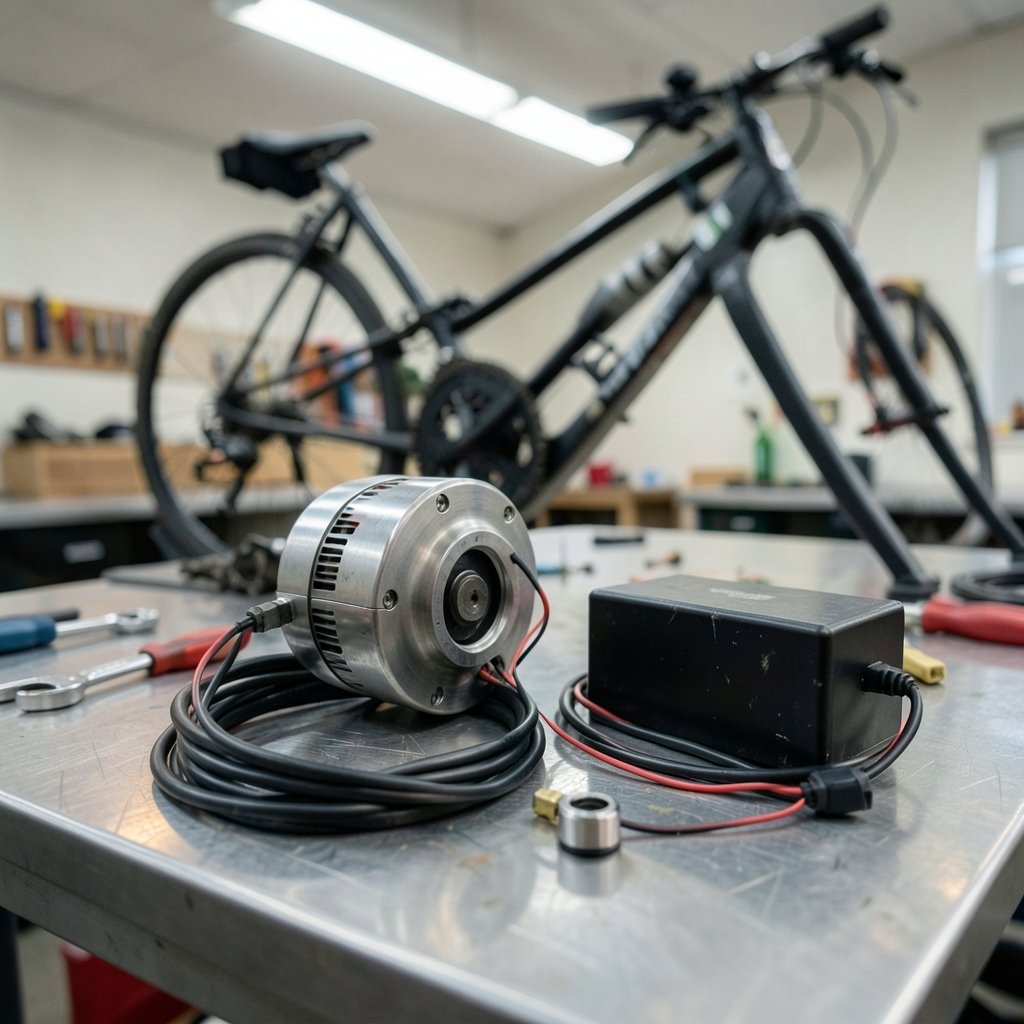
Fit for your terrain and cargo. Mid-drive motors, which drive through the pedals and gearing, suit hills and heavy loads. Hub-drive motors, built into the wheel, are often cheaper and simpler. Neither is universally better.
The Rules That Shape Which Brands You Can Buy
Before brand shopping, know your local law. It narrows the field fast.
In the US, state laws generally follow a three-class model. Class 1 is pedal-assist only, with the motor cutting off at 20 mph. Class 2 adds a throttle, also capped at 20 mph. Class 3 is pedal-assist up to 28 mph, with helmet and age rules that vary by state. Some trails and paths allow only Class 1, which is why many commuter-focused brands build Class 1 models by default.
In the EU, pedal-assist bikes are exempt from type approval if the motor cuts off at 25 km/h and output is 250 W or less. Anything faster, or throttle-only, falls under moped or motorcycle rules. That is why European brands like Gazelle and Riese & Müller build around 250 W mid-drive systems rather than chasing big wattage numbers.
The practical takeaway: a 750 W throttle bike that feels thrilling in a parking lot may be illegal on the path you planned to ride every morning. Check the rules before you fall in love with a model.
Main E-Bike Brands and Who They Suit
The brands split roughly into bike-shop heritage brands, direct-to-consumer value brands, and specialist makers. Here is how the most commonly cited names line up. (Press on nail brands)
| Brand | Typical strength | Best for | Watch out for |
|---|---|---|---|
| Trek | Broad lineup, strong dealer network | Riders who want local service | Higher prices |
| Specialized | Refined motors, sporty handling | Commuters and fitness riders | Premium pricing |
| Giant | Value within bike-shop brands | First-time buyers wanting support | Fewer cargo options |
| Cannondale | Light, agile city bikes | Urban riders | Smaller e-bike range |
| Rad Power Bikes | Direct-to-consumer value | Budget commuters, casual riders | Assembly and shipping service |
| Aventon | Style and value | Urban and leisure riders | Dealer coverage varies by city |
| Gazelle | Dutch comfort, durability | Daily commuting, older riders | Heavy frames |
| Riese & Müller | Premium cargo and touring | Families, long-distance riders | Very high prices |
| Tern | Compact cargo and folding | Apartment dwellers, families | Niche sizing |
| Brompton | Folding portability | Multimodal commuters | Small wheels, higher cost |
| Cowboy | Sleek app-connected design | Tech-forward city riders | Limited service network |
This is a judgment map, not a ranking. A brand that tops one rider’s list may be a poor fit for another’s stairs, storage or terrain.
Bike-Shop Brands: Trek, Specialized, Giant, Cannondale
These brands share a defining feature: you can usually test ride before buying and get warranty work done nearby. Trek and Specialized have invested heavily in their own motor systems alongside third-party drives, and both field commuter, fitness and mountain models. Giant offers similar dealer support, often at a slightly lower entry price. Cannondale leans toward light, agile city bikes.
The trade-off is cost. You are paying partly for the network. For a rider who wants to drop the bike off when something rattles, that is money well spent.
Direct-to-Consumer Brands: Rad Power Bikes, Aventon
Direct-to-consumer brands cut out the shop and pass some savings along. Rad Power Bikes built much of the US budget commuter market this way, and Aventon has gained ground with stylish urban models. The catch is that assembly, tuning and warranty shipping become your job. If you are comfortable with basic tools and a torque wrench, this can work well. If not, budget for a local shop to assemble and check the bike, which narrows the price gap.
Specialist Makers: Gazelle, Riese & Müller, Tern, Brompton, Cowboy
These brands win on a specific job. Gazelle builds comfortable, durable Dutch-style commuters. Riese & Müller focuses on premium cargo and touring bikes, often with dual-battery options. Tern makes compact cargo and folding bikes that fit apartments and train carriages. Brompton’s folding e-bike is built for multimodal commutes. Cowboy leans into app-connected, minimalist city design.
Specialists rarely compete on price. They compete on solving one problem exceptionally well. If your problem is “I live on the third floor and commute by train,” a folding specialist beats a generalist every time.
Motor Systems and What They Change
Most e-bikes run on one of a handful of drive systems: Bosch, Shimano (STEPS), Yamaha, Brose and Bafang, among others. The motor brand matters less than the drive type and how the system is tuned.
Mid-drive motors sit at the cranks and use your gears. They climb hills well and handle cargo loads without straining. They also tend to feel more like natural cycling.
Hub-drive motors sit in the rear wheel and push directly. They are often cheaper and require less drivetrain wear, but they can struggle on steep grades with heavy loads and may feel less balanced.
A common mistake is buying the highest-wattage motor available. Wattage alone says little about how a bike feels. A well-tuned 250 W mid-drive can outperform a poorly geared 750 W hub motor on a real hill.
Battery Safety and Certification: The Detail Buyers Skip
Battery fires, often tied to uncertified batteries and improper charging, have been reported in dense cities. This is the least glamorous part of e-bike shopping and the most important.
Practical steps that actually work:
- Buy a bike or battery with UL 2849 or UL 2271 certification where you live.
- Charge with the charger that came with the bike, not a generic replacement.
- Charge in a room with a smoke detector, away from exits and flammable material.
- Avoid charging overnight while you sleep, and never charge a damaged or swollen battery.
- Store the battery at moderate temperatures, not in a freezing garage or a hot car.
The common mistake is treating the battery as an accessory. It is the most safety-critical component on the bike.
Real-World Buying Tips That Save Regret
A few habits separate happy owners from frustrated ones.
Test ride the model itself, not the brand name alone. Geometry and motor tuning vary widely within a single brand’s lineup.
Check the warranty terms on the battery specifically. Battery capacity fades over time, and coverage for capacity loss is often shorter than frame coverage.
Confirm repairability. Some brands lock batteries and motors to proprietary systems, which affects repairability and resale. Ask whether a third-party shop can source parts.
Measure your storage before you buy. Cargo and long-tail bikes are wonderful and enormous. Check doorways, elevators and bike-room rules first.
Budget for accessories. A good lock, fenders, lights and a rack often add several hundred dollars. Factor them in from the start.
If you are also comparing other big-ticket purchases this year, the same logic applies to designer luggage brands: pay for the network and durability that match how you actually use the thing, not the logo. The same goes for luxury car brands, where dealer service is often the real product. (Good brands concealer actually works real skin)
How to Decide in Ten Minutes
Answer four questions and the field narrows quickly.
- Where will you ride most, and what class does that path allow?
- How far is your typical trip, and can you charge at either end?
- Where will the bike live, and can you carry it up stairs?
- Do you want to fix small issues yourself, or do you want a shop nearby?
If you answered “hilly commute, shop nearby, no stairs,” a bike-shop brand with a mid-drive motor is the obvious fit. If you answered “flat city, tight apartment, train commute,” a folding specialist wins. If you answered “budget, flat roads, comfortable with tools,” a direct-to-consumer brand makes sense.
Conclusion
The best e-bike brand is the one that fits your terrain, your storage, your local laws and your tolerance for maintenance. Trek, Specialized and Giant earn their prices through dealer support. Rad Power Bikes and Aventon deliver value for riders willing to handle assembly. Gazelle, Riese & Müller, Tern, Brompton and Cowboy solve specific problems beautifully. Whichever direction you lean, insist on certified electrical systems, test ride the exact model, and read the battery warranty before you pay. Do that, and the bike will still feel like a good decision two years and several thousand miles later.
FAQ
What is the most reliable e-bike brand?
There is no single most reliable brand, because reliability depends heavily on the motor system and how the bike is maintained. Brands with strong dealer networks tend to score well on owner satisfaction because problems get fixed quickly. Look for certified electrical systems and a warranty that covers the battery as well as the frame.
Are expensive e-bikes worth it?
Often yes, but not always. Higher prices typically buy better motors, stronger brakes, lighter frames and, crucially, local service and warranty support. If you ride daily and rely on the bike, that support is worth real money. If you ride occasionally on flat ground, a well-chosen budget model can serve you fine.
What is the difference between Class 1, 2 and 3 e-bikes?
Class 1 is pedal-assist only with motor cutoff at 20 mph. Class 2 adds a throttle, also capped at 20 mph. Class 3 provides pedal-assist up to 28 mph, with helmet and age rules that vary by state. Many trails allow only Class 1, so check local rules before buying.
Do I need UL certification on an e-bike battery?
In some jurisdictions, yes, and it is a smart baseline everywhere. UL 2849 covers e-bike electrical systems and UL 2271 covers batteries. Certification means the battery, charger and system were tested together, which reduces fire risk compared with uncertified packs.
Is a mid-drive or hub-drive motor better?
Mid-drive motors suit hills, cargo and riders who want a natural cycling feel, because they use the bike’s gears. Hub-drive motors are often cheaper and simpler but can struggle on steep grades with heavy loads. Match the drive type to your terrain rather than to wattage claims.
Can I buy an e-bike online and still get it serviced?
Usually yes, but plan for it. Many local shops will service bikes they did not sell, though some prioritize their own customers. Budget for a professional assembly and safety check after delivery, and confirm before purchase that a shop near you will work on that brand and motor system.