What if the “best” electrolyte drink on the shelf is actually the wrong one for your body and your day? That question trips up a lot of people. A runner training for a marathon, a parent up all night with a sick kid, and someone who just wants a tastier way to stay hydrated all need different things from a bottle. The market answers with a wall of neon labels and bold claims, and almost none of them explain the one number that matters most: how much sodium is actually inside.
This guide sorts through what electrolyte drinks really do, where the popular ones fall short, and how to pick the right one for your situation. No hype, no miracle promises. Just the science, the labels, and a few practical tricks that make the choice a lot easier.
What an Electrolyte Drink Actually Does
Electrolytes are minerals that carry an electrical charge when dissolved in water. The big four are sodium, potassium, magnesium, and calcium. They help muscles contract, nerves fire, and fluid stay balanced on both sides of your cell walls. Your body loses them mainly through sweat, urine, and, when you’re sick, through vomiting and diarrhea.
Here’s the part most people miss. A drink isn’t hydrating just because it contains electrolytes. What matters is the ratio of sodium to glucose and the overall concentration of the drink, measured as osmolarity. Water moves into your bloodstream fastest when a drink is slightly less concentrated than your body fluids. Too concentrated, and it pulls water into your gut and makes you feel bloated. Too dilute, and you’re basically drinking flavored water.
The gold standard for rehydration is the reduced-osmolarity oral rehydration solution (ORS) formula developed for public health use. It mixes roughly 2.6 g of sodium chloride, 2.9 g of glucose, 1.5 g of potassium chloride, and 3.5 g of trisodium citrate into a liter of clean water. That works out to about 75 mmol/L of sodium and 75 mmol/L of glucose, with a total osmolarity near 245 mOsm/L. It tastes salty and flat, and it saves lives. That’s the benchmark every other drink gets compared against.
How the Popular Categories Stack Up
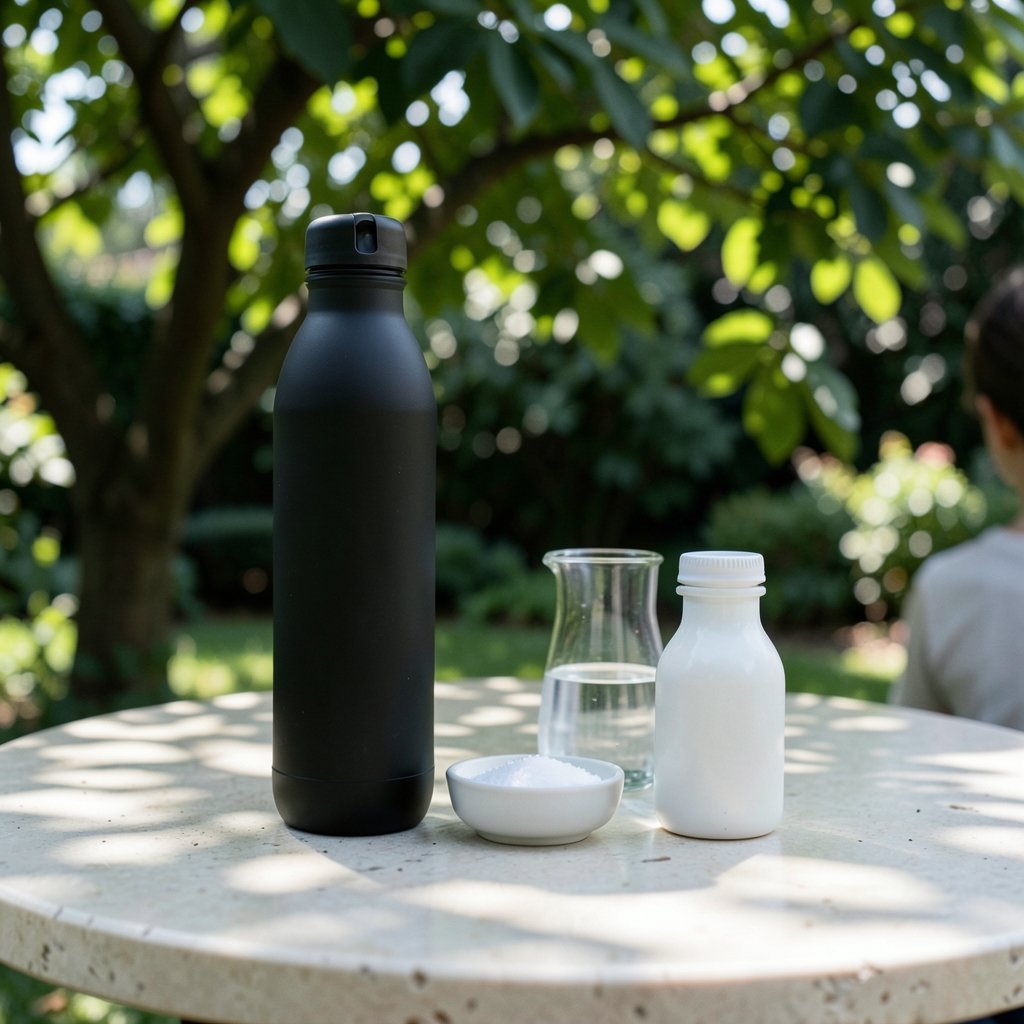
Not all electrolyte drinks are built for the same job. Here’s how the main types compare on the numbers that matter.
| Drink type | Typical sodium | Sugar | Best for |
|---|---|---|---|
| Oral rehydration solution | ~75 mmol/L | Contains glucose | Illness, dehydration, medical rehydration |
| Sports drinks | ~20 mmol/L | 6–8% carbohydrate | Prolonged exercise over one hour |
| Pediatric rehydration drinks | ~45 mmol/L | Some sugar | Mild illness in children |
| Sugar-free electrolyte powders | Varies widely | None | Everyday low-calorie hydration |
| Coconut water | Low sodium, high potassium | Natural sugars | Light hydration, taste preference |
The gap between sports drinks and ORS is bigger than most people realize. A typical sports drink carries roughly 20 mmol/L of sodium, while ORS sits at about 75 mmol/L. That’s fine for a soccer game. It’s not fine if you’re trying to replace fluids after a stomach bug. Using a sports drink for illness is one of the most common mistakes people make, and it’s an easy one to fix once you know the difference.
Why Sweat Rate Changes the Answer
Individual sweat sodium concentrations commonly range from about 10 to 90+ mmol/L. That’s a huge spread. Some people lose a little salt when they sweat; others lose a lot and end up with white streaks dried on their shirts and gear. If you’re a heavy, salty sweater, a standard sports drink may leave you short on sodium even during a long workout.
The American College of Sports Medicine position stand from 2007 recommends that during exercise lasting over an hour, athletes drink fluids containing 0.5 to 0.7 g of sodium per liter, plus 6 to 8% carbohydrate. That’s roughly 20 to 30 mmol/L of sodium, which is right in line with mainstream sports drinks. For sessions under an hour, plain water plus a normal meal usually covers it.
A practical test: weigh yourself before and after a long, hot workout. Every kilogram lost is roughly a liter of fluid you didn’t replace. If you’re down two kilos after a two-hour run, you now know your real fluid target, and you can match your sodium intake to how salty your sweat actually is. That beats guessing from a label.
The Sugar Question Nobody Agrees On
Glucose isn’t filler. It actively helps your gut absorb sodium and water through a transporter called SGLT1. That’s precisely why ORS contains glucose: the sugar pulls sodium across the intestinal wall, and water follows. Strip the sugar out and you lose that co-transport boost, which matters a lot when you’re genuinely dehydrated.
But sugar-free electrolyte products have a real place. If you’re sipping on a hot day at your desk, or you want hydration without the calories, a zero-sugar option works fine. The key is knowing which job you’re hiring the drink for. For serious rehydration, sugar helps. For everyday sipping, it’s optional.
There’s a related trap with sweet drinks in general. People assume anything flavored and hydrating is doing them good, but a sugary coffee drink or a fancy café beverage can pack a calorie load that has nothing to do with hydration. If you’re curious how much sugar hides in everyday drinks, a Starbucks calorie calculator to estimate your drink before you order is a handy reality check. The same label-reading habit applies to electrolyte products.
Reading the Label Like Someone Who Knows Better
Most electrolyte drinks bury the useful info in small print. Here’s what to scan for, in order.
- Sodium per serving. This is the headline number. Check whether it’s listed in milligrams or mmol/L, and check the serving size, because many bottles contain two or more servings.
- Potassium. Most sports drinks contain modest potassium, often under 5 mmol/L. Don’t expect much here.
- Magnesium and calcium. Many products contain little or none. Claims about “electrolyte balance” should be read against the actual numbers, not the marketing copy.
- Sugar and carbohydrate percentage. For exercise, look for 6 to 8% carbohydrate. For everyday use, decide whether you want the calories.
- Osmolarity, if listed. A drink in the 200 to 250 mOsm/L range absorbs efficiently. Few products print this, but the ones that do are usually serious about hydration.
A quick sanity check: if the label shouts about electrolytes but lists sodium in the single digits per serving, it’s essentially flavored water. That’s not a scandal. It’s just not what the front of the bottle implies.
Matching the Drink to the Situation
The single biggest improvement most people can make is to stop treating “electrolyte drink” as one category. Here’s how to match the product to the moment.
For illness and dehydration
Use a proper oral rehydration solution, not a sports drink. The sodium concentration is roughly three to four times higher, and the glucose is there for a reason. For children, pediatric rehydration drinks sit in the middle at around 45 mmol/L of sodium and are formulated with kids in mind.
For endurance exercise
A sports drink with 6 to 8% carbohydrate and 20 to 30 mmol/L of sodium fits the bill for sessions over an hour. For shorter workouts, water is usually enough. If you’re a heavy sweater, consider a higher-sodium option or add a salty snack.
For everyday hydration
Sugar-free electrolyte powders and tablets are convenient and low-calorie. They’re a pleasant way to drink more water, and that alone has value. Just don’t expect them to rescue you from real dehydration.
For the “I just want something tasty” crowd
There’s nothing wrong with choosing a drink because you like it. Plenty of people pick a beverage for flavor first and function second, whether it’s a coffee or a mixed drink. The same curiosity that leads someone to look up how a Monaco drink with beer, lemonade, and grenadine is mixed can apply to electrolyte labels: know what’s in the glass, then enjoy it. If cocktails are on the menu, a Kamikaze shot made and drunk safely is a reminder that alcohol and hydration don’t mix well, so plan water alongside.
Common Mistakes That Undermine Good Intentions
A few habits quietly cancel out the benefits of electrolyte drinks.
Drinking them instead of water all day. Electrolyte drinks are supplements, not a replacement for plain water. Overuse adds unnecessary sodium and sugar for most people.
Overdrinking during endurance events. Exercise-associated hyponatremia has been documented in endurance athletes, particularly with excessive plain-water intake. Sodium-containing fluids are one mitigation, but overdrinking remains the main driver. Drinking to thirst is a safer default than forcing fluids on a schedule.
Assuming “natural” means “better balanced.” Coconut water is a fine drink, but it’s low in sodium and high in potassium. It’s not a rehydration solution, no matter what the carton suggests.
Ignoring what else you drink. Hydration is a whole-day picture. If your morning starts with a strong coffee, know what you’re getting. A guide to what actually makes the best instant coffee worth drinking can help you enjoy it without turning it into a sugar bomb. And if you’re watching calories across the board, the same label discipline applies to fermented options too, as this look at fermented milk drink kefir and how it compares to yogurt shows. Small daily choices add up faster than one sports drink ever will.
A Simple Buying Framework
When standing in the aisle, run through three questions.
First, what am I recovering from? Illness points to ORS. Exercise points to a sports drink or higher-sodium mix. Everyday life points to a low-calorie option or plain water.
Second, how much sodium do I actually need? Check the label against the 20 to 30 mmol/L exercise range or the ~75 mmol/L illness benchmark. If the number is far off, keep looking.
Third, do I want the sugar? For rehydration, yes. For sipping, it’s your call. Just make the call consciously.
That’s it. Three questions, one label, and you’ve outsmarted most of the marketing on the shelf.
Conclusion
There is no single best electrolyte drink, and anyone who tells you otherwise is selling something. The right choice depends on whether you’re fighting a stomach bug, finishing a long run, or just trying to drink more water at your desk. Oral rehydration solutions win for illness, sports drinks with 6 to 8% carbohydrate and 20 to 30 mmol/L of sodium fit prolonged exercise, and sugar-free options work fine for everyday hydration. The one universal skill is reading the label for sodium, sugar, and serving size before you buy. Get that habit down, and the wall of neon bottles stops being confusing and starts being useful.
FAQ
What is the best electrolyte drink overall?
There isn’t one universal winner. For medical rehydration, an oral rehydration solution with about 75 mmol/L of sodium is the benchmark. For exercise over an hour, a sports drink with 6 to 8% carbohydrate and 20 to 30 mmol/L of sodium fits the guidance. For everyday hydration, a sugar-free electrolyte powder is a reasonable, low-calorie pick.
Are sports drinks good for dehydration from illness?
Usually not. Typical sports drinks contain around 20 mmol/L of sodium, far below the roughly 75 mmol/L in oral rehydration solutions. For diarrhea or vomiting, a proper ORS or a pediatric rehydration drink is the better choice. Sports drinks are formulated for sweat loss, not illness.
Do I need electrolytes if I exercise for less than an hour?
Most people don’t. For sessions under an hour, plain water plus a normal meal generally covers your electrolyte needs. Electrolyte drinks become more useful during longer, hotter, or sweatier workouts, especially if you notice salty residue on your skin or clothes.
Is sugar-free electrolyte drink as effective?
For everyday hydration and calorie control, sugar-free products work well. For genuine rehydration, sugar helps because glucose boosts sodium and water absorption in the gut. That’s why oral rehydration solutions include it. Match the product to the job rather than assuming sugar-free is always better.
How much sodium do I lose in sweat?
It varies enormously. Individual sweat sodium concentrations commonly range from about 10 to 90+ mmol/L. Heavy, salty sweaters lose far more than light sweaters, which is why a single drink can’t be optimal for everyone. Weighing yourself before and after a workout is the simplest way to estimate your own fluid losses.
Can drinking too much electrolyte fluid be harmful?
Yes, in rare cases. Overdrinking fluids, even those with sodium, can dilute your blood sodium to dangerous levels, a condition called exercise-associated hyponatremia that has been documented in endurance athletes. Drinking to thirst rather than forcing fluids on a fixed schedule is the safer approach for most recreational athletes.