Hands age faster than almost any other part of the body, and they get the least attention. They are washed dozens of times a day, exposed to cold air, hot water, cleaning products and sun, and they have very little oil of their own to protect them. The result is familiar to almost everyone: dryness, tightness, rough knuckles, cracked skin in winter, and hands that look older than the face they belong to.
A good hand cream is not a luxury extra. It is a practical repair step, and the difference between a good one and a mediocre one is real. The best formulas combine a humectant to draw in moisture, an emollient to soften, and an occlusive to seal it in, and they do it without leaving a greasy film that makes everything you touch slippery.
Below are nine hand creams worth considering in 2027, from a classic pharmacy staple to a rich balm for cracked, working hands. Each one is described by what it is good at, what to watch for, and who it suits best, so you can choose with your hands in mind, not just a pretty tube.
Key takeaways
- A good hand cream combines a humectant, an emollient and an occlusive, so moisture is drawn in, softened and sealed.
- Rich, fragrance-free creams suit very dry, cracked or eczema-prone hands, while light, fast-absorbing formulas suit daytime and office use.
- Apply hand cream after every wash, while hands are still slightly damp, and again before bed for the best repair.
- Shea butter, ceramides, glycerin and urea are reliable ingredients, and fragrance and drying alcohols are the most common irritants.
- No hand cream repairs deep cracks overnight or reverses sun damage on its own, and a cream that stings broken skin should be swapped for a gentler one.
What a hand cream actually does for hands
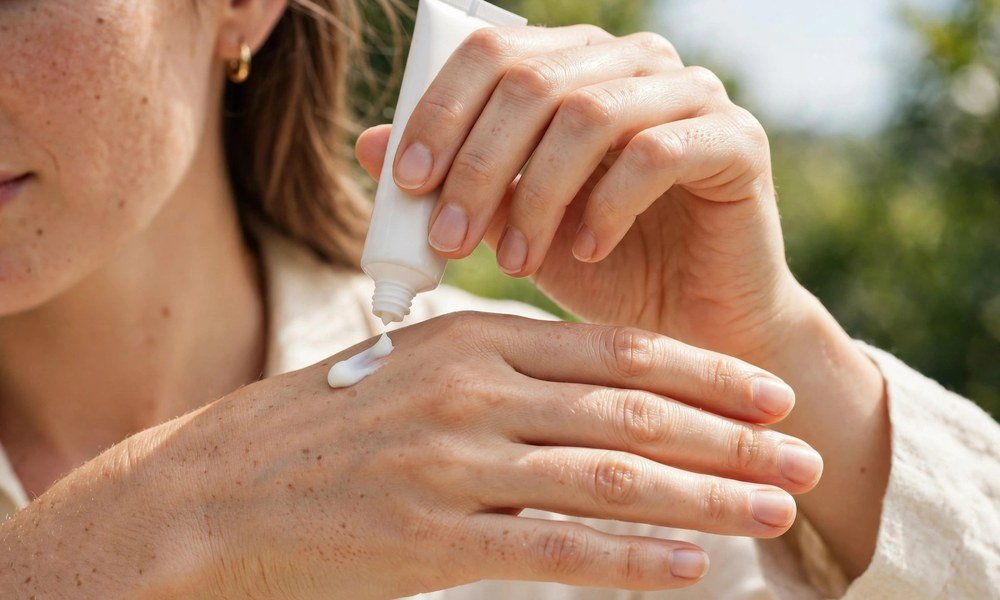
Hand cream works in three ways at once. Humectants such as glycerin and hyaluronic acid draw water into the top layer of skin. Emollients such as shea butter and squalane fill the gaps between skin cells, making skin feel smooth and flexible. Occlusives such as petrolatum and beeswax form a thin seal that stops that moisture escaping again. A formula that only does one of these will feel pleasant briefly and then fail, which is why the best hand creams feel both rich and long-lasting.
Hands need this help more than most skin because they are washed so often. Every wash with soap strips away some of the skin’s natural oils, and hot water strips more. That is why hands feel tightest after washing, and why applying cream to still-damp hands works better than applying it to dry hands. The dampness gives the humectants something to hold on to, and the cream locks it in.
Sun matters too, even though it is easy to forget. Hands are exposed to daylight all year, and they are one of the first places sun spots and thinning skin show up. A hand cream with SPF is useful for daytime, and a rich repair cream at night does the deeper work while you sleep.
How we chose these hand creams and what to look for
Look first at the texture and how it fits your day. A thick balm is ideal for overnight repair and for very dry, cracked hands, but it is impractical at a keyboard. A light, fast-absorbing cream is the one you will actually reapply after every wash, which matters more than how rich a formula is in the tube. The best routine is usually two creams: a light one for the day and a rich one for the night.
Look next at the ingredients. Shea butter and ceramides are reliable for dry and sensitive skin. Glycerin and urea help rough, flaky hands. Petrolatum is one of the most effective occlusives available and is worth having in a cream for cracked skin, even if it sounds unglamorous. Fragrance is the most common cause of irritation in hand creams, so if your hands are sensitive, cracked or eczema-prone, choose fragrance-free. Our guide to the skin barrier explains why that matters, because a damaged barrier lets irritants in and moisture out, and a good hand cream helps rebuild it.
Finally, look at the size and the tube. A hand cream you carry in a bag, keep by the sink and keep on the bedside table will be used far more often than one that lives in a drawer. A small tube in a pocket and a larger tube at home is a practical combination.
The 9 best hand creams of 2027
L’Occitane Shea Butter Hand Cream
What we like: A classic 20 percent shea butter formula that is rich, fast-absorbing and reliably softening, with a light, clean scent and a tube that fits easily in a bag.
What to consider: It is scented, so very sensitive skin may prefer a fragrance-free option, and it is a mid-price cream rather than a budget one. Key ingredients: 20% shea butter, glycerin. Skin type: Dry, normal. Size: 30 ml / 150 ml. Cruelty-free: No.
This is the hand cream other hand creams are measured against. It is not the richest or the cheapest, but for everyday dry hands it is a dependable, pleasant choice that most people will finish and repurchase.
CeraVe Therapeutic Hand Cream
What we like: Fragrance-free, with ceramides and hyaluronic acid, it repairs the barrier while it moisturises, absorbs without greasiness, and is gentle enough for eczema-prone hands.
What to consider: The texture is light, so very cracked hands may want a richer balm on top at night. Key ingredients: Ceramides, hyaluronic acid, dimethicone. Skin type: Dry, sensitive, eczema-prone. Size: 50 ml / 85 ml. Cruelty-free: No.
A sensible, no-fuss choice for hands that are dry, irritated or reactive. It is affordable, widely available, and one of the safest picks for skin that flares easily.
Neutrogena Norwegian Formula Hand Cream
What we like: A concentrated glycerin formula that works with a very small amount, lasts through several hand washes, and is excellent value for severely dry hands.
What to consider: A little goes a long way, and too much feels sticky, so use a pea-sized amount. Key ingredients: Glycerin 40%. Skin type: Very dry, chapped. Size: 50 ml / 75 ml. Cruelty-free: No.
This is the workhorse for winter hands. It is concentrated and unglamorous, but for cracked knuckles and hands that dry out within an hour of washing, it is one of the most effective options available.
La Roche-Posay Cicaplast Mains
What we like: A repairing balm with shea butter, glycerin and niacinamide, designed for damaged, irritated hands, with a non-greasy finish that is comfortable to wear.
What to consider: It is a repair cream rather than a daily luxury cream, so the texture is practical rather than indulgent. Key ingredients: Shea butter, glycerin, niacinamide. Skin type: Damaged, sensitive, dry. Size: 50 ml / 100 ml. Cruelty-free: No.
For hands that are cracked, sore or over-washed, this is a strong choice. It is designed for repair, and it does that job well without fragrance or fuss.
Aesop Resurrection Aromatique Hand Balm
What we like: A rich, aromatic balm with shea butter, coconut oil and mandarin rind, that feels luxurious, absorbs well, and leaves hands soft without a heavy residue.
What to consider: Premium price, and the herbal citrus scent is distinctive, so it is not for people who prefer unscented products. Key ingredients: Shea butter, coconut oil, mandarin rind. Skin type: Dry, normal. Size: 75 ml / 500 ml. Cruelty-free: Yes.
This is the indulgent option, and it earns its place. It is the hand cream to keep by the bed or on a desk, where the scent and texture make reapplying a small pleasure rather than a chore.
Kiehl’s Ultimate Strength Hand Salve
What we like: A thick, waxy salve with avocado oil and shea butter that protects hands in cold weather, lasts through washing, and is excellent for outdoor work.
What to consider: It is heavy and can feel greasy for the first few minutes, so it is best used at night or before going outside. Key ingredients: Avocado oil, shea butter, sesame oil. Skin type: Very dry, chapped, outdoor hands. Size: 75 ml / 150 ml. Cruelty-free: No.
For hands that work outdoors, garden, or spend winter in cold air, this salve is one of the most protective options. Apply it thickly before bed and let it work overnight.
Burt’s Bees Almond & Milk Hand Cream
What we like: A gentle, naturally scented cream with almond oil and beeswax, affordable, easy to carry, and pleasant enough to use several times a day.
What to consider: It is a light cream, so very dry hands will need a richer product as well, and it contains beeswax, which some people prefer to avoid. Key ingredients: Almond oil, beeswax, vitamin E. Skin type: Normal, dry. Size: 75 g. Cruelty-free: No.
A good everyday cream for normal to dry hands. It is inexpensive, smells gentle, and is the kind of tube that gets used up rather than forgotten in a drawer.
O’Keeffe’s Working Hands
What we like: A concentrated, fragrance-free cream created for extremely dry, cracked hands, with a high level of glycerin and a formula that creates a protective barrier.
What to consider: The texture is thick and can feel slightly tacky at first, and it is a treatment cream rather than a cosmetic one. Key ingredients: Glycerin, dimethicone, paraffin. Skin type: Extremely dry, cracked, working hands. Size: 76 g / 96 g. Cruelty-free: No.
For hands that are cracked, bleeding or painfully dry, this is one of the most effective repair creams available. Use it twice a day for a week and the difference is usually clear.
Weleda Skin Food
What we like: A very rich, multi-use balm with sunflower seed oil, beeswax and lanolin, that rescues dry patches, cuticles and knuckles, and is widely loved for its versatility.
What to consider: It is very thick and can feel greasy, so use a small amount and warm it between your palms first. Key ingredients: Sunflower seed oil, beeswax, lanolin. Skin type: Very dry, rough, chapped. Size: 75 ml. Cruelty-free: No.
This is the rescue balm for the driest spots: knuckles, cuticles, elbows and heels as well as hands. A little goes a long way, and it is at its best as an overnight treatment.
Which hand cream is right for your hands
Very dry, cracked hands need a rich, fragrance-free cream or salve, used twice a day and again after every wash. Look for ceramides, glycerin and petrolatum, and be patient. Deep cracks take a week or more of consistent use to heal, and a cream that stings broken skin should be replaced with a gentler one until the skin has closed.
Normal to dry hands do well with a mid-weight cream that absorbs quickly and can be reapplied often. This is where a pleasant texture matters most, because the cream that gets used five times a day will always beat the richer cream that sits unused. Keep one by the sink, one in your bag, and one by the bed, so reapplying is easy. Our guide to the best moisturisers for dry skin covers the same barrier-repair principles for the face, and they apply to hands too.
Sensitive or eczema-prone hands need fragrance-free formulas with as few ingredients as possible. Avoid creams with drying alcohol, strong fragrance, or essential oils, and patch-test on the back of one hand before using a new cream all over. If hands flare often, a simple ceramide cream and a plain occlusive at night is usually more effective than a long list of actives.
The caveats that matter
Hand cream is helpful, but it is not a cure for everything. Deep cracks, persistent redness, itching or blistering can be eczema, contact dermatitis or a fungal infection, and those need a clinician, not a stronger cream. If a hand cream makes your skin worse, stop using it and try a simpler formula. That is especially true for creams with fragrance, essential oils or exfoliating acids, which can irritate damaged skin.
| Detail | What is known |
|---|---|
| Best formula for most hands | A cream with glycerin, shea butter or ceramides, plus an occlusive to seal moisture in |
| When to apply | After every wash, on slightly damp hands, and again before bed |
| How much to use | A pea-sized amount per hand for a cream, less for a concentrated formula |
| Who should choose fragrance-free | Sensitive, eczema-prone, cracked or irritated hands |
| What to avoid on broken skin | Fragrance, essential oils, drying alcohol and exfoliating acids |
| Day versus night | Light, fast-absorbing cream by day; rich balm or salve overnight |
| Sun protection | Hands are exposed to sun all year, so an SPF hand cream helps during the day |
| When to see a clinician | Deep cracks, persistent redness, itching or blistering that does not improve in two weeks |
If you work with cleaning products, wear gloves whenever you can. No hand cream can fully protect skin from repeated contact with detergents and solvents, and gloves plus cream together are far more effective than cream alone.
Checklist: choosing a hand cream honestly
Use these checks before you buy, and again after two weeks of use.
- Check the ingredients: glycerin, ceramides or shea butter for dryness, and an occlusive to seal it in.
- Check the fragrance: choose fragrance-free if your hands are sensitive, cracked or eczema-prone.
- Check the texture: light and fast-absorbing for daytime, rich and protective for night.
- Patch-test first: try a new cream on the back of one hand for two to three days before full use.
- Apply after washing: put cream on slightly damp hands, not dry hands, to lock in moisture.
- Keep it where you will use it: one by the sink, one in your bag, one by the bed, so reapplying is easy.
Frequently asked questions
How often should I apply hand cream?
After every wash, and before bed at minimum. Hands are washed many times a day, and each wash removes protective oils, so reapplying often matters more than how rich the cream is.
Why do my hands still feel dry after using hand cream?
Either the cream is too light for your skin, or you are applying it to dry hands. Try a richer cream, apply it to slightly damp hands, and add a thick balm at night. If dryness persists, check whether your soap or cleaning products are the cause.
Is hand cream different from body lotion?
Yes, usually. Hand creams are generally richer and more concentrated, because hands are washed so often and have little oil of their own. Body lotion is lighter and designed to spread over a large area. A good hand cream is worth having separately, and a barrier repair cream can work for both face and hands when skin is very dry.
Can hand cream help cracked knuckles?
Yes, if it is rich and fragrance-free, and if you use it consistently. Apply a thick layer at night, and consider cotton gloves overnight for a week to help it absorb. If cracks bleed, are painful, or do not improve in two weeks, see a clinician.
Do I need SPF on my hands?
It helps. Hands are exposed to sun all year and are one of the first places sun spots and thinning skin appear. A hand cream with SPF, or sunscreen applied to the backs of your hands in the morning, is a simple habit with a real benefit.
What should I avoid in a hand cream?
Strong fragrance, essential oils and drying alcohol if your hands are sensitive or cracked. Exfoliating acids can also sting broken skin. Choose a simple, fragrance-free formula when your hands are damaged, and save scented creams for when your skin is healthy.
The bottom line
The best hand cream in 2027 is not the most expensive or the most luxurious. It is the one that suits your hands, that you will reapply after every wash, and that keeps working through the day. For very dry, cracked hands, a rich, fragrance-free repair cream is the right choice. For normal to dry hands, a pleasant mid-weight cream you actually use is better than a richer one you forget.
Choose one light cream for the day and one rich cream for the night, keep them where you will reach for them, and use them consistently for two weeks. That is the honest way to get softer, healthier hands, without spending more than you need to.
Note: This guide is general skincare information, not medical advice. Patch-test new products, and speak to a dermatologist if you have eczema, persistent cracking, redness or blistering, or if your hands do not improve with regular moisturising.