Buying jewellery is rarely just about the piece in front of you. It is about the name behind it, and that name carries a promise: that the gold is the weight it claims to be, that the stones are what the certificate says they are, and that the clasp will still work in ten years. But those names do not all mean the same thing. Some are centuries-old houses with their own workshops; others are young labels with clever marketing and a much smaller price tag. Both can be good purchases, for very different reasons — and confusing one for the other is how people overspend.
That is why this guide is organised by what each brand is actually good at, rather than by fame alone. A house famous for high jewellery may be a poor choice for a simple everyday chain, and a brand built for affordable gold vermeil may be exactly right for a first piece you want to wear daily without worry. The right brand for an engagement ring is often not the right brand for a pair of gold hoops.
Below are nine jewellery brands worth knowing in 2027, from the great Parisian maisons to the modern labels that made fine jewellery an everyday habit. Each is described by what it does best, what to watch for, and who it suits.
Key takeaways
- Match the brand to the job: high jewellery houses suit milestones, modern labels suit everyday wear.
- Check the metal and stones before the name: hallmarks and certification matter more than a logo.
- Aftercare is part of the price — cleaning, resizing and repairs differ hugely between brands.
- Gold vermeil, gold-plated and solid gold are not the same — the difference decides how long a piece lasts.
- A famous name does not guarantee value, and a lower price does not always mean lower quality.
What jewellery brands actually cover
The word jewellery brand covers an enormous range, and understanding the tiers is the fastest way to shop well. At the top sit the high jewellery houses, mostly founded in Paris, London or New York in the nineteenth or early twentieth century. They make one-off or small-run pieces in platinum and 18-karat gold, set with exceptional stones. Expect a boutique experience, certificates for important stones, and prices starting in the thousands.
Below them sit the luxury houses, with their own design language and wide collections, and then the contemporary fine-jewellery labels, many founded in the last fifteen years, which sell solid gold and genuine stones online at more accessible prices. Finally there are fashion jewellery brands, which work in gold-plated metals and crystals rather than precious stones. They are fun and affordable, but they are not an investment and will not last like solid gold — so be honest about what you want the piece to do and how often you will wear it.
How to choose a jewellery brand: what to look for
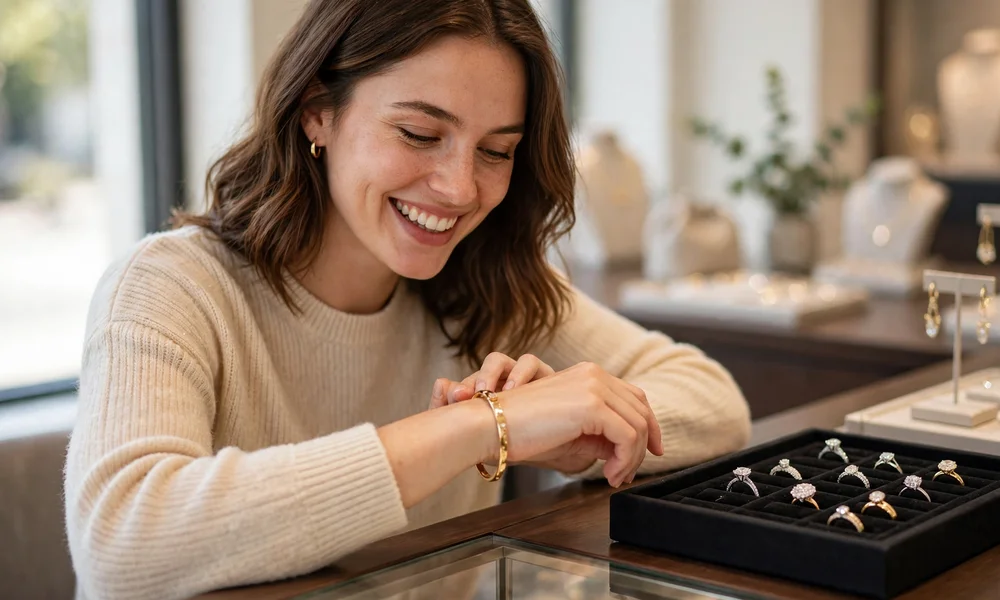
Start with materials. Solid gold is measured in karats: 18-karat is 75 percent pure gold and the fine-jewellery standard, while 14-karat is slightly harder and more common in everyday pieces. Gold vermeil is a thick layer of gold over sterling silver that can last for years with gentle care, while thin plating wears through fast. Platinum is rarer, heavier and naturally white, which suits diamonds well, but it costs more. Check the hallmark inside the band or clasp.
Then look at the stones. Diamonds should come with a grading report from a recognised laboratory, with the cut, colour, clarity and carat weight all stated plainly. Before you commit to a diamond piece, our diamond buying guide explains the 4Cs, certification and budgeting in plain language. For coloured stones, ask whether the stone is natural, lab-grown or treated — each has a different price. A brand vague about its stones is one to walk away from.
Finally, weigh the practical details. Does the brand offer free cleaning, resizing and repairs, and for how long? Is there a warranty, and what does it cover? Can you return a piece you change your mind about? These questions sound dull next to a sparkling ring, but they separate a good purchase from a frustrating one.
The best jewellery brands of 2027
Cartier — Best for iconic design and heritage
Cartier has made jewellery since 1847, and its most famous designs — the Love bracelet, the Juste un Clou nail bracelet, the Panthère — are recognisable from across a room. The house is known for clean, architectural shapes in platinum and 18-karat gold, worked to a very high standard. Its pieces hold their value well, because the designs have stayed in production for decades.
What We Like: Timeless, recognisable designs; excellent craftsmanship; strong resale value; boutiques worldwide.
What to Consider: Prices are firmly luxury, with a premium for the name as well as the materials. Popular pieces can have waiting lists.
Tiffany & Co. — Best for engagement rings and classic diamonds
Few names are as closely tied to diamonds as Tiffany & Co., setting them in New York since 1837. The Tiffany Setting, a six-prong solitaire from 1886, remains one of the most copied engagement ring designs in the world, and the house is known for strict diamond standards and the pale blue box. Collections run from accessible silver to exceptional high jewellery.
What We Like: Rigorous diamond standards; the classic six-prong setting; a wide range from silver to high jewellery.
What to Consider: The brand premium is real, especially on the most famous designs, and silver needs regular cleaning. If you are weighing ring styles, our guide to the best engagement rings compares nine rings by style, stone and budget.
Bulgari — Best for bold colour and Italian glamour
Bulgari, founded in Rome in 1884, is the house of colour. Where other maisons favour white diamonds, Bulgari pairs coloured gemstones — emeralds, rubies, sapphires, tourmalines — in combinations that are unmistakably Italian and bold. The Serpenti collection and the B.zero1 ring are its signatures, made to be noticed by people who like jewellery with personality.
What We Like: Exceptional coloured gemstones; distinctive, sculptural designs; strong heritage.
What to Consider: Bold designs are not for everyone and can be harder to wear daily. Prices are high, and coloured stones need more care than diamonds.
Van Cleef & Arpels — Best for craftsmanship and whimsy
Van Cleef & Arpels, founded in Paris in 1906, is the jeweller’s jeweller. It invented the Mystery Set, which sets stones with no visible prongs, and its Alhambra collection — the four-leaf clover in gold, mother-of-pearl and coloured stones — is one of the most worn designs in modern jewellery. The pieces feel light, detailed and quietly luxurious.
What We Like: Superb craftsmanship, including the Mystery Set; the versatile Alhambra motif, from day to evening; refined, wearable designs.
What to Consider: Popular Alhambra pieces are widely imitated, so buy only from a boutique or authorised retailer. Prices are high for the size, and delicate motifs need gentle handling.
Harry Winston — Best for exceptional diamonds
Harry Winston, the King of Diamonds, built its reputation on acquiring and cutting some of the world’s most famous stones, including the Hope Diamond, later donated to the Smithsonian. Its style is deliberately simple: the setting disappears so the stone takes centre stage. If your priority is the diamond itself, few houses can match Winston.
What We Like: Access to exceptional stones and superb cutting; settings that maximise light and brilliance; a reputation that holds value in the resale market.
What to Consider: This is the most expensive tier on this list, with boutiques in few cities, and repairs must go through the house.
Chopard — Best for ethical gold and red-carpet glamour
Chopard, founded in Switzerland in 1860, is best known for Happy Diamonds, where loose diamonds move freely behind sapphire glass, and for ethical gold, used across its collections since 2018. A regular on the Cannes red carpet, where it makes the Palme d’Or, it suits buyers who want glamour with a conscience.
What We Like: A genuine commitment to ethical and traceable gold; playful, distinctive Happy Diamonds designs; superb high jewellery and watchmaking heritage.
What to Consider: The ethical-gold story is strongest on newer collections, so ask what applies to your piece. Some designs may not suit a minimalist wardrobe.
Pandora — Best for personalised and affordable jewellery
Pandora, founded in Denmark in 1982, built its success on the charm bracelet: charms that mark birthdays, travels and milestones. Today it sells far more than charms — rings, earrings, necklaces and lab-grown diamonds — mostly in silver, 14-karat gold and gold-plated metals at prices far below the high jewellery houses. It is the easiest entry point on this list, and the best choice for a gift that grows over time.
What We Like: Affordable prices and a huge range; charms make gifts personal; lab-grown diamond options; shops almost everywhere.
What to Consider: Most pieces are silver or gold-plated rather than solid gold, so they need regular cleaning and will not last like fine jewellery. Buy it to wear, not as an investment.
Monica Vinader — Best for everyday gold vermeil
Monica Vinader, founded in Britain in 2008, is a leading name in demi-fine jewellery: 18-karat gold vermeil over sterling silver, set with semi-precious stones, at prices that make gold an everyday purchase. The designs are clean, modern and easy to layer, and the brand offers engraving and a five-year warranty on many pieces — a sensible choice for a first gold piece.
What We Like: Good-quality gold vermeil at accessible prices; modern, stackable designs; engraving and a five-year warranty; strong sustainability reporting.
What to Consider: Vermeil is not solid gold, so it wears over time and needs gentle care — no perfume, no swimming, no harsh cleaning. Stones are semi-precious, which is reflected in the price.
Mejuri — Best for modern fine jewellery at fair prices
Mejuri, founded in Canada in 2015, helped create the modern fine-jewellery model: solid 14-karat gold and genuine diamonds sold directly to customers, mostly online, without the traditional retail mark-up. The aesthetic is minimal — fine chains, small hoops, delicate rings for everyday wear and layering — and the brand is transparent about materials and pricing.
What We Like: Solid 14-karat gold at fair, transparent prices; minimal designs made for daily wear; direct-to-consumer model keeps costs down; good for layering.
What to Consider: Delicate chains can be fragile and need care, and most shopping is online, so try-on is limited. For everyday sparkle, our roundup of the best diamond earrings covers nine studs, hoops and drops by budget.
Background: how the jewellery industry has changed
Jewellery used to be bought in grand boutiques, mostly for weddings, and mostly by men buying for someone else. That has changed in the last decade: women now buy most of their own jewellery, more often and in smaller pieces. Direct-to-consumer brands, lab-grown diamonds and online shopping have pushed prices down and choice up.
Lab-grown diamonds are the biggest single change: chemically identical to mined diamonds and significantly cheaper, they have made larger stones accessible to far more buyers. Some high jewellery houses still work only with mined stones, while many modern brands offer lab-grown as standard. A lab-grown diamond is real, but it does not hold value like a rare mined stone — so the choice depends on whether you value size, price or resale. Sustainability matters too: the best brands publish sourcing policies, use recycled gold, and repair their own work.
The caveats that matter
Before you spend, know the traps. The most common is paying a fine-jewellery price for a fashion piece: gold-plated brass at solid-gold prices, or crystals described as if they were diamonds. The second is buying a stone without paperwork — a diamond without a grading report, or a coloured stone with no note of treatment, is a gamble. The third is ignoring aftercare: a ring that cannot be resized will frustrate you long after the excitement fades.
| Detail | What is known |
|---|---|
| Gold vermeil vs plating | A thick gold layer over silver that lasts years with care; thin plating wears through in months. |
| Lab-grown diamonds | Chemically identical to mined diamonds and cheaper, but they hold less resale value. |
| Certification | Important diamonds need a grading report from a recognised laboratory; ask before buying. |
| Treated stones | Many coloured stones are heat-treated to improve colour; treatment should be disclosed and affects price. |
| Resale value | High jewellery houses and famous designs hold value best; fashion and demi-fine pieces rarely resell well. |
| Aftercare | Policies vary widely; check what is free, what is charged and how long it takes. |
| Allergies | Nickel in some alloys can irritate sensitive skin; look for nickel-free or hypoallergenic pieces if you react. |
| Everyday wear | Delicate chains, soft stones like pearls and opals, and vermeil need more care than solid gold. |
Checklist: before you buy from any jewellery brand
- Confirm the metal — solid gold, vermeil or plated — and the karat; check the hallmark.
- Ask for stone paperwork: a grading report for diamonds, treatment disclosure for coloured stones.
- Compare like with like: same metal, stone weight and size — then compare prices.
- Check aftercare in writing: cleaning, resizing, repairs and warranty length.
- Try it on, or check the return policy: weight, comfort and clasp quality only become clear on the body.
- Keep receipts, certificates and appraisals together, and insure valuable pieces.
Frequently asked questions
Which jewellery brand is best overall?
There is no single best brand — it depends on the piece. For an engagement ring or milestone diamond, the great houses — Cartier, Tiffany & Co., Harry Winston — lead on stone quality and craftsmanship. For everyday fine jewellery, modern labels such as Mejuri and Monica Vinader offer solid gold at fair prices.
Are lab-grown diamonds worth it?
For most buyers, yes. A lab-grown diamond is chemically identical to a mined diamond and usually costs far less for the same size and quality. The trade-off is resale value: lab-grown stones hold little of their price second-hand, while rare mined diamonds hold value better. Buy lab-grown to wear and enjoy, not as an asset.
Is gold vermeil real gold?
Yes, with a qualification. Gold vermeil is a thick layer of real gold — usually 18-karat — bonded over sterling silver, regulated in many countries to a minimum thickness. It looks and feels like solid gold and can last for years with gentle care, but it will eventually wear, especially on rings and bracelets.
How do I know a jewellery brand is trustworthy?
Look for clear information about materials, hallmarks and stone certification, a real address, and a written returns and warranty policy. Trustworthy brands state the metal, karat, stone weight and treatment of coloured stones without being asked. Be cautious of brands that hide these details or use vague words like genuine or premium.
Should I buy jewellery online?
Yes, if the brand is established and the policy is clear. Online-first brands such as Mejuri built their reputations on transparent pricing and easy returns, and many traditional houses now sell online too. Check the return window, who pays return postage, and whether there is a showroom to see the piece in person.
What jewellery holds its value best?
Pieces from the great high jewellery houses, especially iconic designs in good condition with box and papers, hold value best. High-quality certified diamonds in classic settings also retain value better than fashion pieces. Demi-fine and fashion jewellery should be bought to wear and enjoy, not as an investment.
The bottom line
The best jewellery brand is the one that matches the piece you want: a high jewellery house for a once-in-a-lifetime ring, a trusted luxury name for a classic you will wear for decades, or a modern label for everyday gold. Judge every brand on materials, stones, craftsmanship and aftercare, and the name becomes a useful shortcut rather than a gamble.
Start small if you are unsure. A single well-chosen piece — studs, a fine chain, a stacking ring — will teach you more about what you like and what lasts than any amount of browsing. Buy the best quality you can afford, keep the paperwork, and wear the piece often. Jewellery kept in a box is jewellery wasted.
Note: Prices, collections and warranties change and vary by country and boutique. Check the brand’s official website for current details before buying, and have valuable pieces appraised and insured.
Meet Our Experts
Our jewellery coverage is written by BrassSmile’s fashion and lifestyle editors, who research materials, hallmarks and brand histories and compare collections side by side. We do not invent testers or gemmologists; where a claim depends on a brand’s own published information, we say so.
Why Trust BrassSmile
BrassSmile covers beauty, fashion and luxury with a focus on practical, honest guidance. We compare brands on materials, craftsmanship, aftercare and value, we link only to our own published guides, and we update our roundups as collections and prices change.