Linen is not the fabric most people reach for in winter, and that is exactly why it is worth a closer look. The common assumption is that linen belongs to summer, to breezy shirts and beach dresses, and that cold weather calls for wool or cashmere instead. The truth is more interesting. A well-made linen dress, especially one blended with wool or silk and worn with the right layers, can be one of the most comfortable things in a winter wardrobe. It breathes, it drapes beautifully, and it does not cling the way some synthetics do under a coat.
The best linen dresses for winter 2027 are not thin summer dresses worn out of season. They are heavier weaves, lined bodies, long sleeves, and blends that hold their shape in cold air. Designers from Ralph Lauren to COS have been cutting linen for winter for several seasons now, and the results are dresses that work from a cold morning commute to a warm restaurant table, without the overheating that heavy knits can cause indoors.
Below are nine linen dresses worth considering, from an investment silk-blend shift to affordable high-street options. Each one is described by what it is good at, what to watch for, and who it suits best, so you can choose with your winter routine in mind, not just a bestseller list.
Key takeaways
- Linen works in winter when the weave is heavier, the dress is lined, or the linen is blended with wool or silk for warmth and structure.
- Layering is what makes a linen dress winter-ready: tights, boots, a warm coat, and a fine knit underneath turn a light dress into a cold-weather outfit.
- Look for long sleeves, a lined bodice, and a midweight or heavyweight fabric before you buy, and check the care label for washing instructions.
- Blended linen creases less and holds its shape better than pure linen, which is worth knowing if you sit at a desk all day.
- Linen is not as warm as wool or cashmere on its own, so a pure, unlined linen dress is a poor choice for the coldest days, however beautiful it looks.
What linen actually does in winter
Linen is a natural fibre made from the flax plant, and its best-known quality is breathability. In summer that means it stays cool and lets air move. In winter, that same quality works differently: it regulates temperature rather than trapping heat, so a linen dress does not leave you overheated in a warm office, a heated car, or a crowded restaurant. That is a real advantage over heavy knits, which can feel stifling once you come indoors.
Linen is also naturally strong and durable. A well-made linen dress holds its shape for years, softens with wear, and resists pilling in a way many wool blends do not. It drapes with a relaxed, slightly structured fall that suits shift dresses, shirt dresses, and A-line cuts, and it takes dye beautifully, so winter colours like deep olive, charcoal, burgundy, and navy look rich rather than flat.
The weakness is warmth. Pure linen on its own is not an insulator, and a thin, unlined linen dress will feel cold on a frosty morning. That is why winter linen dresses are almost always heavier weaves, lined, or blended. A linen and wool blend keeps linen’s drape and breathability while adding real warmth. A linen and silk blend adds softness and a subtle sheen. A lined bodice stops drafts and keeps the dress sitting smoothly over tights and thermals.
How we chose these dresses and what to look for
Look first at the fabric weight and the blend. A winter linen dress should feel substantial in your hands, not sheer or papery. Check the label: pure linen is fine if the weave is heavy and the dress is lined, but a blend with wool, silk, or a small amount of viscose usually wears better in cold weather. Our guide to the best linen dresses explains the full range of cuts and fabrics, and it is a useful starting point if you are new to the fabric.
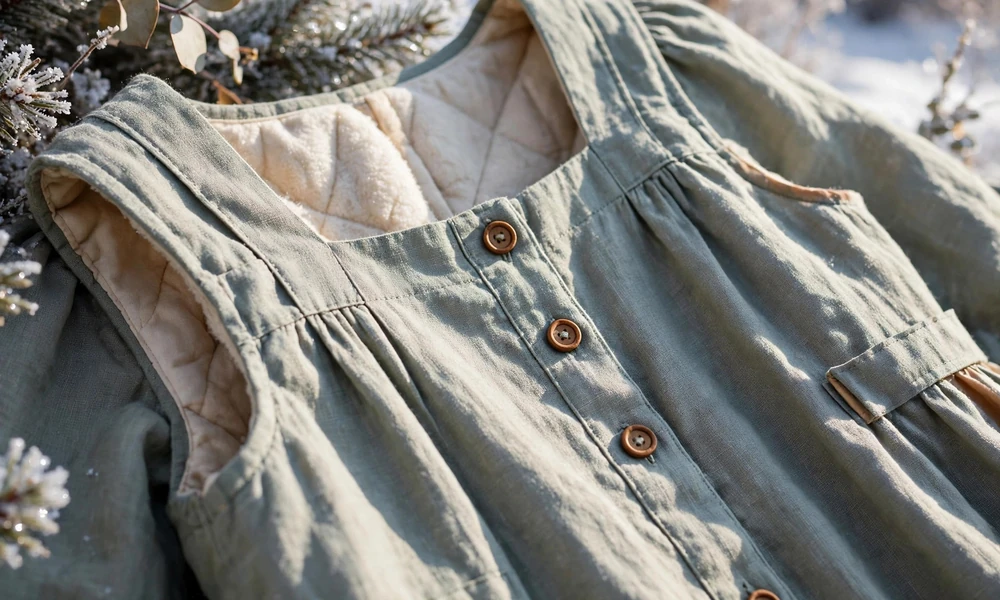
Look next at the cut and the length. Long sleeves are almost essential for a winter linen dress, and a midi or maxi length keeps more of you warm than a mini. A shift or A-line shape layers easily over a fine thermal or a thin roll-neck, while a shirt dress can be belted over a knit. Check the lining too: a fully lined bodice is a good sign, and a lined skirt stops the dress clinging to tights.
Finally, look at the care label and the price. Linen is easy to care for, but many winter blends are dry-clean only, and a dress you have to hand-wash every week is a dress you will wear less. Price is a poor guide on its own. Some of the best winter linen dresses are mid-priced high-street options, and some of the most expensive are the hardest to look after.
The 9 best linen dresses for winter 2027
Ralph Lauren Linen and Wool Shift Dress
What we like: A classic shift cut in a linen and wool blend that drapes cleanly, holds its shape, and feels warm enough for winter without a heavy knit underneath. What to consider: Premium price, and the straight cut suits some figures better than others. Best for: Work and smart daytime occasions. Fabric: Linen and wool blend. Price range: Premium. Standout feature: A beautifully cut shift that needs almost no styling.
This is the dress to buy if you want linen in winter without compromise. It is warm, it is polished, and it works with boots, heels, and a tailored coat.
Brunello Cucinelli Linen and Silk Midi Dress
What we like: A soft linen and silk blend with a fluid midi cut, understated luxury, and a finish that looks expensive without trying. What to consider: Premium price, and the silk content means careful handling. Best for: Evening occasions and special daytime events. Fabric: Linen and silk blend. Price range: Luxury. Standout feature: A silk-soft drape that elevates a simple silhouette.
For a winter occasion dress that feels special, this is hard to beat. Layer it with a fine knit underneath and a long coat on top.
Massimo Dutti Linen Blend Shirt Dress
What we like: A smart shirt dress in a linen blend with a belted waist, long sleeves, and a length that works with tights and boots. What to consider: The belted waist needs the right fit, and the fabric is lighter than some winter options. Best for: Work and smart casual days. Fabric: Linen blend. Price range: Mid-range. Standout feature: A versatile shirt-dress shape that dresses up or down.
A practical, well-priced option for everyday winter wear. Add a roll-neck underneath on the coldest days and it does the job well.
J.Crew Linen A-Line Dress
What we like: A flattering A-line cut in a midweight linen blend, with long sleeves and a clean, unfussy finish that layers easily. What to consider: Limited colour range, and the fabric can crease by the end of a long day. Best for: Everyday wear and weekend outings. Fabric: Linen blend. Price range: Mid-range. Standout feature: An easy A-line shape that suits most figures.
This is the everyday linen dress in the roundup. It is comfortable, it is easy to style, and it earns its place in a winter rotation.
COS Linen Midi Dress
What we like: A minimalist midi dress in a heavier linen weave, with a modern cut and a quiet, architectural feel. What to consider: The minimalist cut can feel plain without accessories, and the fit runs straight. Best for: Minimalist wardrobes and modern styling. Fabric: Heavyweight linen. Price range: Mid-range. Standout feature: A clean, modern silhouette in a substantial winter-weight linen.
For lovers of clean lines, this is the one. Add a scarf, a belt, and boots, and the simplicity becomes the point.
Arket Linen Long-Sleeve Dress
What we like: A straightforward long-sleeve dress in a washed linen blend, soft to the touch, with a relaxed fit that layers well. What to consider: The relaxed fit can look shapeless without a belt, and the colours are muted. Best for: Relaxed days and layered winter outfits. Fabric: Washed linen blend. Price range: Affordable to mid-range. Standout feature: A soft, washed texture that feels lived-in from the first wear.
A comfortable, low-effort winter dress. It is the kind of piece you reach for on a cold morning when you want to look put together without thinking about it.
Uniqlo Premium Linen Dress
What we like: An affordable, well-cut dress in premium linen, with a simple shape and a surprisingly good fabric for the price. What to consider: Pure linen, so it is lighter than the blends here and needs layering in deep winter. Best for: Budget-friendly winter styling and mild winter days. Fabric: Premium linen. Price range: Affordable. Standout feature: The best value linen in the roundup.
If you want to try linen in winter without spending much, start here. With tights, boots, and a warm coat, it works well on all but the coldest days.
Sézane Linen Midi Dress
What we like: A romantic midi dress with a flattering cut, soft linen, and thoughtful details like a smocked back or a gentle flare. What to consider: The fit can be snug across the bust, so check the size guide, and some styles are dry-clean only. Best for: Dates, dinners, and days when you want to look soft and polished. Fabric: Linen blend. Price range: Mid-range. Standout feature: A feminine cut with details that feel considered, not fussy.
This is the prettiest dress in the roundup. It brings warmth to a winter wardrobe in a way a heavy knit simply cannot.
Mango Linen Blend Dress
What we like: A trend-aware dress in a linen blend, with a modern cut, long sleeves, and a price that makes it easy to try the look. What to consider: The fabric is lighter than the premium options, and the cut follows the season’s trends, so it may date faster. Best for: Trying winter linen on a budget. Fabric: Linen blend. Price range: Affordable. Standout feature: A current, wearable cut at an accessible price.
A good entry point if you are curious about winter linen. Style it with a long coat and knee-high boots and it looks far more expensive than it is.
Which linen dress is right for you
Start with how cold your winter actually is. In a mild winter, a midweight linen dress with tights and a coat is enough. In a cold winter, you need a heavier weave or a wool blend, plus a thermal layer underneath. The fabric label tells you more than the product photo, so read it before you buy.
Think about how you will layer it. A shift or A-line dress works over a fine roll-neck, while a shirt dress can be worn open over a knit as a long layer. Boots matter too: knee-high boots keep more of you warm than ankle boots, and they balance the length of a midi dress. Our guide to the best winter coats for women is worth reading alongside this one, because the coat you wear over a linen dress changes how warm the whole outfit feels.
Finally, think about your routine. If you sit at a desk, a blended linen that resists creasing will look better at 5pm than pure linen. If you are on your feet all day, a relaxed fit and a longer length will be more comfortable. The right dress is the one that fits your winter, not just your wardrobe.
The caveats that matter
Linen is a wonderful fabric, but it is not magic. It creases, it needs the right layers in cold weather, and a cheap, thin linen dress will not keep you warm however you style it. The most common mistake is buying a summer-weight linen dress and expecting it to work in January. Check the weight, check the lining, and be honest about your climate.
| Detail | What is known |
|---|---|
| Best fabric for winter | Heavyweight linen, or a linen and wool blend for warmth and structure |
| Best cut for layering | Shift or A-line, midi length, long sleeves, with room for a thermal underneath |
| What to layer underneath | A fine roll-neck or thermal, plus opaque tights and knee-high boots |
| What to layer on top | A long wool coat, a padded coat, or a tailored blazer for milder days |
| Creasing | Pure linen creases more; blends and heavier weaves hold their shape better |
| Care | Check the label; many winter blends are dry-clean only or need a gentle wash |
| Who should avoid thin linen | Anyone in a very cold climate without a heavy coat and proper layers |
| What it does not do | It does not insulate like wool or cashmere, and it will not keep you warm on its own |
If you have sensitive skin, linen is generally a kind choice, because it is breathable and does not trap sweat. If you are buying for a special occasion, try the dress on with the exact layers and shoes you plan to wear, because a dress that looks right barefoot in a shop can sit very differently over tights and boots.
Checklist: choosing a linen dress for winter honestly
Use these checks before you buy, and again when the dress arrives.
- Check the fabric: heavyweight linen or a wool blend, not a thin summer weave.
- Check the lining: a lined bodice keeps the dress warm and stops it clinging to tights.
- Check the sleeves and length: long sleeves and a midi or maxi length keep more of you warm.
- Try it with layers: put on the thermal, tights, and boots you will actually wear with it.
- Check the care label: make sure you are happy with the washing or dry-cleaning it needs.
- Check the creasing: sit in it for ten minutes, then look at how it recovers before you decide.
Frequently asked questions
Can you wear linen dresses in winter?
Yes, if the dress is the right weight and you layer it properly. Choose a heavyweight linen or a wool blend, add a thermal underneath, tights, boots, and a warm coat, and a linen dress works well through most of winter.
Is linen warm enough for cold weather?
On its own, no. Linen regulates temperature rather than insulating, so it needs layers in cold weather. A linen and wool blend is warmer than pure linen, and a lined dress with a thermal underneath is comfortable on most winter days.
What do you wear under a linen dress in winter?
A fine roll-neck or thermal top works well under a shift or A-line dress, and opaque tights are almost essential. For extra warmth, add a thin thermal slip or leggings underneath the tights on the coldest days.
Does linen crease badly in winter?
Pure linen creases, and winter does not change that. Blends with wool, silk, or viscose crease less, and heavier weaves hold their shape better. A quick steam before you go out helps, and many people accept a little creasing as part of linen’s relaxed character.
How do you wash a winter linen dress?
Always check the care label first. Many pure linen dresses can be machine washed on a gentle cycle and air-dried, but blends with silk or wool are often dry-clean only. Avoid tumble drying, which can shrink linen and damage blends.
What coat goes best with a linen dress in winter?
A long wool coat is the classic pairing, because it covers the dress and keeps the whole outfit warm. A padded coat works for very cold days, and a tailored blazer suits milder weather. Our guide to natural fibres in clothing explains how linen, wool, and silk behave in different temperatures, which helps when you are choosing layers.
The bottom line
The best linen dress for winter 2027 is not a summer dress worn out of season. It is a heavier weave or a thoughtful blend, cut with long sleeves and a length that works with tights and boots, and layered with a warm coat. For most people, a mid-range linen and wool blend is the sweet spot: warm enough for real winter, easy enough to care for, and versatile enough to wear to work and out in the evening.
Choose one dress, try it with the layers you already own, and judge it on a full winter day, not just in the shop mirror. If it keeps you comfortable from a cold morning to a warm room, linen has earned its place in your winter wardrobe.